Madrid, Toledo, Ávila, Segovia · Castilla La Mancha, Asturias
When
24 Nov 2012 – 28 Nov 2012 5 days · trip of 2012
Who
annalisa volpe · @avolpe · roma
How
Travel diary
The story · 1 days
I waited too long to post this trip and I fear I've already forgotten many of the tips I would have liked to share. Let's see... First of all, we liked Madrid very much, both for its looks and for how clean it is and how well its services work. With almost 5 full days available, we rented a car with Rentalcars and from Tuesday morning at 8.30 to Wednesday at 19.30 we managed to go and see the windmills south of Madrid, Toledo, Avila, Segovia and the Escorial. We arrived in Madrid on Saturday at lunchtime and until Monday evening we managed to see everything we wanted to, and it wasn't a little! Yes, we keep a frantic pace, but in reality I had planned well what to do, read the many useful travel tips that, alas, not everyone gives, and arranged a few things from home. The first was booking the Abono online for 3 days.
It's a pass that lets you travel free on all public transport; you collect it at a ticket office at the airport and, if you do it that way, it lets you reach the city with no surcharge, because otherwise the metro ticket alone from the airport into Madrid costs more. If you want, you can book it for the museums too, but we chose not to because at the weekend many museums are free, at least from a certain time onwards. Watch out for your flight's arrival time, because the ticket office closes, I think, at 22. The ticket, which we paid 17 € for, comes with a little map, and you can also collect it at the tourist offices in the city. The metro serves the whole city in detail, but at the weekend it runs every 7-8 minutes, which isn't much considering there are so many lines, but you often have to take several to reach your chosen spot.
Also, lines that appear to be connected really are, but often you have to climb a lot of stairs and walk long underground routes to reach them. In short, if you want to see a lot in little time, the metro is essential, but it's tiring too and takes up time! After carefully studying the free museum opening hours from home, directly on each museum's website, we planned and did this: on Saturday we started with the Reina Sofía, where the real marvel is "Guernica", and then the Prado, free from 18.00 and whose queue to get in is in fact very fast. The Prado, as everyone says, contains "too many" works, so we focused mainly on those recommended by our guide (National Geographic, my favourite series) as well as those that struck us particularly. "Las Meninas" is a masterpiece; the two Maya vestida and desnuda did nothing for us at all.
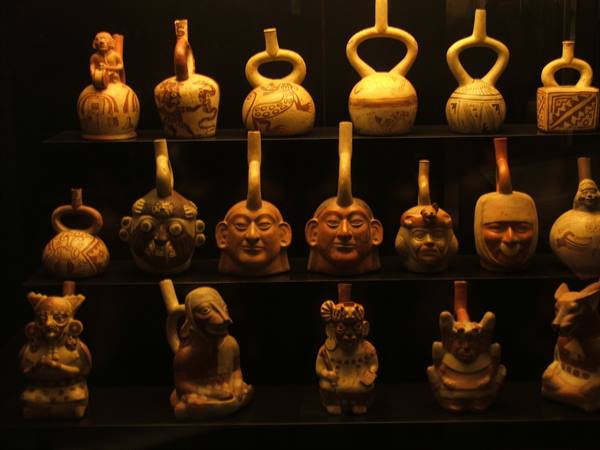
All the same, there's everything in there and it's the classic museum you should return to again and again. On Sunday morning we went to the Monasterio de las Descalzas Reales, always paid and closed on Mondays: a treasure chest of history and artworks, with guided tours of at least an hour roughly every 50 minutes: don't miss it. From there we quickly took the metro to see the rich Museo de América, free that day, and then the Museo de Artes Decorativas, also free, interesting because the building that houses it is an original 19th-century residence of a noble family.
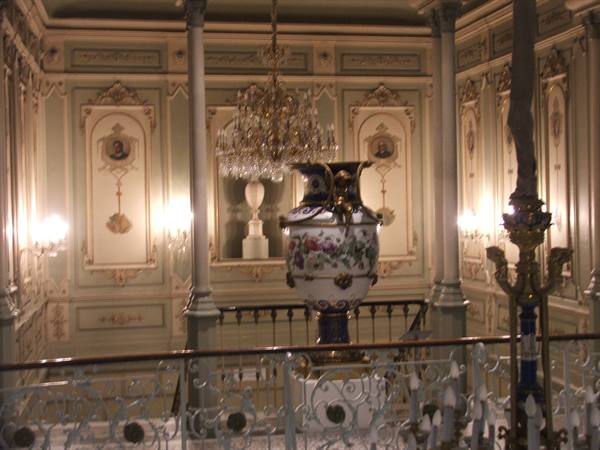
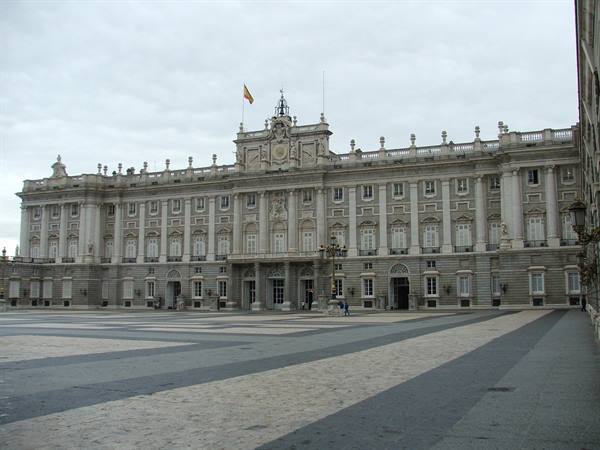
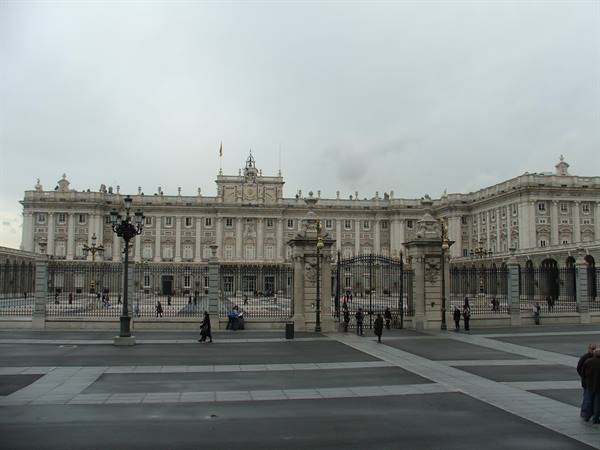
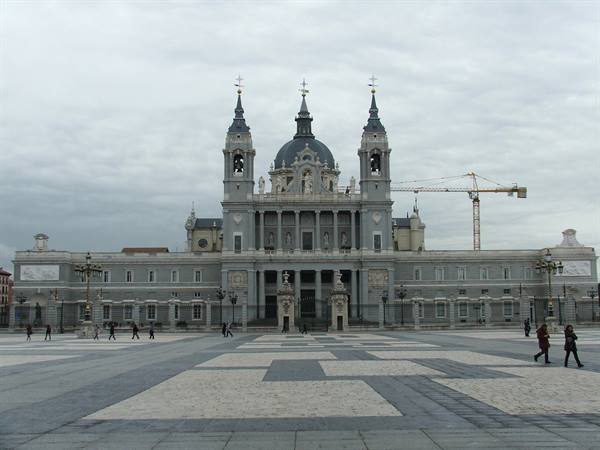
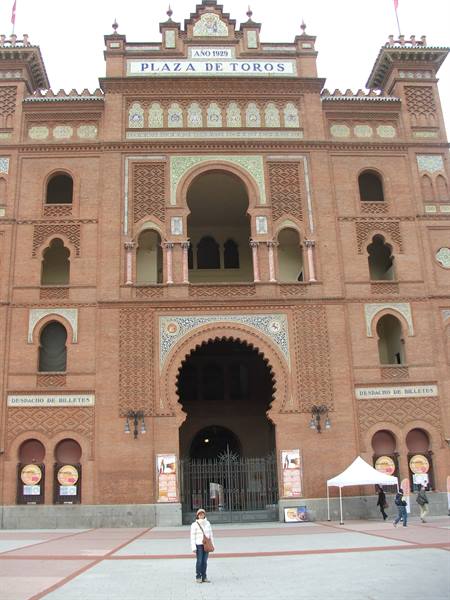
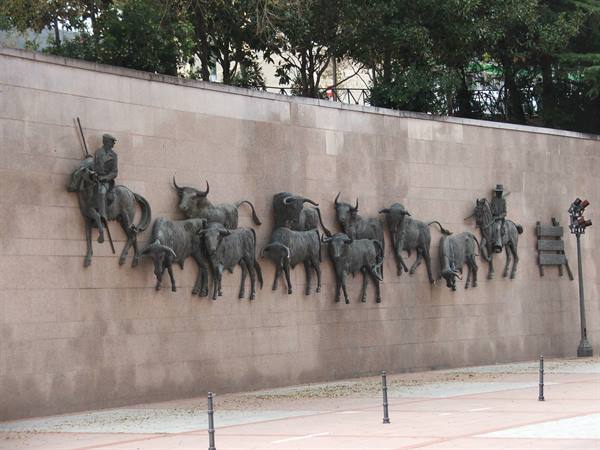
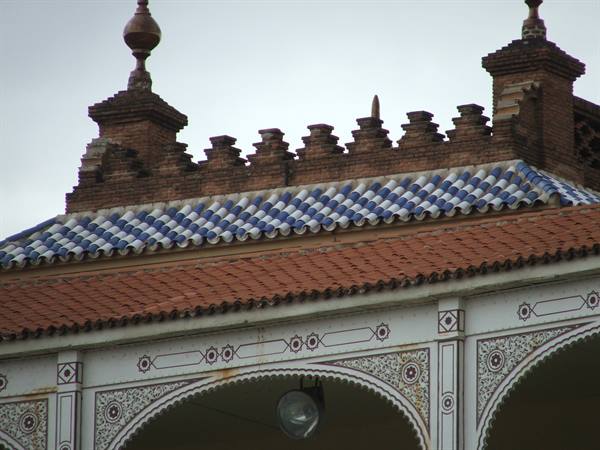
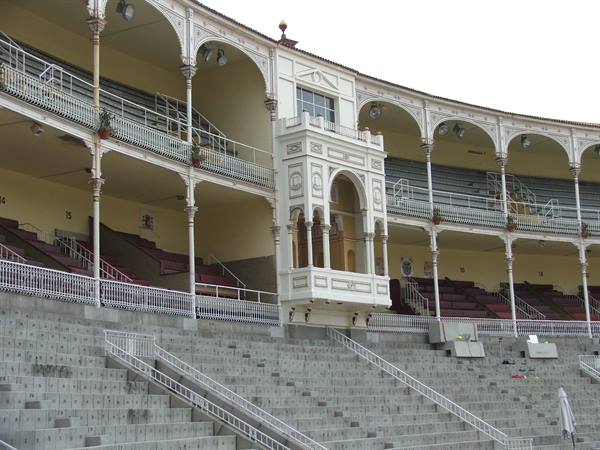
After lunch we devoted ourselves to another great painting museum, the qualitatively and quantitatively very rich private collection and therefore never free, the Thyssen-Bornemisza: not to be missed, and also worth revisiting several times!! On Monday we visited the beautiful Royal Palace, left for that day precisely because, as in Italy, on Mondays many museums and monuments are closed, and the Catedral de la Almudena. Generally I don't go mad for this kind of royal-barracks palace, but this one enchanted us! The variety and richness of the rooms, the weapons collection, the pharmacy! In the afternoon we went to visit the largest bullring in Spain, the Plaza de Toros de Las Ventas, a little disappointing, perhaps because of the rather dull guide we got, but still worth visiting, at least to get an idea of this, however debatable, tradition of theirs.
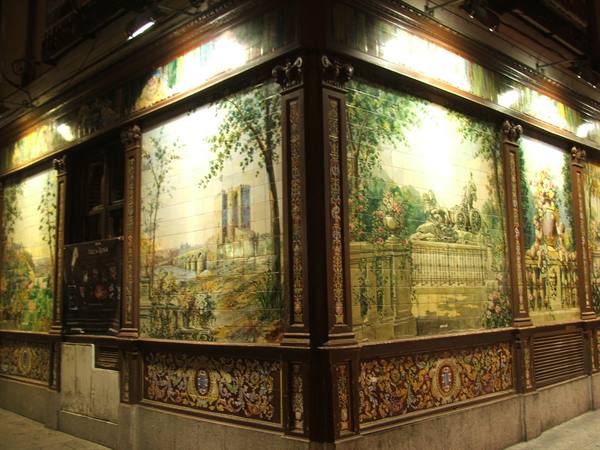
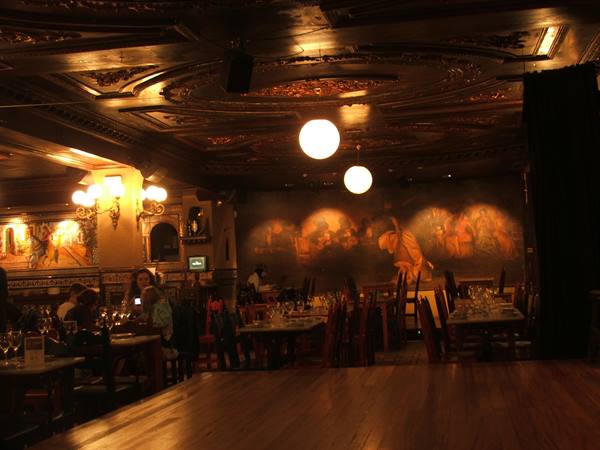
In the evening we went to see a flamenco show at the Tablao Santa Rosa in Plaza Santa Ana, booked by email from Italy; you can have dinner or, as we did, just have a drink which, together with the show, which lasts barely an hour and is fantastic, costs 21 €. The venue itself is interesting too.
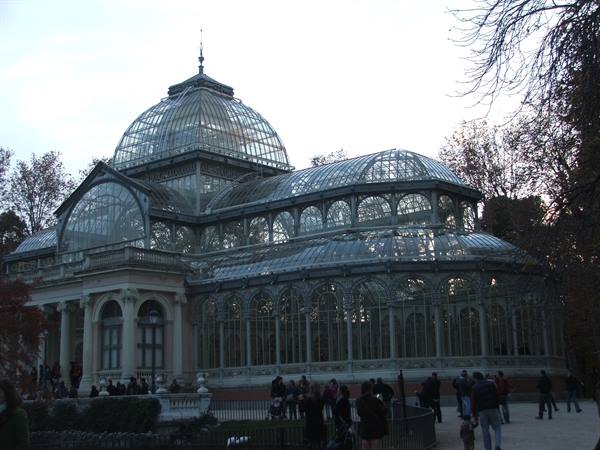
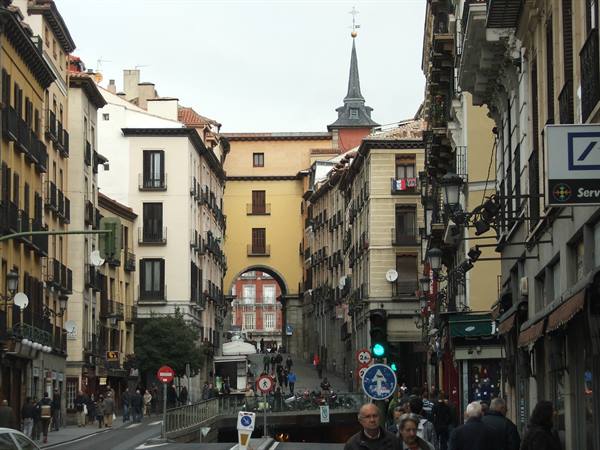
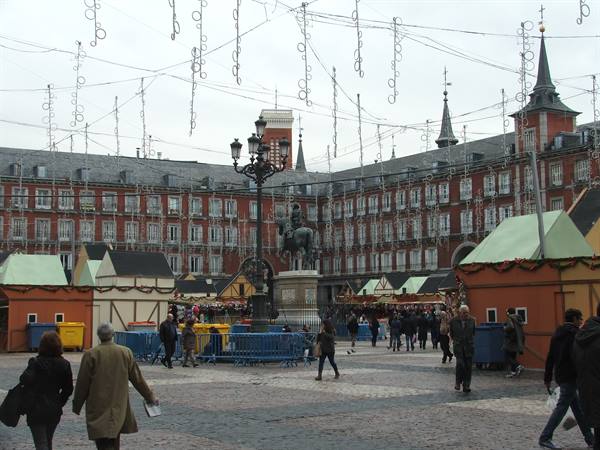
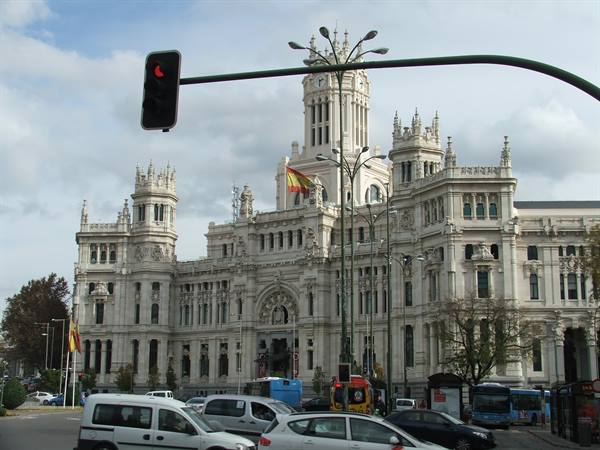
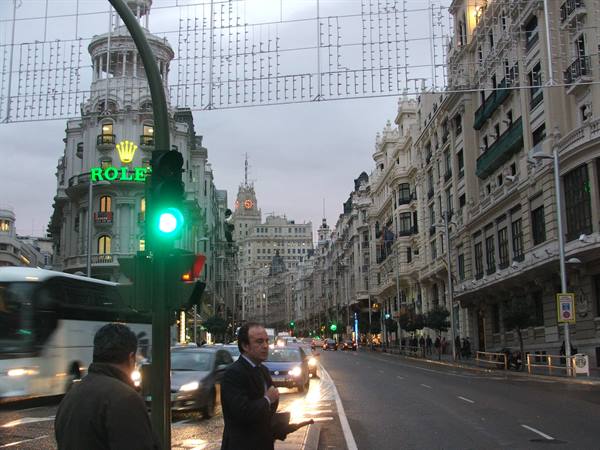
Besides that, we visited churches, walked a lot around the famous squares (the Plaza Mayor, where the judges of the Inquisition used to gather, I liked very much), the great monumental avenues and the medieval quarters with countless alleys, which I would never have expected in this city, the Parque del Buen Retiro, the city's lungs with its little lake and the beautiful Palacio de Cristal, in liberty style, open until 18.00 but very visible from outside too, we reached the famous Kio towers, 2 pseudo-skyscrapers of strange shape, and also the Bernabéu stadium, which we didn't want to visit, because frankly this world of football is becoming a ridiculous thing given the money that circulates...
entry cost 19 €, as if it were the Sistine Chapel! It's worth a snack at the liberty-style market of San Miguel, near Plaza Mayor, both for how it's been laid out and for what you can find to eat and drink, but strictly standing up. We ate a lot of fresh fish, drank many cheap Cañas (beers) and went no fewer than 2 times to Cien Montaditos, a Spanish chain we already knew in Valencia that sells you beer for 1 € and delicious mini sandwiches that on some days mostly cost a single euro.
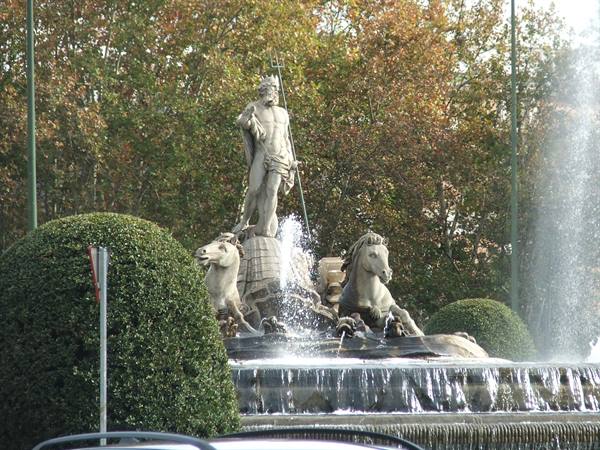
We also went twice to the deservedly famous San Ginès chocolate shop to eat churros, pieces of fried doughnut that you have to eat after dipping them in the delicious hot chocolate! In short, I think that despite seeing and doing too many things in so little time, we managed to live this city a little, and we liked it very much, even though it isn't the classic capital with lots of monuments, but a city full of life, rich in well-kept wonders, magnificent views often dotted with sumptuous fountains, but also with a vast network of charming alleys of clearly medieval layout. Then, as I said, everything works well, the museums close late and people are CIVIL, which is no small thing!!!
Day 127 Nov 2012
Out of Madrid
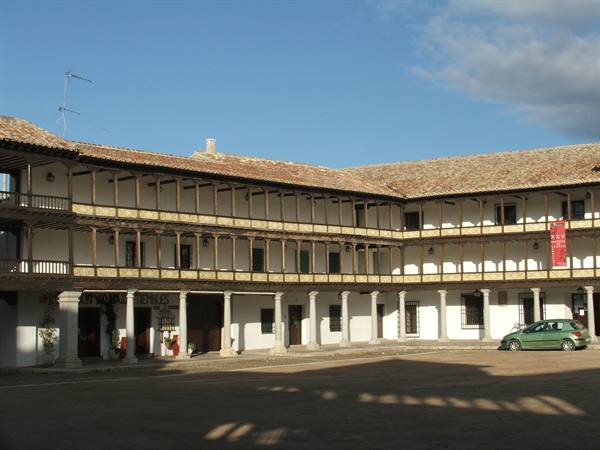
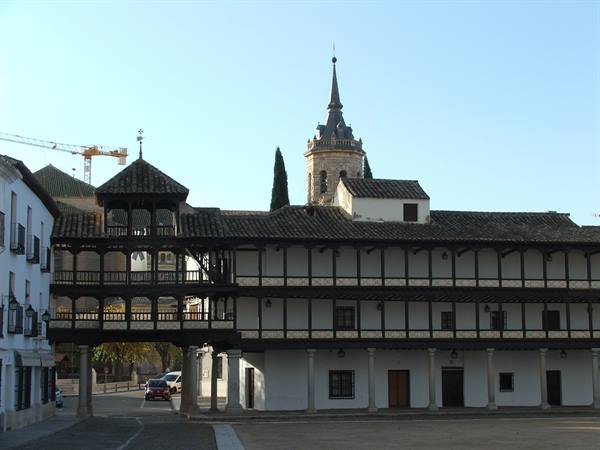
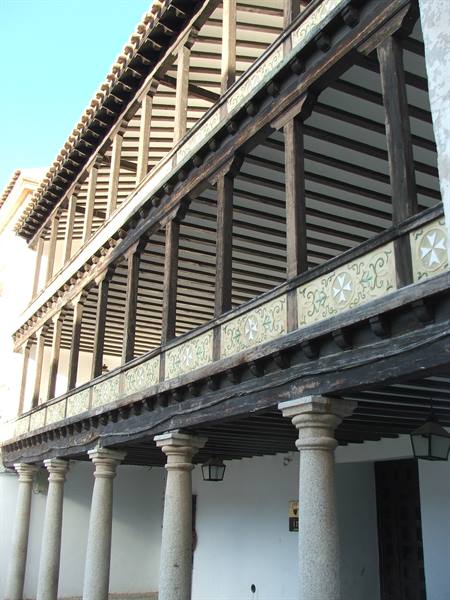
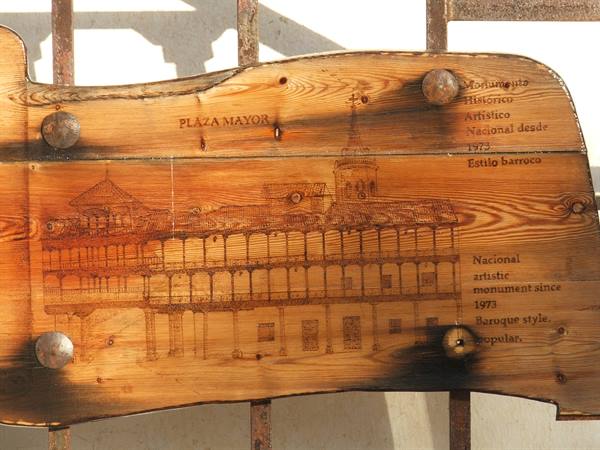
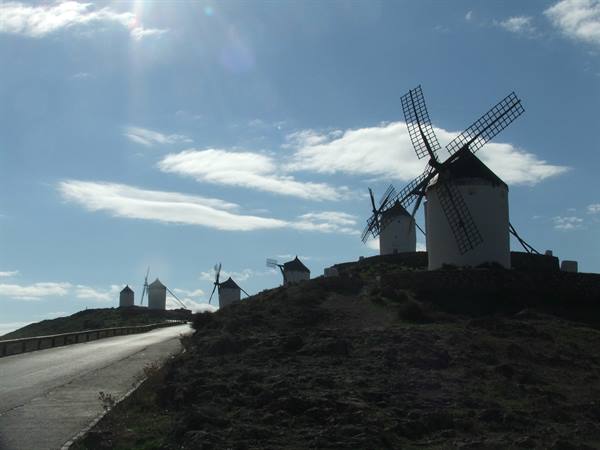
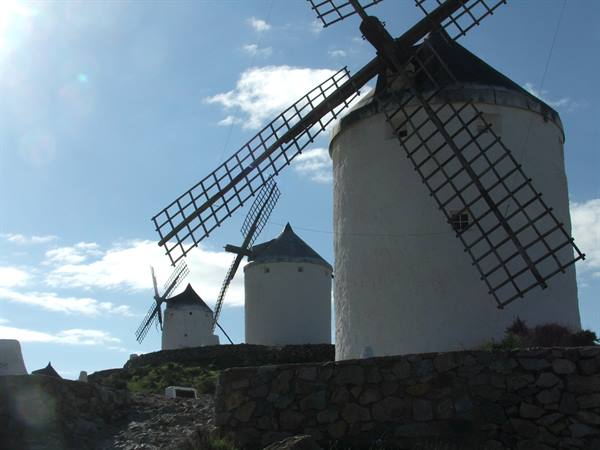
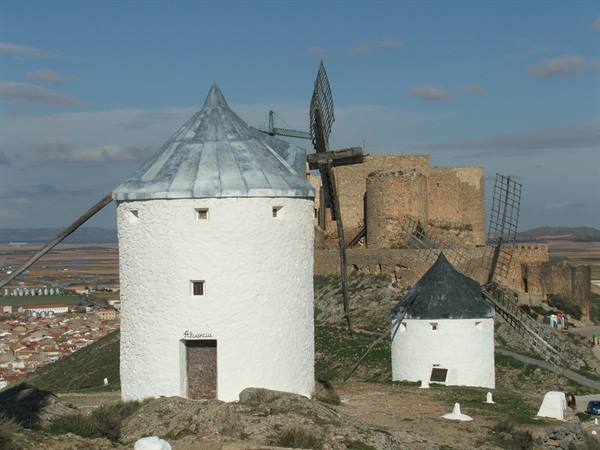
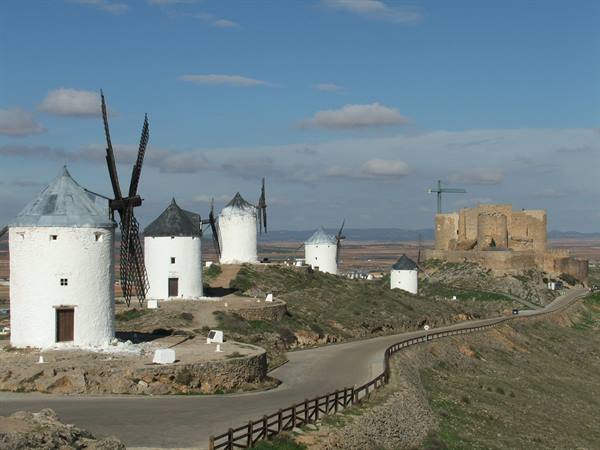
We picked up our little car not far from our hotel and headed southeast, leaving the city via very wide roads. We crossed the Mancha toward Tembleque, a town that has preserved the typical old La Mancha square-courtyard, but in reality we were in search of windmills. We saw a few, all strictly closed and without even a single sign, despite the Spanish tourism website giving different information. Despite this disappointment, it was an emotional moment for me, seeing the Cresta Manchega, that is, the ridge with the famous windmills to which Don Quixote ideally turned, mistaking them for giants. The windmills number 12 and the spectacle truly is breathtaking: compared to them, and certainly also because of their position, the nearby grand medieval castle quite simply pales. Then we headed back north by a different road, to reach Toledo, where we arrived at lunchtime.
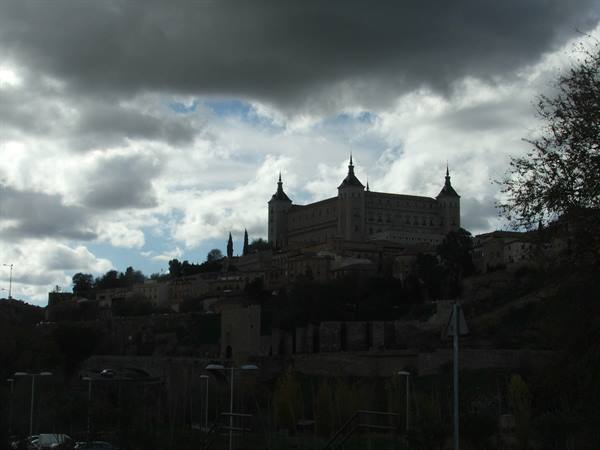
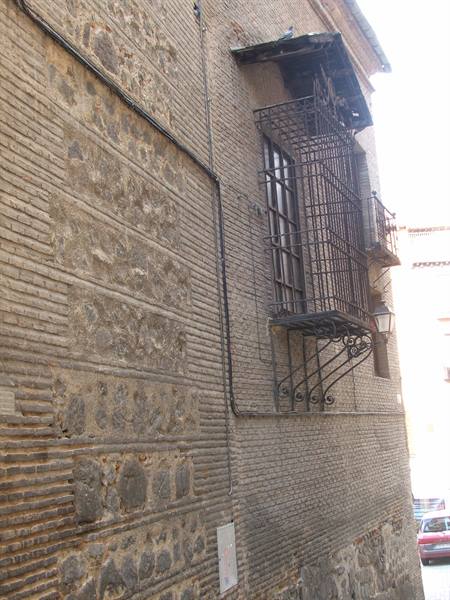
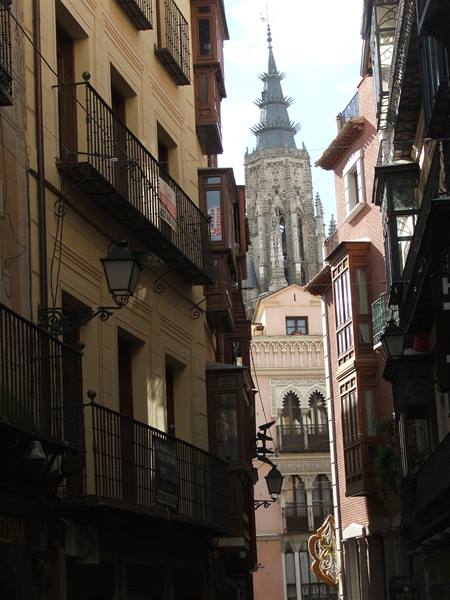
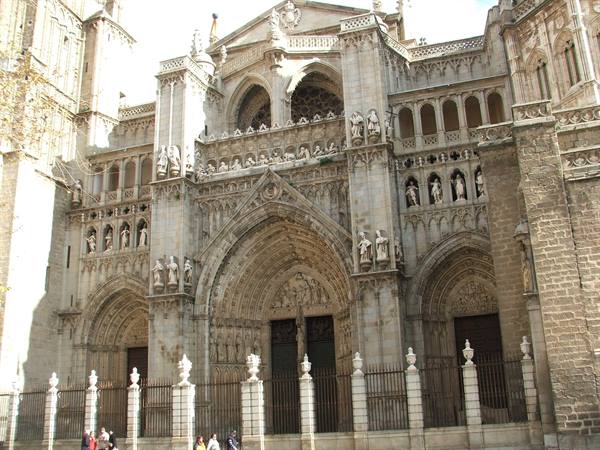
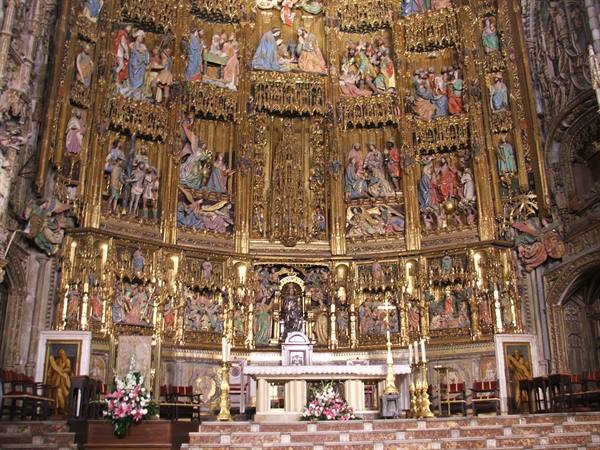
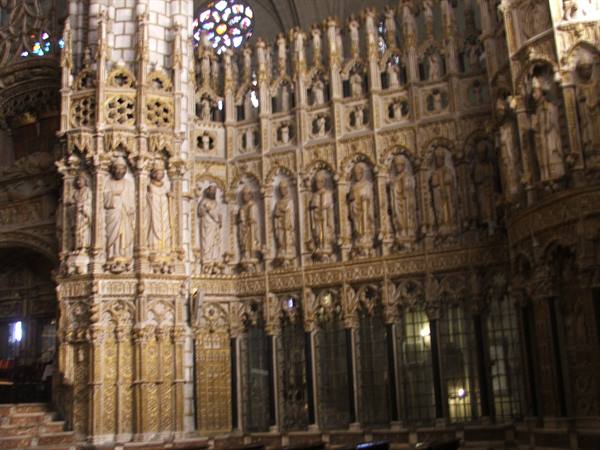
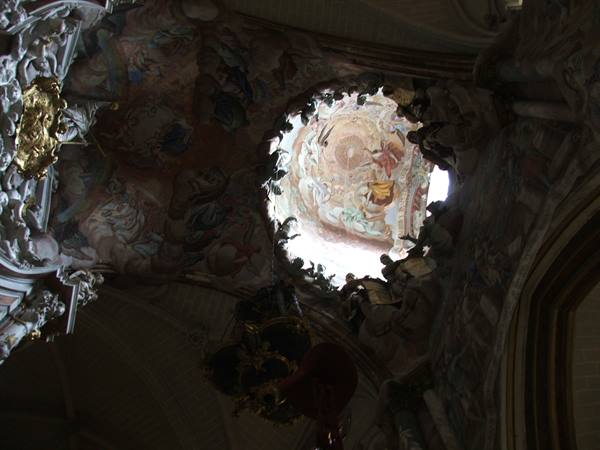
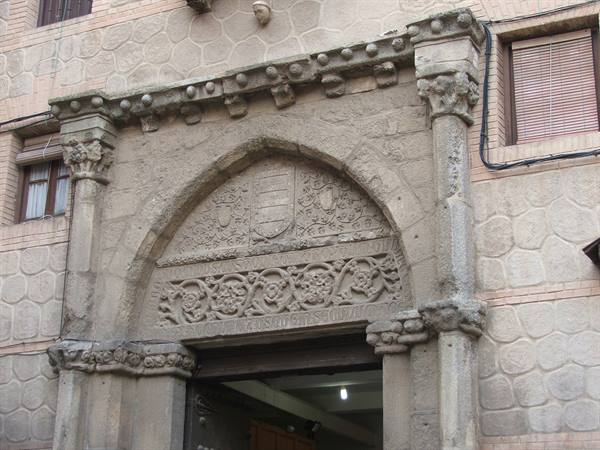
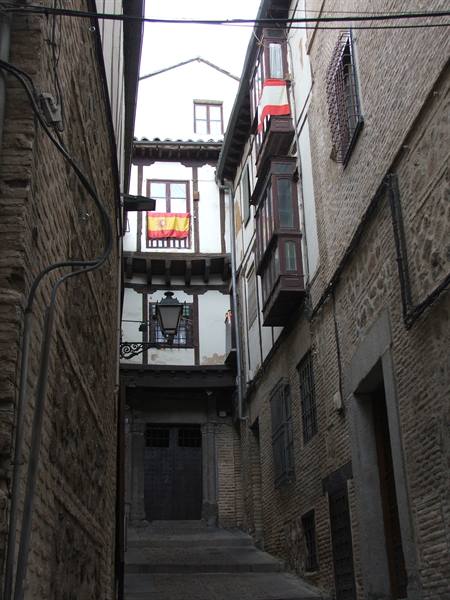
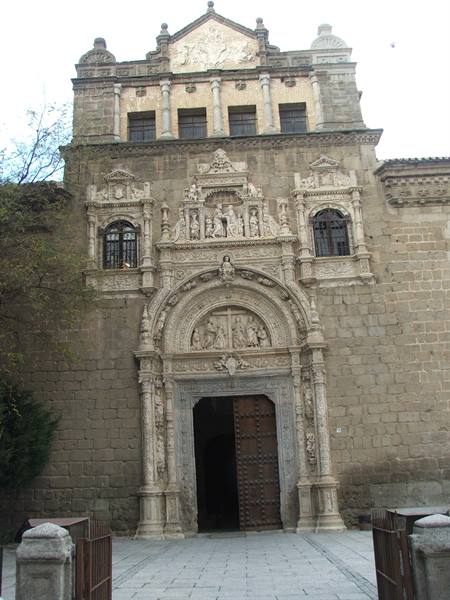
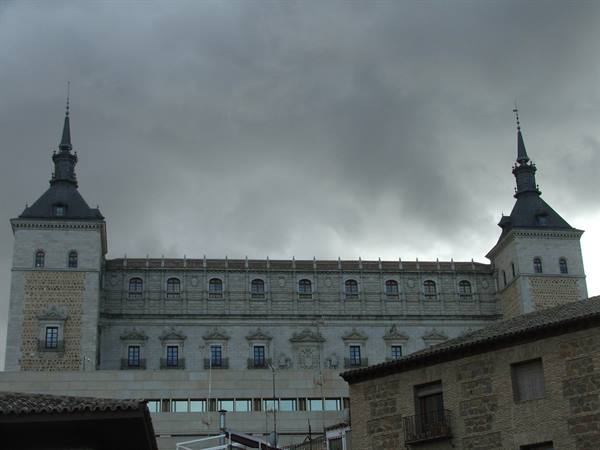
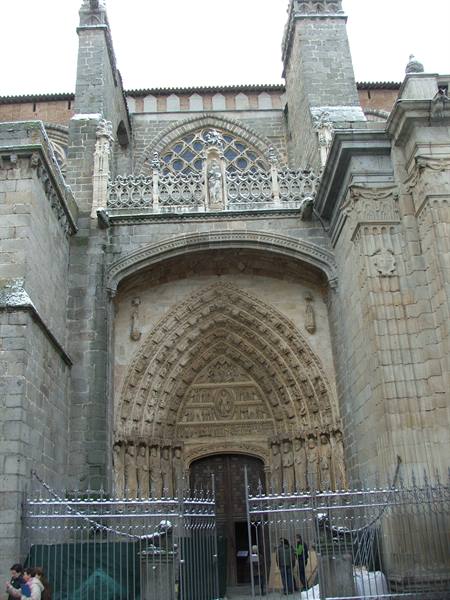
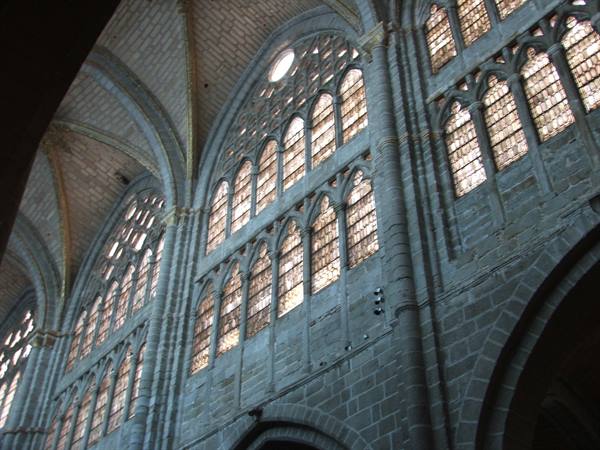
Here, as in the future cities we will visit and unlike in Madrid, the Cathedral is wonderful. Toledo was the country's first capital, until Philip II decided in 1561 that Madrid would succeed it. But, although it's known to have a rich past, in which culture was favored for centuries by the peaceful coexistence of Jews, Arabs and Christians... my lasting feeling is that it's a somewhat fake city, with restorations that seem to have rebuilt rather than preserved. But sometimes it seems to me that this is a bit the Spanish restoration style: that is, if the Colosseum had been in their home country, they would have totally "reassembled" it. The Synagogue is very interesting and beautiful, while unfortunately the Mezquita del Cristo de la Luz is closed, a former mosque described as very beautiful.
I know there are interesting monasteries, but partly because of the little time, partly because Toledo didn't captivate us much, and partly because we have to do another hundred kilometers or so crossing the mountains west of Madrid to reach Avila, we leave without seeing them. Parking in this overly touristy city costs a lot. We cut through the mountains via beautiful but somewhat slow roads, and around 17:30 we reach Avila without difficulty. We park our little car for very little money along the walls, pass through one of its entrances, and with a 200-meter walk we reach our cheap, nice and very centrally located hotel: Puerta del Alcazar.
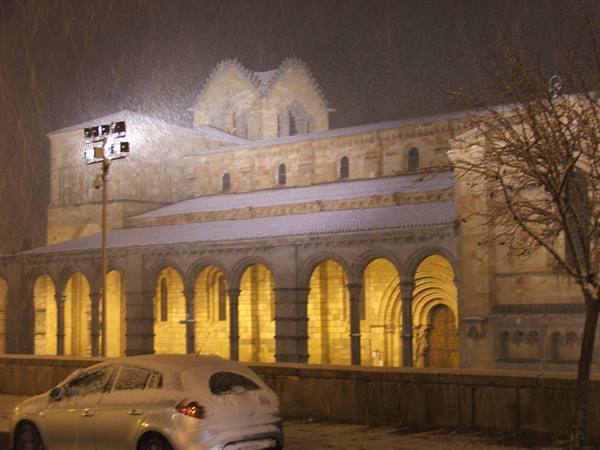
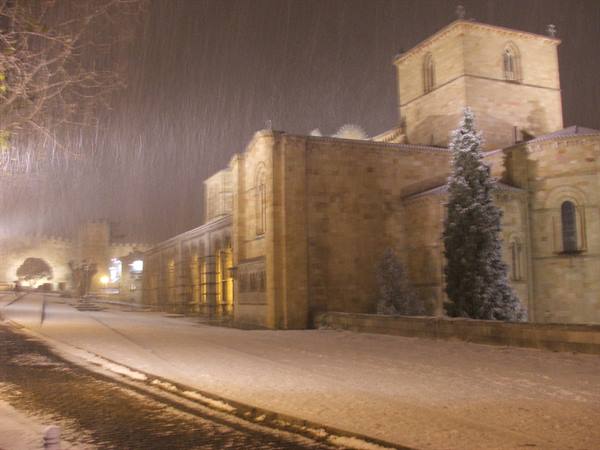
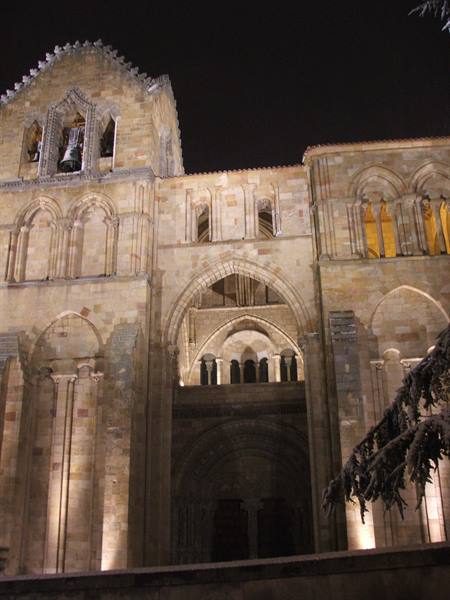
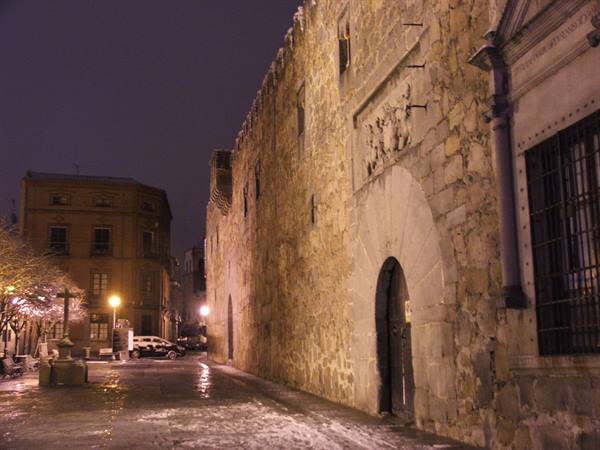
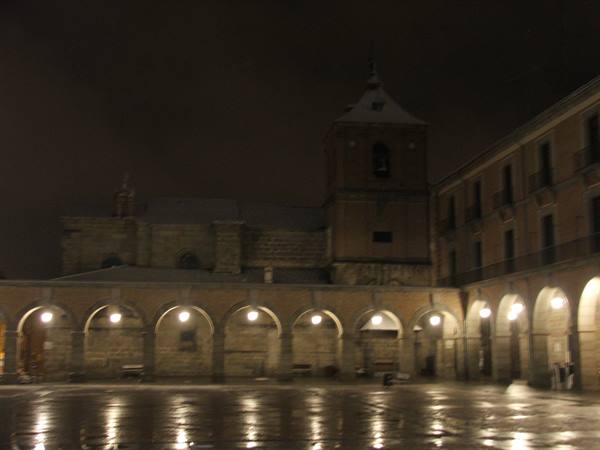
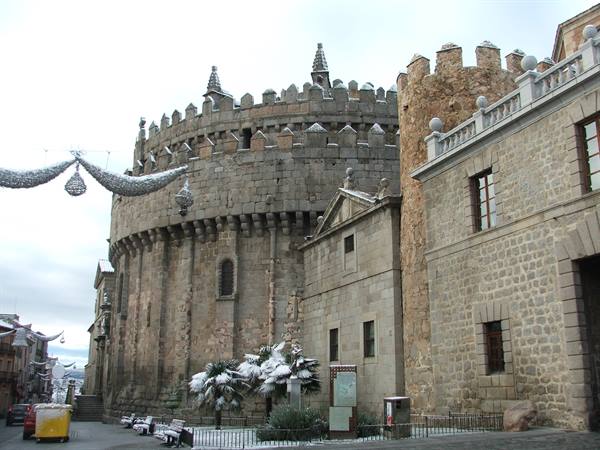
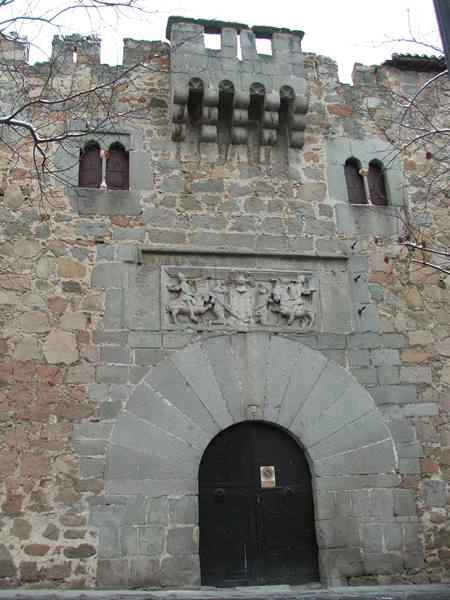
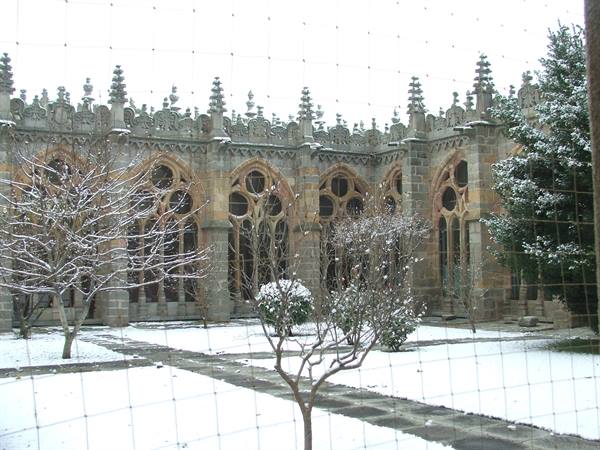
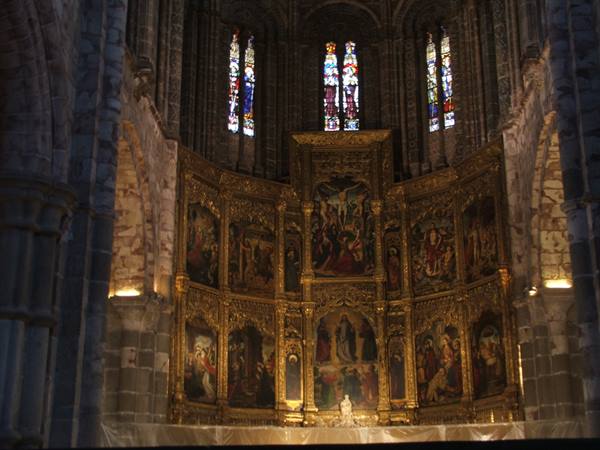
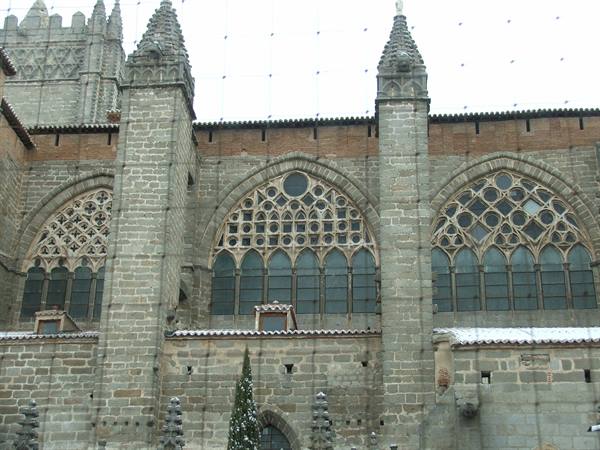
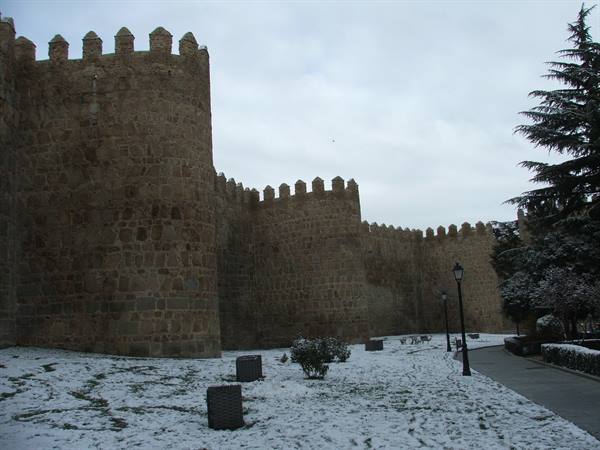
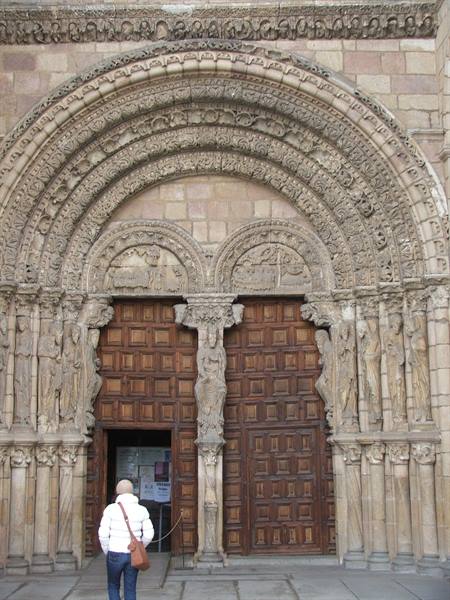
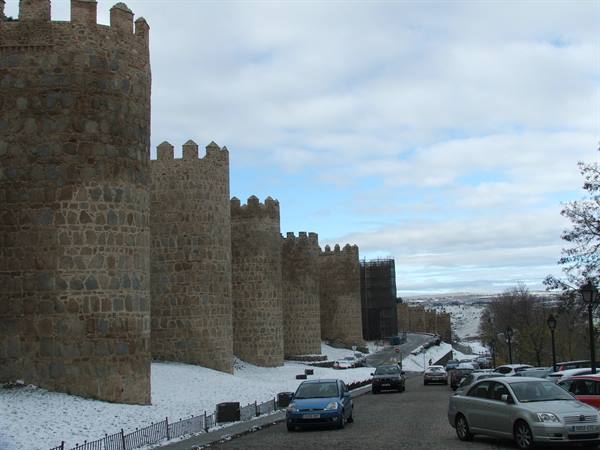
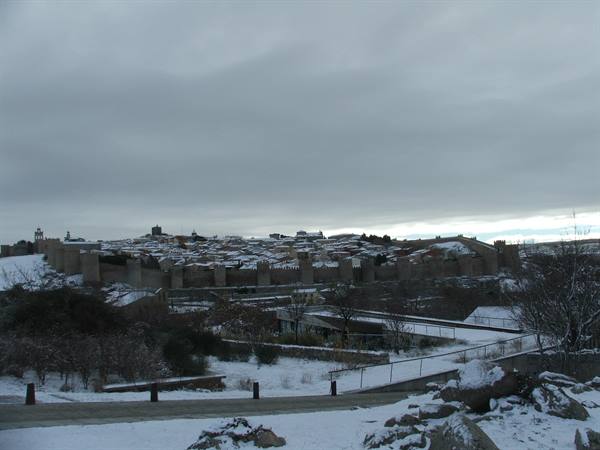
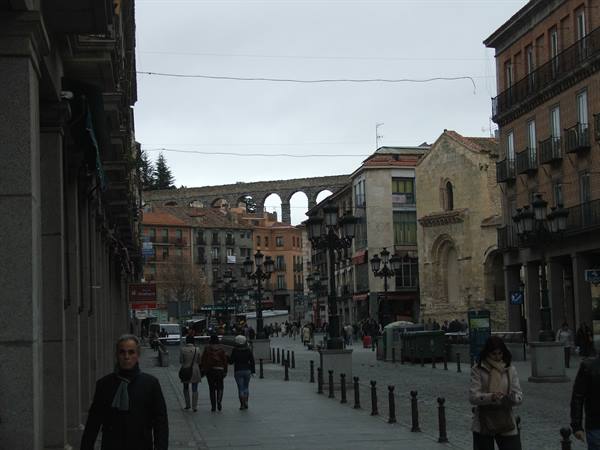
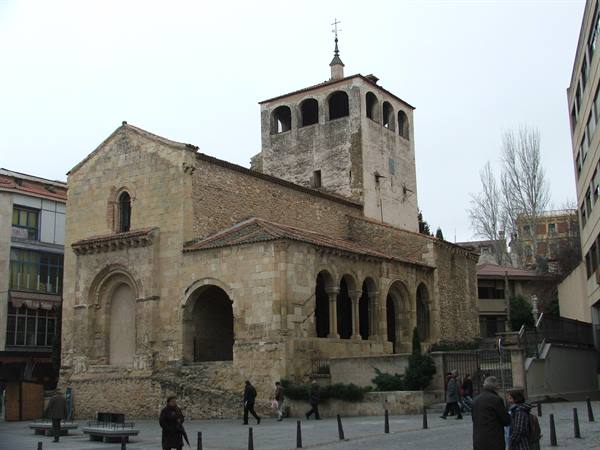
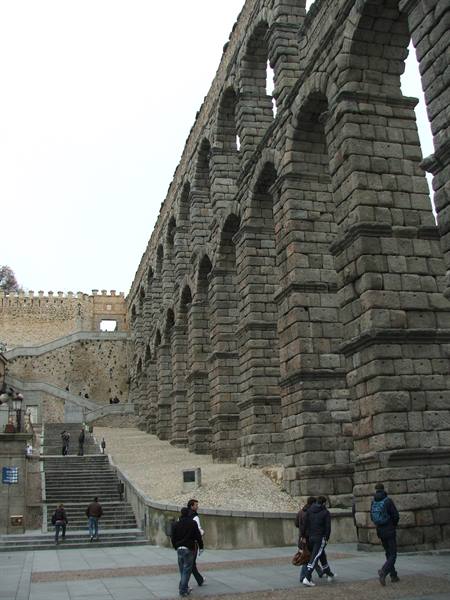
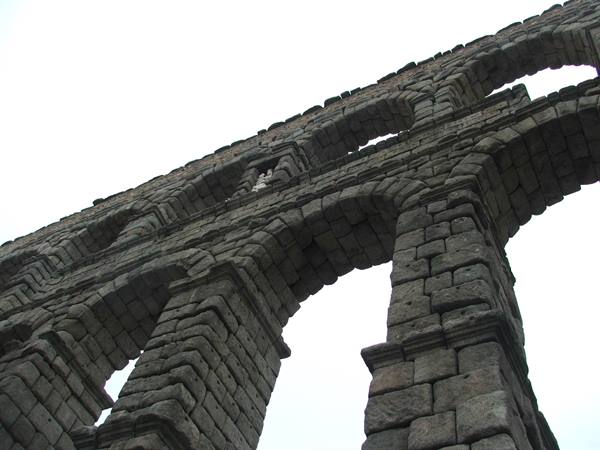
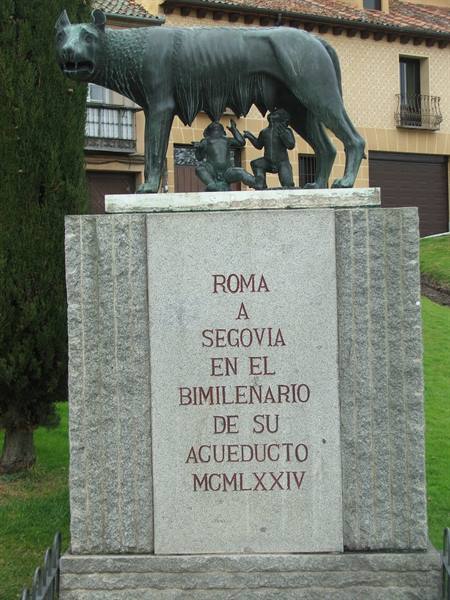
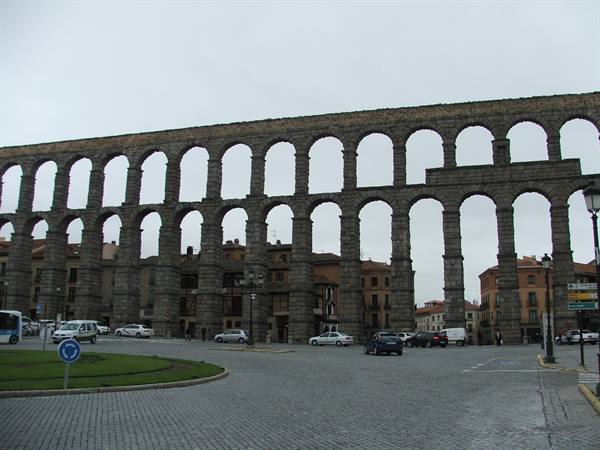
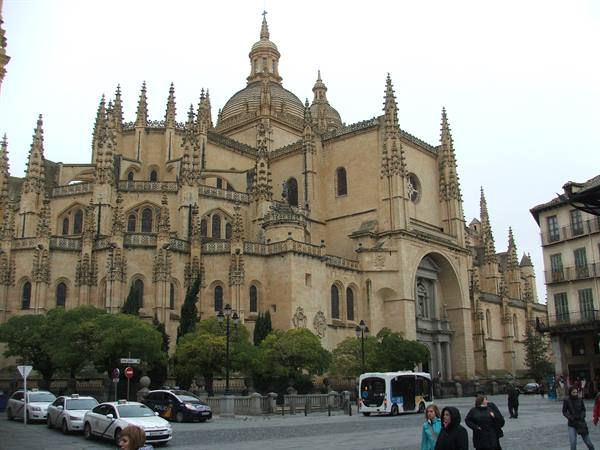
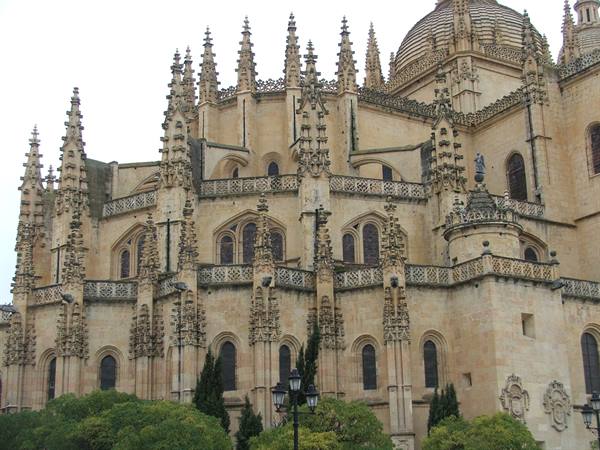
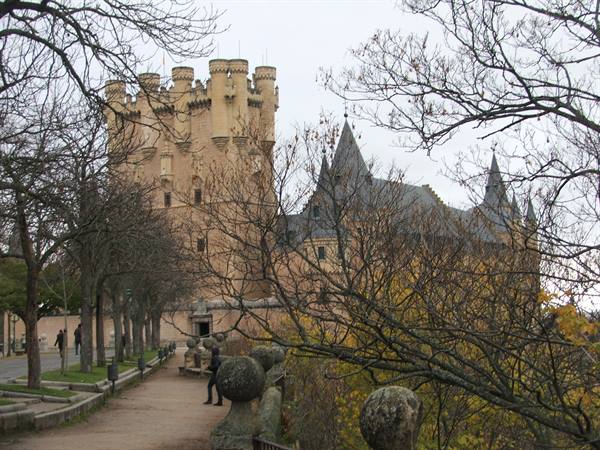
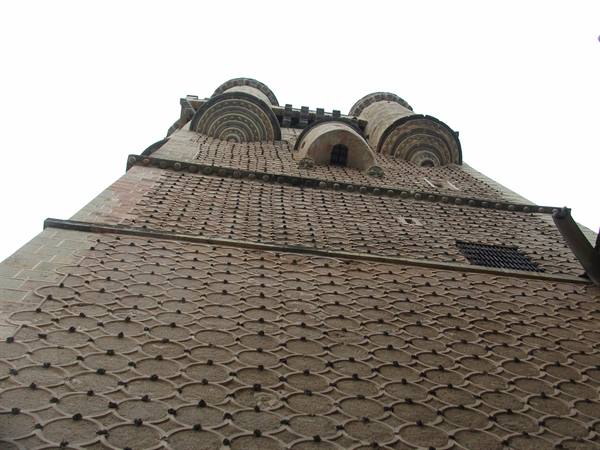
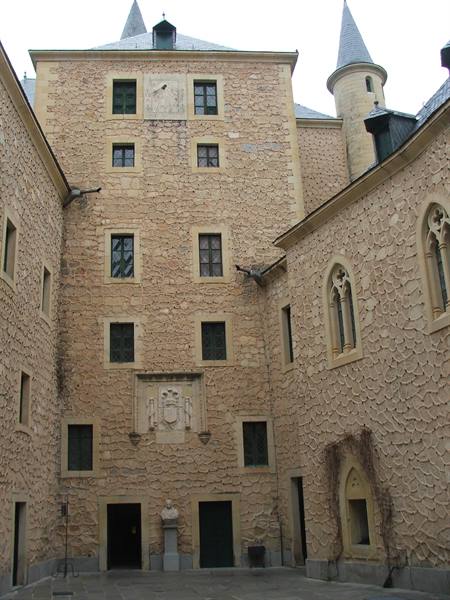
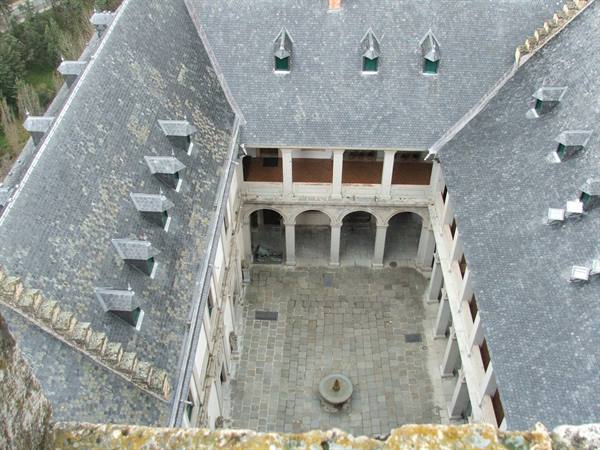
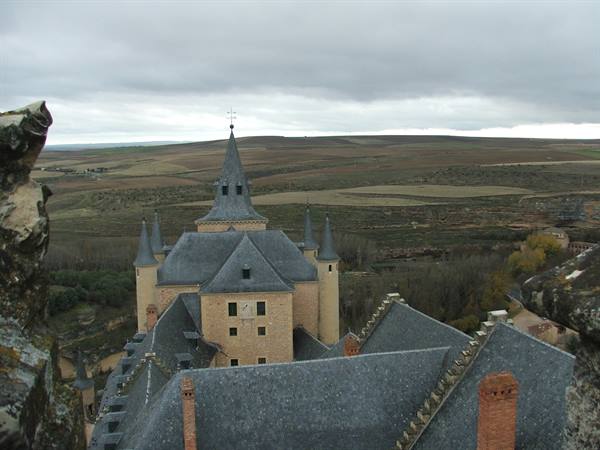
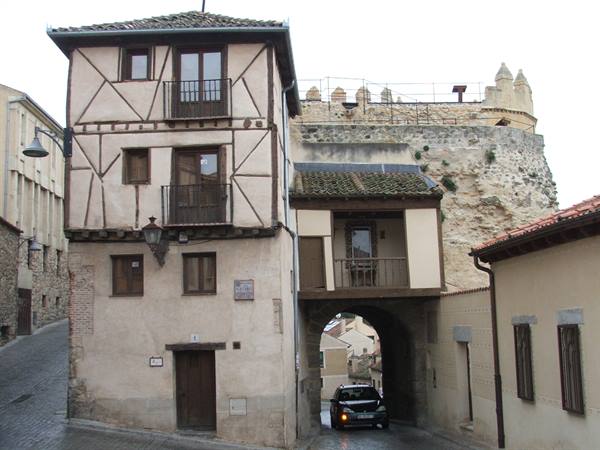
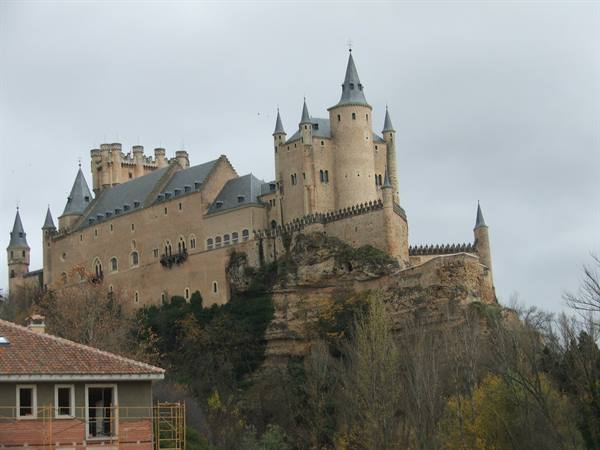
Just enough time to freshen up and when we go out...it's snowing like there's no tomorrow! Panic! We didn't rent chains, because "our" forecast didn't mention any! On the other hand, the city is at 1131 meters above sea level, right in the middle of the Spanish Meseta, and they tell us it snows very often, but that for this reason they're very quick to clear the roads and keep everything under control. The city, with its 3-meter-thick walls (the thickest in the world), its churches and its alleys, is particularly magical under the snow. The next morning, fortunately, it has stopped snowing and is indeed fully passable and clean, as are the roads that will take us to Segovia. We liked both Avila and Segovia very much, but that feeling of forced restoration sometimes comes back... for example for the walls of the former and for the famous Roman aqueduct and the castle of the latter.
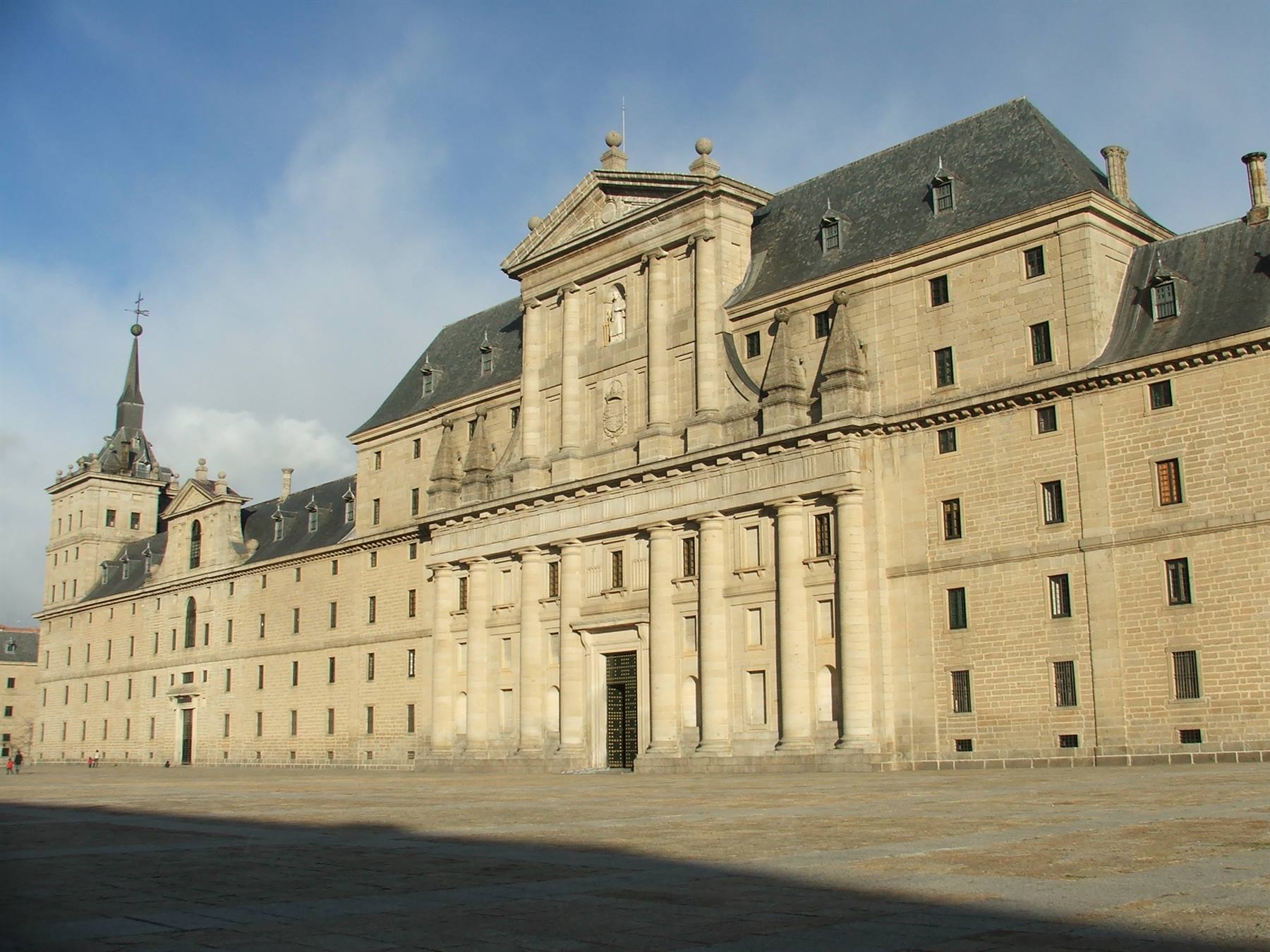
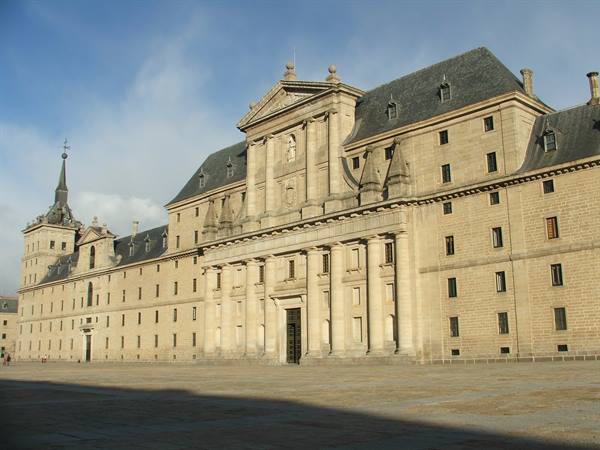
Anyway...so be it! Before reaching Madrid airport, where you have to be very careful about the T where your plane is (there are 4 of them and some are quite far apart, reachable by a free shuttle, but if you're short on time, it literally throws you into a panic), we managed to conclude our vacation at the Monastery of San Lorenzo at El Escorial. It's free like many Spanish monuments are on Wednesdays for EU citizens (if accompanied by ID); it's as grand as a Royal Palace and is no less impressive than the Palace of Madrid. The halls housing the rest of the Kings of Spain and the Hall of Battles are moving, the Library is beautiful and the Christ by Benvenuto Cellini is a masterpiece. In short, 5 completely satisfying days and Spain keeps entering our hearts more and more, entirely similar to us, but much, much more orderly and civilized. Hasta luego España!
0 reader comments