We took the plane to Santander, where we picked up a car booked through Globel Cars, from which we found the best price. In 5 days we did almost 2000 km, crossing 4 different regions of northern Spain, visiting lovely cities and villages and seeing many beautiful landscapes. From Italy we had also booked all the places where we would sleep, so as not to waste time looking for them on the spot, and I must say that it always went well and at moderate prices, through my faithful booking.com. The first stop to reach was the city of Leon, just under 300 km away, mostly motorway, and the hotel booked was the Hotel Spa Paris, right in the pedestrian centre: you could park in a garage through the hotel or, as we did, since the car was too big, no more than 15 minutes' walk away, for free.
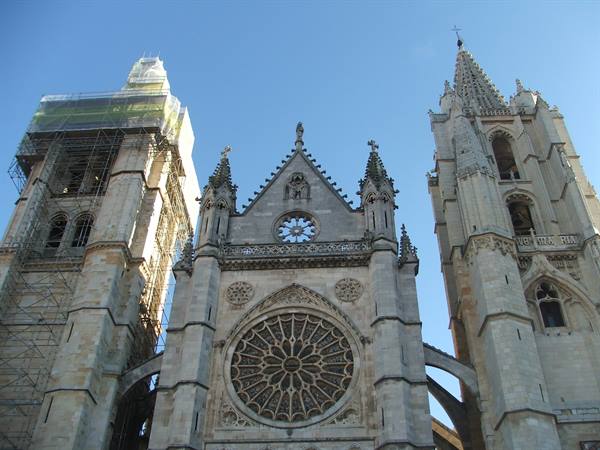
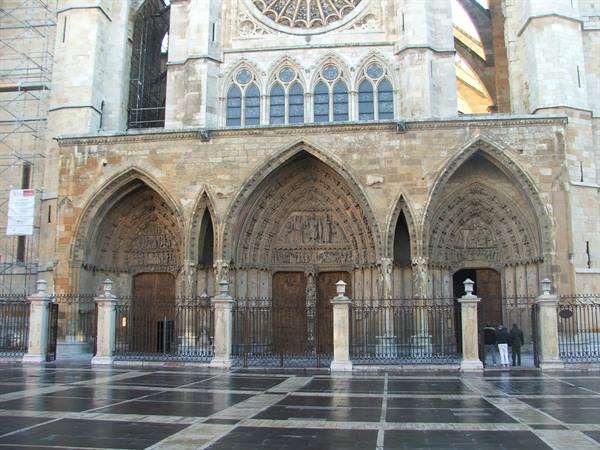
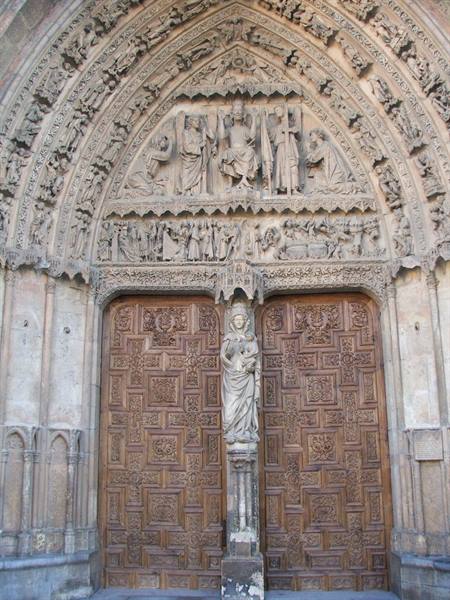
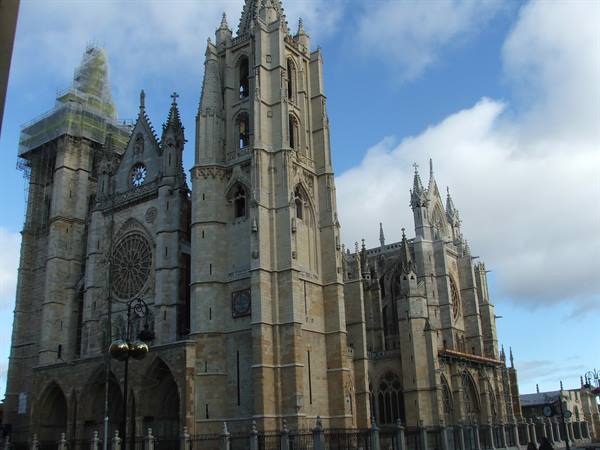
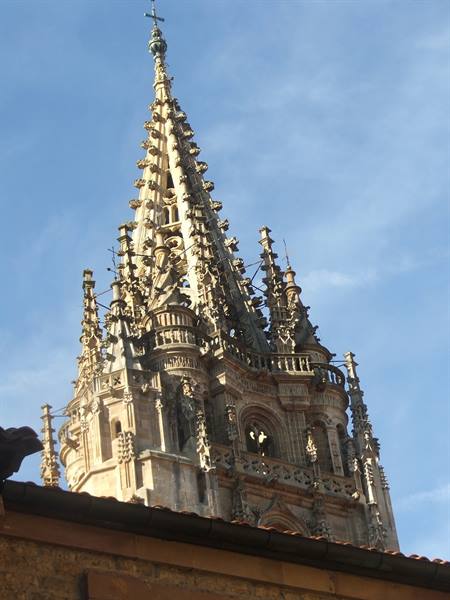
We arrived for dinner and already formed a first impression of the old town with its magnificent Gothic cathedral. We wandered a bit to find something to eat, because the places, contrary to what we knew, didn't seem to us to be very cheap. The verdict we will draw at the end of the trip is that, with a few exceptions, for eating we did actually find cheaper prices than in Italy. The next morning, although by 9 we were already ready, in the end we...couldn't do much. In fact, the bars opened even after 9.30 and didn't offer much, and I kept asking myself: but how do these people live so out of sync? And I kept thinking too, with great disappointment, of the fantastic pastelarias that Portugal is absolutely full of, with wonderful, varied sweets constantly coming out of the oven! The shops, including food shops, were obviously equally closed and there were few people around.
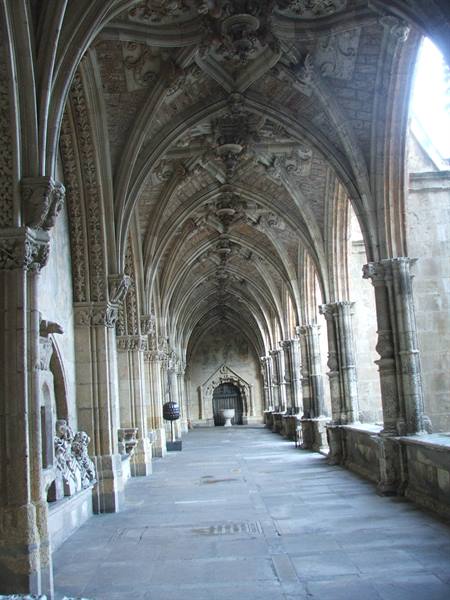
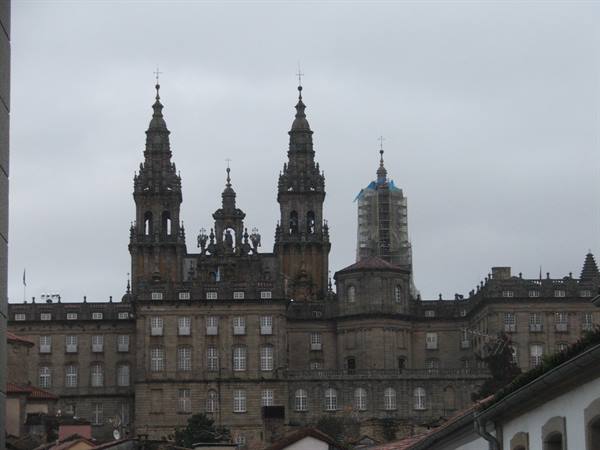
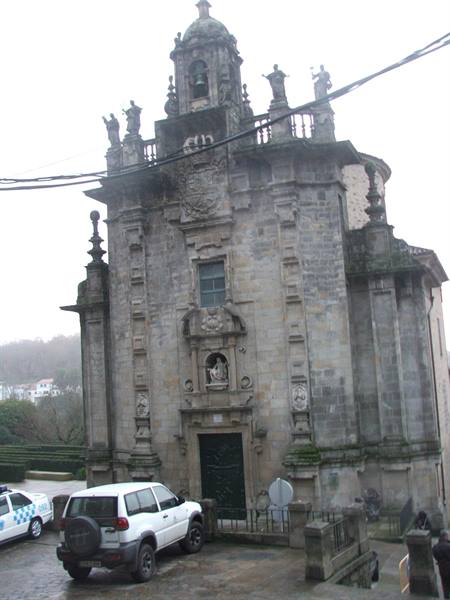
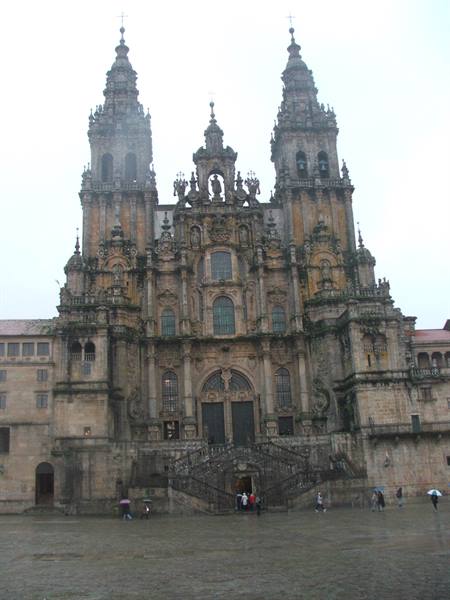
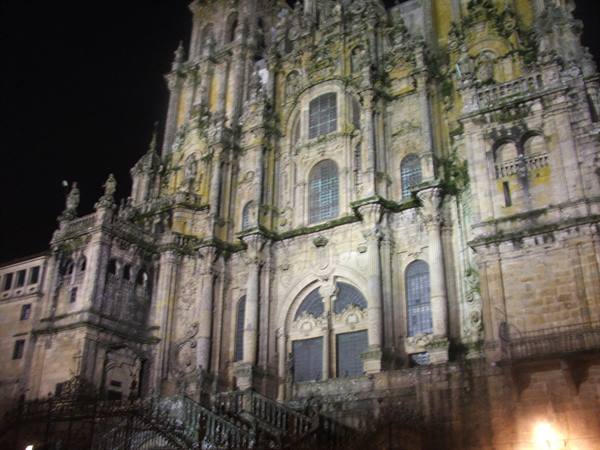
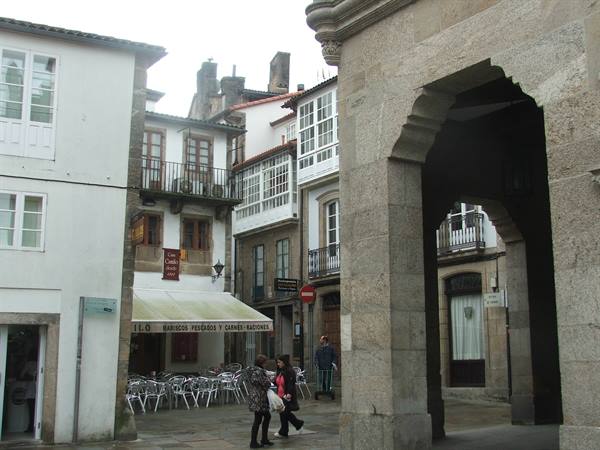
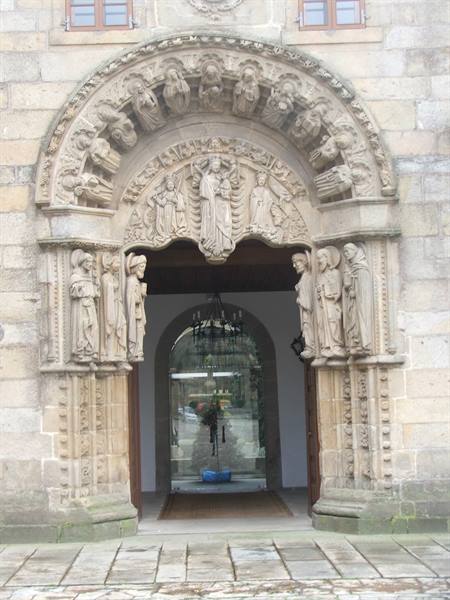
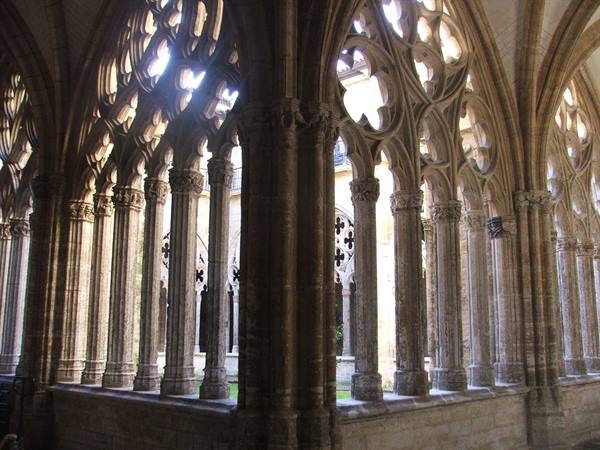
The Cathedral opened at 10 and officially so did the museum of the beautiful cloister: in fact, to visit its halls, we had to wait until 11, with the excuse that someone had to escort us. On the other hand, though, the guide explained a great many things to us, articulating her words well, so that it was clearly understood. Having left the museum, certainly worth a visit, we left satisfied with the city, whose centre is anyway small. The next stop was Santiago de Compostela, 350 km away and whose road was not very fast. We arrived shortly after 17 at the apartment taken for 2 nights "Catedral Suites de Santiago": extremely cheap for 6 people, very nice, all new, very close to the centre and with a partner garage at our disposal. In the evening we inspected the centre with its stupendous cathedral and its medieval alleys and then chose the place to have dinner.
Day 13 Jan 2012
Santiago de Compostela
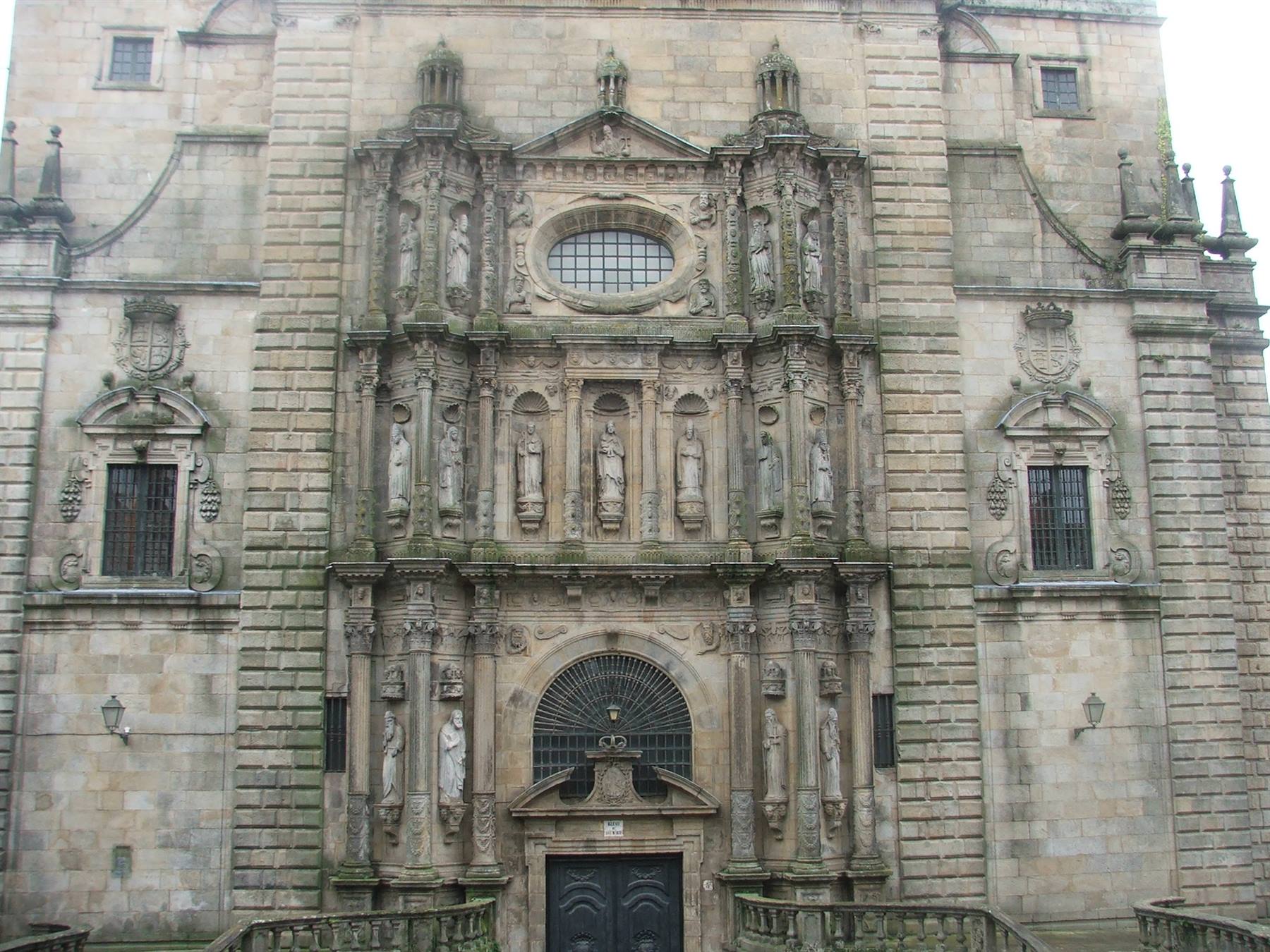
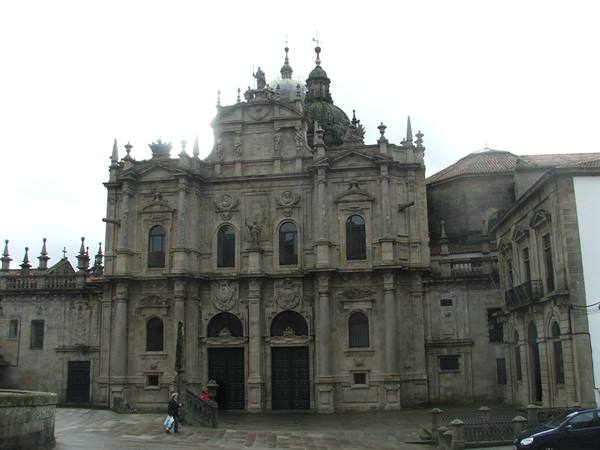
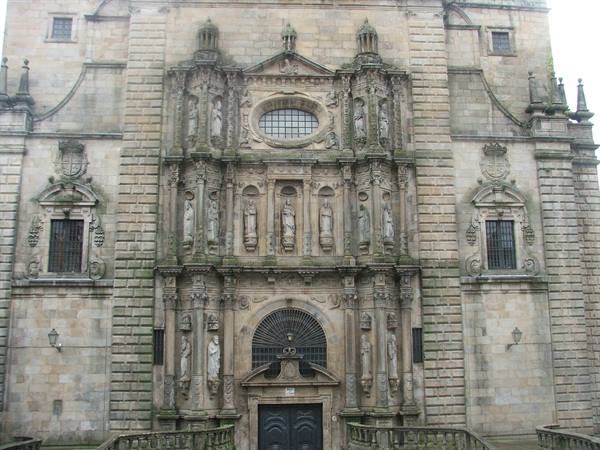
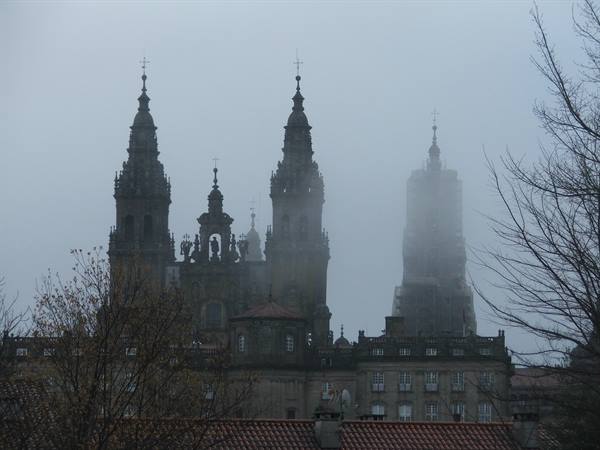
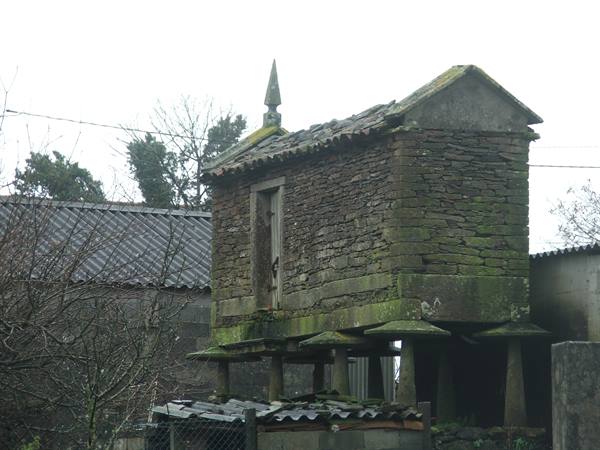
The next morning we would have liked to explore the southern Galician coast, but one of us came down with the flu, so we took turns visiting the city. As I mentioned, the cathedral is incredible, completely different from the one in Leon, which they had just about finished restoring and "whitening." This is a gigantic Baroque church, with dark stones covered here and there with moss and hanging plants, all shrouded in a constant mist or drizzle. The climate in this whole part of the country is very humid, so the landscapes are very green, despite it being the heart of winter, and many of the city's rooftops are themselves covered in moss! To my eyes all of this appeared full of incredible charm.
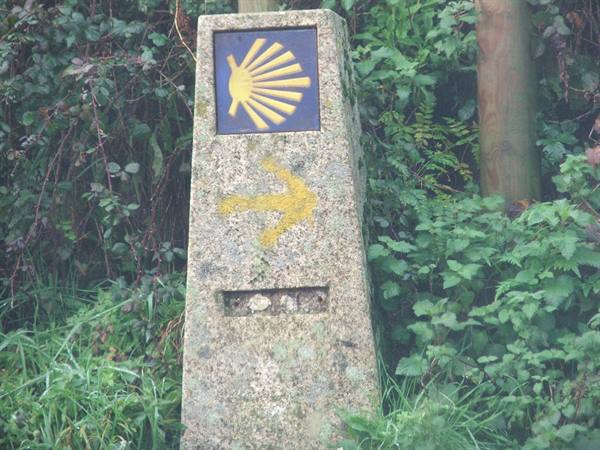
It may be because of the season, but I also don't share what I read in some travel accounts that described this city as too focused on easy profit because of the pilgrimage that people from all over the world make in every season, to reach Santiago or even Finisterre, 80 km further west. The most famous Camino de Santiago - not the only possible one - starts from Roncesvalles, in France, 800 km away, which, according to the rule, should be covered in 31 days. Upon arriving at the Cathedral, at noon there should always be a mass for the pilgrims, recognizable by their clothing and, if things are done properly, because they are equipped with a staff, a shell and a drinking gourd. Occasionally a gigantic brazier full of incense is swung over the heads of the faithful, which apparently serves as a blessing and welcome, but in practice its use was born because the air of the crowded church...
wasn't exactly breathable! The pilgrims who do the whole Camino are not as many as those who cover only the last hundred kilometers... people who constantly follow the shell and the fleche, the arrow.
Santiago de Compostela
Day 24 Jan 2012
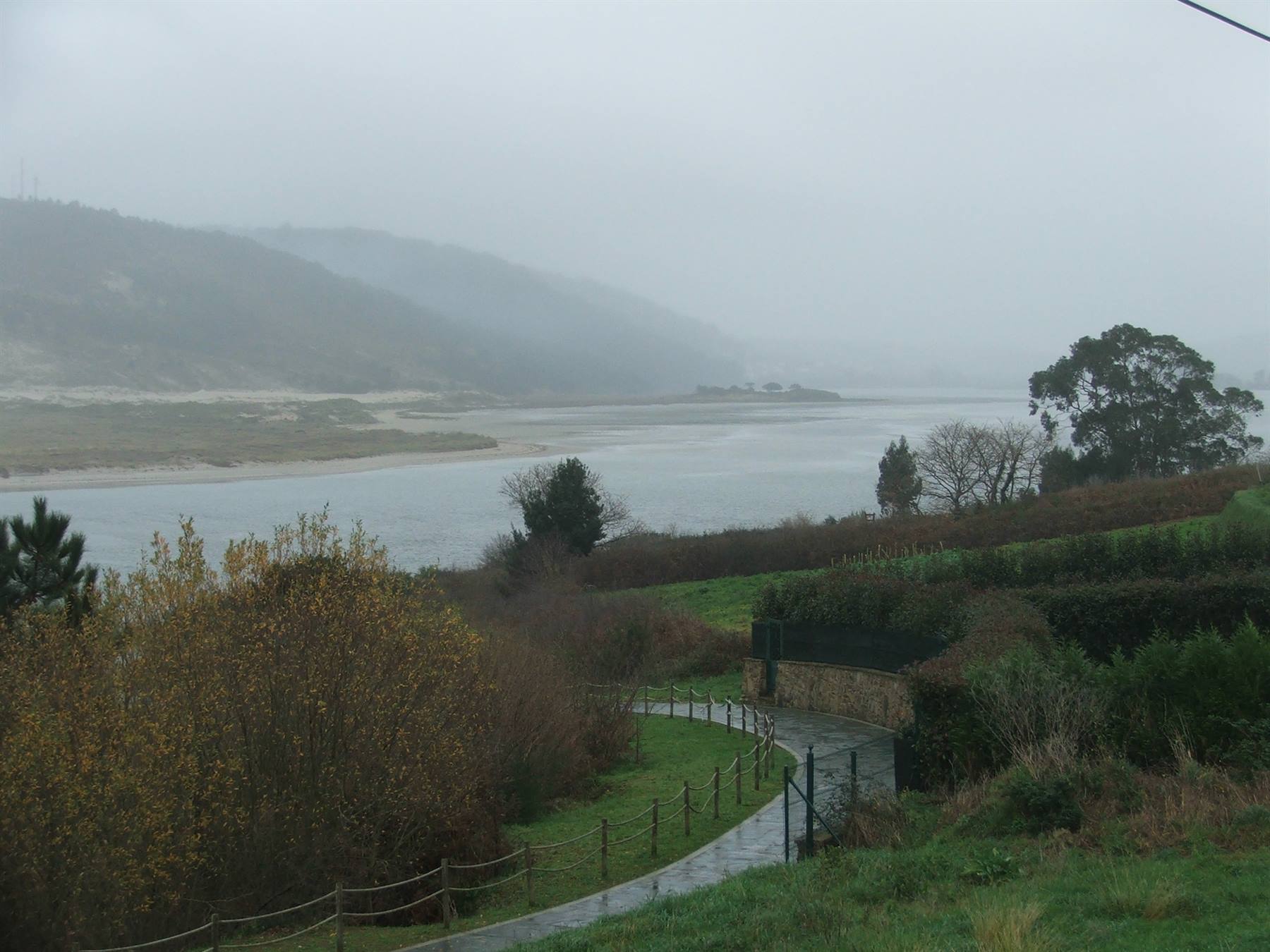
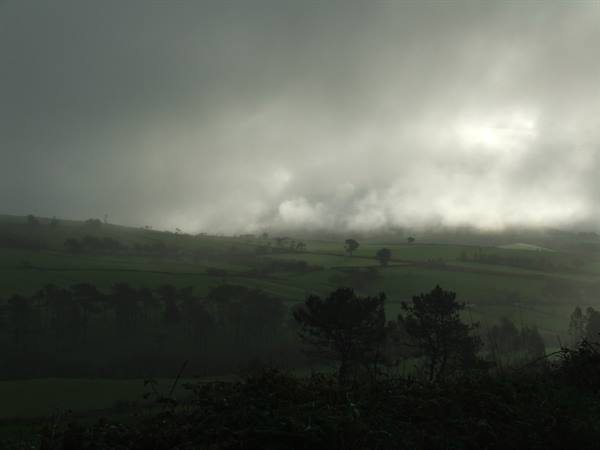
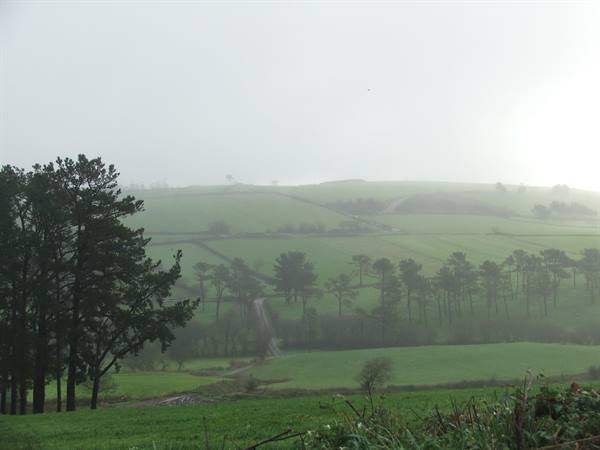
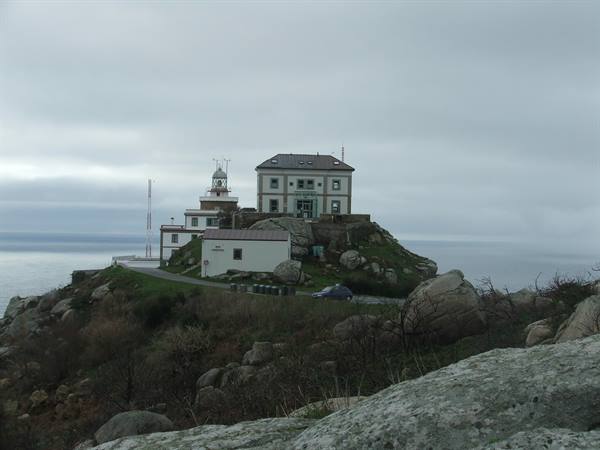
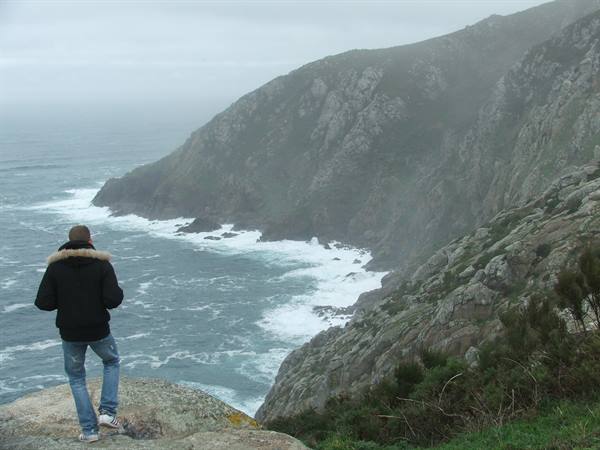
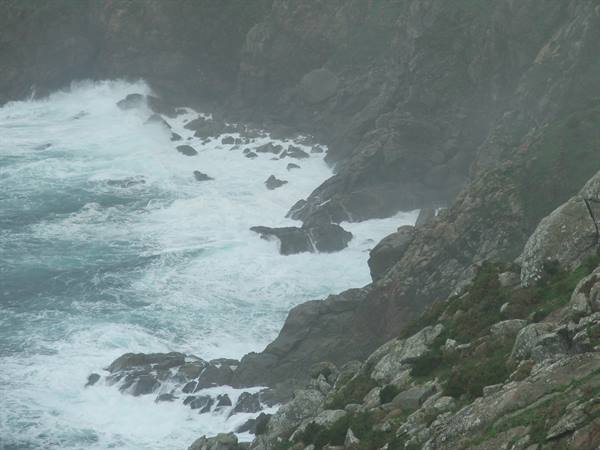
On the morning of January 4th, satisfied with the magical city of atmospheres, squares, churches and alleyways, we set off toward Finis Terrae, the westernmost point of the world known to the Romans. Honestly, it was a great satisfaction to get there, after having touched Hadrian's Wall in the north and the fortified city of Sergiopolis, in the Syrian desert, beyond which there was... only Persia. We spent the day of the 4th mostly in the car, both because of this big detour west, before reaching the northern coast, and because to cross the entire Costa da Morte there are no highways. For example, Finisterre is only about eighty km from Santiago, but it took at least 2 hours to reach it. But it was worth it! Meanwhile, all this emerald green, soft hills, little houses with sloping roofs, herds of animals, light mist: in short, a Celtic landscape...
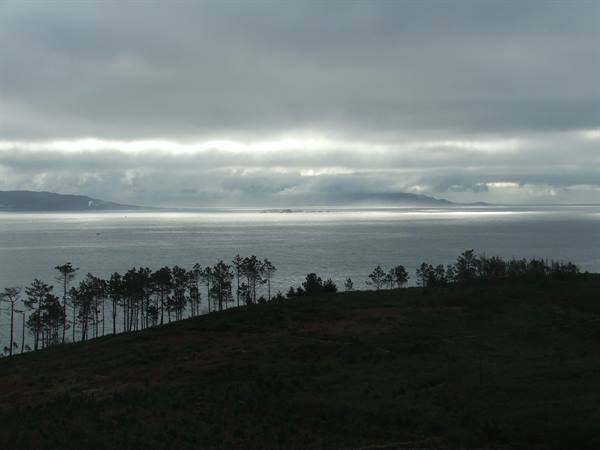
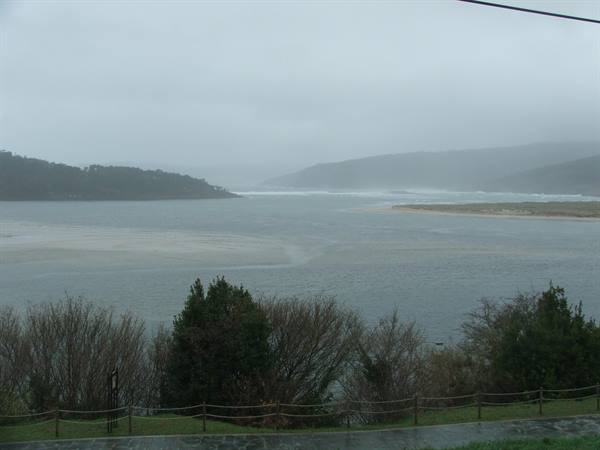
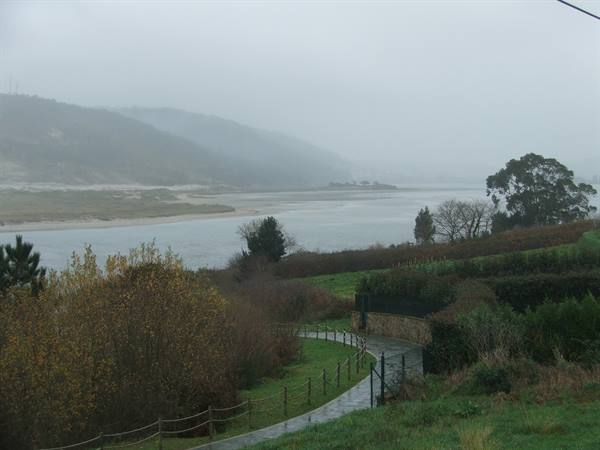
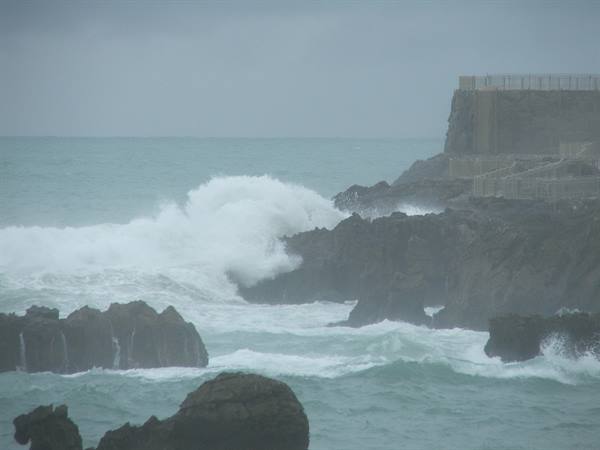
but it looked like Ireland! Beautiful, at times orderly, at times wild... not to mention the sea, or rather, the ocean! A coast with small fjords, wild waves and frightening cliffs. It's no coincidence that it's called Costa da Morte: many crosses mark the numerous shipwrecks. We cut across this small peninsula and arrived at its northernmost point, the town of Malpica: more rias, small islands and lighthouses. From here we went toward A Coruna, without entering it, and then headed at full speed toward the charming town of Ribadeo, on the northern coast, right after the Rias Altas, another spectacular coastline, but one we didn't have time to see.
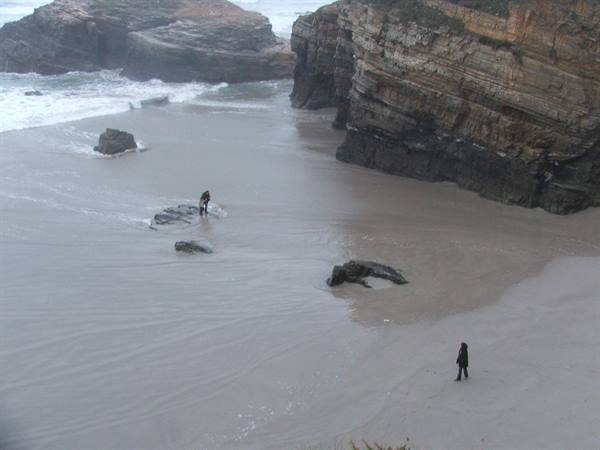
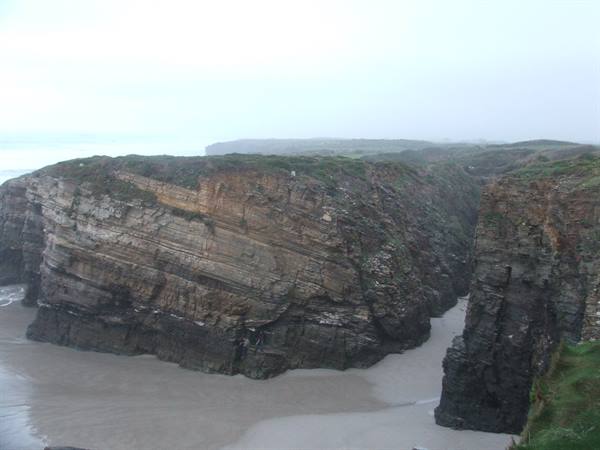
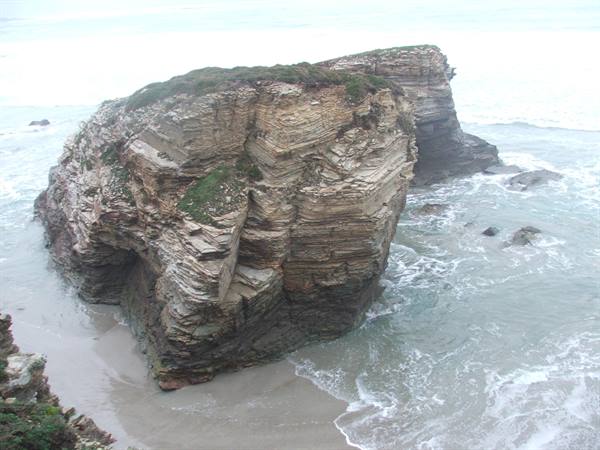
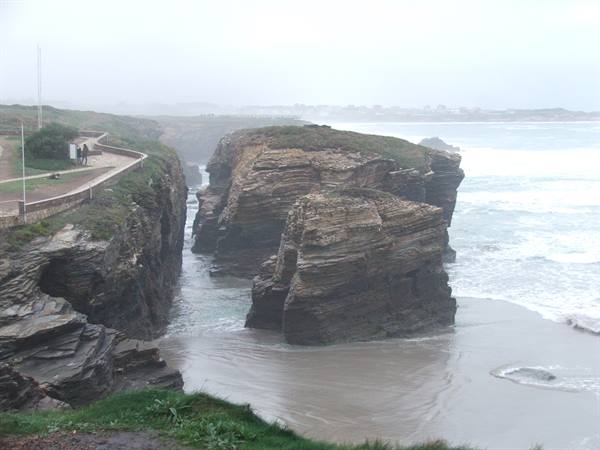
It should be said that when there is a highway, you only pay for a few stretches: the annoyance is that there are 120 limits, but the driving is good because even when there's more traffic, the drivers are courteous and not aggressive, and the landscape is varied. Every now and then you can also see the Picos de Europa range, around which we practically only circled, never getting close. The reason we chose the stop at Ribadeo, on the way back toward Santander, is that we wanted to see the tide phenomenon, in an area of beautiful beaches and cliffs, among which the one at As Catedrais culminates, that is, sea stacks that look like cathedrals. The hotel, El Pinar, located on the provincial road, is the least beautiful of all, but still nice and welcoming, with rooms in bright and different colors. We went to the beach at 5:30 p.m. (there the sun set after 6), in the evening at 10:30 p.m.
and the following morning at 9, before resuming the journey. The phenomenon was evident, but I would have hoped it would be more so: in those days, there was a one-meter difference between high and low tide; the previous week, thanks to the full moon, the difference was almost double! Anyway, here too the coast and cliffs, of a completely different type compared to those of the Costa da Morte, are spectacular and you never want to leave! And yet, we have to! The last night will be near Santillana del Mar, not far from Santander and, after several votes, we decide to see Oviedo quickly, and then try to visit the museum of the Cuevas de Altamira, which should close at 5.
The Costa da Morte, Galicia
Day 35 Jan 2012
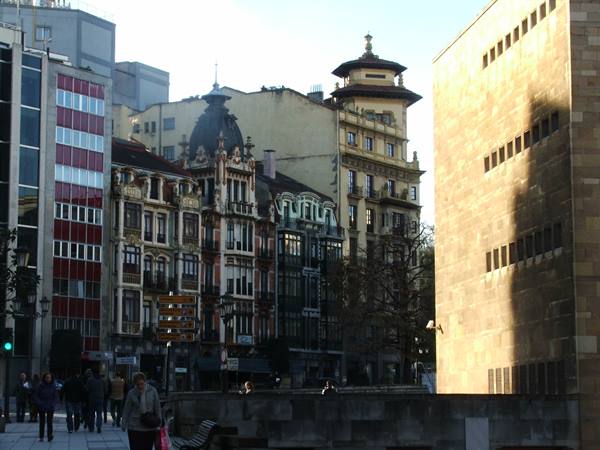
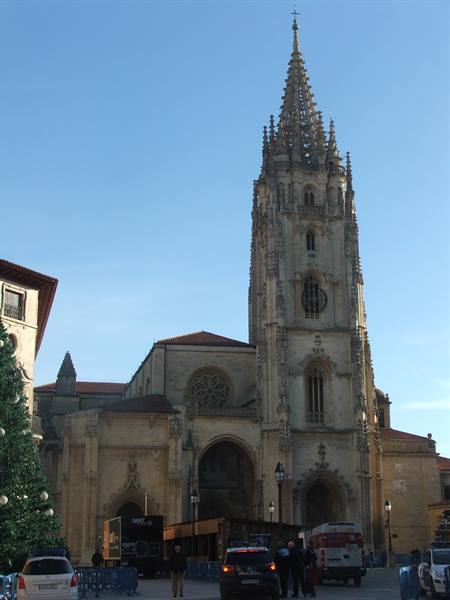
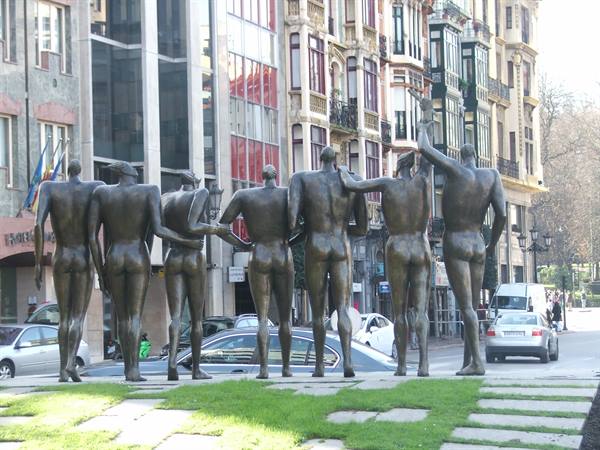
We manage to do everything, also because it's all beautiful highway, with cliffs constantly visible in the distance and passing over continuous and very high bridges that tower over the rias, that is, real fjords, but mostly without water. Oviedo seems to us a lively and pleasant city, its old center is not large and here too the main thing is another incredible Cathedral of mixed styles, with its Cloister and the museum housing some very precious relics. We have lunch, noting also from this that we are now in Cantabria: some foods are a bit different: same name as in Galicia, different dish. Then we set off to see the Altamira museum and especially the reproduction of the caves, where all those paintings dating back to the Magdalenian period, that is, 17,000 years ago, also known as the Sistine Chapel of prehistory, have been skillfully reproduced.
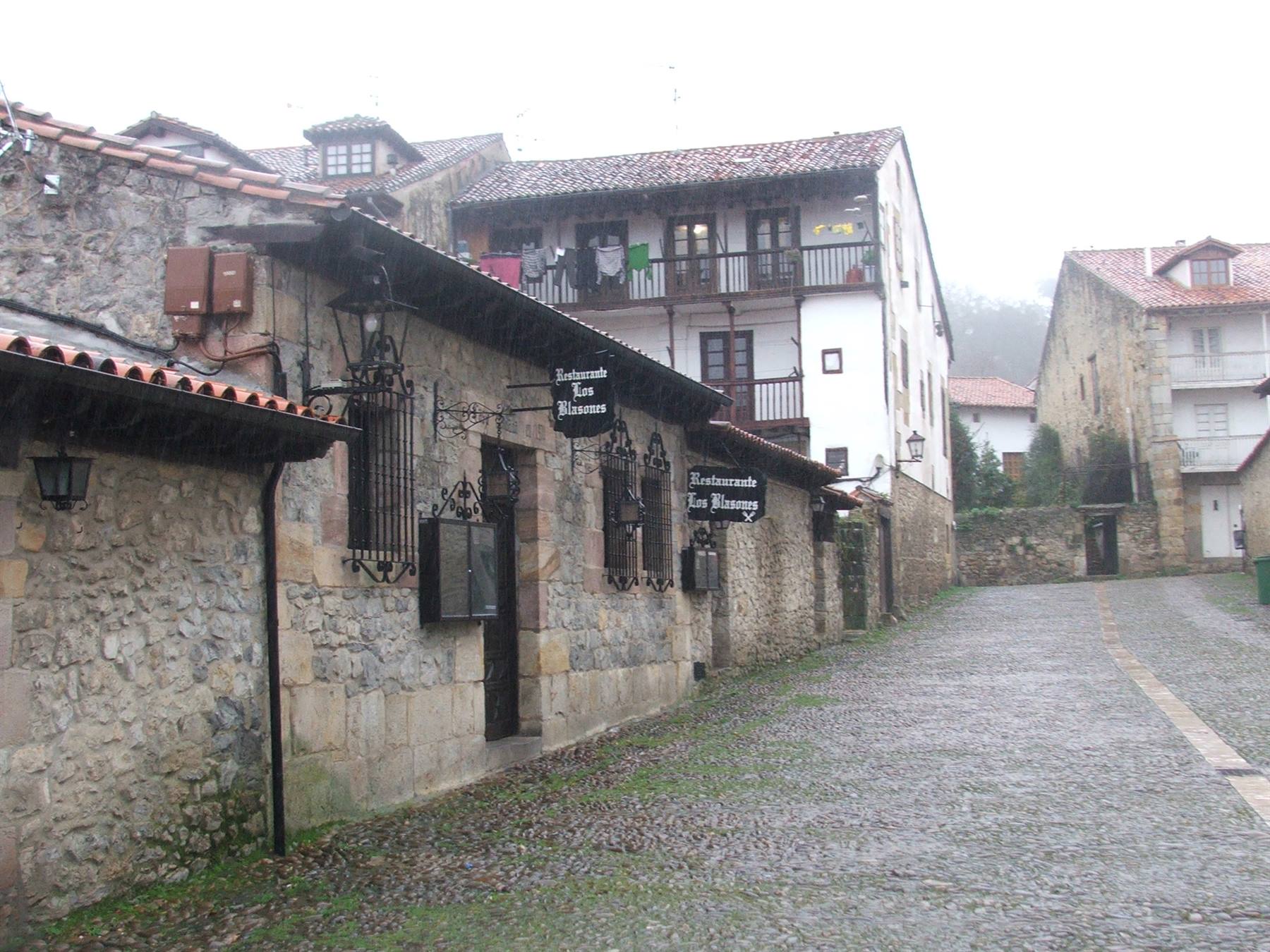
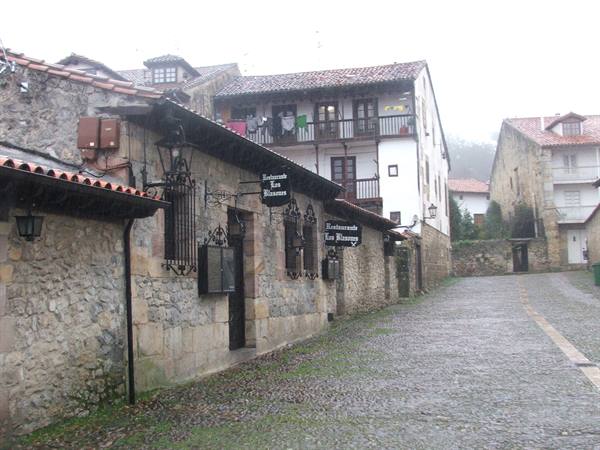
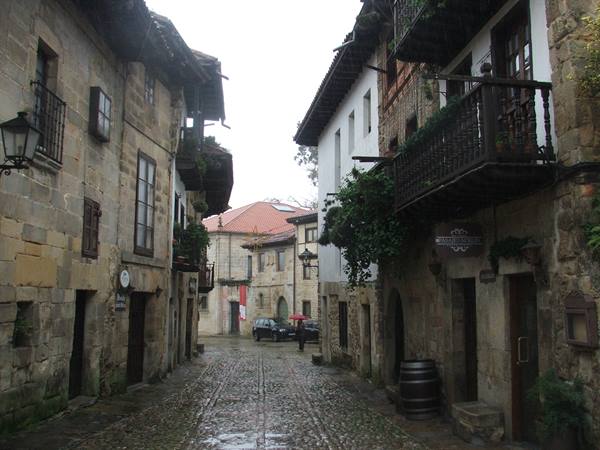
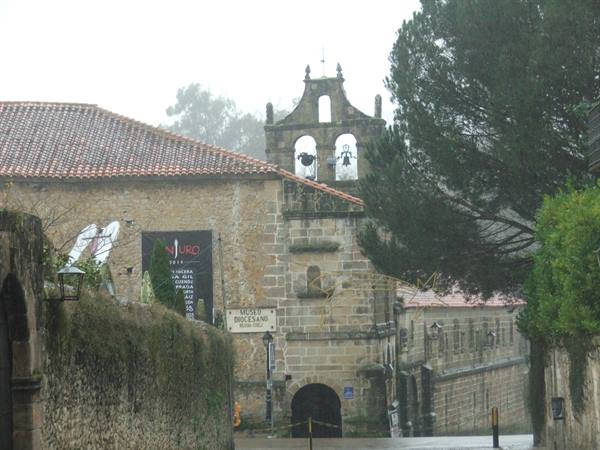
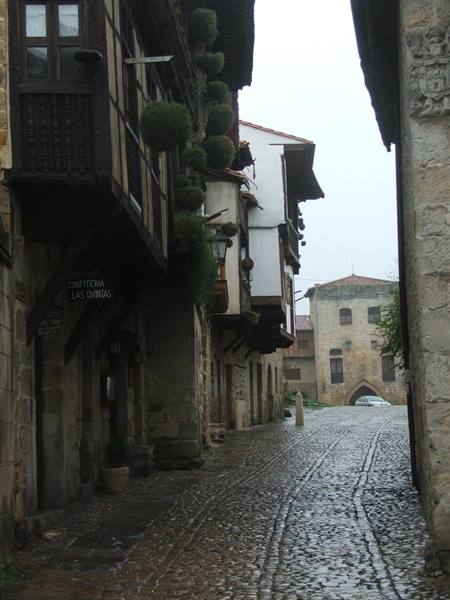
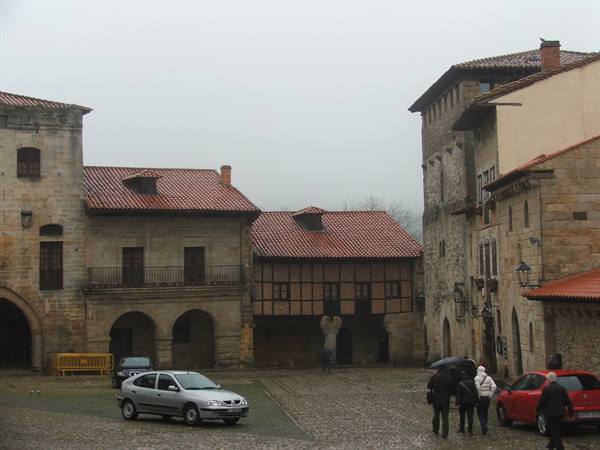
In the original caves only a few people enter at a time, booking years in advance, but this visit, from my point of view, was still something incredible. When we leave the museum, we cover the last very few kilometers to the very charming last hotel El Pinar in Villaframil. In the evening we will visit the beautiful village of Santillana del Mar and that of Comillas: in both we are lucky enough to witness very lively Christmas processions. The next morning, the last one, is the only one in which the weather is truly bad; overall we have been really lucky, considering that January should be the rainiest month of the year! We make another quick trip to Santillana, but everything is completely closed, today is Epiphany.
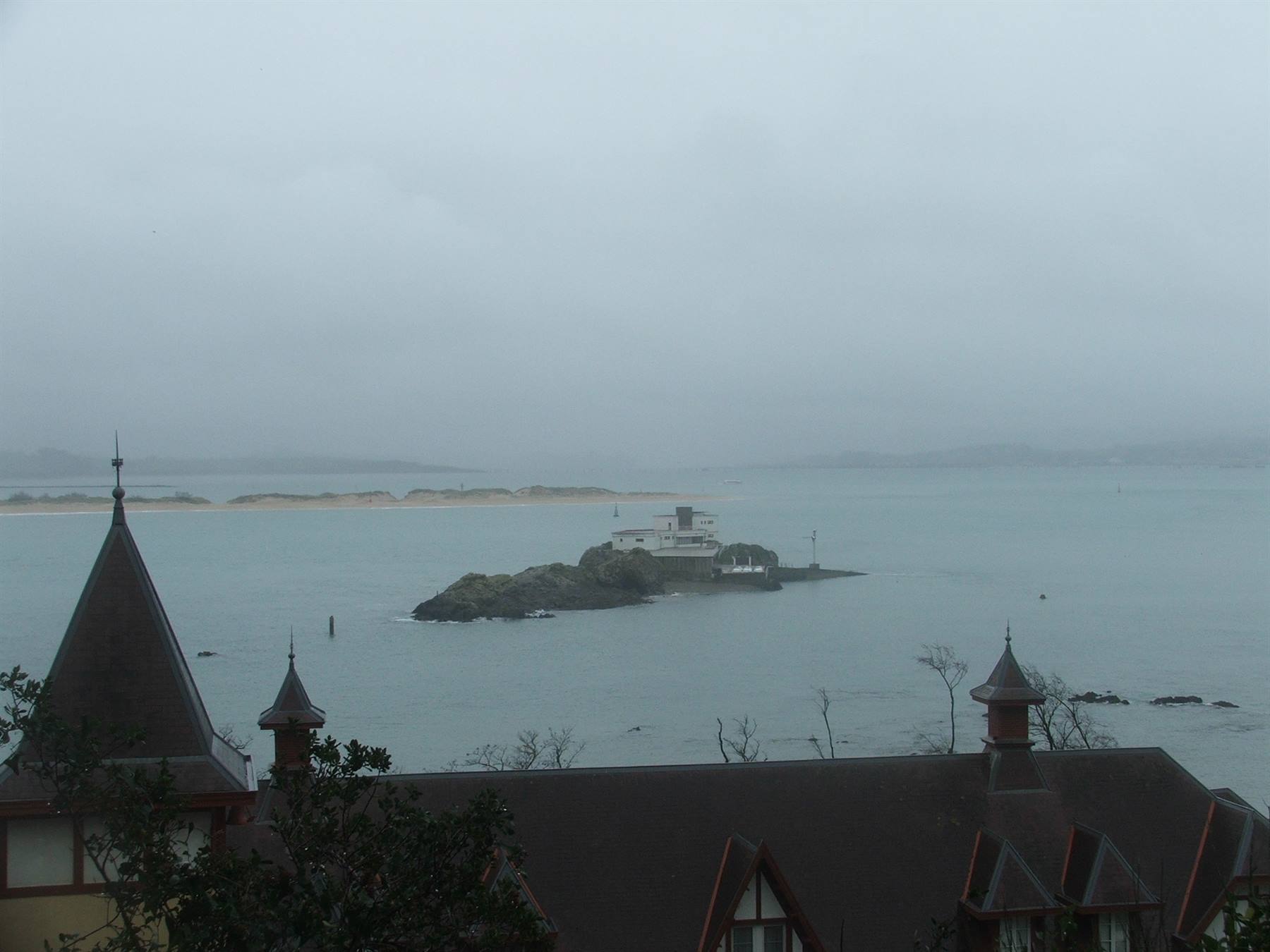
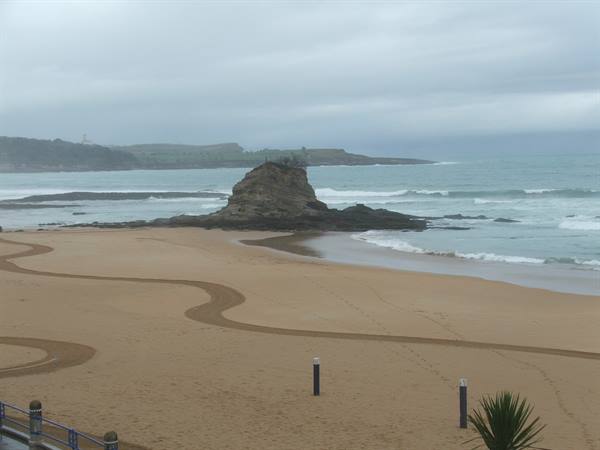
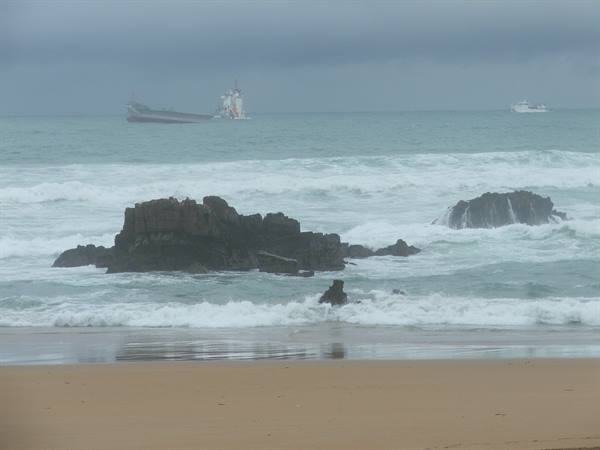
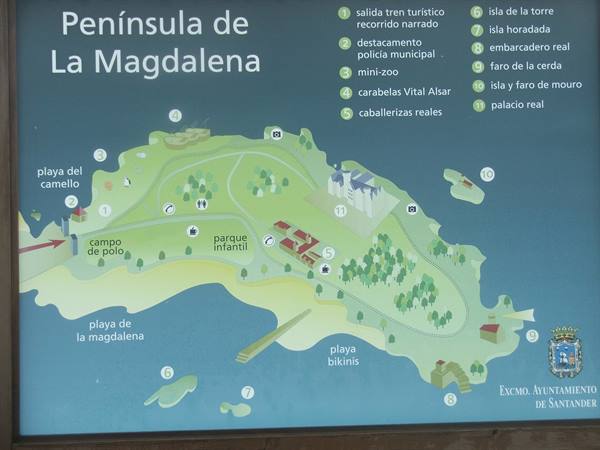
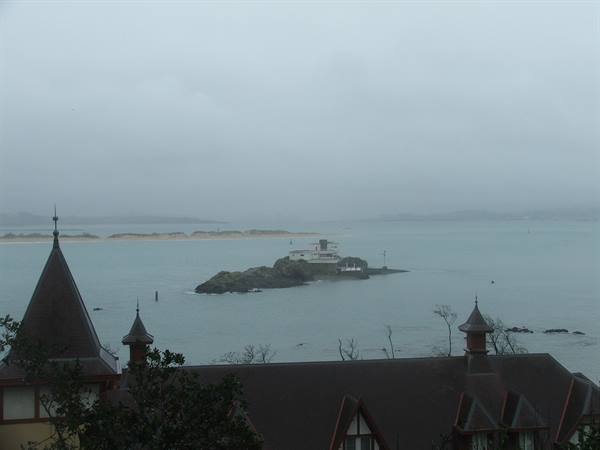
So, since we have to leave the car at one, and it's only 10, we take an unscheduled trip to Santander and notice that it's not bad at all! In particular, we take a walk on the beautiful Marinera peninsula.
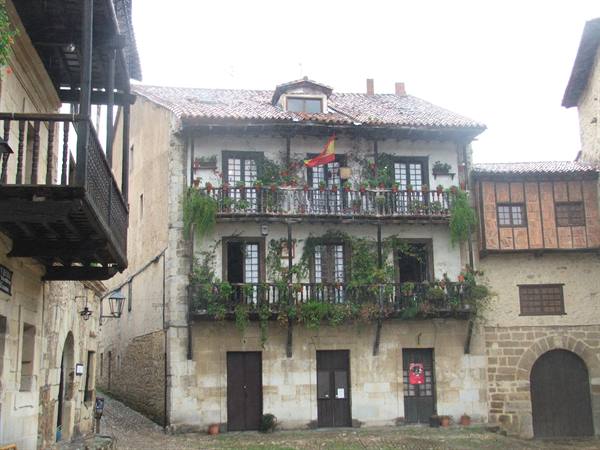
Santillana del Mar
Day 46 Jan 2012
We leave the car right on time and prepare ourselves for the usual wait at the airport. This part of Spain is beautiful, the people are friendly and extremely civil, and you wouldn't guess that this country is in a severe economic crisis; you don't see poverty among the citizens and everything seems to us very dynamic and very civilized. Anyway, the fundamental reason we liked this trip so much is because it was a good middle ground between rich culture and overwhelming, wild nature.
0 reader comments