The story
At the end of May I booked the EasyJet flight from Fiumicino to Belgrade for a weekend at the end of July. With €106 we went there and back, 2 of us. Considering that I am beating Europe flat, this time my choice of a new city on the continent was dictated by low prices and by the need to take in as much as possible in just 2 days. So, here we are in Serbia. Arrived at Belgrade airport, instead of changing money, we withdrew it directly with the debit card at an Alphabank counter, a formula already tested elsewhere and in my opinion more convenient. Then we headed outside, where we immediately found a shuttle that leaves every hour, costs 300 dinars each (€2.55) to be paid on board and makes 3 stops in the city, all relatively close to each other and of which the middle one is in front of the railway station.
Attention, the shuttle, as the word suggests in this case, is really small, so you have to hurry! It takes about 30 minutes to reach the centre. There apparently exists a bus number 72 that costs less and makes 1000 stops, but we did not spot it. A taxi costs about €15-20 and, although I had read that the illegal ones pester you, we, perhaps because we crossed the Hall with firmness and determination, encountered no intrusiveness at all! On the return, depending on the times of day, the shuttle also leaves every 20 minutes, but be careful, the timetables are posted exclusively at the first and last stop, which is at Slavija Square..and with a sign that is not even very well signposted in front of the Hotel Slavija.
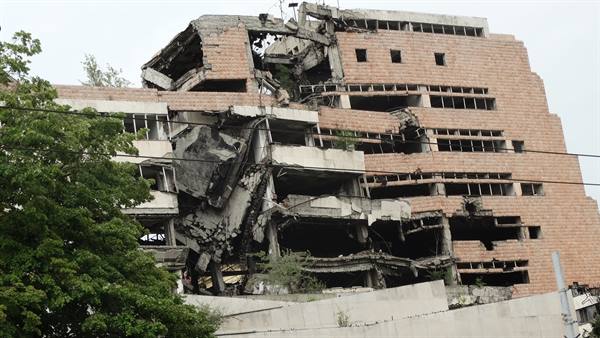
Arrived at the station we asked a boy for directions to the area of our hotel, who, with hindsight, perhaps pointed us the longest way, but whom I still thank, because this allowed us to pass in front of 2 buildings bombed by NATO in 1999 and left as they are, as a warning. I have seen bombed buildings, most recently in Beirut..but this is a different thing: it is as if someone had taken a bite out of a very precise, circumscribed point of the building, with all the 'shreds' of the structure hanging and apparently extremely dangerous. Welcome to Belgrade, a stone's throw from home, where all this was happening only 15 years ago! In about twenty minutes we arrive at the Rezime Civilization Hotel, in a side street off Knez Mihailova, the pedestrian street of the Centre.
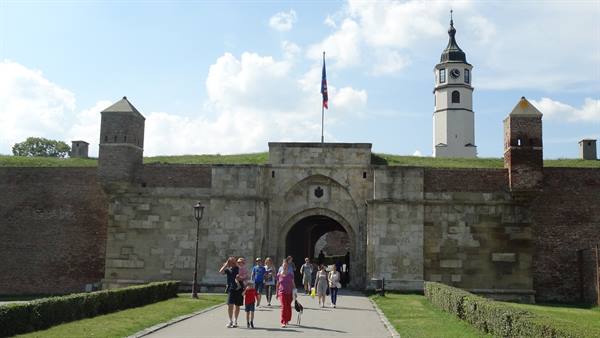
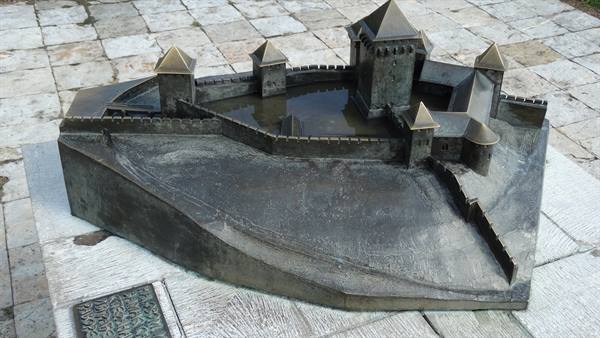
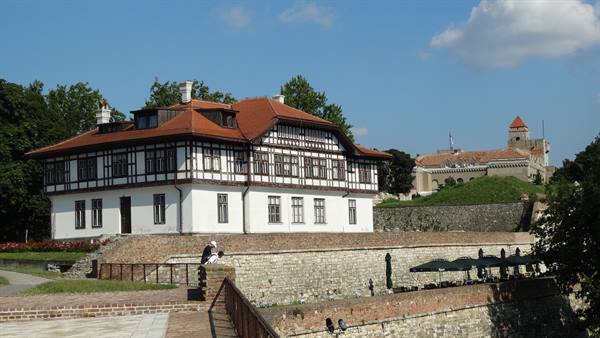
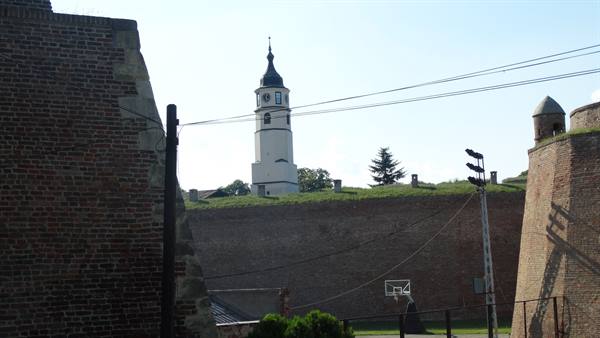
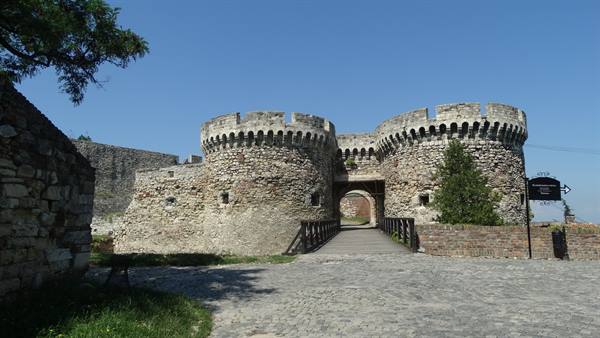
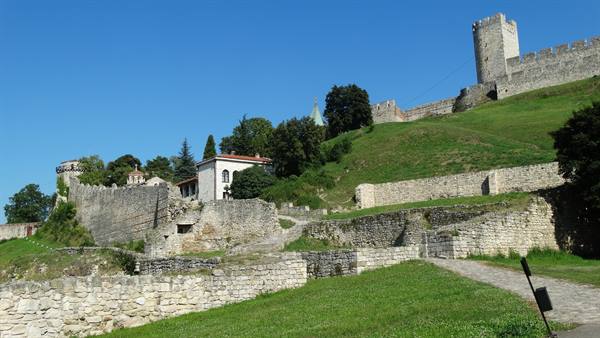
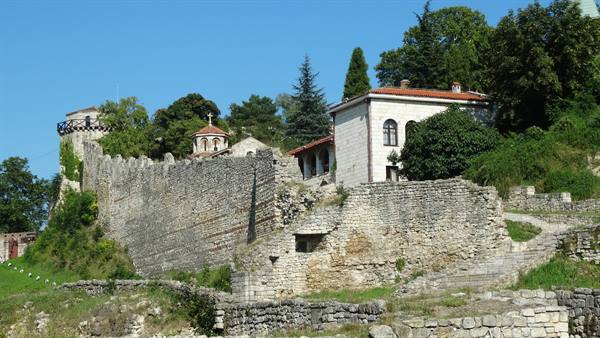
It is a nice little hotel booked on Booking, with young, helpful managers, a plentiful and varied breakfast and super quiet, despite being right in the centre. The bathroom is not brand new, but definitely clean. In short, I would go back. Generally speaking, everything is perfectly reachable on foot, but in the end you walk an awful lot! The central area has some landmarks: the Republic Square (Trg Republike), overlooked by the National Museum and the Theatre; Knez Mihailova, entirely pedestrian and packed with bars and little tables, players of every musical instrument, ancient and modern, and various little kiosks, and at its end the Fortress, perfectly set within the city's green lung, Kalemegdan Park.
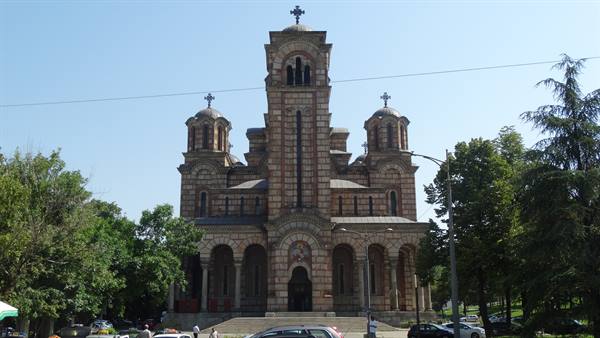
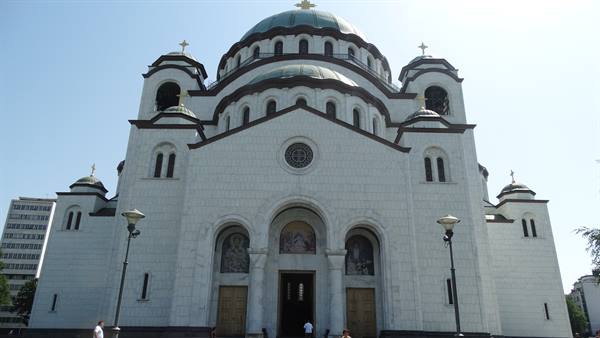
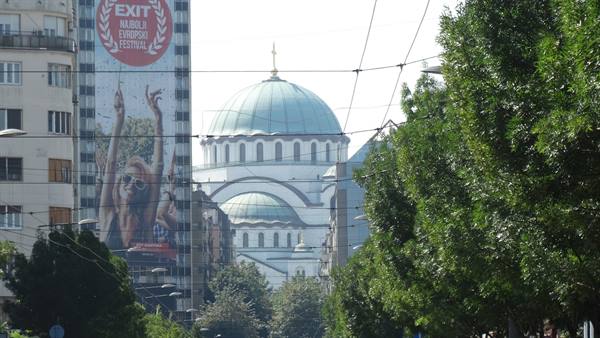
At the various edges of this area, at different distances and directions, there are the Ethnographic Museum and the Museum of Frescoes; the Princess Ljubica's Residence and the Orthodox Cathedral; the famous street considered bohemian, Skadarska; the 2 little churches of St Petka and Ruzica; the characteristic Zeleni Venac market and finally the two grandiose churches of St Mark and above all St Sava.
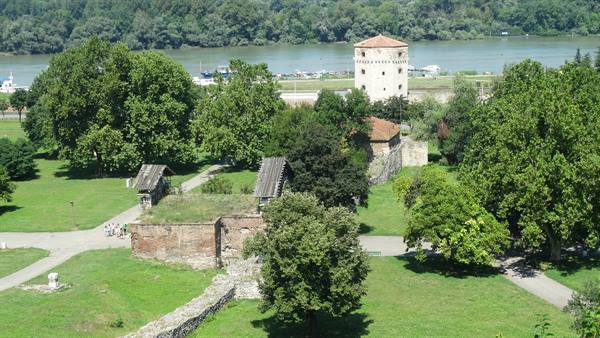
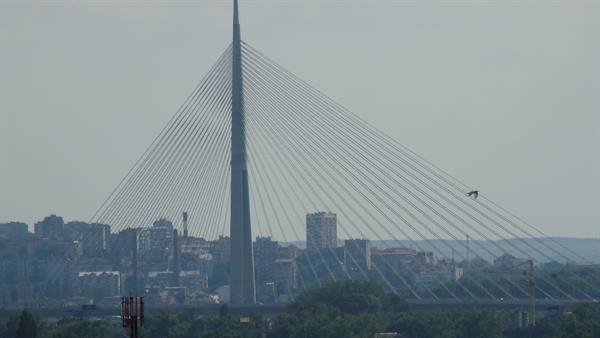
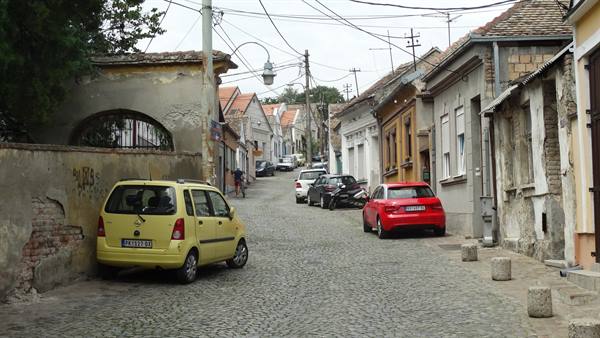
In short, there are things to see in 2 days, but above all Belgrade is a city to be lived, young, dynamic, full of well-kept parks and gardens, to ride by bike which you can rent along the riverfront, even though in reality it has a very peculiar position, because it leans literally on the confluence of the Sava into the Danube and is built on their various banks! I saw many contrasts there: lots of cleanliness and order and just as many truly dirty and smelly corners; apparently not great wealth, but cars of every price and bar tables always full; beautiful little buildings in Austro-Hungarian style next to concrete blocks; inner courtyards overlooked by unsuspected low houses with sloping roofs, surrounded and hidden by ordinary big city buildings.
Fashion is not globalised (how wonderful!) and the percentage of good-looking boys and girls is monstrously high! The museums offer little for the standard of an Italian, but they are touching for this reason, because they remind you that this is a country that was at war until a few years ago and still has a long way to go to return to an evidently fuller normality. In particular..the National Museum, housed in a grand Austro-Hungarian style building, has only one room open! Skadarska, on the other hand, we did not like, because in the end it 'comes down' to 500 metres of a street still covered with (very uncomfortable and run-down) cobblestones, lined with hyper-touristy venues, with 'promoters' pulling you from all sides.
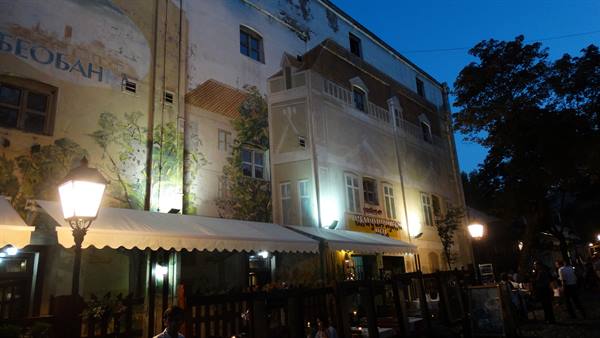
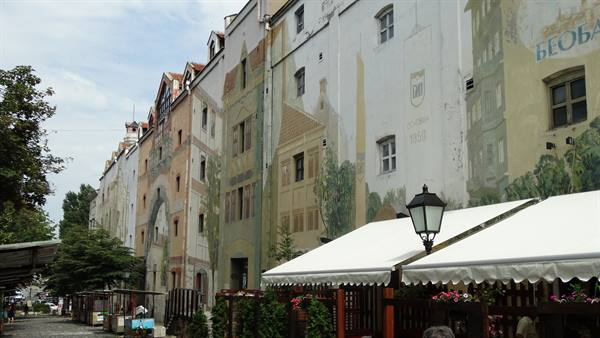
The only good thing is that the façades of the buildings located in the lower part are all covered with a sort of mural always depicting buildings and houses, which give a sometimes very different perspective. Zemun was also a total disappointment. It is a (former) village with low houses and sloping roofs that after the Second World War was completely absorbed into the construction of Novi Beograd. You get there with many buses from the Zeleni Venac market stop, but we took the 84.
Between the fact that they made us get off at a stop much later than where we should have, that it took us a while to arrive, that it was unclear what one was supposed to look for to see, that the place was extremely dirty and did not offer those incredible views and that the much-celebrated Gardos Tower was in an equally run-down and smelly square, in short, really negative! Fine, the war, but here another kind of squalor prevailed. The food did not particularly satisfy me either, offering above all meat and I do not like it at all! The typical vegetable dish is the Serbian salad, which essentially is Greek salad...without Feta. The river fish was very good, which we ate on a barge on the Sava, and some creamy and non-creamy cheeses were good too.
Very tasty are the little savoury pastries with various fillings that were served to us even at breakfast and that you could buy around in the numerous pekara, that is bakeries. A last word I would like to devote to the observance of the faithful of the Orthodox Church, a phenomenon already observed in Greece, but forgotten. They enter the church at all hours, they walk through it without there apparently being any areas forbidden to them. They isolate themselves in prayer, but regardless of age and sex, they are all, but all, without distinction, UNITED in it. Beautiful.
The journey's photographs
19 photographs · click to open them full screen
0 reader comments