Mar Nero e Valacchia
The time has come for the sea and rest after thousands of kilometers. In a short time we arrive at Constanta, the great Romanian port and second city of the country. Right before arriving downtown you pass through MAMAIA, Romania's number one beach, with many hotels, nightclubs and infrastructure of every kind for bathers' entertainment. Although it is Sunday on the enormous beach, very long and very wide, with yellowish sand and rather windy, there are few people. We decide it is not our place and continue toward downtown Constanta. It's Sunday and there is little traffic; we get lost driving along various streets looking for the historic center. We arrive on an insignificant street and asking a young man we learn that we are a step away from the square with the statue of Ovid, a native of the place. The square is rather ugly and so is the surroundings.
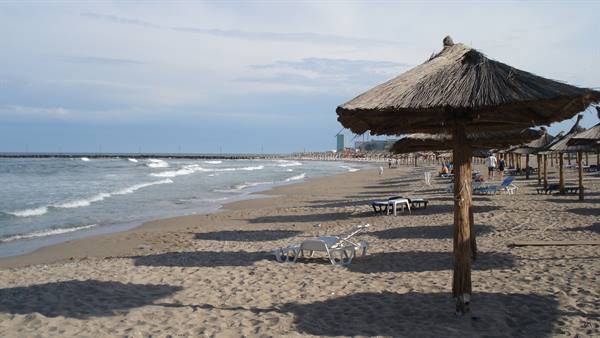
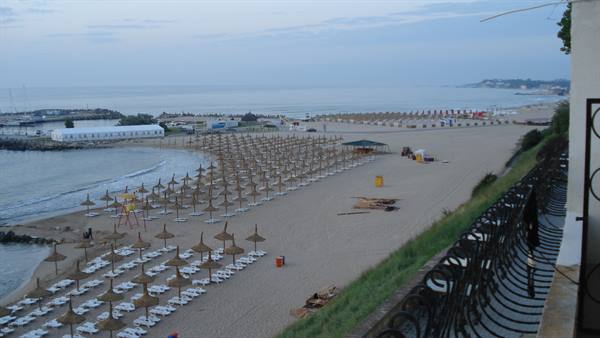
Nearby there is a street from the top of which you can see the sea, rather ugly bathing establishments and port infrastructure. We look for the modern center but we are tired, nervous and after a few kilometers of various central streets with some gardens and park we decide to leave south in search of better. We pass through Euforie Nord and Sud a few kilometers from Constanta but we skip them promising ourselves to visit them on the way back. We arrive at COSTINESTI, a seaside resort frequented especially by young people, full of nightclubs, pubs and many little shops, bars and small restaurants where we refresh ourselves with pizza and excellent apple strudel. The beach is cute, but small, flat, with straw umbrellas. We continue further and visit a series of satellite towns with planet names: Olimp, Neptun, Saturn, Cap Aurora, Venus.
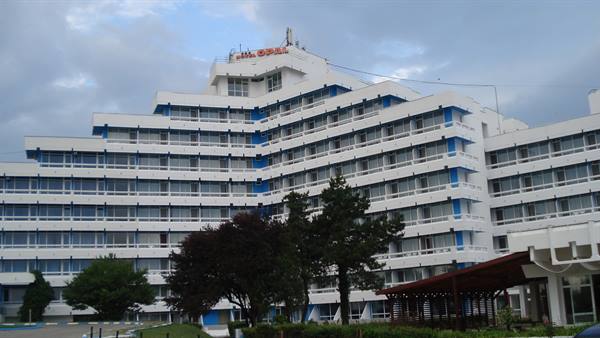
These resorts were created by the communist regime and hosted for decades the lucky Romanian tourists but also thousands of tourists looking for low prices. There are simple large hotels with the classic simple and unimaginative communist structure and with prices around 20 euros per room, quite a bit of greenery, fairly well-kept beaches and other modern Acapulco-style large hotels with amusement parks, little trains for excursions by lazy bathers, though the whole thing gives the impression of still being at the beginning or out of season. There are few tourists, many roads being redone and not convinced we continue further. We arrive at MANGALIA, the second great Romanian port, with a large commercial port with enormous cranes, a military port of the Romanian navy with some ships and a barracks next to it. The beach is big but we don't like it and so we continue further.
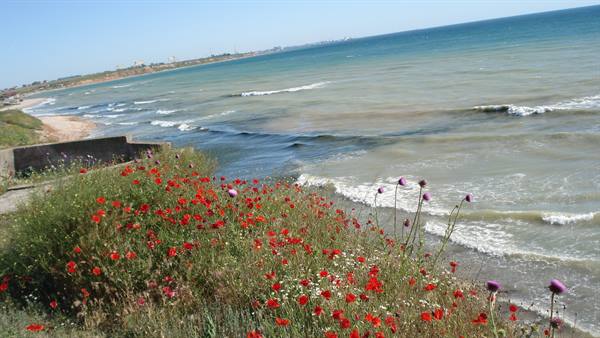
Finally we arrive at the right place: VAMA VECHE and one could not go further because a couple of km after there is the border with Bulgaria. Vama Veche means Old Customs. The beach is arched with small hotels and little restaurants. There are many wooden buildings, but we find accommodation in a very strange and original hotel in Greek, Tunisian or Spanish style. The white façade is adorned with colored ceramics that recall the great Barcelona architect Gaudì. Inside there is a beautiful courtyard with garden and pool. The rooms are simple but dignified. We go to dinner in the restaurant owned by the hotel that overlooks the beach and stretches out into the sea, so you eat with the sea below you and a beautiful sunset that however in Romania is not over the sea but inland. We have our first big feast of fish which will continue in the following days.
Here people eat calamari, fried sardines and then catfish and the dorata, a kind of local sea bream, very good. The white wine too, feteasca regale in particular, is good; you can choose dry and semi-dry or sweet and after a few glasses it gives a pleasant intoxication that goes well with the...sea breeze. Vama Veche in the 50s-60s-70s was the Romanian Capalbio with many politicians who came on vacation. Then it became bohemian with many artists and today it has found a new placement: young clubbers and hippies who come here from all over the country especially on August 10 when a famous disc jockey festival is celebrated there and the beach is invaded by 30,000 wild young people in nights of dancing, partying and lots of beer. We look for the village but it







0 reader comments