The story
Holidays in Portugal
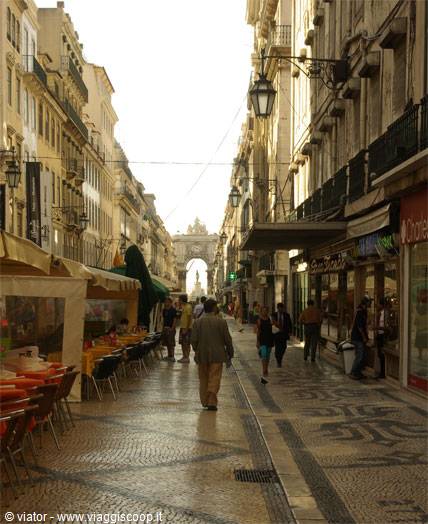
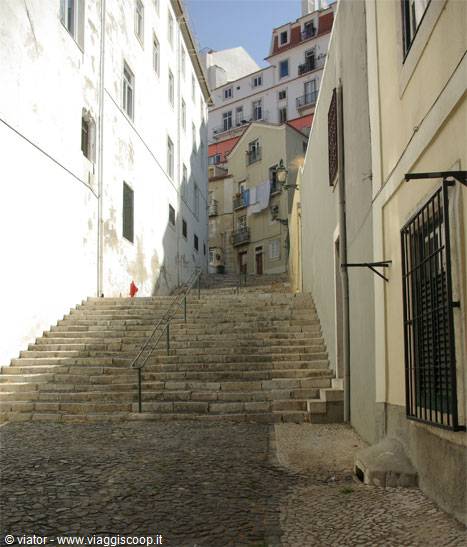
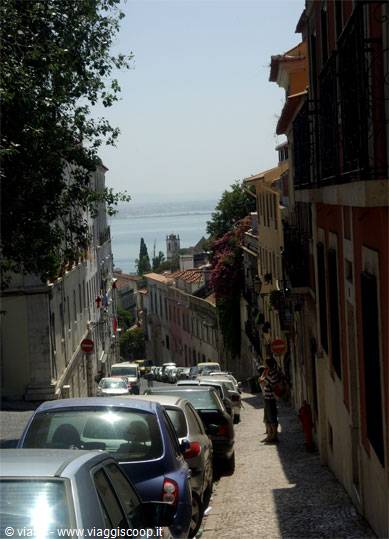
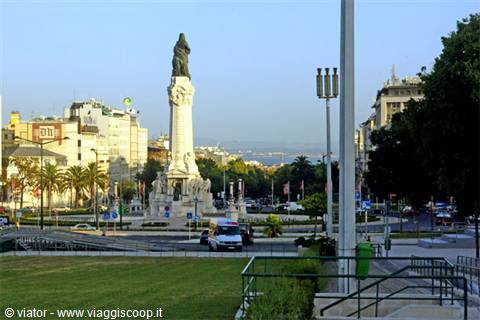
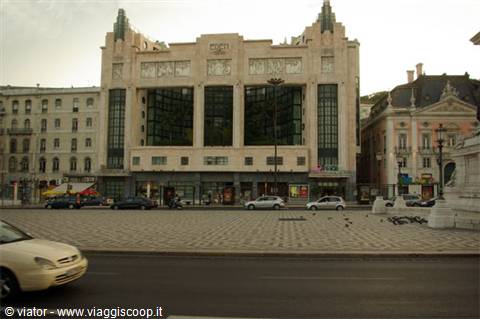
On 26 August my wife and I take off, from Rome to Lisbon. I'd heard a lot about the Portuguese capital from those who had visited it, stirring no small curiosity in me. As when, watching a film based on a novel you've read, you're surprised by how different the actors' features are from the image you'd formed of the characters, so I'm surprised already looking from the plane's window, on landing, as it dips between the houses, and even more as we move along on the bus towards the centre, at how different the city's features are from how I'd imagined them. Wide avenues lined with modern buildings, which as you go along become here and there monumental. Only when, starting from the central axis, you climb the slopes, between which the fabric and architecture flow like a river, do they become more vernacular, though interspersed with monumental complexes.
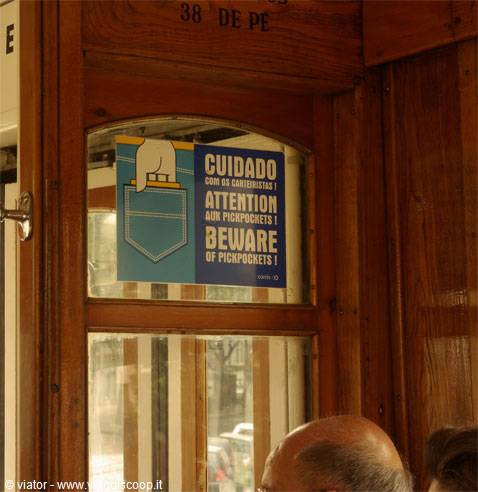
We're surprised to find many abandoned buildings, with barred doors and windows with broken panes, a phenomenon present in the other cities we'll visit too. We take lodgings in a small hotel on the Traversa da Gloria right in the centre; from there the exploration begins. We like to enter into the fabric of cities, mingling with their inhabitants, neglecting, perhaps, some monument or museum. The people seem very cordial to us. Many of the inhabitants are black, probably mainly from the former colonies, and as far as we can see, perfectly integrated. Drivers, who drive fast, without overdoing it, in the city, are nonetheless respectful of the pedestrian crossing at the stripes — even more, perhaps I exaggerate, than Londoners. The standard of living seems quite high, but there's no shortage of beggars. On public transport there are signs warning against pickpockets.
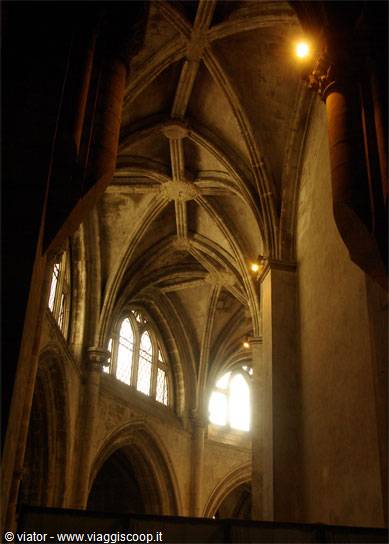
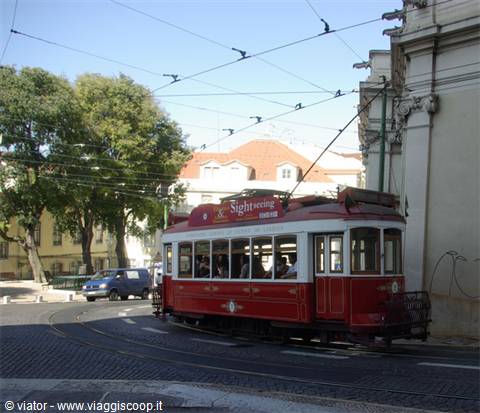
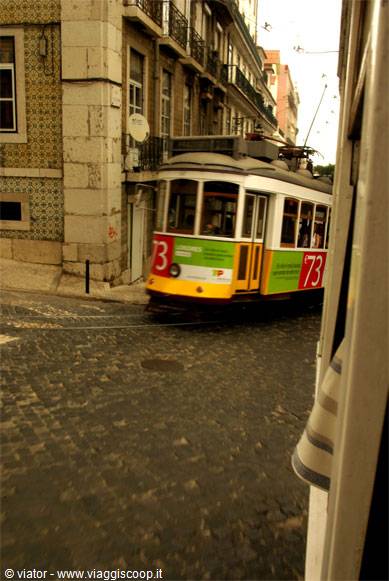
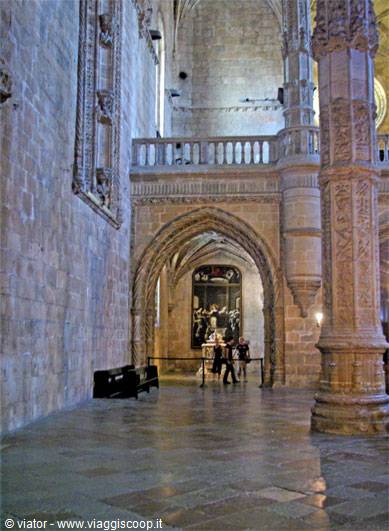
Several people, noticing my Pentax reflex, warned me not to show it, to avoid snatchings, a warning that seemed excessive to me. Portuguese, if you read it, you understand about seventy per cent, but spoken quickly, as they do, it's absolutely, at least for us, incomprehensible. Our movements in Lisbon are mostly on foot, sometimes, for short stretches, by public transport, very efficient and decent. We don't miss the chance to follow, on old restored trams, the long routes of the famous lines 25 and 28, which go deep into the dense web of historic streets, sometimes very narrow and winding. We visit many monuments and churches of good architecture and decoration.
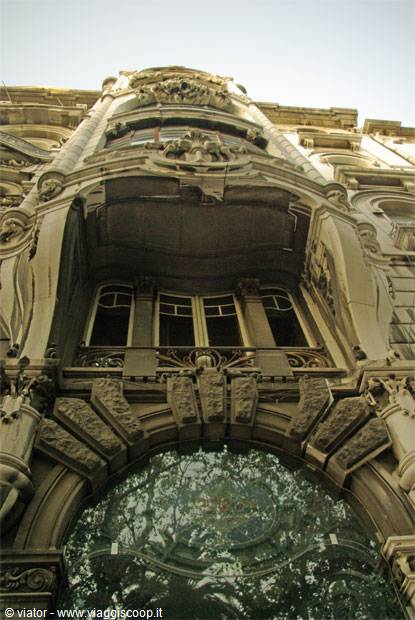
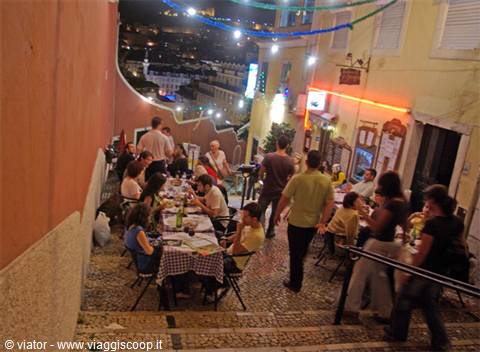
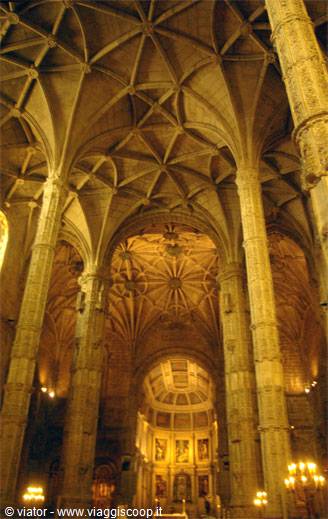
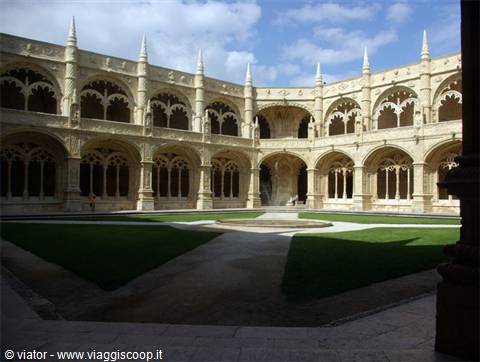
The architecture of the past, often very fine, is, in my view, partly spoilt by excesses of decoration in the Manueline styles and their offshoots, which sometimes seem, in extreme cases, an anticipation of the Disneyland style. For our meals, by day to make the most of the precious holiday time, we manage with sandwiches; in the evening we mostly dine in a pleasant trattoria, frequented mainly by locals, on Rua Aurea, where you can choose from a limited menu but of straightforward fish or meat dishes with sides, all at a price, wine and water included, that back home would get you a pizza at most. Here as almost everywhere in the places visited, the portions are pantagruelian. Portuguese cuisine, according to our limited experience, doesn't shine for variety and imagination.
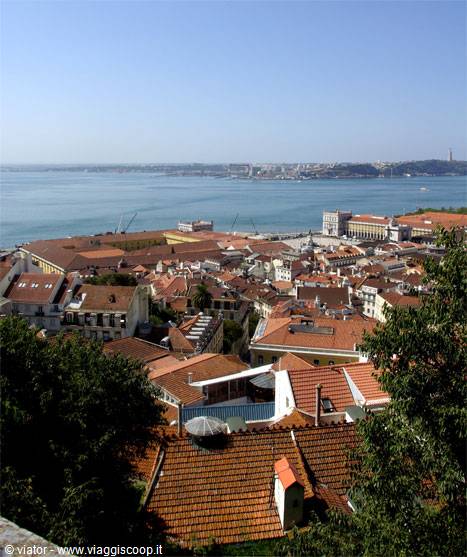
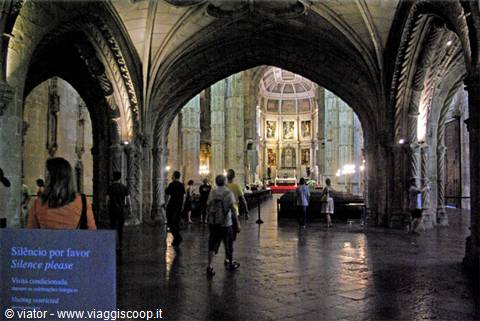
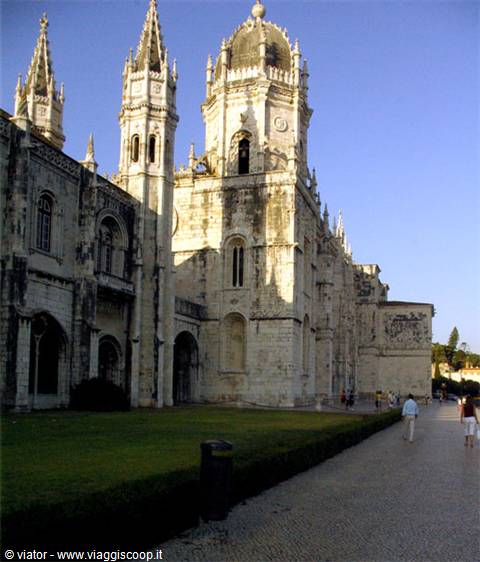
As for prices they're always more than reasonable; a little care is advisable with the final bill in certain places frequented mainly by tourists. In Rua Portas De Santo Antão, renowned for its restaurants, at the worst, as a maximum cost, we had to pay, for two, fish casseroles, wine and water, a bill of €50 which to us, forgetful of prices back home, seemed expensive, also because the quality, beyond the staging, didn't seem excellent to us. One thing that surprised us is how little Lisbon's life involves the Tagus river, except for transport and industrial reasons; the great river is mostly separated by traffic routes and an underground railway running along its banks. Starting from the Capital, we push out into the surroundings, towards the west. We visit Belém, actually a district at the western end, rich in monuments.
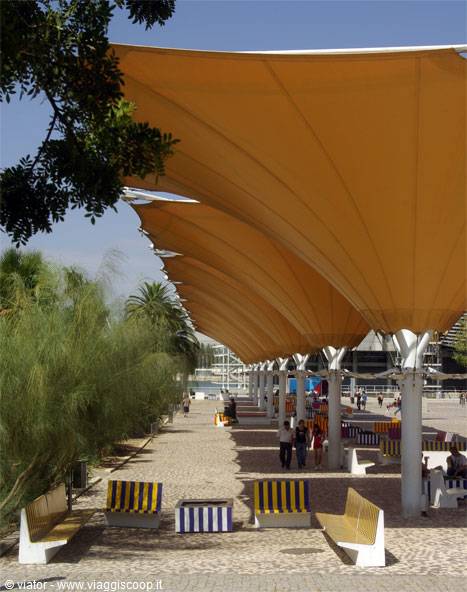
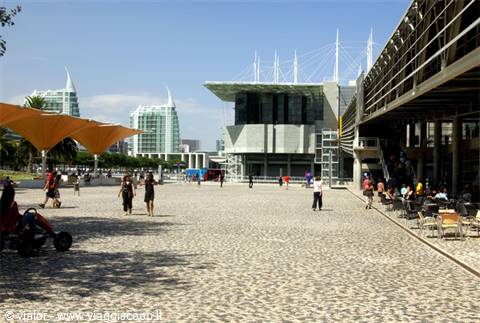
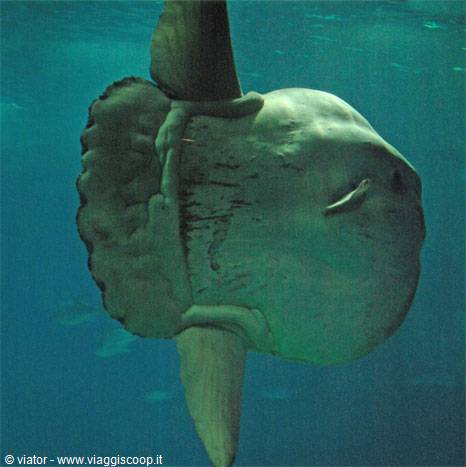
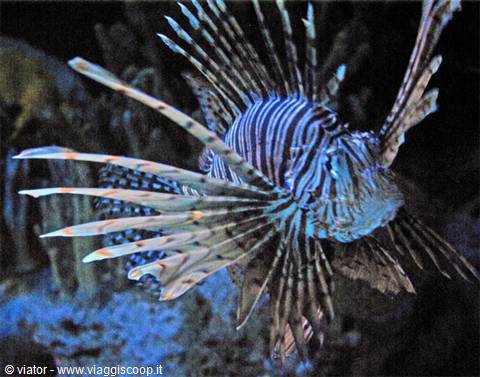
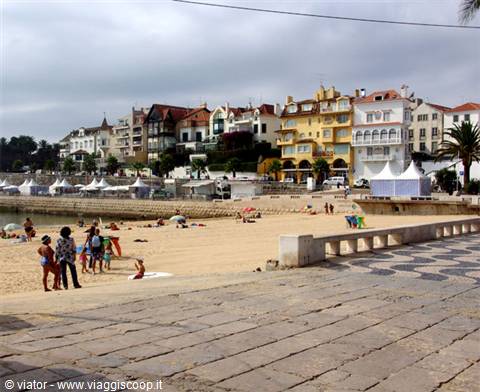
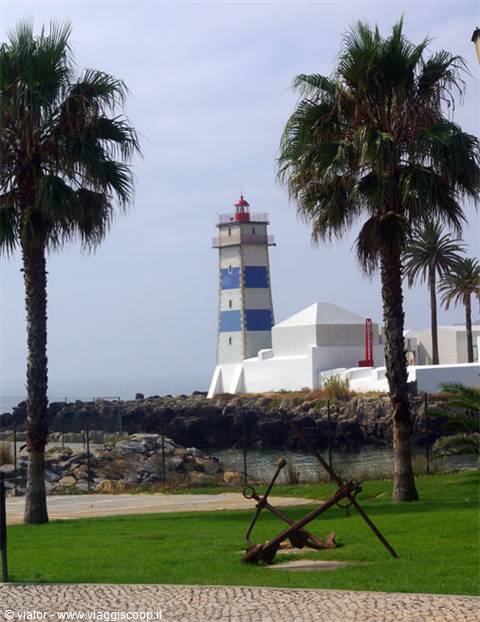
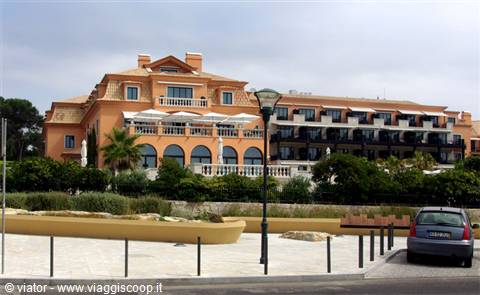
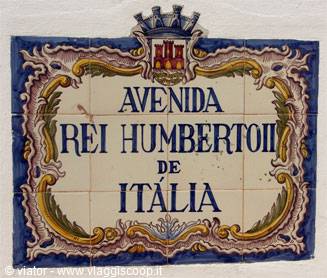
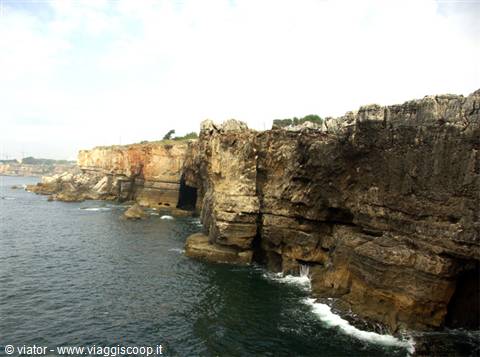
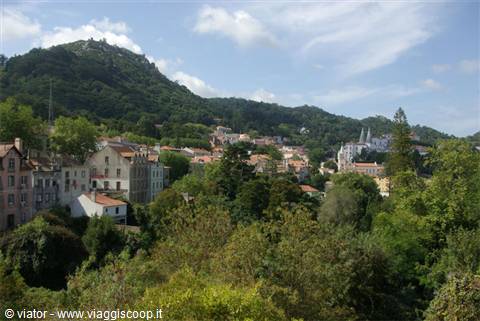
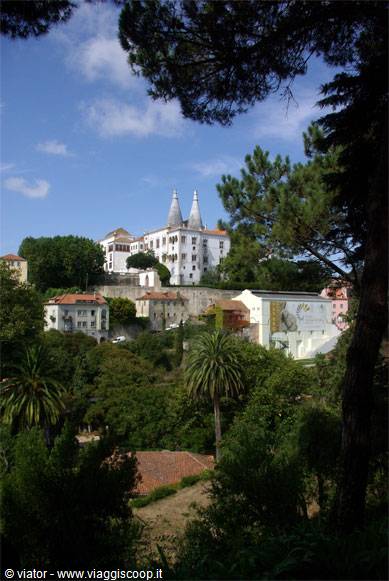
The next day we reach Estoril and Cascais, connected by an efficient surface metro line, which runs through an extensive, almost continuous urbanisation. From Cascais, which doesn't thrill us at all, we go part on foot, part on bicycles provided by the administration, along the pleasant, mostly high and rocky coast. Just out of Cascais we notice the home-in-exile of Umberto of Savoy, turned into a pretentious hotel; the coastal road is named after "Rei Humberto II de Italia". We end our coastal itinerary repelled by a place of intensive urban type: Guincho, if I'm not mistaken. Sintra, also connected by a metro crossing extensive urbanisations, we like much more, in a hilly setting rich in greenery and monuments. North-west of Lisbon we reach the Parque De Las Naciones, once the site of the 1998 Lisbon exposition, where we visit the splendid Oceanarium.
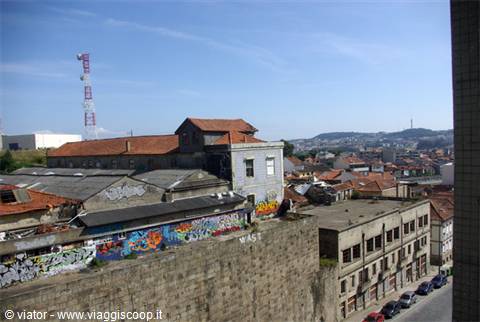
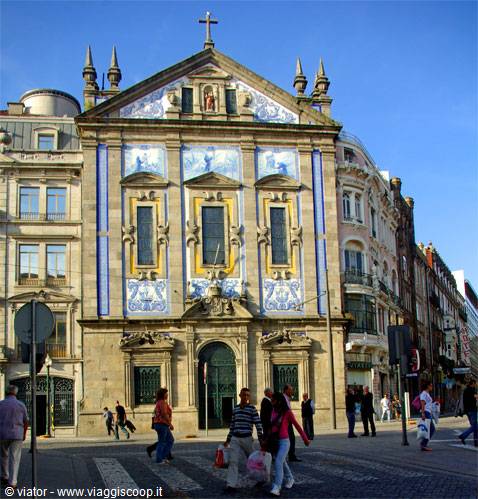
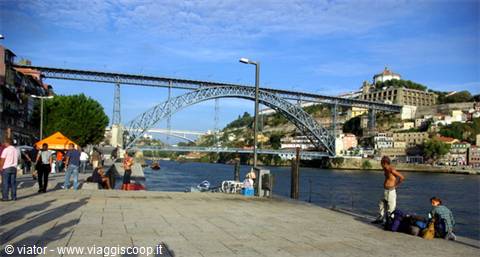
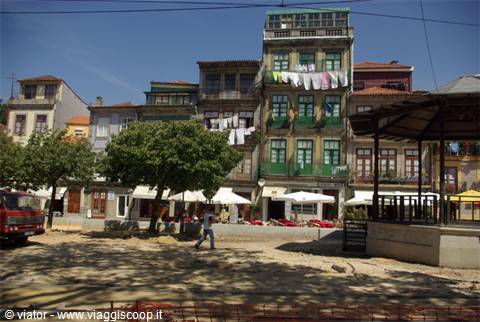
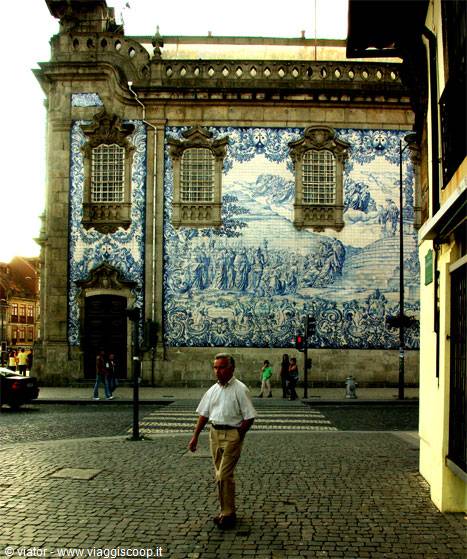
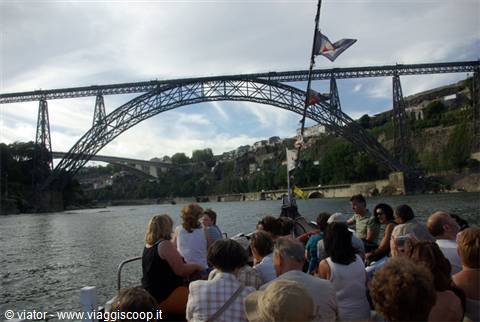
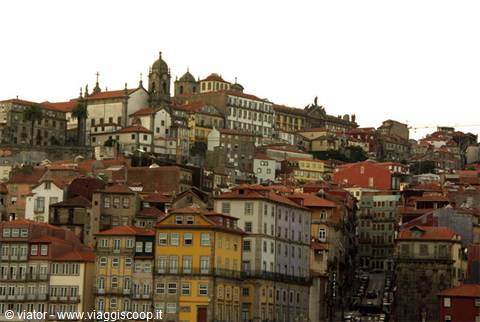
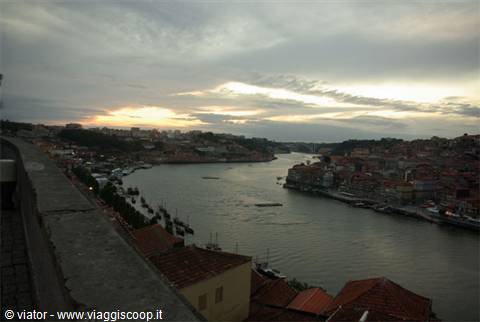
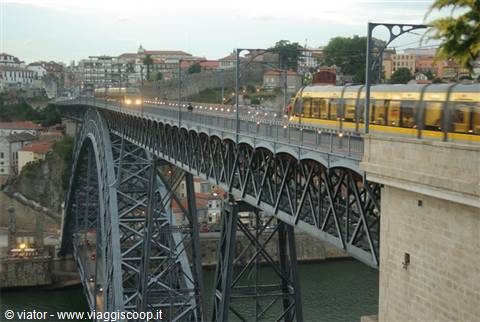
We leave Lisbon for Porto, which we reach by a train of the very efficient Portuguese railways. The journey lets us observe the landscape, which from what we can see is rather uniform, made up of a succession of largely wooded hills with no particular features, with frequent settlements. The city of Porto has little to envy Lisbon: smaller, but more characterised by the morphology of the setting in which it stands. Here too there's an important river, the Douro, smaller than the Tagus, but around its course much of the city's life unfolds. In Porto too we notice, in contrast to no small amount of building work, the presence of many abandoned and crumbling buildings; an example appears from the window of the excellent and convenient hotel where we stay on Avenida F. de Magalhães.
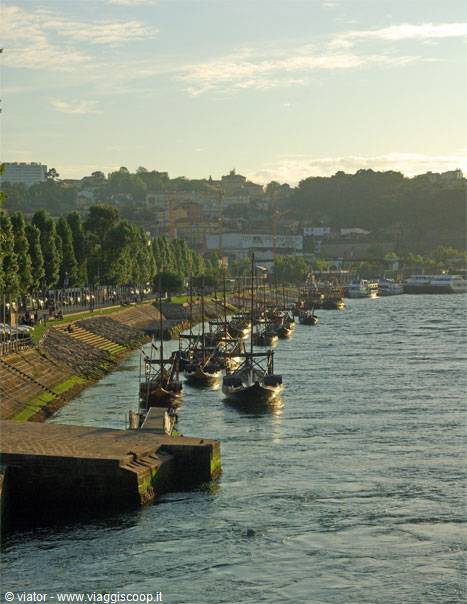
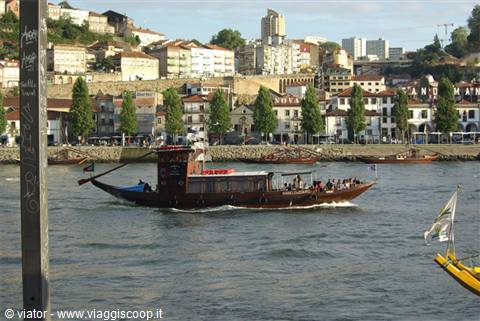
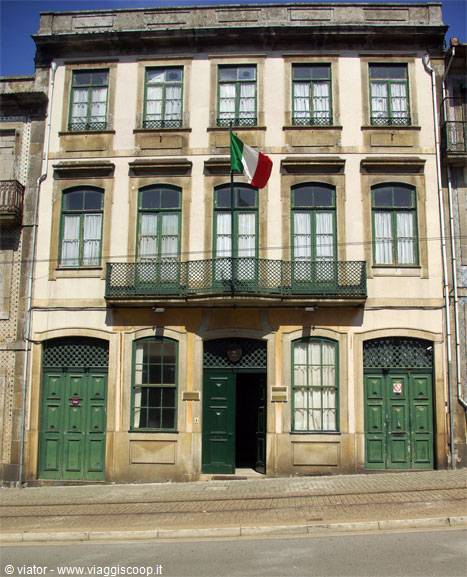
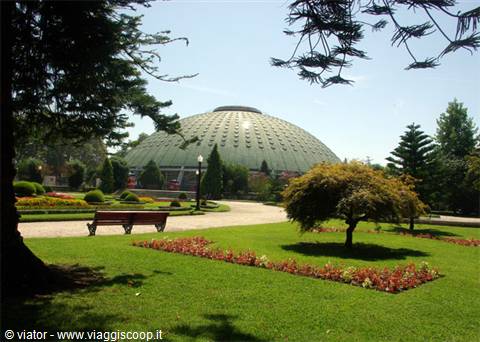
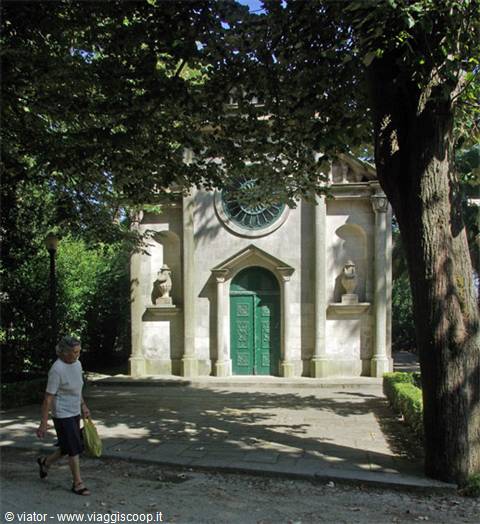
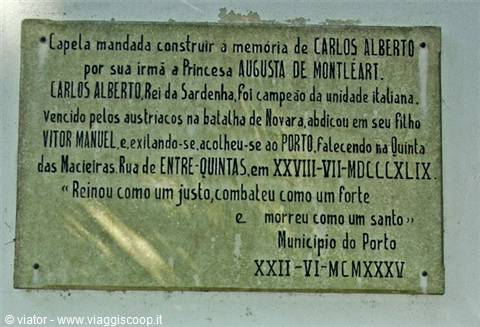
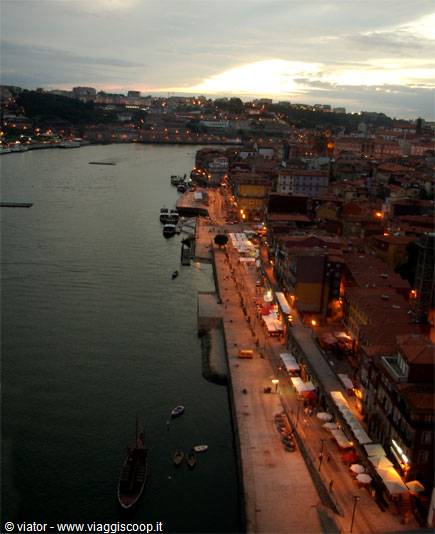
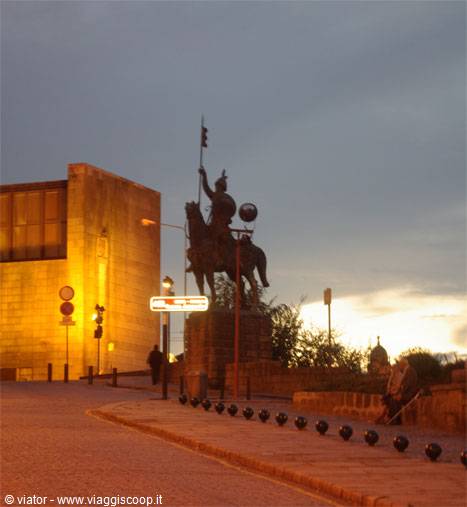
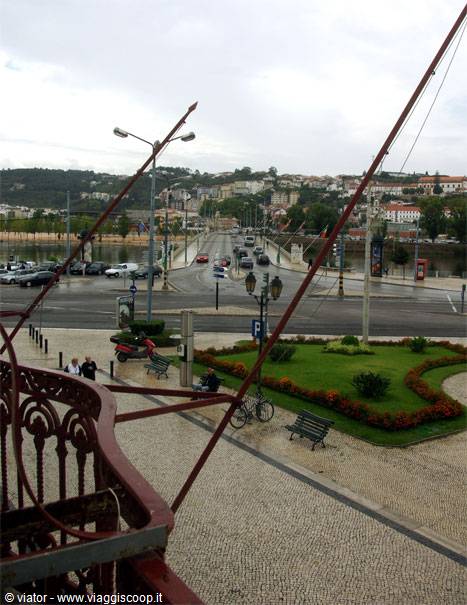
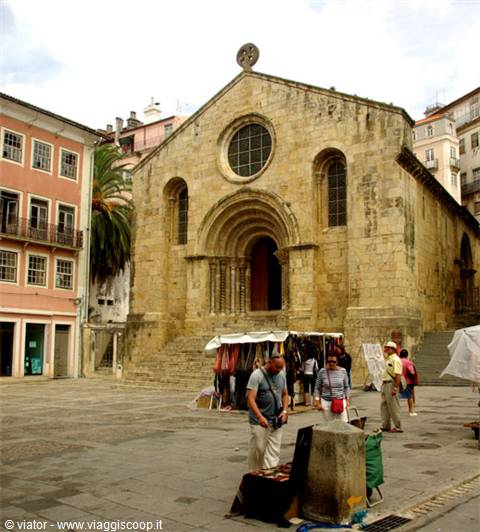
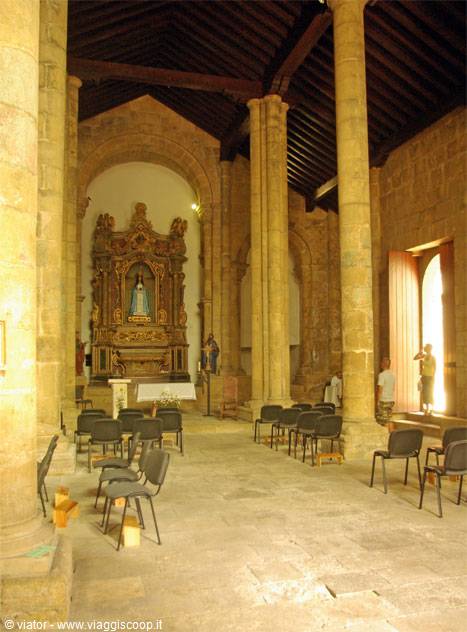
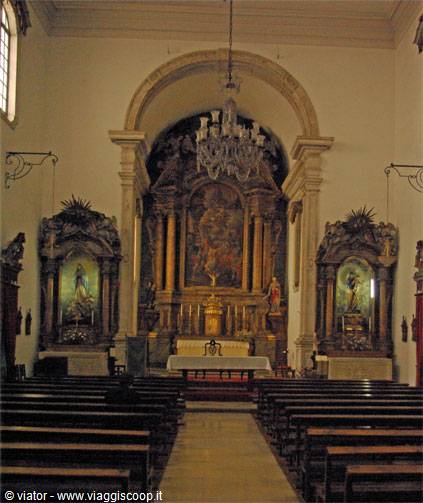
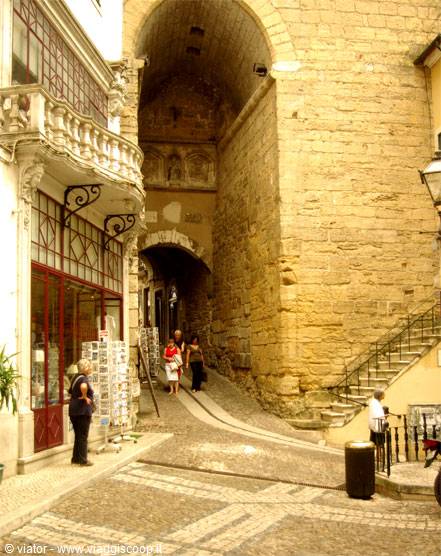
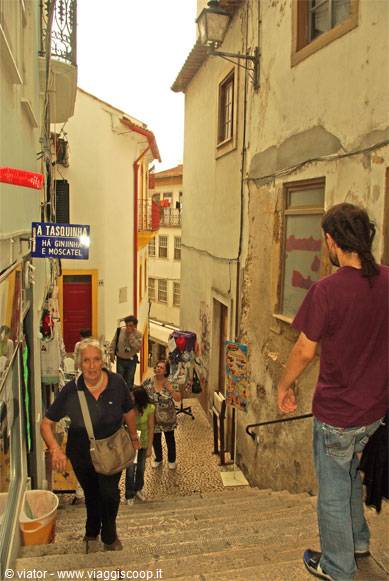
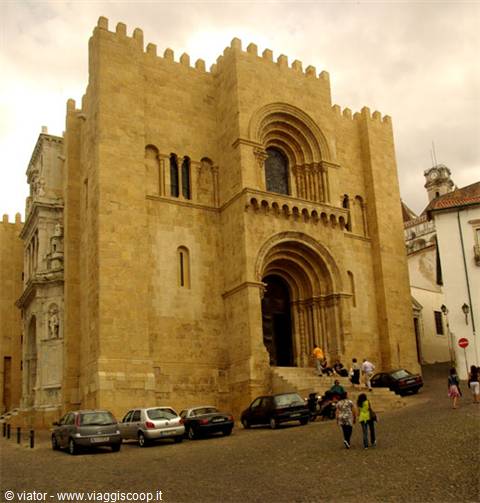
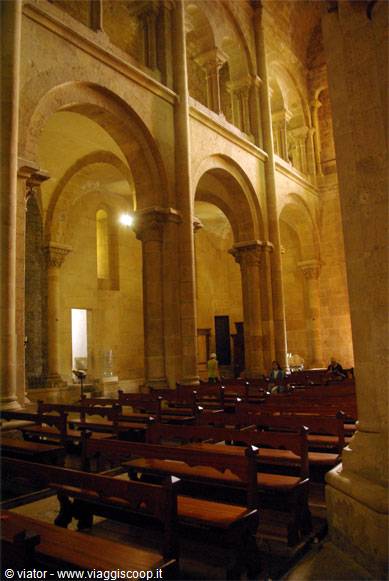
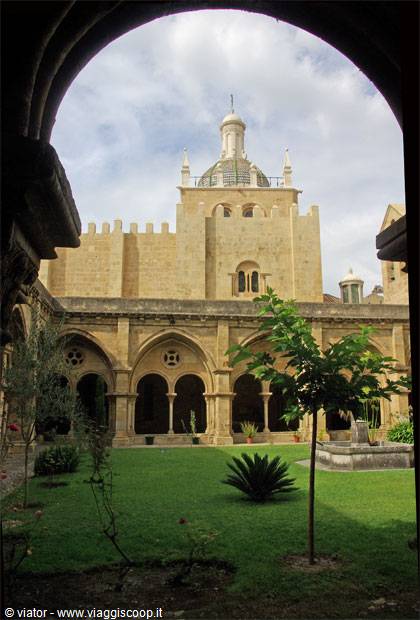
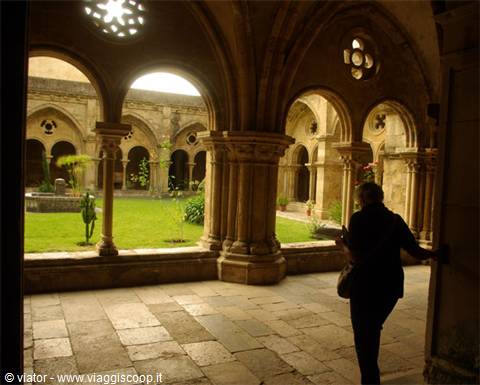
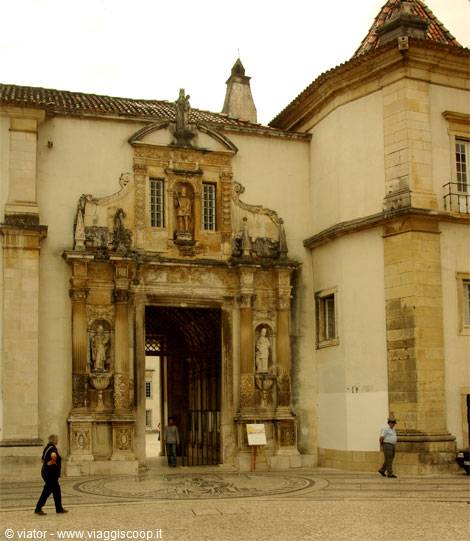
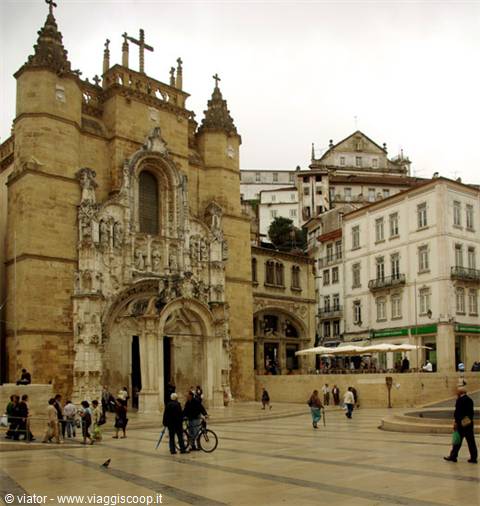
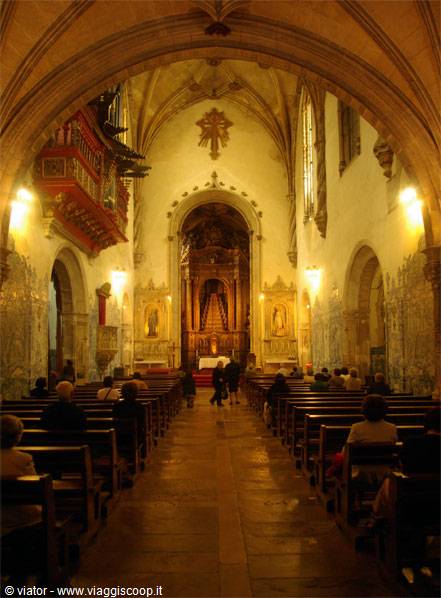
We wander, with the same criteria as in Lisbon, mainly on foot through the city, along the river and beyond it to the Villa Nova De Gaia, on whose Cais we frequent a Taberna to taste the excellent Port wine. Porto too, like Cascais, has something that recalls the exile of a Savoy, Carlo Alberto king of Sardinia: the house where he stayed, turned into a Museu Romantico, near the beautiful Jardim do Palacio de Cristal, which also houses a chapel erected in memory of the king of Sardinia by his sister Augusta; finally, an anonymous square is dedicated to the unhappy king. The last city we visit, reached by train, is Coimbra, famous for its ancient University, also rich in monuments, standing on rolling terrain and climbing a steep hill. Having visited it, we like it, enlivened by many young students, present even though it's the period of already waning holidays.
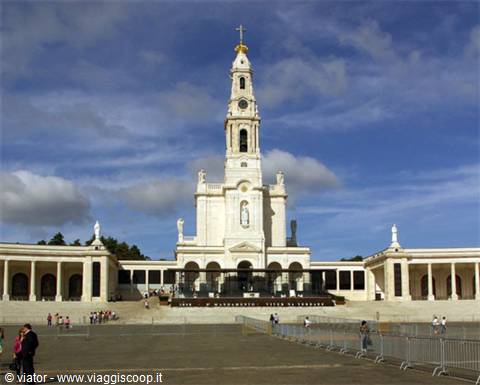
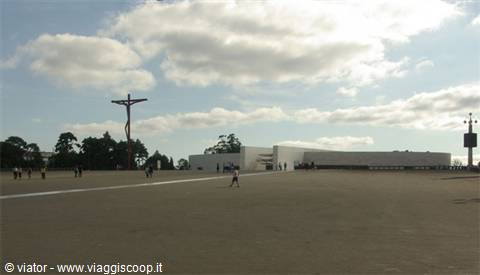
The charm of this city, and not only this one, is partly dimmed by an excess of accommodation to invading tourism. We can't miss a visit to nearby Fatima, the famous sanctuary whose extensive squares are a bit bleak without the crowd of the big occasions. A friendly taxi driver accompanies us from the station, over twenty kilometres away, with whom we converse in French, and who after taking us back to the train insists on offering us a coffee. Back in Coimbra, we sleep there the last night; the holidays are over for me, and the following morning off to the station to take us to Lisbon, whose streets we walk, once again, for one last stroll, weighed down
The journey's photographs
91 photographs · click to open them full screen









0 reader comments