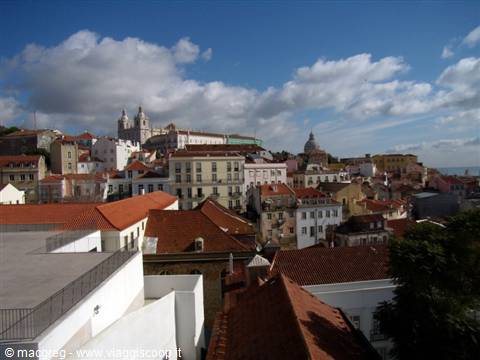
A country of azulejos, of luminous skies and of the warmth and simplicity of its people; but also a country that preserves fabulous architectural monuments, fairytale castles and imposing monasteries, fascinating villages set in a landscape that is always gentle and unexpectedly green. The modern LISBON, with an attentive eye to the future, preserves corners of authentic past where you breathe the air of other times in its old quarters that climb up the hills, from which you can admire unforgettable views. Nearby Sintra is a little corner of paradise set in greenery with castles and royal palaces of incredibly attractive charm. Just a few kilometres separate it from Cabo da Roca, the point where Europe ends to make way for the infinite ocean.
My guide to Lisbon: TRIPS NOT TO BE MISSED
Day 115 Mar 2008
Lisbon
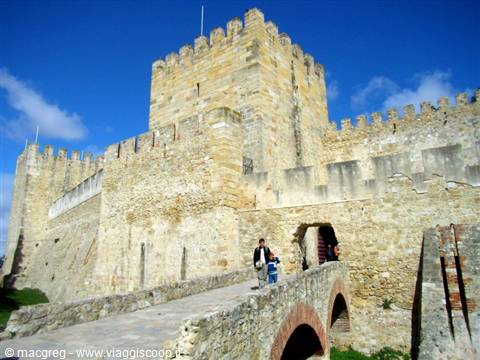
The castle that overlooks Lisbon
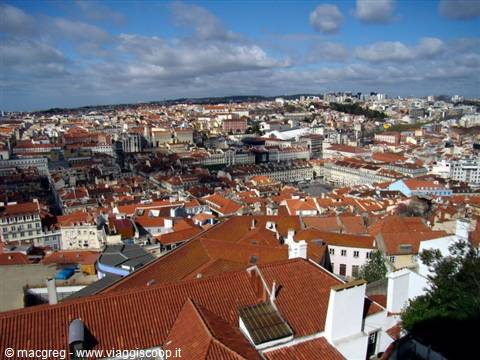
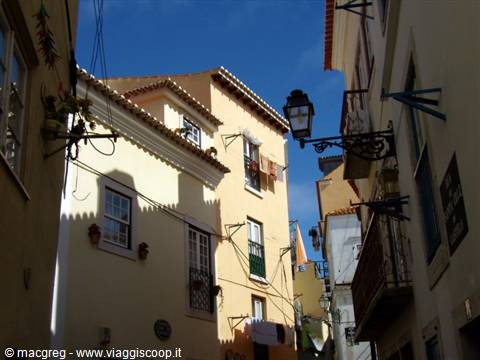
The old castle that towers over Lisbon certainly doesn't stand out for its elegance or its state of preservation. But its spectacular position, the stunning panoramic views it offers, and the fact that you have to cross the charming Alfama district to reach it remain one of the most indelible moments during a visit to the city.
Those who don't feel up to tackling the climb up to the castle can take the historic tram no. 28, which climbs up to Largo Sol, and then follow the entire route downhill.
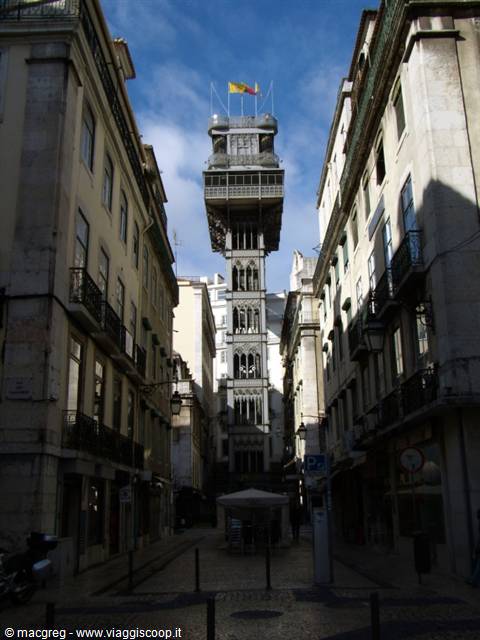
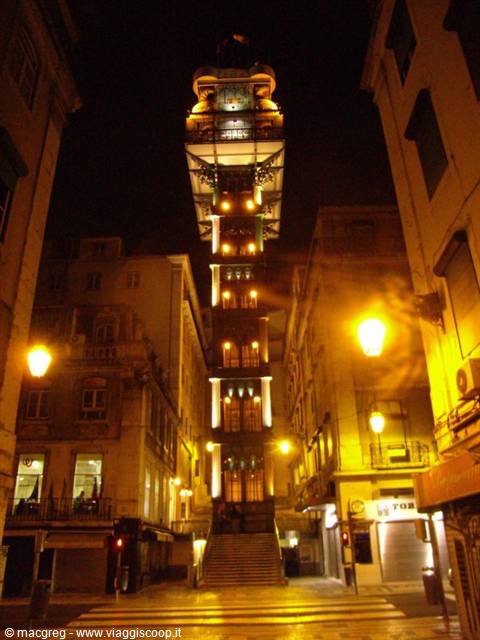
Elevador de Santa Justa
In a city built on seven hills, characterized by steep climbs that connect one neighborhood to another, this extraordinary elevator comes to the rescue, although perhaps simply calling it that seems a bit reductive. Barrio Alto
Painted as the most traditional of Lisbon's neighborhoods, Barrio Alto has probably lost part of its original charm in recent years by opening itself decisively to tourism.
Baixa
The only part of central Lisbon that develops on flat ground is the area known as "Baixa," entirely rebuilt after the disastrous earthquake of 1700.
Pena Palace
Day 216 Mar 2008
Belem
Jeronimos Monastery
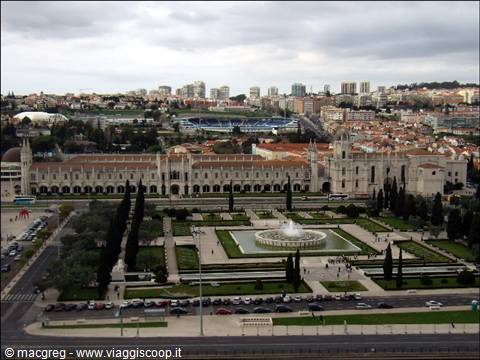
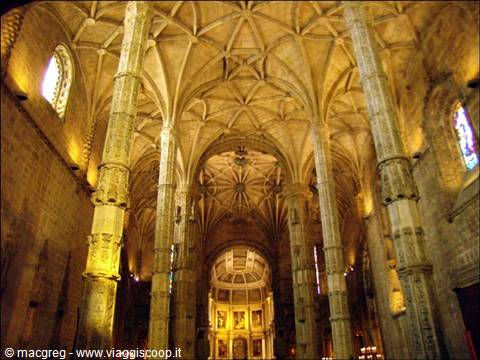
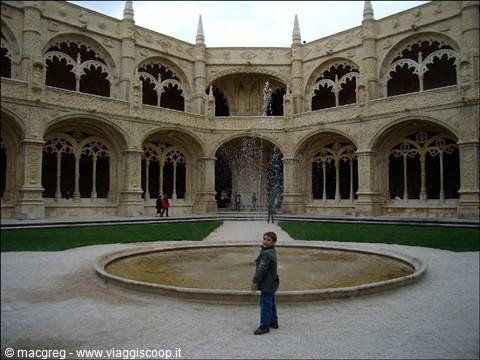
In the center of Belem, a neighborhood facing the river 6 kilometers from the center of Lisbon, this splendid monastery appears in all its magnificence and in my opinion represents the most fascinating monument in the entire city. The interior of the church has a spectacular and immense nave with tall columns and houses the remains of the famous explorer. The most evocative part of the complex, however, remains the splendid cloister (paid admission, € 4.50), entirely in stone and decorated down to the smallest detail.
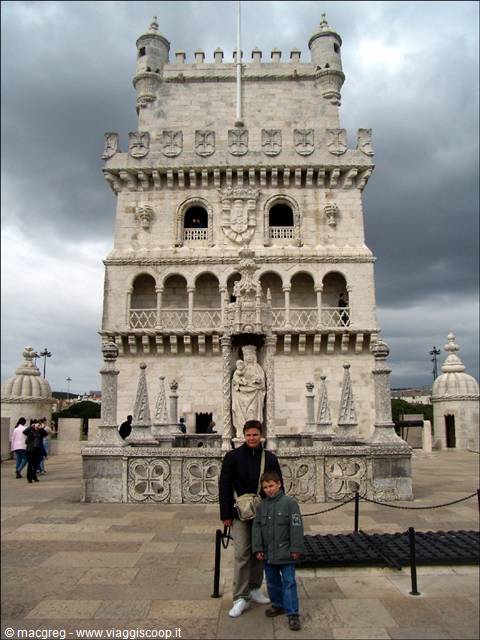
Belem Tower
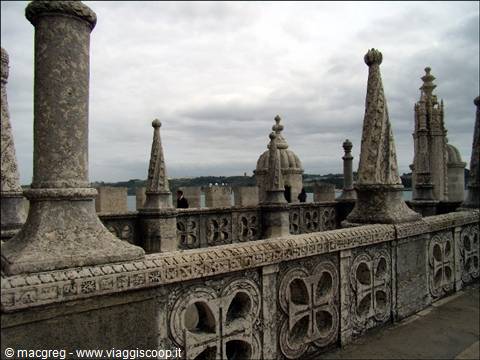
Your gaze toward the river is undoubtedly captured by this bizarre and isolated tower, which may perhaps represent the symbol of Lisbon. It was built to protect the entrance to the city's port and today represents the icon of the famous navigators who set out from here toward the unknown.
Padrao dos Descobrimentos
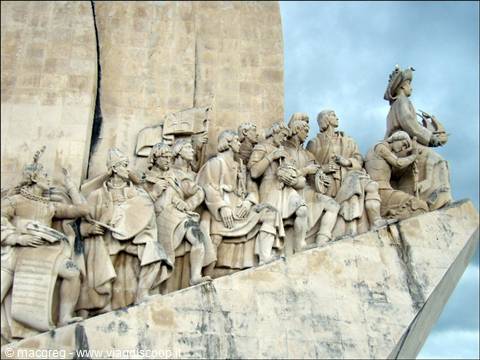
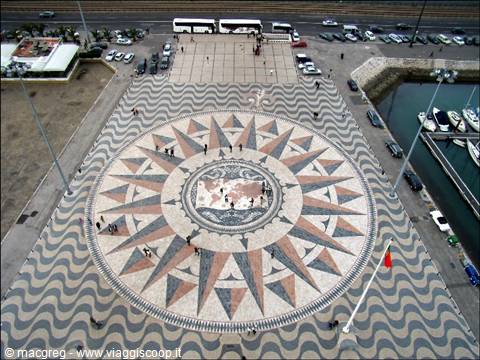
The Belem monument that draws the most attention is without a doubt the Padrao dos Descobrimentos, given its majesty and height. It is a relatively recent construction, dated 1960, in limestone, erected in memory of the achievements of the many explorers who set off for unknown destinations.
Cabo da Roca
Day 317 Mar 2008
Sintra
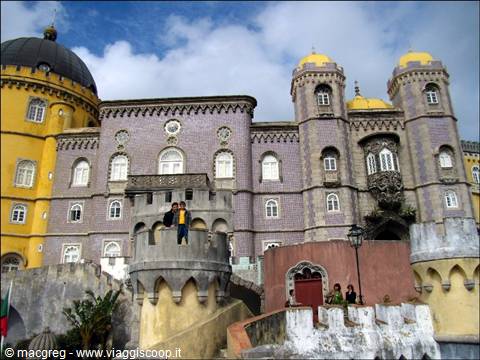
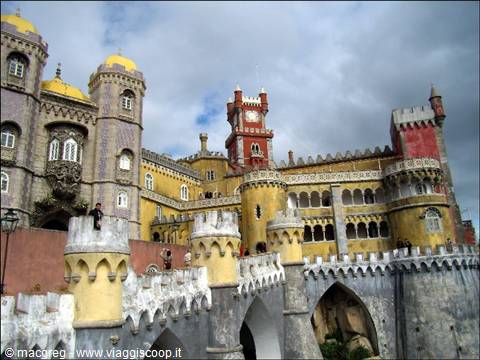
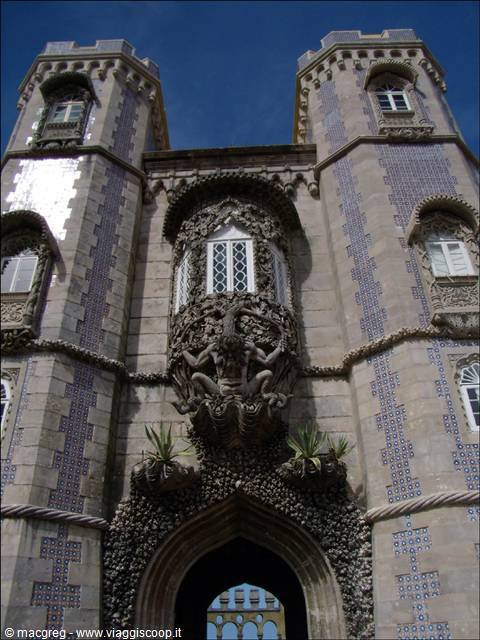
Pena Palace
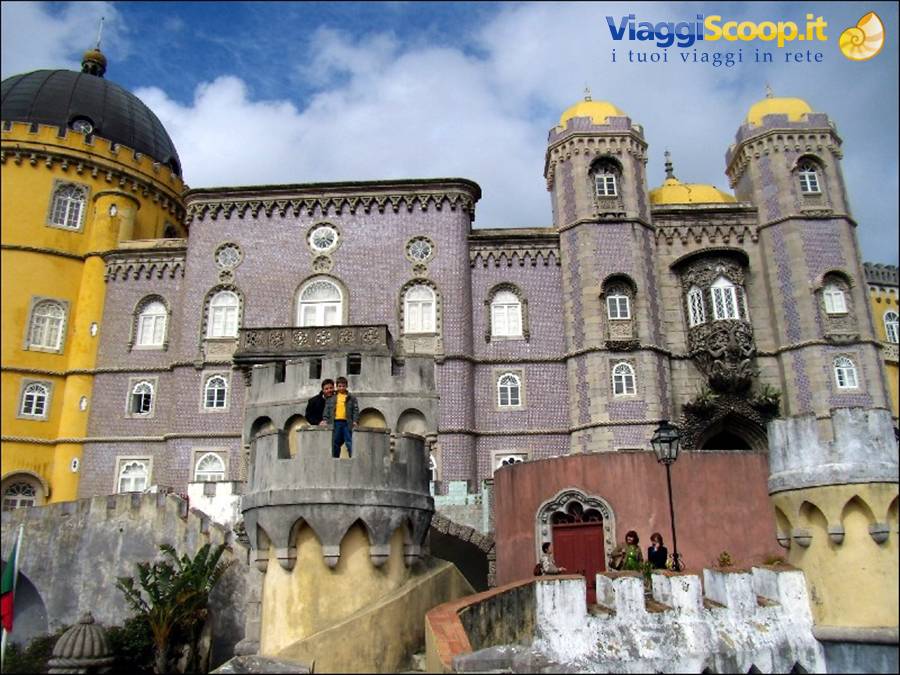
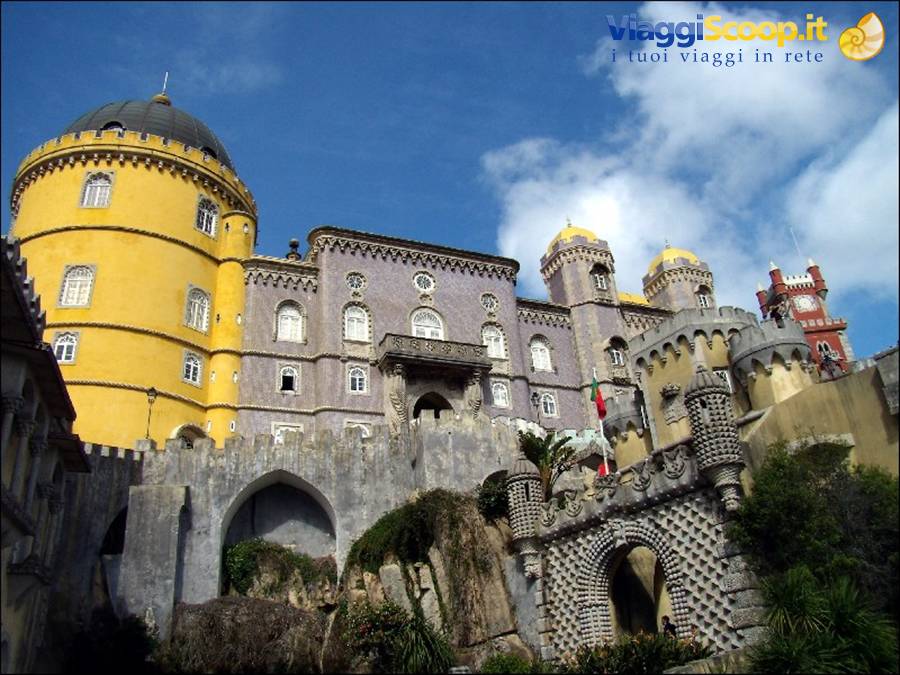
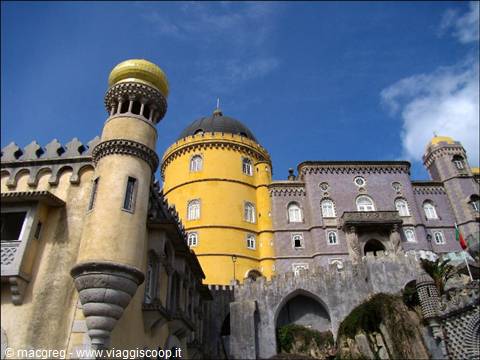
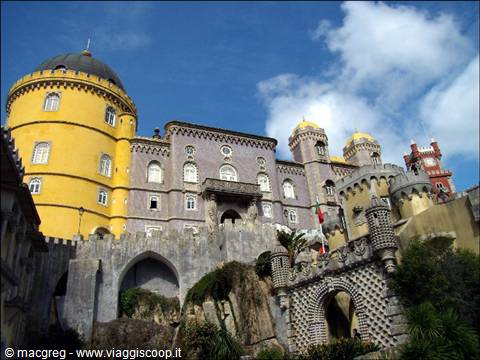
The palace rises almost like a mirage on top of the hills surrounding Sintra: with its decidedly original and fanciful facade, a bizarre combination of architectural styles that blend together in surprising ways, almost reminiscent of an Arab palace but with Mediterranean colors, surrounded by the intense green of the soft and lush vegetation.
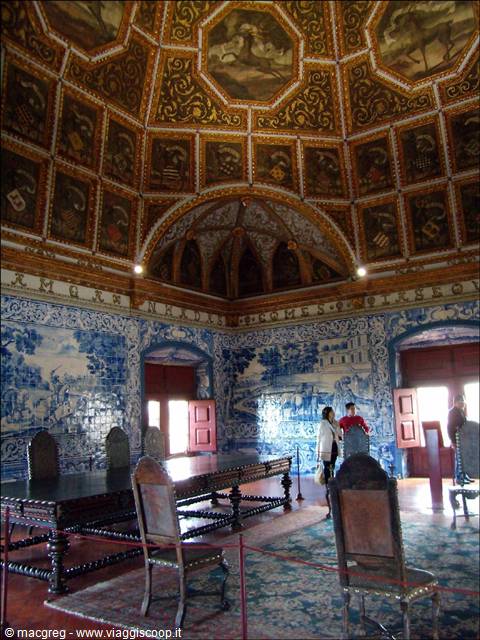
Palacio Nacional de Sintra
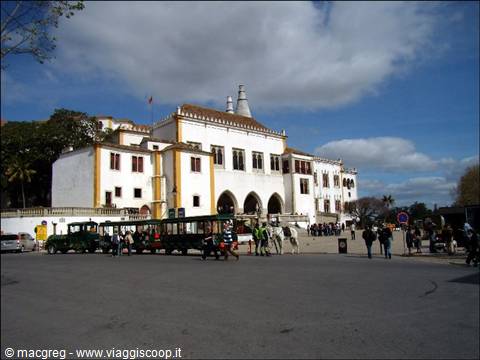
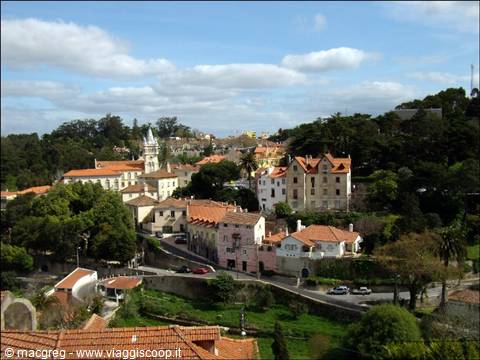
In the center of the enchanting town of Sintra, a holiday resort about a half-hour drive from Lisbon, this majestic palace dating back to the 14th century rises up, easily recognizable by its two enormous conical chimneys visible from far away. Sintra was chosen by Portuguese royals as a summer vacation spot, because of its cool climate and idyllic position.
Cabo de Roca
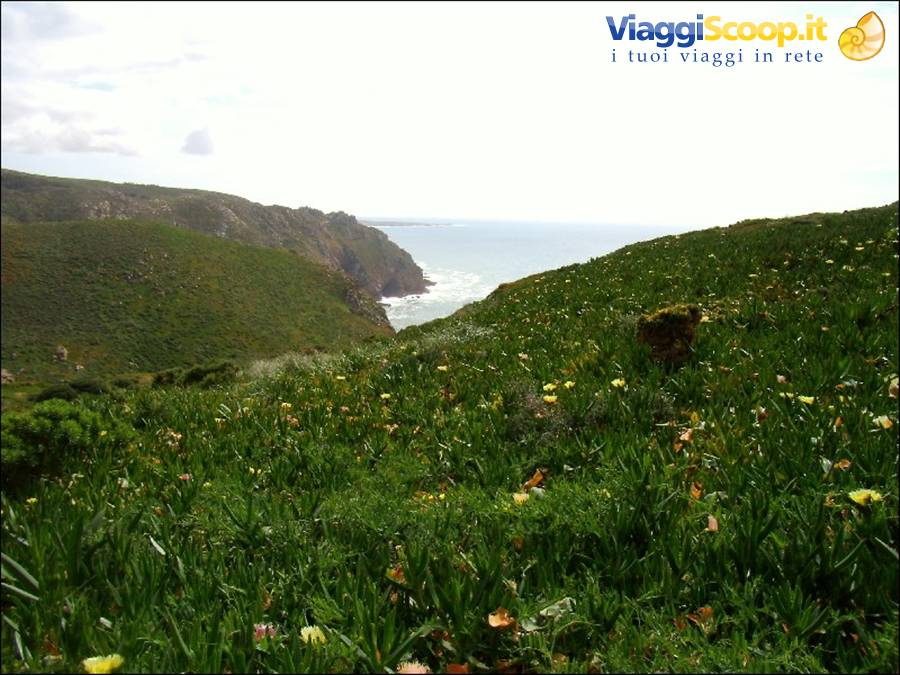
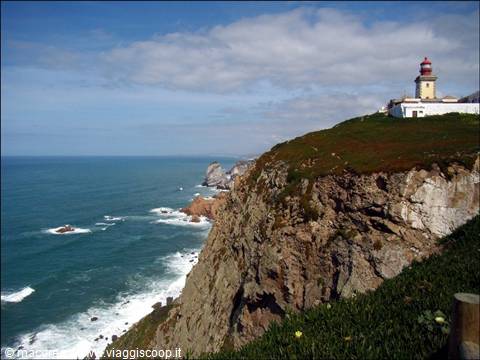
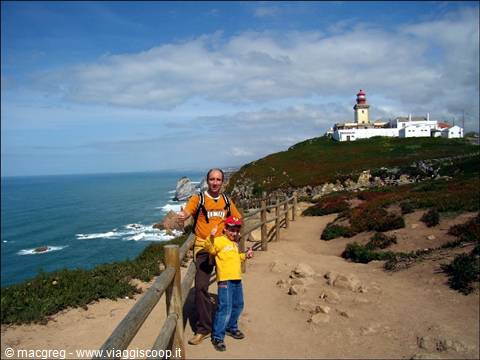
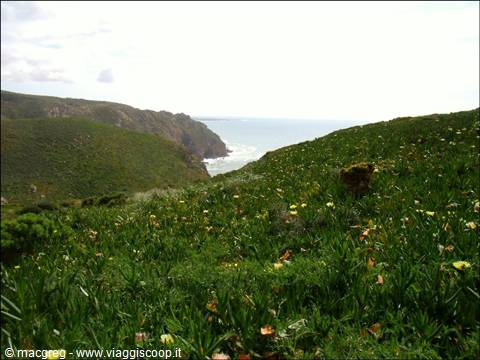
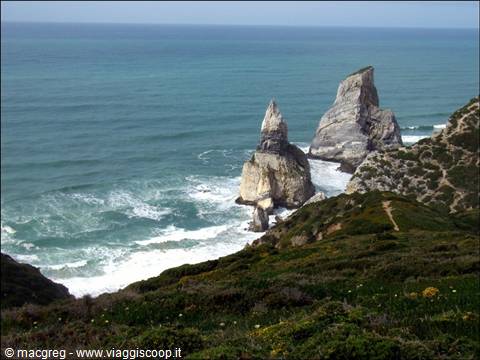
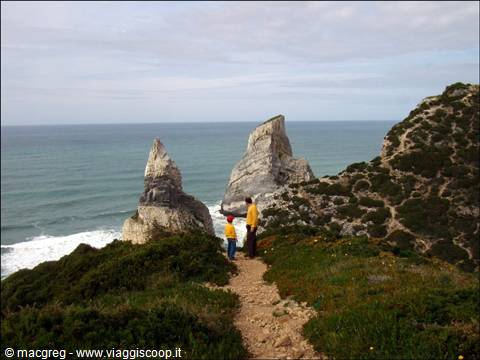
From Sintra, a winding road climbs up the green hills to the ocean, where the wild promontory of Cabo Roca marks the end of the old continent and dominates from the top of its cliffs an rugged stretch of coast made up of imposing sea stacks and expanses of green meadows that in spring fill with flowers. The importance of the place is marked by a column topped with a cross, with a plaque marking the longitude and latitude and reading "Aqui, onde a terra se acaba e o mar comeca."






0 reader comments