The story
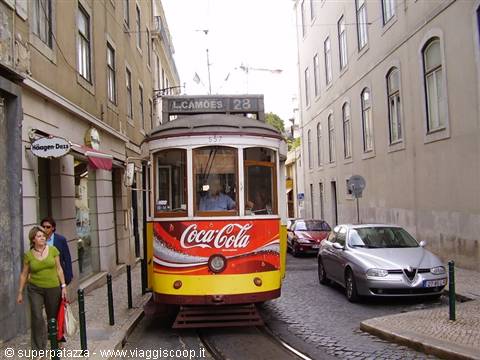
As every year, the destination is decided with our trusty Routard. Setting off as 8 people late in the evening of 7 August 2005, we were in great shape to face this year's long and eventful journey. The main cities to visit were: Lisbon and its surroundings, Porto, Coimbra, Santiago de Compostela (Galicia). In Lisbon we stayed for 1 week because it's very big and there are so many things to visit, and also the small towns around it. Lisbon is a melancholic and very "old" city, but extremely well served in terms of transport: the metro is brand new and takes you from one part of the city to another. But you shouldn't skip a nice trip on the tram around the city either. Our hotel is modest, just for sleeping, because we were out and about all day. First we visited the oldest part of the city: the Alfama.
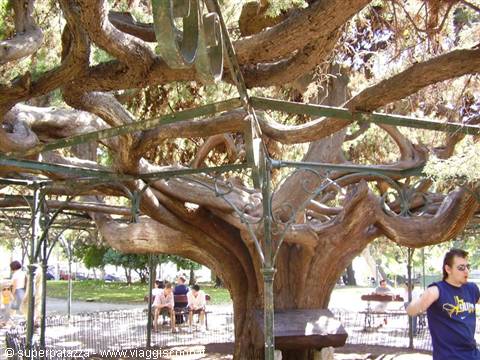
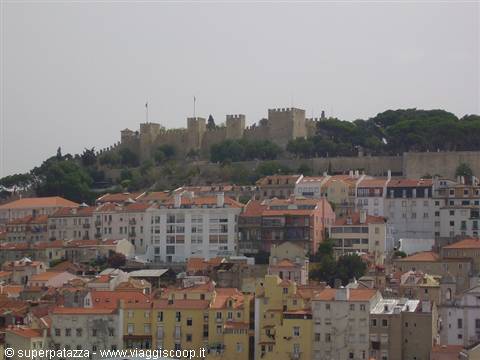
Very, very beautiful, with all its little houses adorned with azulejos "tiles" and its tiny balconies, but full of flowers and hanging laundry. Worth visiting are the Castelo de Sao Jorge, the very ancient Cathedral, the botanical garden with its giant ficus trees and the beautiful park with the famous Cedar, celebrated for its venerable age (a good 300 years and survivor of the 1755 earthquake). Towards the Tagus river there's the Praca do Comercio with the arch of Vittorio Emanuele and nearby the Elevador de Santa Justa, to admire the city from above. You can't not stop at the Brasileira for a drink... Nightlife is very lively; in the newer part there are lots of small bars (but in summer people stay outside) open until morning. The food is good, based on meat and fish (not too expensive).
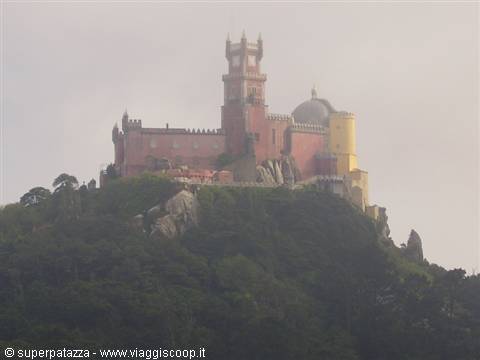
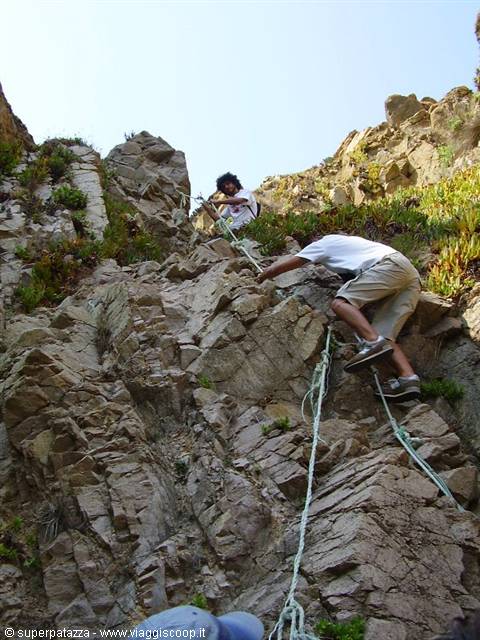
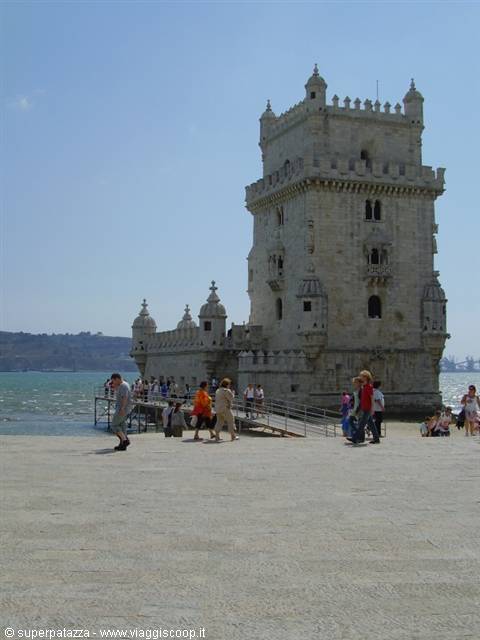
In the surroundings of Lisbon you absolutely must visit Sintra, a small town full of evocative castles: Castelo dos Mouros, the Casa de la Pena, Quinta da Regaleira (a house designed by an Italian architect, with a very large park with 2 towers that go underground to visit the tunnels). From Sintra you take a bus to Alverca and here there's the most beautiful spot: Cabo da Roca. It's the westernmost point of all Europe, a 140-metre-high cliff facing the ocean. We climbed down to reach the beach (there's no sand, only boulders, you can't swim...it's dangerous...even going down is dangerous!!). Another nearby town is Belem: a mandatory stop for the famous Pastel de Belem! There's also a very large monastery to visit (Monastery of Sao Jeronimo) with the tomb of Vasco da Gama. Nearby there's a very beautiful park with the Torre de Belem on the river (you can visit it).
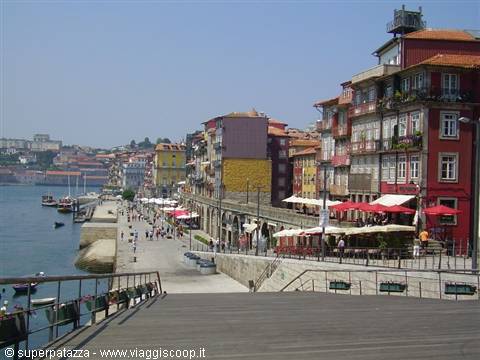
Finally there's also, on the river, the Padrao dos Descobrimentos: it's 50 metres high and represents all the figures who discovered the new world (indeed this monument is shaped like the sail of a caravel). All these little towns are very easy to reach by train, which is fairly frequent, cheap and punctual. Having left Lisbon we went to Porto: a wonderful little city on the Douro river. We stayed in the Youth hostel a little outside the city centre, but taxis are cheap (less than the buses, which aren't very punctual, or some don't come at all). Here we visited the cathedral, the famous cellars (teetotallers don't pay the entrance fee!!!!), and the nightlife is concentrated on the river bank (there are a few bars and restaurants with tables outside). Here you eat fish (especially salt cod or bacalhau) to your heart's content for a few euros.
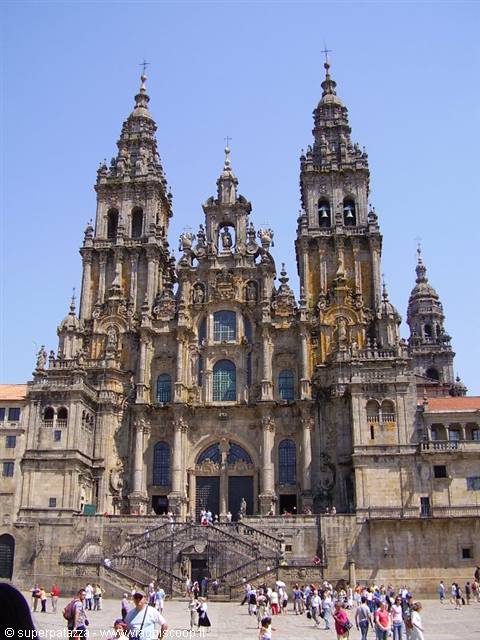
You absolutely must visit the Lello bookshop: it's beautiful, you can read the books without buying them (they don't bother you)...there's also a small tea room where you can also taste Port. Having finished the first part of the Portuguese tour we left this country to head up to Santiago de Compostela (how could we not stop there!). It's a very small town, so 2 days are enough to visit it. Naturally there's the imposing cathedral, and at the end of the streets full of shops and restaurants there's a very large park for a nap or a stroll. Here we stayed at the evocative Hostal Major (built in a monastery, it houses a great many rooms for the university academic year). finally the last stop is missing, again in Portugal: Coimbra. Here there's the university to visit, with its chapel, library and some rooms with beautiful ceilings.
There are some very unusual little shops here: in the street that slopes down in front of the Church of Santa Cruz there's a tiny bookshop with loads of old books, and further down the steps a little shop with handmade costume jewellery. Here, in some restaurants after dinner, you can go and listen to male Fado: you really feel Portuguese! On the last day we returned to Lisbon where we had a white night before setting off home again, completely exhausted but happy!!! Ah...watch out for the taxi drivers...they drive like madmen!!!!! Ladies, I beg you: no heels...all the cities of Portugal have very steep slopes (and climbs, naturally) and cobbled streets...you slip even in the flattest flip-flops!!! TENNIS SHOES!!!!
The journey's photographs
9 photographs · click to open them full screen

0 reader comments