The story
In three hours we reached Porto, the country's second city, from the usual Ciampino airport. We were only in the north of Portugal for 3 days, but we formed a first impression of this country, full of contrasts and dignity. It was a bit like many people had told me in advance: it doesn't strike you for the number of monuments, so much as for the soul that pervades the life and streets of the country! But let's go in order. As soon as we arrived at 8.30 in the morning, we headed for the metro that would take us into the city. On one hand, there's the efficiency of finding ticket clerks who explain how to make tickets at the machine and how to use it afterwards, and the brand-new trains… on the other, there's the drawback that this line runs at least every half hour and takes at least 40 minutes to reach the city centre.
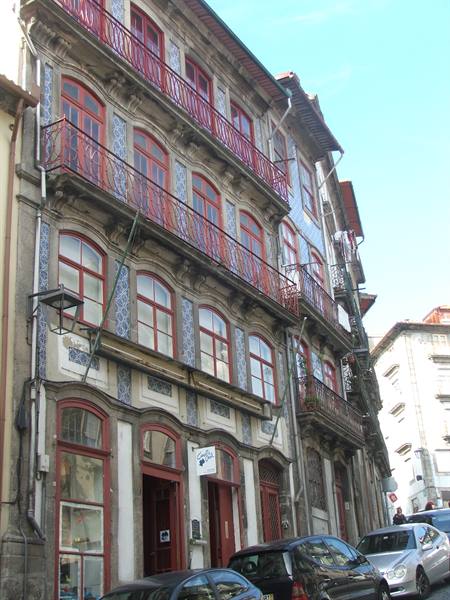
We take the lilac line, towards Estadiou Dragao, and get off at Bolhao, the name of a decadent yet interesting Liberty-style neighbourhood market, opened in 1914. Coming out of the metro, we find ourselves in front of the first church completely covered in azulejos, the Santissima Trindade: a marvel! We cross Rua Santa Catarina, a pedestrian street full of shops and the nerve centre of the city; we walk along it for a few hundred metres and in the street on the left we find our modest but dignified little guesthouse: Residencial Belo Sonho. Oldish furniture, small double bed, but cheap (60 € for 2 nights, 2 people), central and spotlessly clean.
Let's say that for me, this guesthouse with its owners, an elderly couple wearing the kind of clothes my grandparents wore and doing everything themselves, represented the whole country: poverty and dignity, order and cleanliness and, at the same time, these people apparently outside time and fashion were offering you free internet. We left everything at the hotel and set off to discover the city. Meanwhile, we had breakfast: characteristic are the pastellerie, pastry shops with an adjoining bar, where sweets of an indescribable variety triumph. Famous, but expensive compared with the others which are very cheap, is the Café Majestic on Rua S. Catarina, in Liberty style. Then we started to wander.
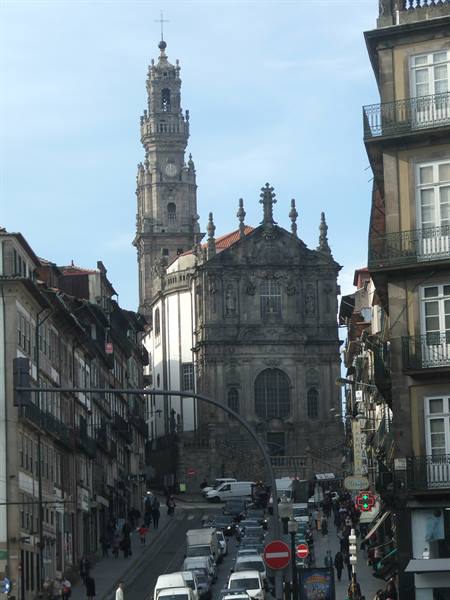
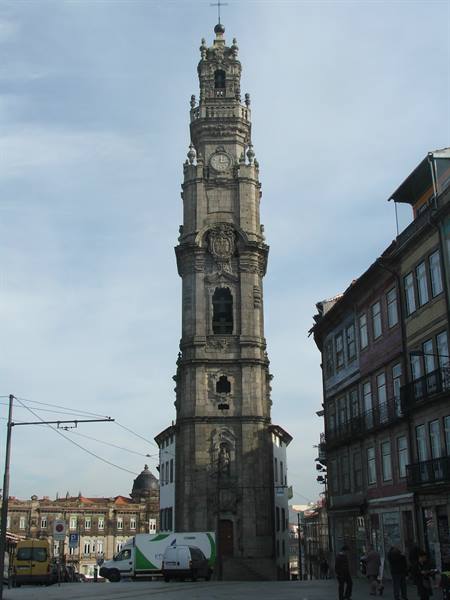
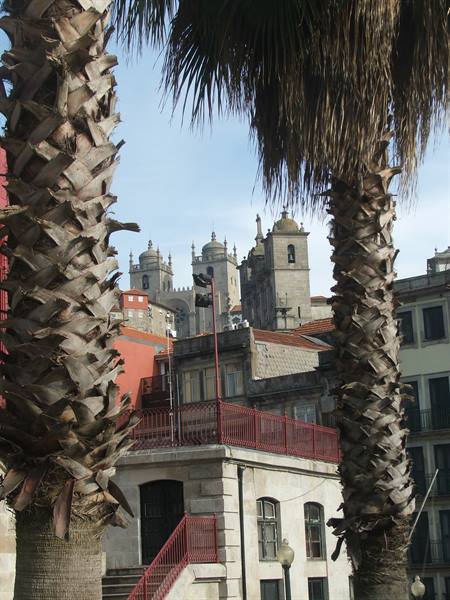
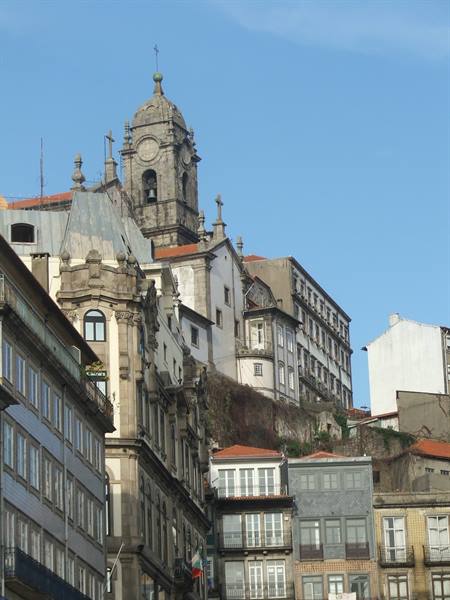
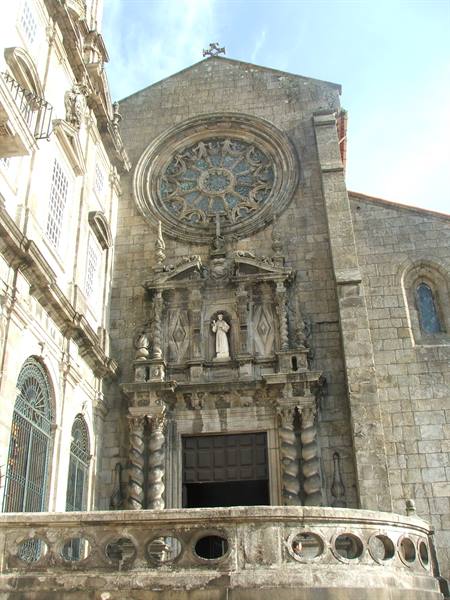
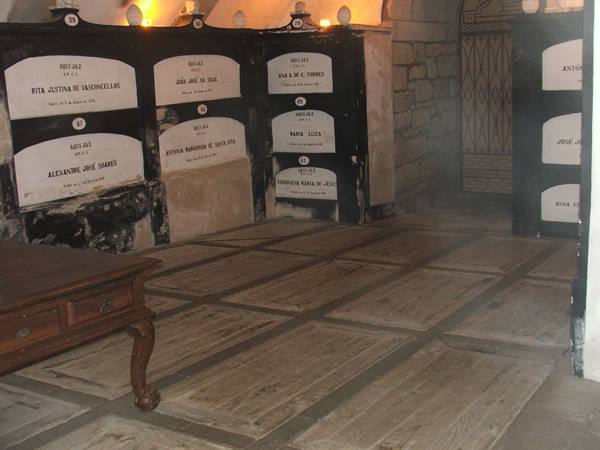
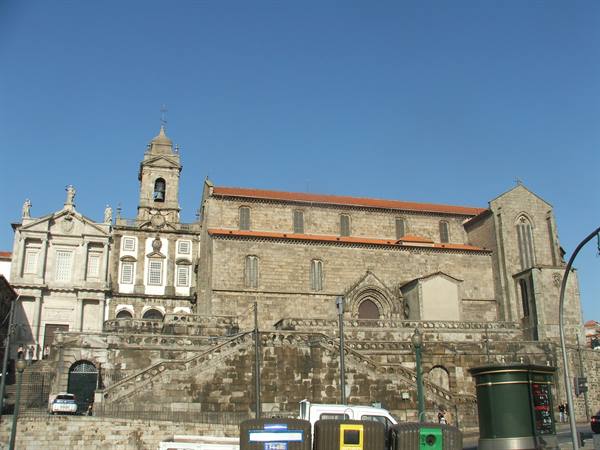
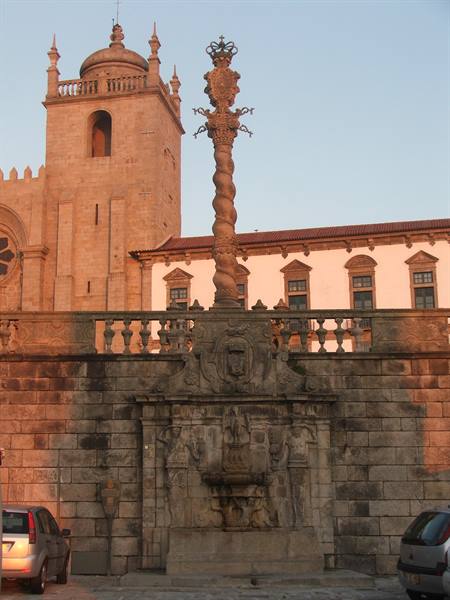
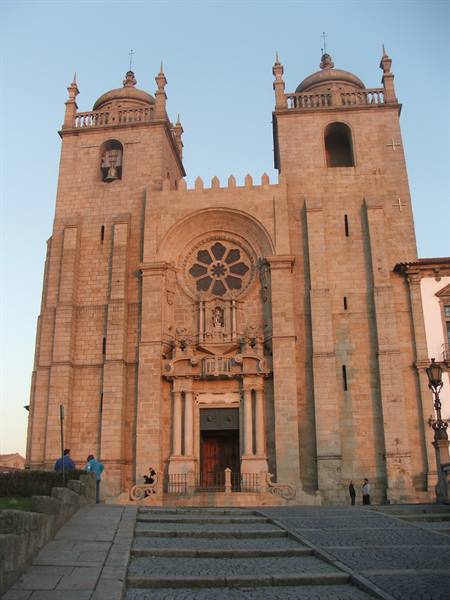
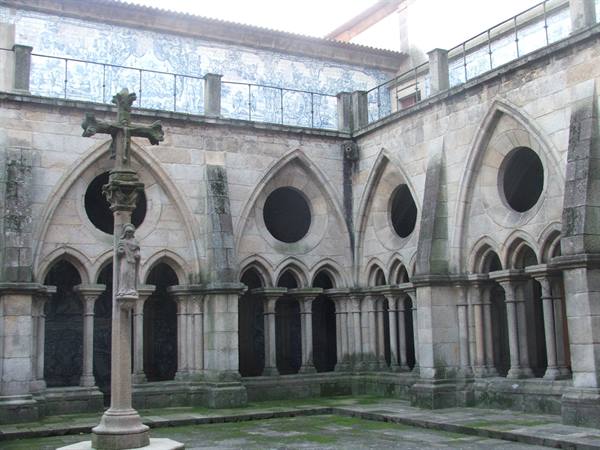
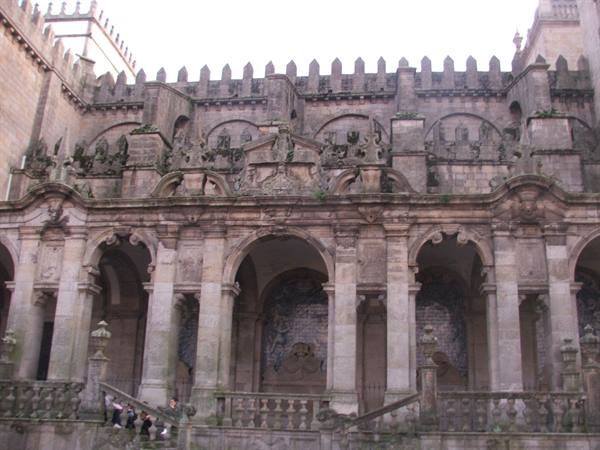
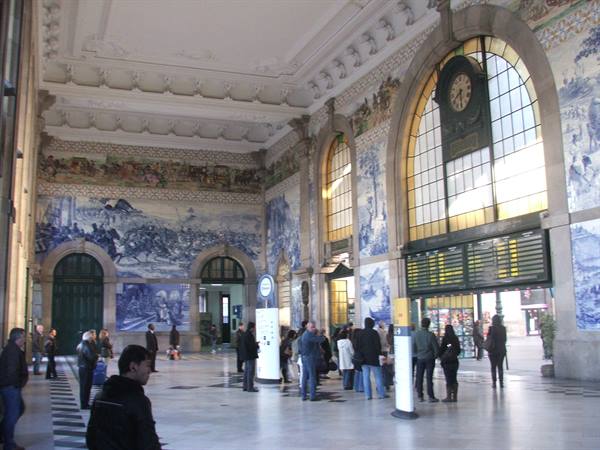
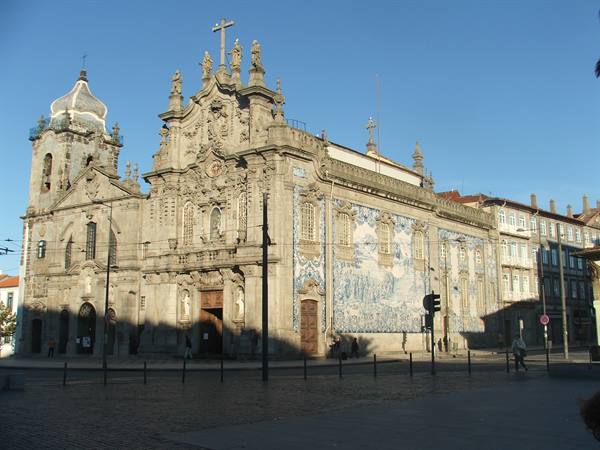
You can reach everything on foot, but it's nice and convenient to take the Hip and Hop bus, which does a wide tour of the city down to the sea, costs 13 euro, is valid for 2 days, runs every 20 minutes and on which you can get on and off whenever you like. Naturally, headphones are also provided, through which various information is given during the route, also in Italian. Of the many churches we visited, mainly Romanesque and then "converted" to Baroque, we liked a lot the Igreja de S. Francisco, with its adjoining catacombs, the one Dos Clerigos and the Cathedral, with its Cloister and adjoining museum. We didn't manage to see Santa Clara, which according to the bus guide is very beautiful. Then there are famous squares and the São Bento Station is unusual, its entrance hall entirely covered in azulejos and standing on an old monastery.
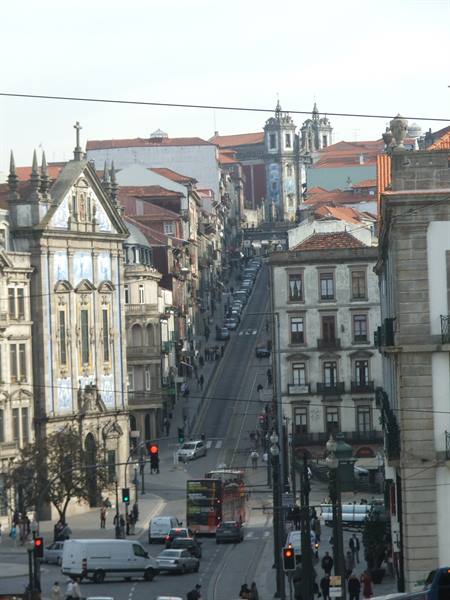
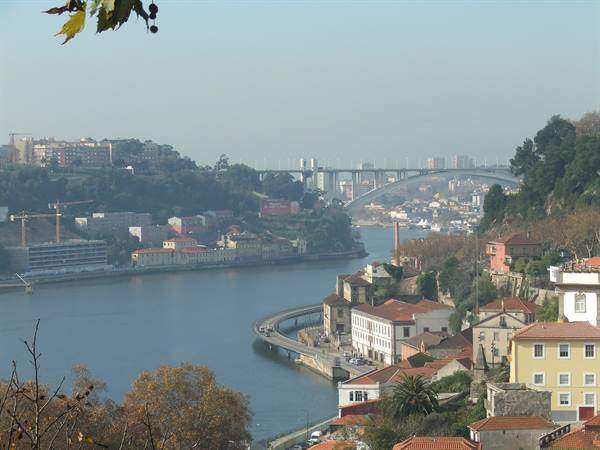
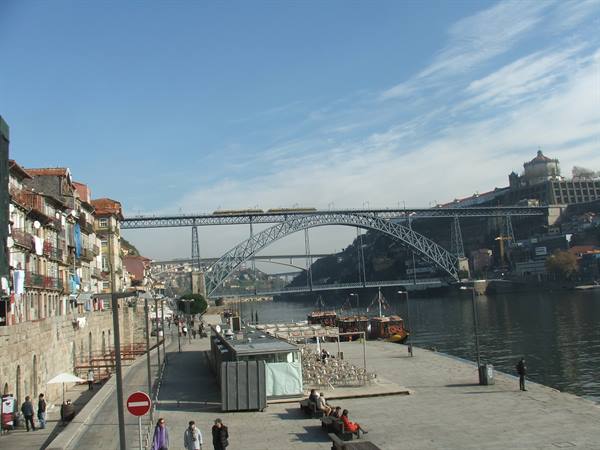
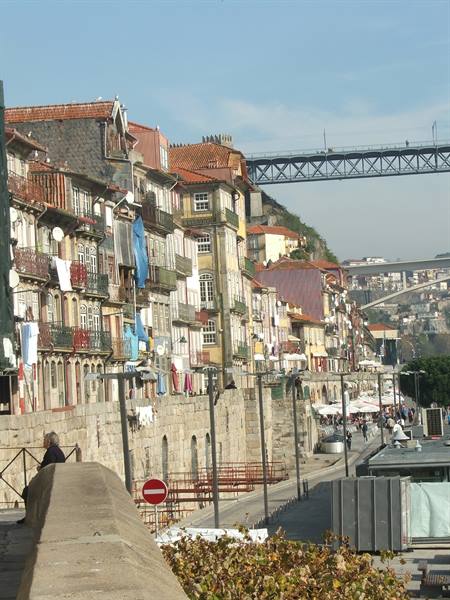
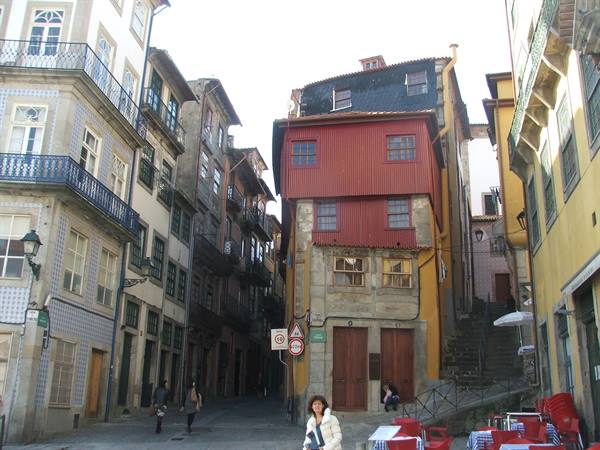
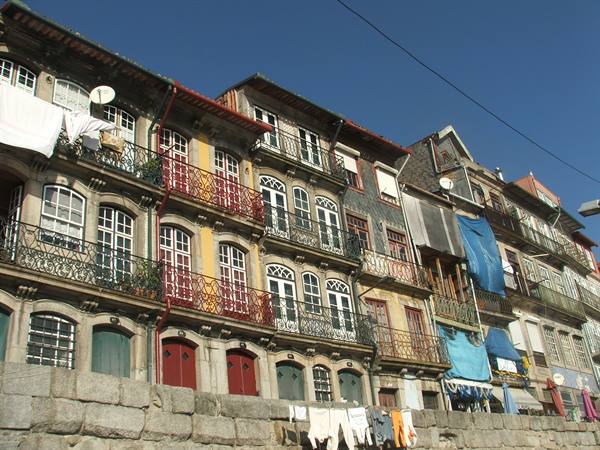
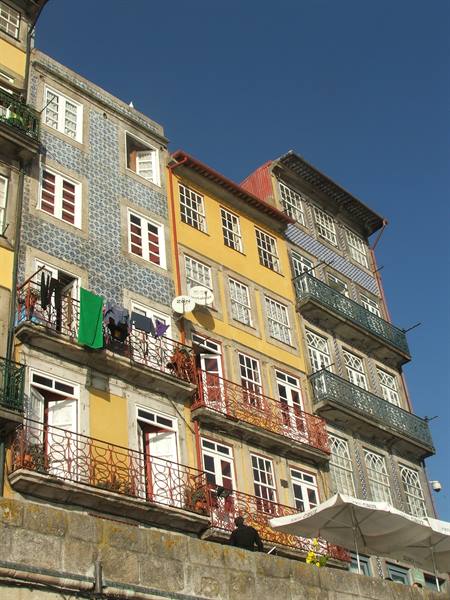
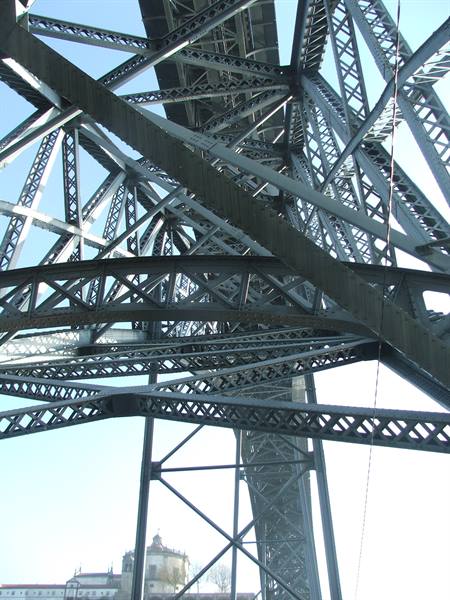
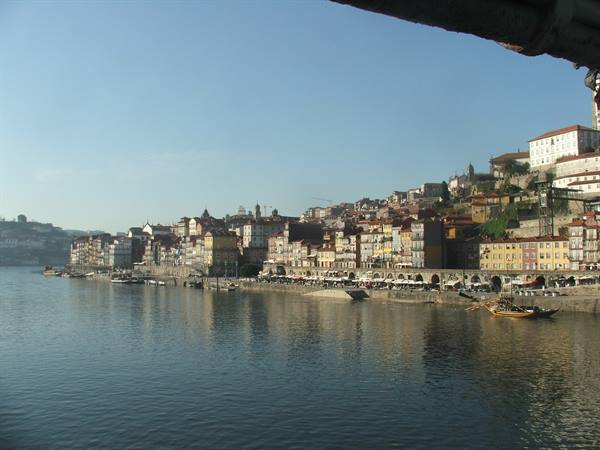
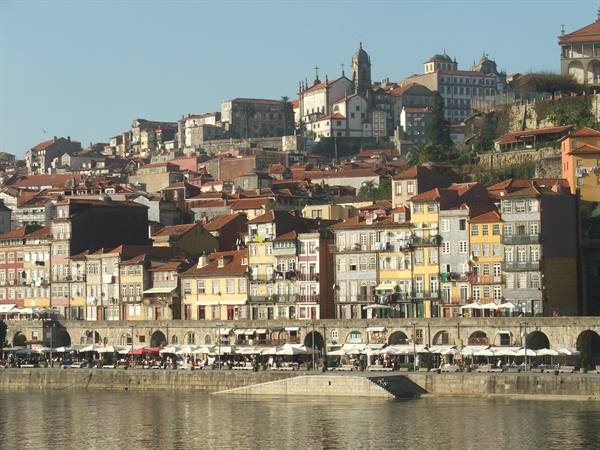
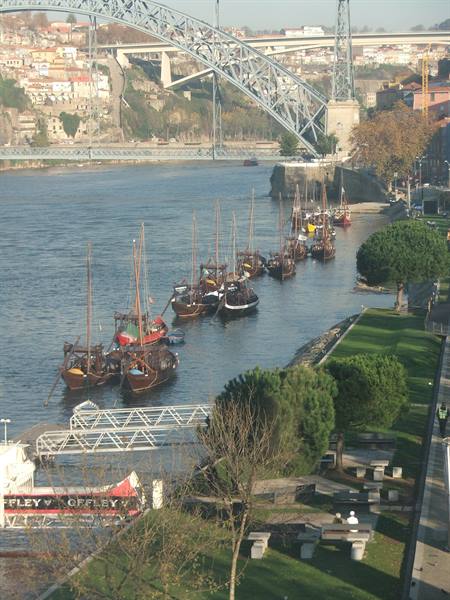
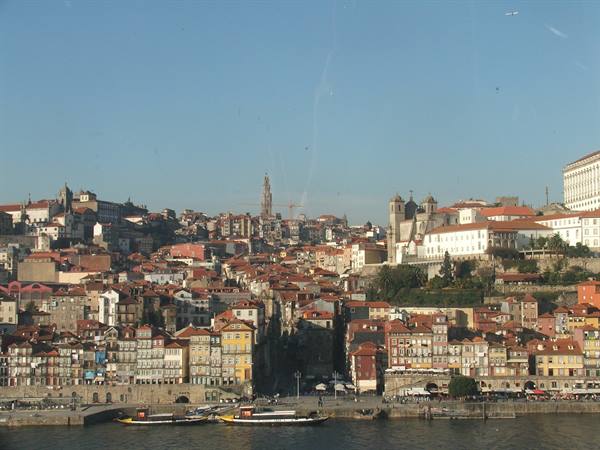
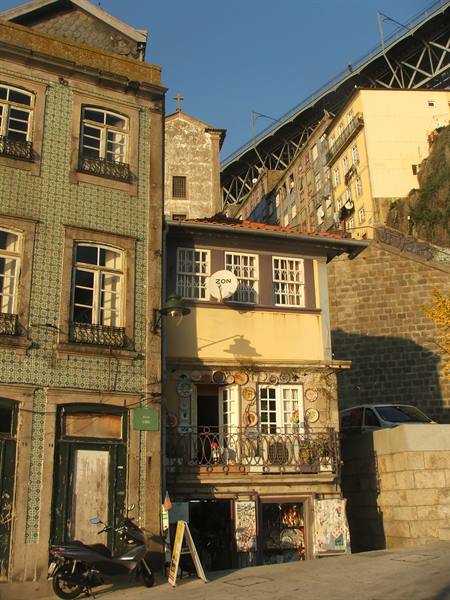
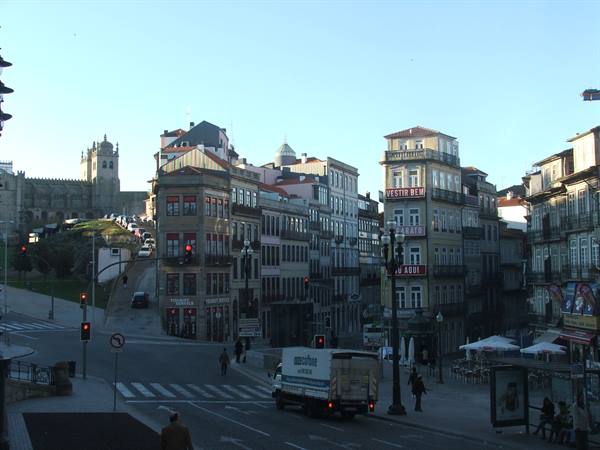
The characteristic of the city is that it's made up of many small hills, so there are lots of continuous ups and downs. Moreover, it's full of alleys, some quite run-down: in some travel stories I'd read that it recalls the bassi of Naples: for me it wasn't like that, because it reminds me of the alleys of Castello, the wonderful historic district of Cagliari. Anyway, going down and down, you reach the Ribeira (which I imagine means "riverside"), a district of house-towers that finally face onto the river Douro. This "row" of colourful little houses with sloping roofs has a lovely promenade in front of it and many places where you can decide to eat. To its left stands the Luís I bridge, on 2 levels, to connect the various altitude "levels" of the city and built at the end of the 19th century by architects of the Eiffel school.
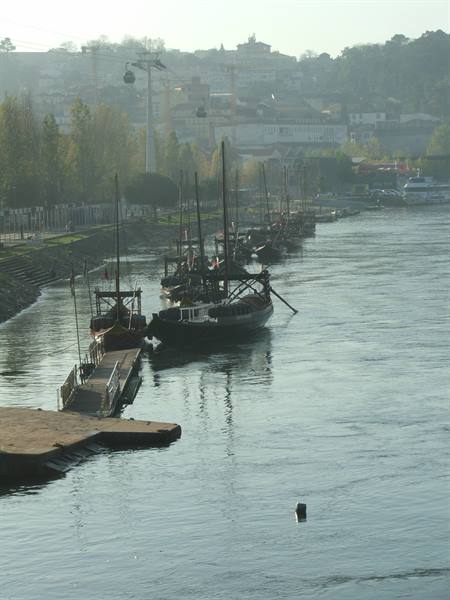
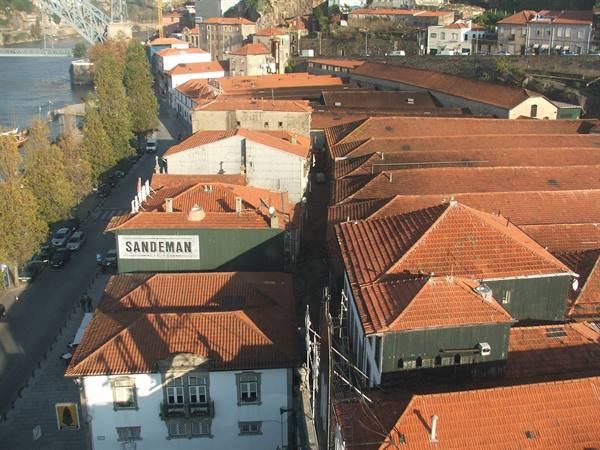
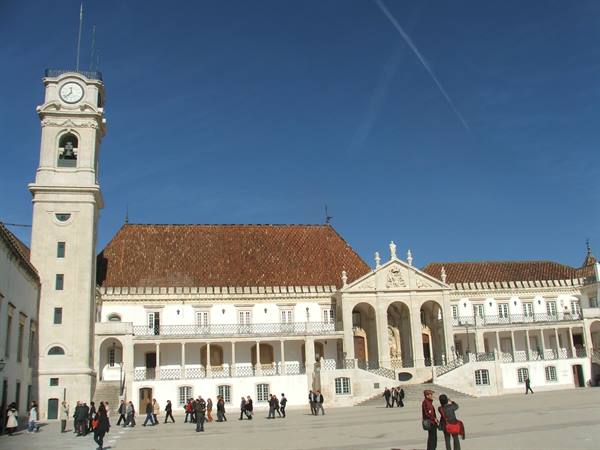
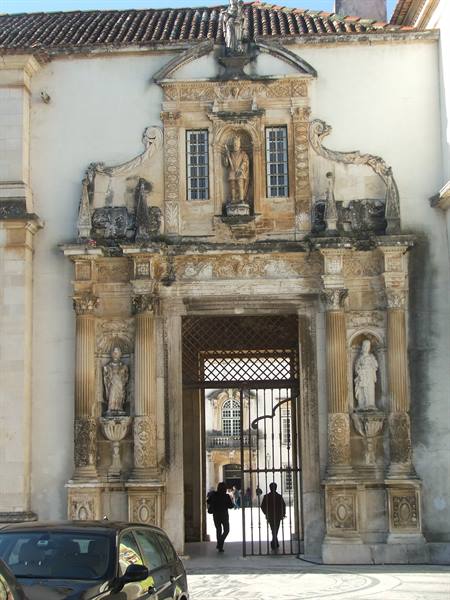
When you cross it, in fact, it feels like being on the famous Parisian tower. Opposite the Ribeira is the district of Vila Nova de Gaia, where the famous storage cellars of Port wine are: it's a characteristic area with warehouses that very much recall the industrial area where Guinness is produced, in Dublin. On Saturday we went by train to Coimbra: apart from the country's oldest university, we didn't like the city too much and it was very awkward to reach, because we had to change twice: in fact, the main railway line doesn't pass through the centre of either city!!! On Sunday we walked a lot again through the city's alleys, we reached the ocean, flanked by lovely cycle paths and pavements full of people enjoying the day, but it was far too built-up, with big blocks of flats right down to the sea.
We returned to the city to enjoy the Ribeira at lunchtime and then went back to the hotel to collect our luggage. In conclusion, our first taste of this country was to our liking. And the constant, beautiful soundtrack was the screeching of the gulls. Next time we'll aim further south to see whether what a Portuguese lady told me is true, namely that "in Porto you work, in Coimbra you study and in Lisbon you dance".
The journey's photographs
45 photographs · click to open them full screen










0 reader comments