Tripscoop›Europe›ITALY›A Trip to Cava Manara, in the Company of Three Kings and the Cyclists Heading for Sanremo
ITALY · Europe
The story
A cycling race that has made history and continues to thrill millions of people? It passes right through here. A territory long contested by the Savoys and the Austrians? Here it is. The place where one of the most important heroes of the Risorgimento fought an important battle? This is it. Our wish to take a day off from the big city, discovering a new corner of peace and pleasure in our region, this time took us to Cava Manara, a town on the Po, a short distance from the confluence of the Ticino, near Pavia. This lovely town has always been at the crossroads of important events, which, if in the past were of a warlike nature, today are sporting, cultural, tourist and food-and-wine in nature. That it was a place destined to become special had already been sensed by the Ligurian tribes who populated these lands since the most ancient times.
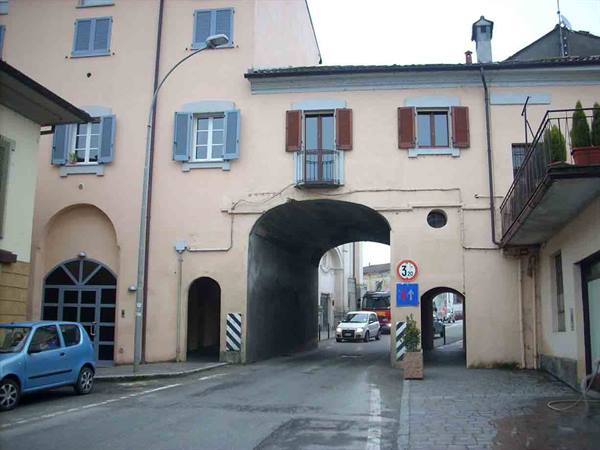
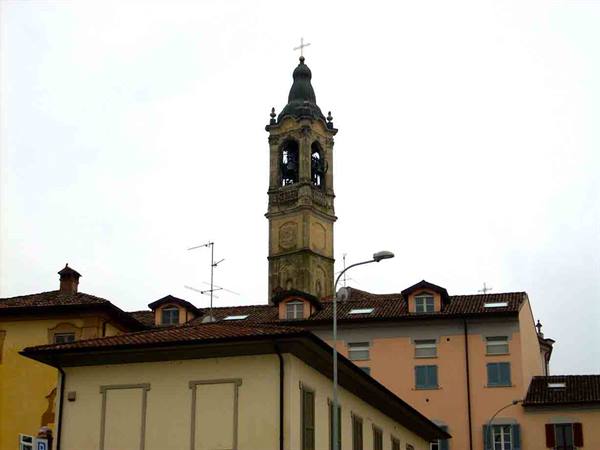
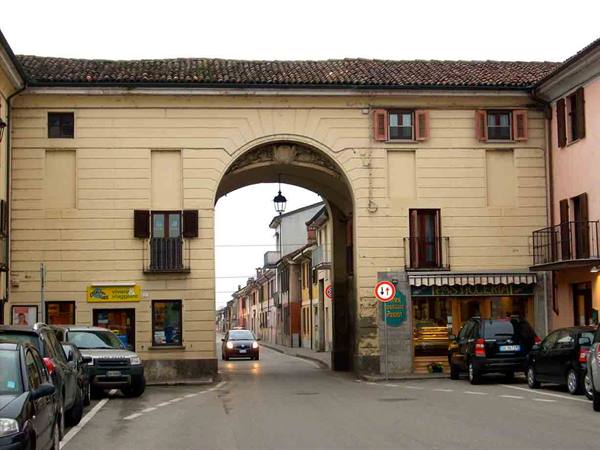
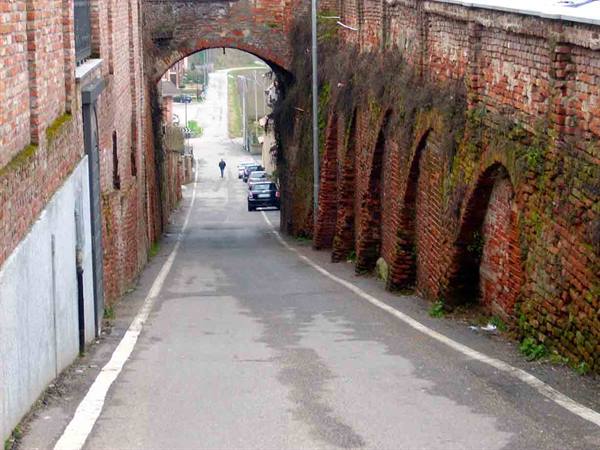
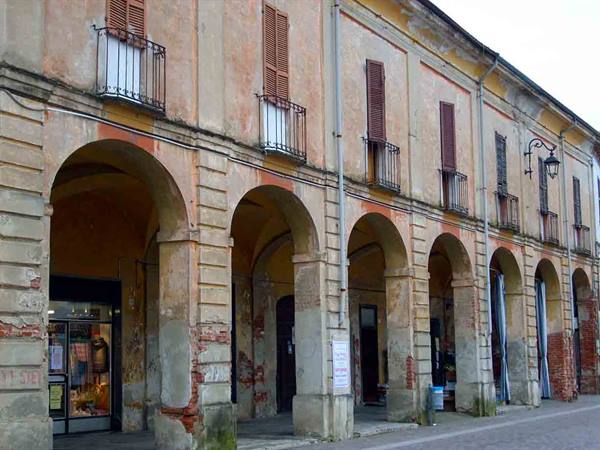
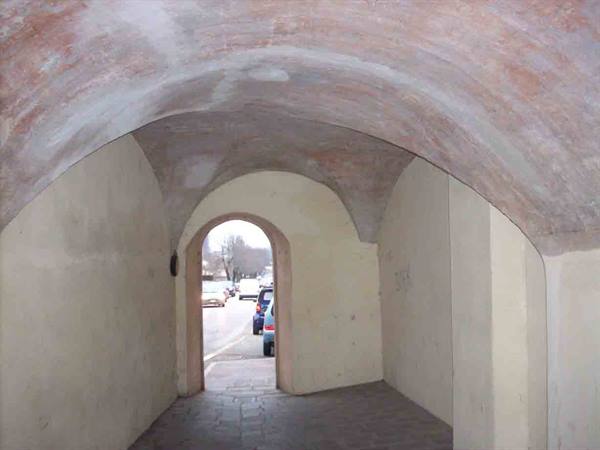
In the thirteenth century the place was called Cava Taverna, a toponym that might refer to the nearby lands planted with vineyards of the Oltrepò Pavese, while the current name, assigned to Cava in 1863, is a tribute to Luciano Manara, a patriot who fought an important battle right in Cava Manara at the head of the Lombard Bersaglieri. Starting our little tour of the historic centre, we pass under a characteristic arch that leads us into the village. After a few steps among colourful houses that recall a little those of Liguria, we reach the parish church dedicated to Sant'Agostino. Chatting with passers-by we discover that this town's devotion to the Saint originates in a miraculous event. In fact, during the passage of the Saint's remains, bound for Pavia, forty pilgrims are said to have seen him appear alive, as he came out of the church in pontifical robes, saying "I am Augustine".
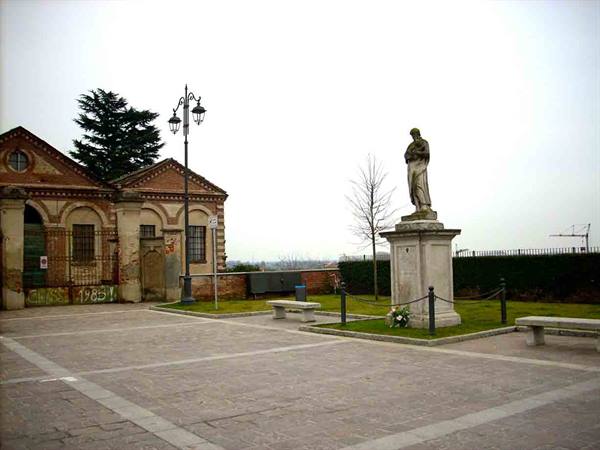
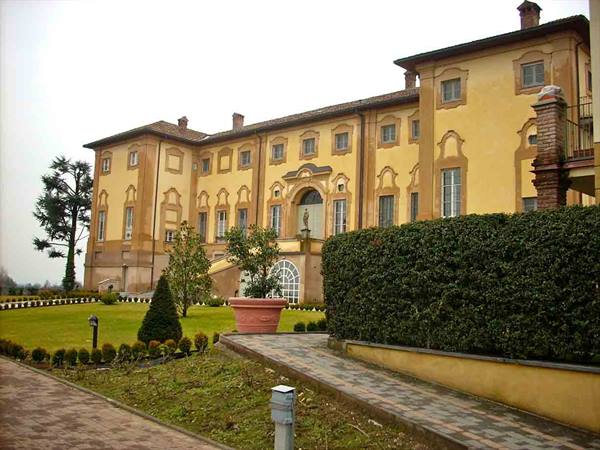
Beside the church opens a wide square with a view over the hills of the Oltrepò. Here stands the baroque Palazzo Olevano, also mentioned as a Castle, the residence of the dynasty of the same name that dominated this area for several centuries. On the edge of this viewpoint you can see the remains of an ancient fortification, with some stretches of ramparts with small arches, joined by an elevated bridge to eighteenth-century walls. But in Cava Manara it is not only the historic centre that attracts attention: its hamlets are also of great interest. The hamlet of Torre de' Torti, of medieval origin, in the eighteenth century was contested between the Savoys and the Austrians.
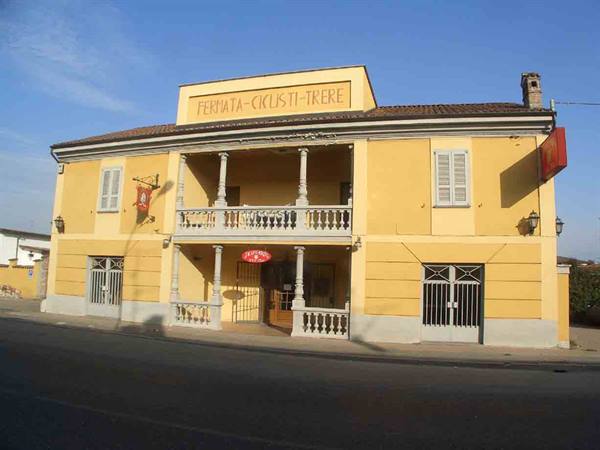
The territory belonged to the former, but the Austrians refused to hand it over, so from 1710 to 1738 a no man's land was created here, something that did not displease at all some criminals on the run who, while waiting to find the right path, could take refuge here without the risk of being caught. The hamlet of Gerrechiozzo was also once a municipality in its own right. The opening, in the nineteenth century, of the current Strada Statale dei Giovi gave rise to the development of a new centre, called Tre Re, from the name of a well-known inn in the area. The Tre Re hamlet became the capital of the municipality, which then in 1871 joined Cava Manara. "This was precisely the place where the cyclists of the Milan - Sanremo used to stop for a break.
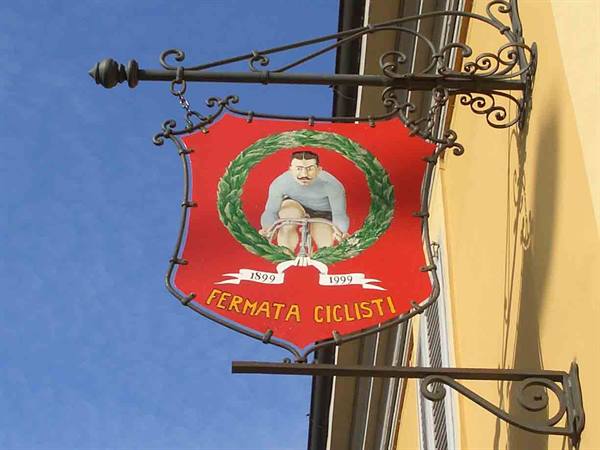
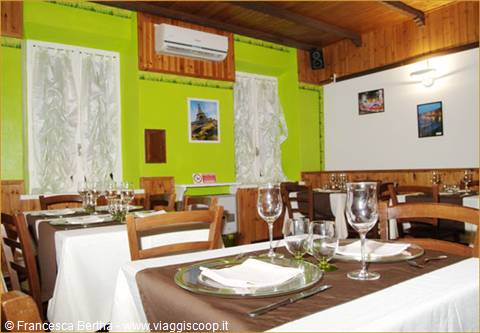
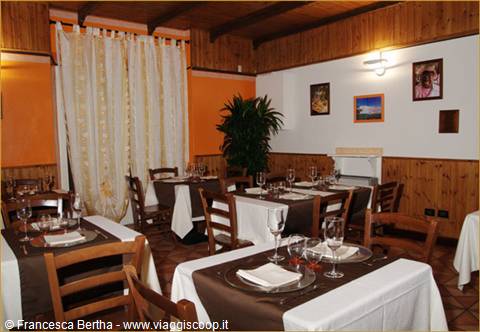
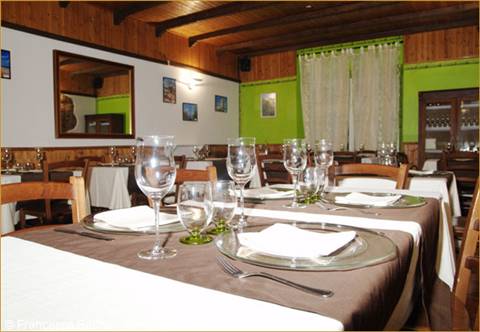
It is attested by the inscription "Fermata ciclisti" and the shield on the facade, repainted by me to bring its faded colours back to life," we learn from Mr Carlo Abbiati, owner of the Hostaria Tre Re, on Via Togliatti. We in fact decided to do as the cyclists who for over a century have faced the demanding race, and stop for dinner at the Osteria that gave its name to the hamlet. We settle in the orange room, where the dominant colour of the setting is also echoed by the colour of the bottom of the glasses, as well as in the green room, laid with glasses with a green base. "Food and wine have always been a passion of mine. After twenty years spent in the world of marketing, work that had led me to travel the world, I returned to my roots, realising my dream of opening a restaurant," Mr Carlo tells us of his story.
The menu is based on traditional dishes, with a touch of internationality here and there, also on the occasion of the Thursday themed evenings. We start with a platter of cured meats, fried frogs and alborelle, and the goose liver terrine. We follow these appetisers with the typical risotto with salame paste, the braised-meat agnolotti and the cheese ravioli. In choosing the main courses our group divides between the stewed wild boar, the lemon pheasant, the rib with potato rösti, the frogs in a light stew and the grilled eel. We wash these delights down with Bonarda dell'Oltrepò and Barbera, while some of us happily taste a South African wine. We crown our evening with the excellent homemade desserts, and although after this Lucullan dinner it would be very hard for us to jump on a bike, we return home enthusiastic and happy to have visited these places steeped in the myth of cycling.
Francesca Bertha
FOR INFORMATION:
Hostaria Tre Re Via Togliatti, 47, hamlet of Tre Re Cava Manara (PV) 0382/553949
The journey's photographs
15 photographs · click to open them full screen


0 reader comments