The story
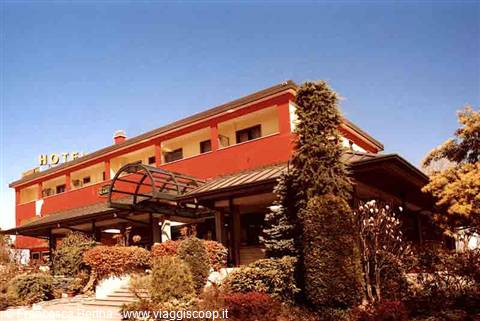
In one of the areas richest in canals and waterways of the Po Plain, on the banks of the Sesia river, surrounded by wide fields planted with rice, stands one of the most beautiful art cities of Northern Italy. Our Vercelli days were a succession of colours, of faces of characters who animate ancient paintings, frescoes and contemporary works, and of long walks that were regenerating even for the soul, among monuments of rare beauty. As soon as we arrive, we settle into the elegant rooms of the Hotel Cinzia, a business that has operated in Vercelli for four generations, after which we set off to discover the city. We are close to the centre, on Corso Magenta, so we combine the convenience of being able to leave the car in the hotel's large car park with the pleasure of reaching the most significant monuments on foot.
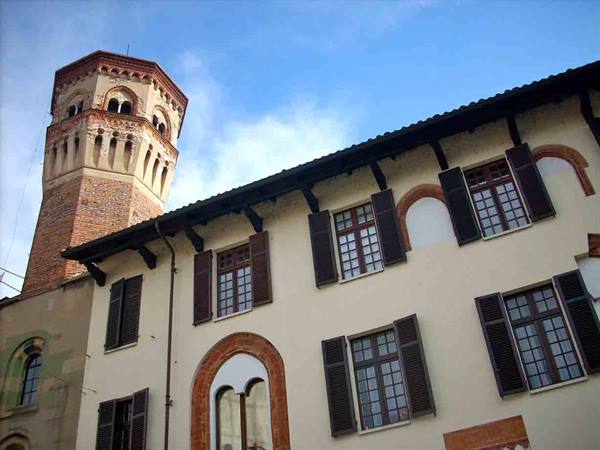
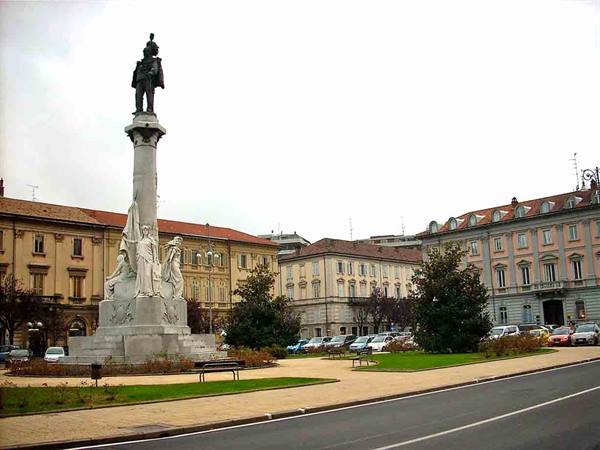
After all, as everyone knows, Vercelli is also the city of pilgrims, being one of the stages of the Via Francigena. This city boasts several records: it is, for example, the seat of the oldest university in Piedmont, dating back to the thirteenth century. But the cultural richness of Vercelli has even older roots: it enjoyed full Roman citizenship as early as 49 BC, and this meant the presence of roads, monuments, baths, as well as the aqueduct and the amphitheatre. Perhaps the most characteristic square of Vercelli is the medieval Piazza Cavour, with its ancient porticoed houses overlooked by the curious Torre dell'Angelo.
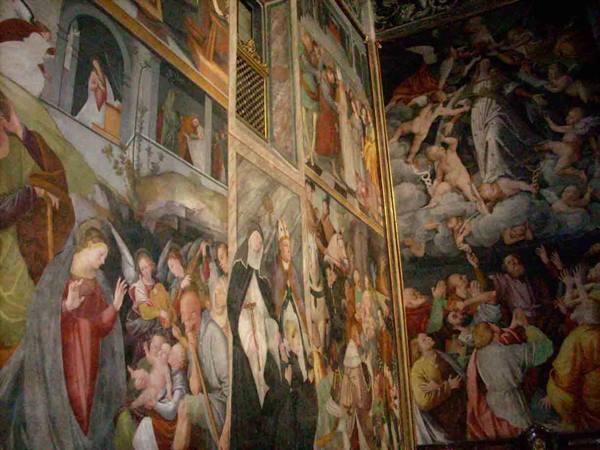
Our art-themed walk therefore starts from antiquity, crosses the Middle Ages, moves into the sixteenth century with Gaudenzio Ferrari, and then arrives at the modern age, thanks to the extraordinary exhibitions of the Guggenheim collection that every year attract thousands of people to the Arca di Vercelli. Moreover, in this city you find the second most important picture gallery in Piedmont, at the Museo Borgogna. One could say that for Gaudenzio Ferrari the Vercelli period was among the most important of his career. In fact, it was precisely in Vercelli that he devoted himself more to painting than to sculpture, creating magnificent frescoes inside the Church of San Cristoforo, considered by several scholars the pinnacle of Ferrari's artistic expression.
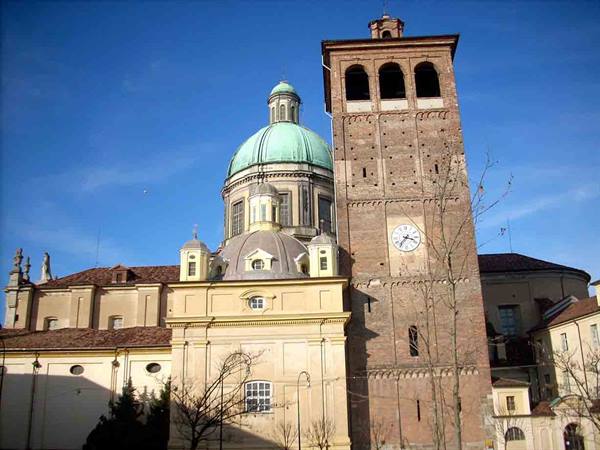
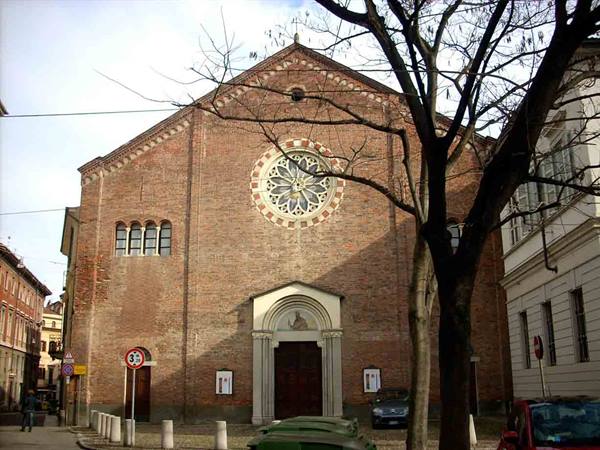
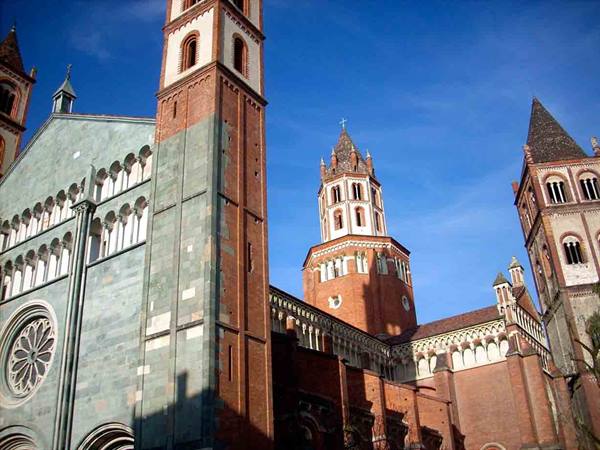
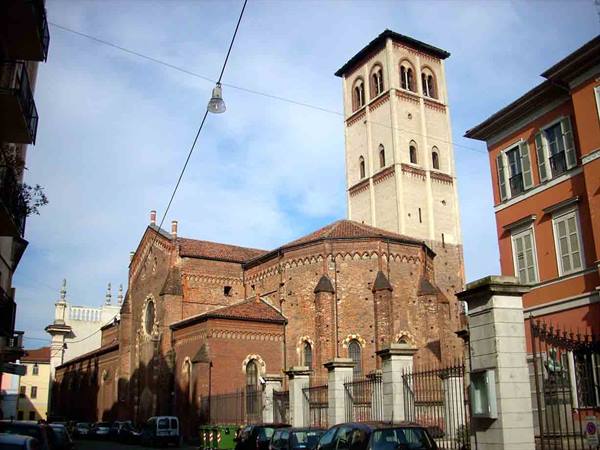
Vercelli's religious history is also remarkable, since its first bishop, Sant'Eusebio, who lived between 283 and 371, also famous for his commitment in the fight against the spread of the Arian heresy. In the square named after the bishop stands the Church of Sant'Eusebio, that is, the Cathedral of Vercelli. Another monument of extraordinary beauty is the Gothic Basilica of Sant'Andrea, built between 1219 and 1227. But in Vercelli even a deconsecrated church like that of San Marco is an unmissable attraction: not only for its beauty, but above all for the presence inside it of the famous Arca, an exhibition space inaugurated in 2007 and since then the venue of prestigious exhibitions set up in collaboration with the Guggenheim Foundation.
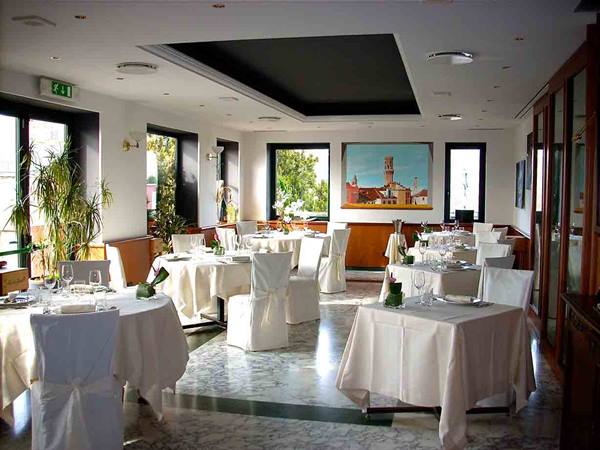
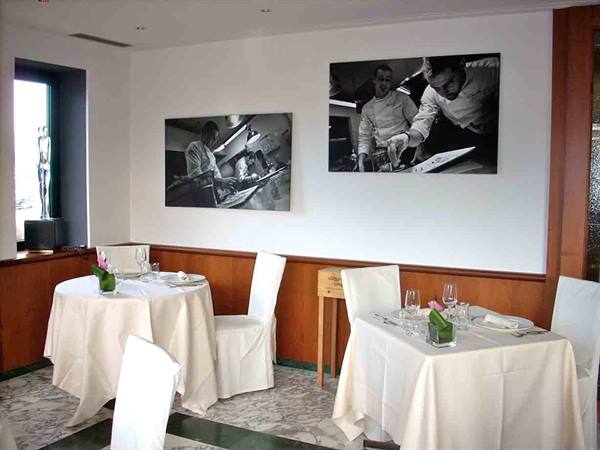
Until 5 June 2011 the new exhibition dedicated to Italian art will remain open, with works by artists such as Amedeo Modigliani, Lucio Fontana or Alberto Burri. After a day spent in art, our dinner too is a true contemporary signature experience, thanks to the creativity and imagination of the chefs Christian and Manuel Costardi. At the Restaurant-Risotteria of the Hotel Cinzia we witness a true evolution in the name of quality and the desire to bring new ideas into tradition, starting from the way the menu is presented. In fact, from the mere reading of the menu we are projected into a fantastic world, in which the dishes reinterpret the emotions of modern man, tied to his own roots, but also a traveller in a future to be explored. Our group chooses three different types of menu, called respectively "Emozione" (Emotion), "Territorio" (Territory) and "Passione" (Passion).
The Emozione starts with the red prawn of Mazara del Vallo in oil-cooking and the flavours of autumn, and the king crab, vegetable brunoise and crustacean reduction. It continues with the Vercelli Carnaroli rice with the flavours of the garden near the sea and with the sea bass darna with steamed foie gras, apple and passito sauce. We also taste a pre-dessert "Between fields, gardens and aromas". In the menu inspired by the territory we taste among other things the cube of tongue at low temperature, with the colours and flavours of the countryside, the panissa alla vercellese and the slow-cooked cheek and its reduction.
The pair of our friends who choose the "Passione" menu experience the pleasure of dishes such as the lobster and the sweetbread with Marsala and almond sauce, the Carnaroli rice with rabbit and duck foie gras and cream of Piedmontese cheeses and the pheasant marinated in extra virgin olive oil, with aromatic Barbera d'Asti superiore sauce. We conclude our dinner with desserts such as the "risaia d'inverno" (winter rice field), the "Mille follie al cioccolato" (A Thousand Chocolate Follies) and the "Ciocco Box, the evolution of chocolate": true art in sweetness.
Francesca Bertha
FOR INFORMATION:
Hotel Cinzia Christian and Manuel Restaurant - Risotteria Corso Magenta 4 Giugno 1859, 71 Vercelli 0161/253585
The journey's photographs
15 photographs · click to open them full screen




0 reader comments