Tripscoop›Europe›ITALY›A Piedmontese Castle on the Roads of Ancient Rome: A Walk in Pozzolo Formigaro
ITALY · Europe
The story
If we had arrived here a few years ago, around 140 BC, we would probably have travelled along one of the Roman consular roads that mark the municipal territory: the Via Postumia, also called the "Stradone dell'Imperatore", which passes on the east side, or on the west side the Via Aemilia Scauri, known as "Via Levata". The historic centre of Pozzolo Formigaro itself stands on a Via quintana, a demonstration of the strategic importance this town had since the most ancient times. Today an hour of motorway from Milan is enough to get here, exactly as we did with the intention of spending a nice day out. Leaving at the Novi Ligure toll booth, after a few kilometres you reach the town whose name would derive from the "pozzoli", places located along the rivers where small colonies once gathered to cultivate the land and to water themselves by digging wells.
Our walk begins from the most important monument of the town, the Castle, which bears witness to how this city, which today wins the tourist over with its tranquillity, was once at the centre of numerous rather fierce warlike events. The Castle of Pozzolo stands on the top of an alluvial terrace overlooking the plain, and is part of the Castelli Aperti circuit of Piedmont. It was built in 1092 by the people of Tortona, and for seven centuries this fortified village represented a very effective bulwark against Genoese expansionism in the Oltregiogo. After the destruction of Tortona by Frederick I Barbarossa, the Castle fell under the emperor's dominion, then returned to its legitimate owners thanks to Obizzo Malaspina, who reconquered it with the help of the Milanese.
A witness to centuries of rather eventful history, today the Castle houses the Town Hall and inside it preserves, besides frescoes that originally were in the Church of Nostra Signora delle Ghiare, also a fifteenth-century wooden Madonna. If in Roman times the roads around Pozzolo Formigaro were of primary importance, so it was also in much more recent times, thanks to those who travelled them on two wheels: the cycling champions Fausto Coppi and Costante Girardengo, both born a very short distance from here (Coppi in Castellania and Girardengo in Novi Ligure, where the Museo dei Campionissimi is located), often trained along the roads connecting the neighbouring towns. Franco and Nino Rota, famous cycling journalists, were instead from Pozzolo Formigaro. The namesake of the famous composer was for many years a cycling reporter for the Gazzetta dello Sport.
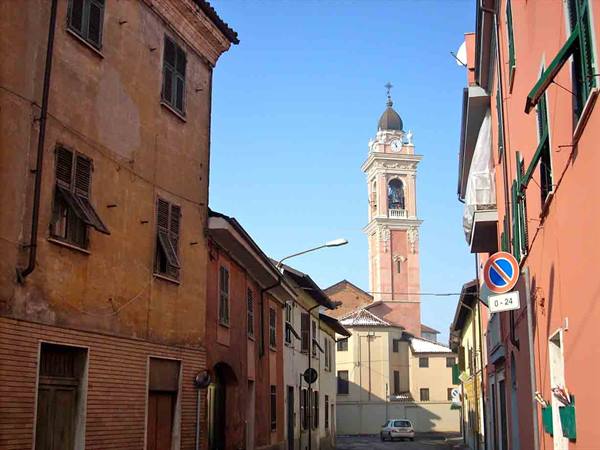
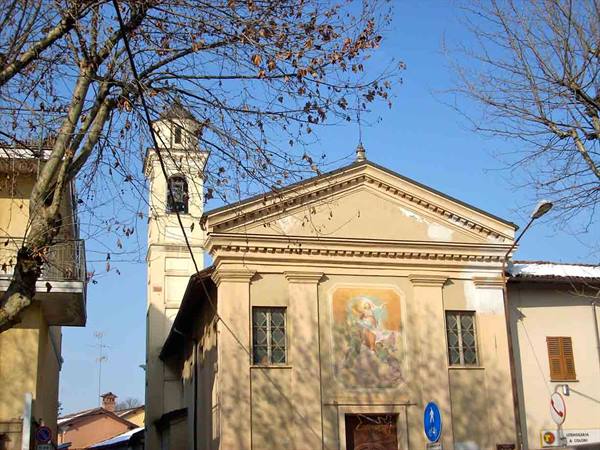
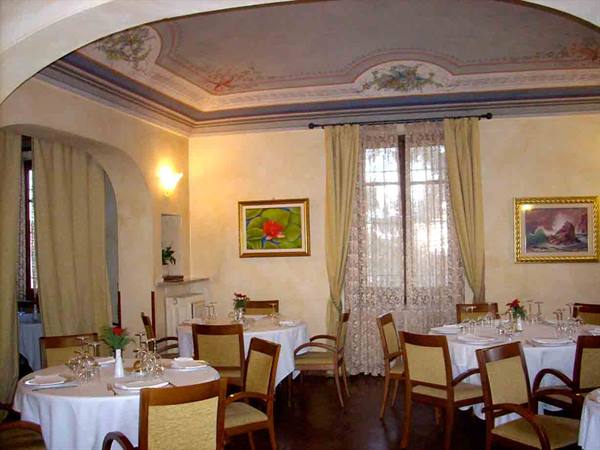
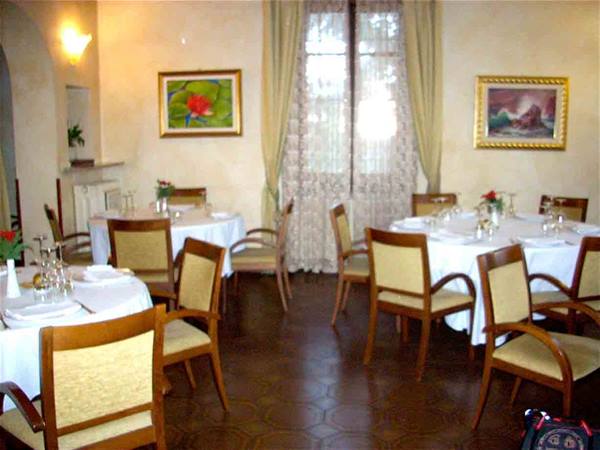
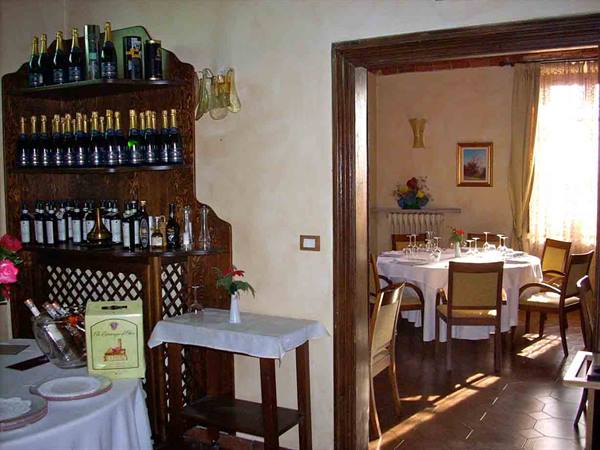
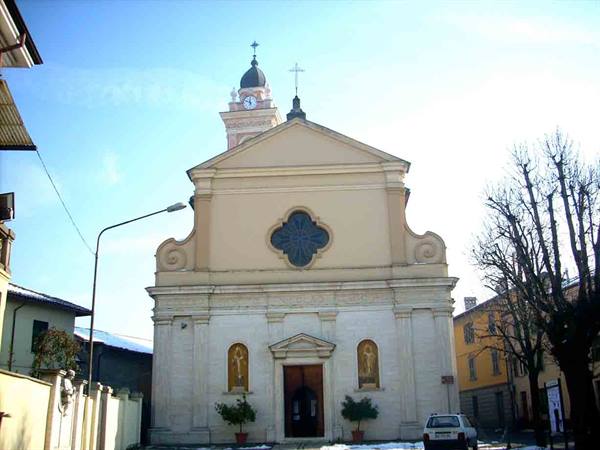
During our walk we admired several beautiful churches such as the Parish Church of S. Nicola, the Parish Church of S. Martino Vescovo and the two Oratories, of the Assunta and of the S. Trinità, also called those of the "Battuti Bianchi" and of the "Battuti Rossi", according to the colour of the confreres' capes. Chatting with the locals we learned that an important polyptych dedicated to San Sebastiano, made up of ten panels and coming from the Church of the Ghiare, is kept at the Walters Art Gallery in Baltimore. We stay in the historical-artistic vein also for our dinner, choosing the Ristorante Villa Roma, on Via Novi. As the name says, it is a beautiful early twentieth-century villa, brought back to its former splendour with a careful renovation carried out about five years ago by the owners.
"Since I am Tuscan, we do both Tuscan and Piedmontese cuisine, and this choice is appreciated also by the groups that arrive by coach as well as by the families who choose this location for communions or weddings," the owner, Mr Rino, tells us. We have no difficulty imagining how the large garden we crossed on entering could be the ideal place for buffets during the warm season. "Traditions must not be touched. We believe that polenta is polenta, stracotto is stracotto. These dishes must be prepared as they have been prepared for hundreds of years, without changing them. At most, to stay lighter, you can eat smaller portions," this is the restaurant's philosophy, clear and simple. After the rich house appetisers, we continue with risottos with four cheeses and with champagne, while our friends have the raviolini del plin, with braised-meat sauce.
In choosing the main courses our group divides between the Chianina rib, the stracotto with braised meat and the tagliata of Piedmontese fassone, all cooked to order, like the desserts too, all homemade. We wash these delights of the best tradition down with excellent Piedmontese and Tuscan wines, such as Chianti, Barbera and Dolcetto d'Ovada. The warm season is at the door, and since we had a good time in Pozzolo Formigaro, we will certainly stop here again during the summer too, when we are returning from the sea.
Francesca Bertha
FOR INFORMATION:
Restaurant Villa Roma Via Novi, 20 Pozzolo Formigaro (AL) 0143/419204
The journey's photographs
13 photographs · click to open them full screen





0 reader comments