Tripscoop›Europe›ITALY›A Glorious Lombard History on the Banks of the Olona River: A Walk in Legnano
ITALY · Europe
The story
"Among all the cities of Lombardy it is praised as the rose or the lily among flowers, as the cedar in Lebanon, as the lion among quadrupeds, as the eagle among birds, so as to appear like the Sun among the celestial bodies". With these words full of enthusiasm the greatest Lombard poet and writer of the thirteenth century, Bonvesin de la Riva, who lived here until 1288, wrote of Legnano. The destination of our "just outside the city" day was precisely this grand city of the province of Milan, located about twenty kilometres from the Lombard capital. If in the thirteenth century Legnano was admired for the fertility of its lands and the consequent well-being, today it strikes you for its quiet and very liveable atmosphere, despite the presence of numerous companies.
Since the eighteenth century the farmers of Legnano supplemented their work in the fields with manufacturing activities carried out at home, turning into spinners and weavers of cotton, wool and silk. In fact, it was then particularly the textile industry that developed, with the cotton mill founded by Eugenio Cantoni. Later the mechanical industry also became decisive, thanks above all to the Franco Tosi company. The lifestyle that revolves around productivity and looks to the future lives peacefully in Legnano alongside the most ancient traditions that sink their roots into the legendary events of the city's history. Here took place, in 1176, the Battle of Legnano, in the course of which the troops of the Lombard League, probably led by the mythical commander Alberto da Giussano, defeated the emperor Frederick I Barbarossa.
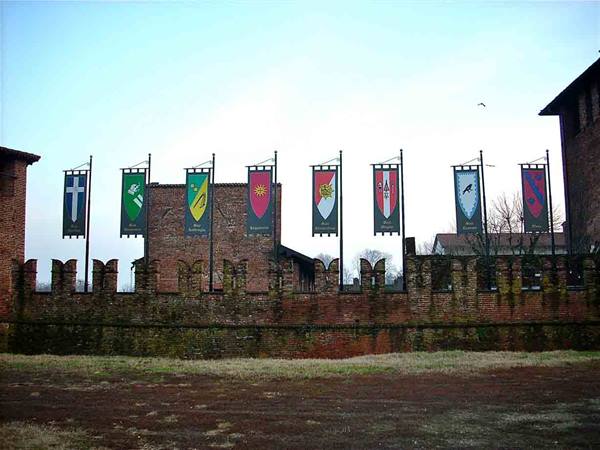
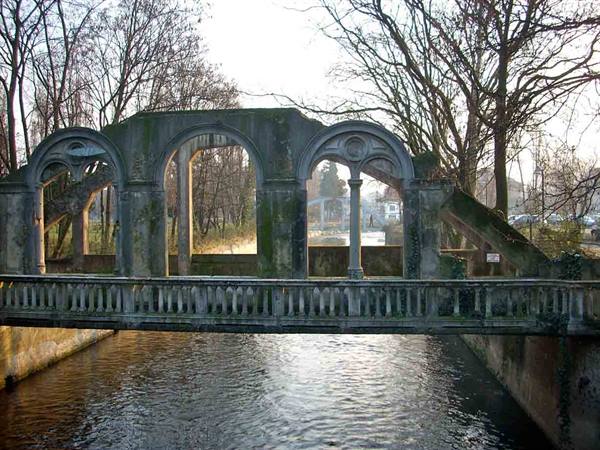
Even Mameli's anthem recalls this historic battle: "From the Alps to Sicily, Legnano is everywhere", and Legnano is also the only city, besides Rome, to be mentioned in the anthem. At the end of May every year the people of Legnano pay homage to the memory of the battle by celebrating the Palio of the eight historic districts. Legend has it that Barbarossa then fled through an underground tunnel that connected San Giorgio su Legnano and the Castle. Among the stops of our walk in Legnano, the monument of Alberto da Giussano, a work of 1900 by the sculptor Enrico Butti, could certainly not be missing, nor the imposing Legnano Castle, which stands on an island of the Olona river and was renovated and reopened to the public in 2005.
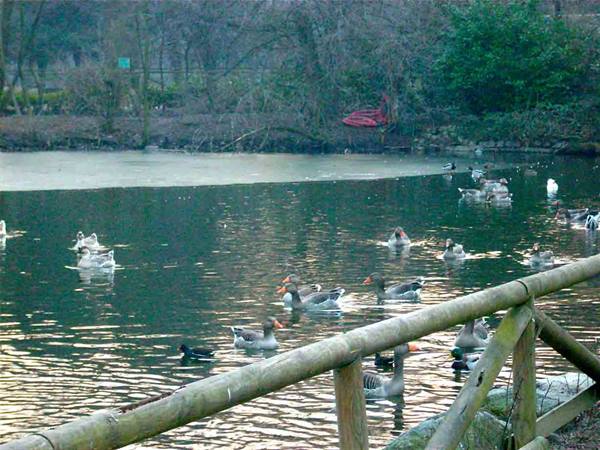
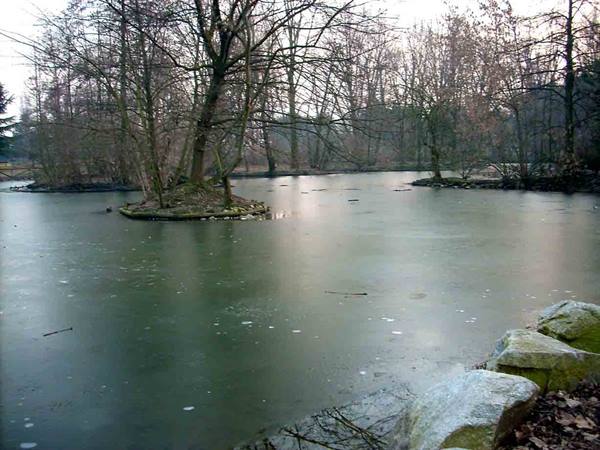
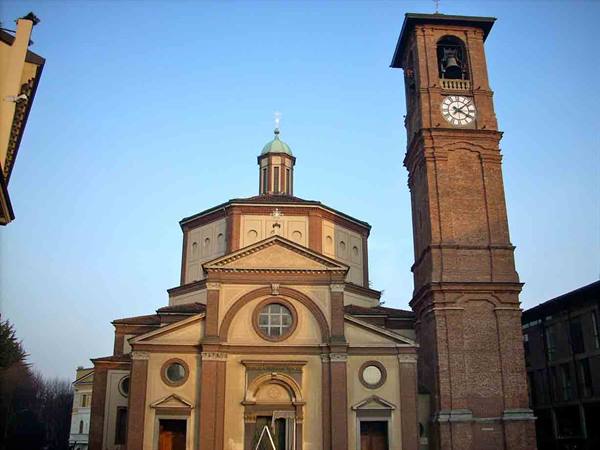
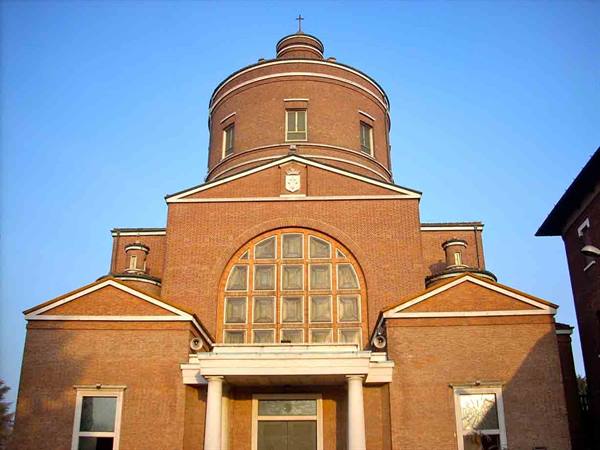
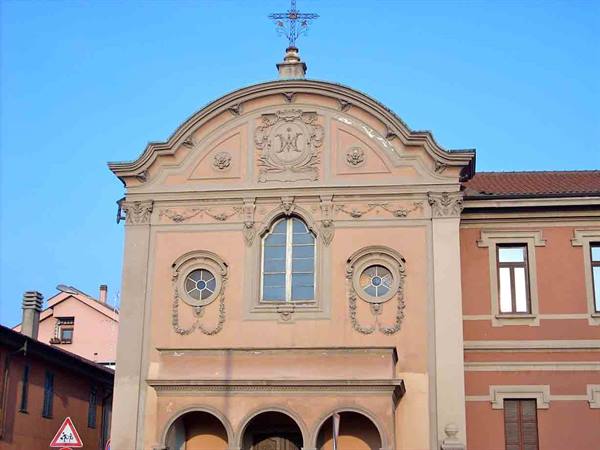
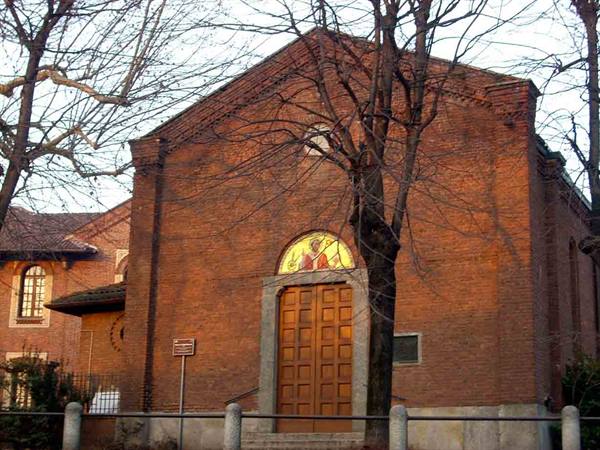
Beside the Castle is the wonderful Parco di Legnano, a vast green area with numerous conifers, inhabited by many little squirrels and water birds that we admired in the little lakes and streams, in which a multitude of fish species live. Legnano also has an important religious heritage: besides the Basilica of San Magno, the main church built from 1504, in the city there are about twenty churches. Among these we visited the Sanctuary of the Madonna delle Grazie, built following a Marian miracle that gave back the gift of speech to two deaf-mute children, and the church of the SS. Redentore, in the district of Legnarello. After these very pleasant tours in Legnano's history, we decided to stop to eat at a restaurant recommended to us by a friend who often comes here for lunch and who spoke very highly of the lunch menu and the pizzas of the place.
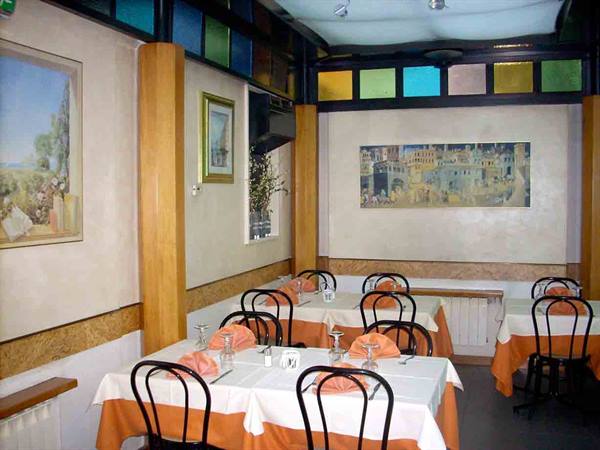
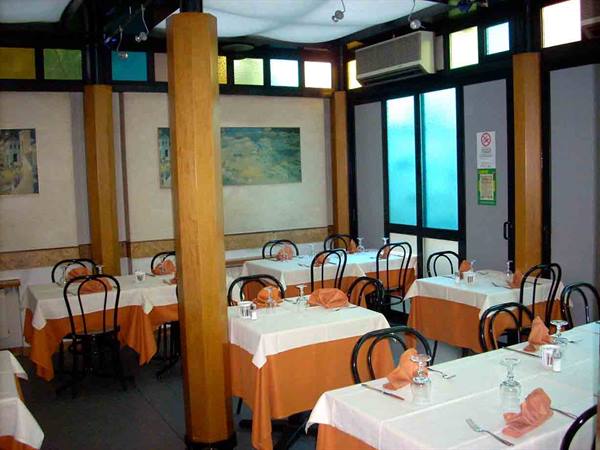
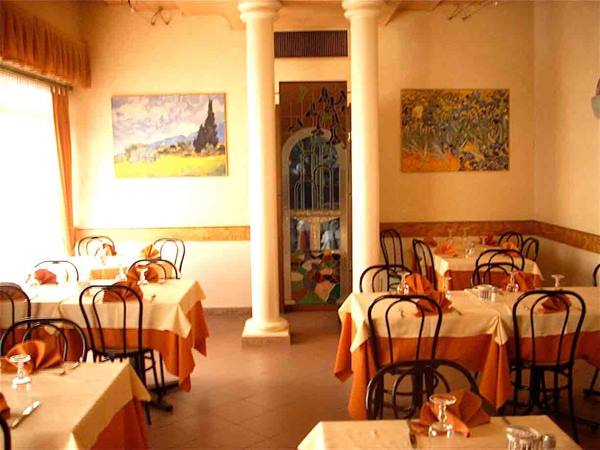
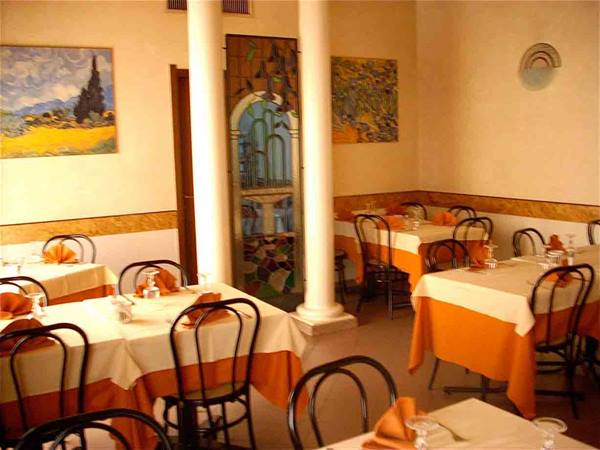
We therefore settle at the tables of the Ristorante Al Cantuccio, on Via Manzoni. "We have been here for about four years, but the place is historic, it must be at least thirty years old," the owner tells us as we begin to study the menu. Our group is made up of some fish lovers, a couple of "carnivores" and two young people who immediately throw themselves on the list of as many as 65 pizzas, choosing the Pizza Soleluna and the Pizza Pazza. We therefore start with appetisers according to each of our tastes: the Gran Misto del Pescatore for the seafaring souls, with gratinated scallop, mixed fry, warm octopus, marinated salmon, stewed moscardini and polenta, while the lovers of the land choose the Gran Misto del Contadino, with sopressa, sautéed mushrooms, polenta and taleggio.
We continue with the paccheri with sea bass and with the Cantuccio's sea bream with seafood, while our friends choose the pumpkin gnocchi with Fontina cream and walnuts, the risotto with pears and taleggio, and as a main course, the beef strips with matchstick vegetables. We wash these delights down with excellent wines, including Morellino di Scansano and Brunello di Montalcino. We close in great sweetness with the speciality of the place, the Cantuccio Ciok, garnished with hot chocolate, and with crêpes with ice cream and hot chocolate. After this lovely day we can acknowledge that Bonvesin de la Riva was right: Legnano is truly a city worth visiting. We will try to drop by again, perhaps on a Thursday evening, to take advantage of the wine tastings too, with paired dishes, offered at the Cantuccio.
Francesca Bertha
FOR INFORMATION:
Restaurant Pizzeria Al Cantuccio Via Manzoni, 17 (corner of Via Porta) Legnano (MI) 0331/441160
The journey's photographs
17 photographs · click to open them full screen





0 reader comments