The story
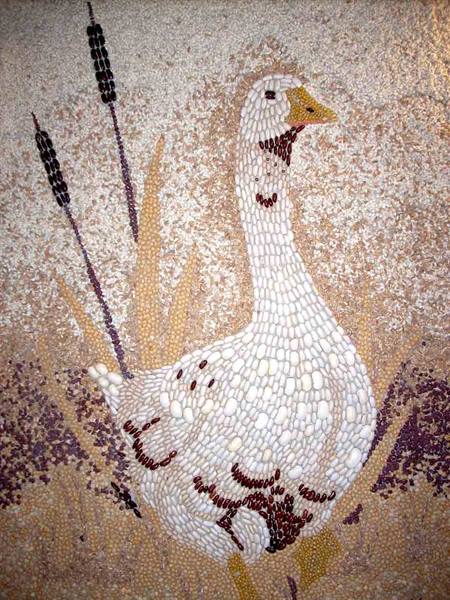
If it were a riddle, it would give many people a hard time: which animal is one of which nothing is thrown away, that while grazing cleans the banks, that once provided the main dowry of girls of marriageable age, and that has been considered the best guard animal since antiquity? Not the pig, with all due respect: this animal with so many “superpowers” is the goose. This time the destination of our weekend was, so to speak, the capital of the goose, namely Mortara, a beautiful little Lombard town in the Lomellina, famous for millennia for its webfooted friend. The verses of Guido Da Cozzo date back to the 13th century, saying “There is in Mortara on the bank of the Mill an inn called ‘becco’ that satisfies the peasant's palate with fat geese and honest dry wine, and you also find goose salami on display that brings joy to anyone who tries it”.
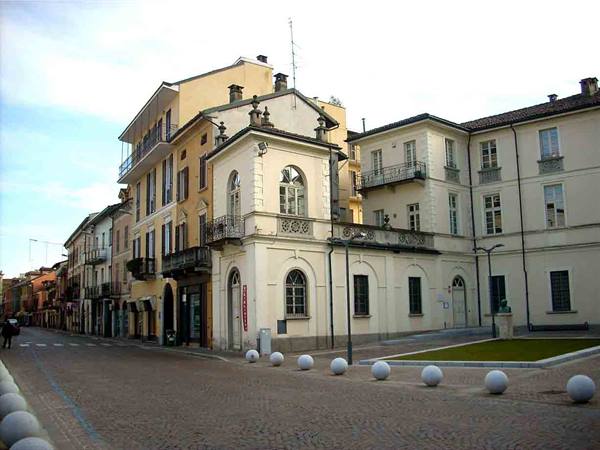
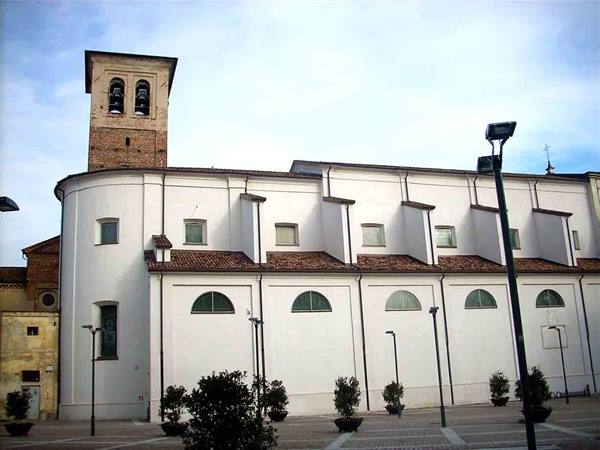
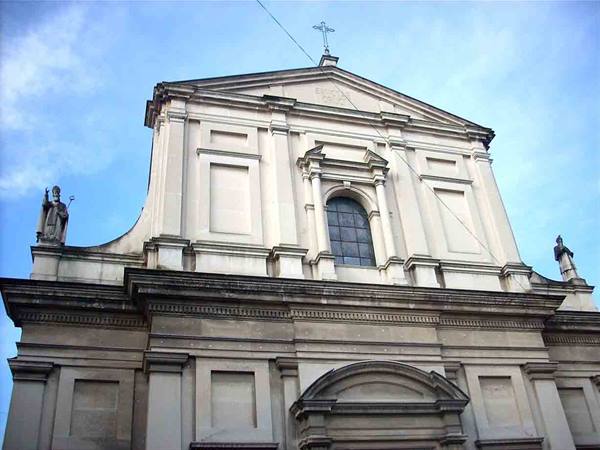
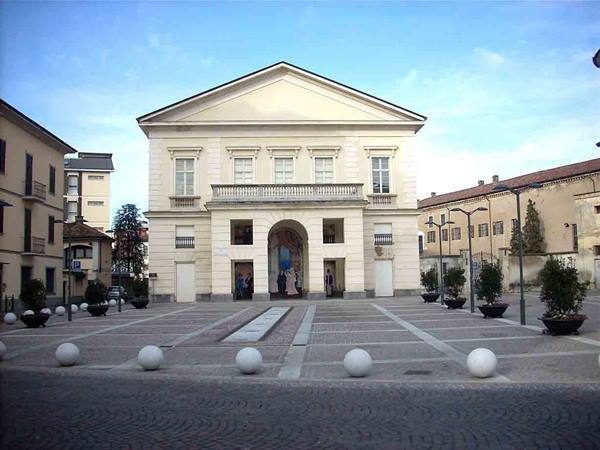
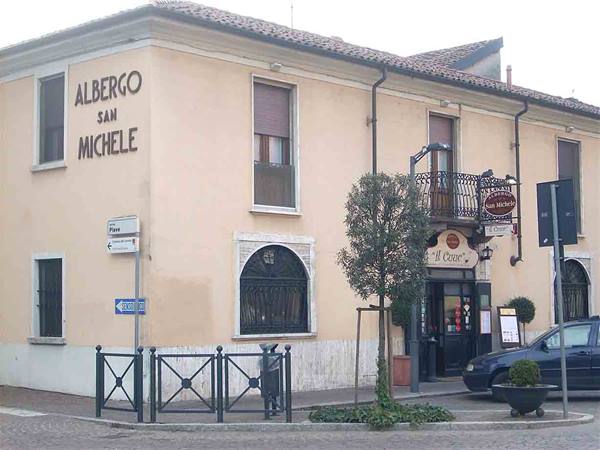
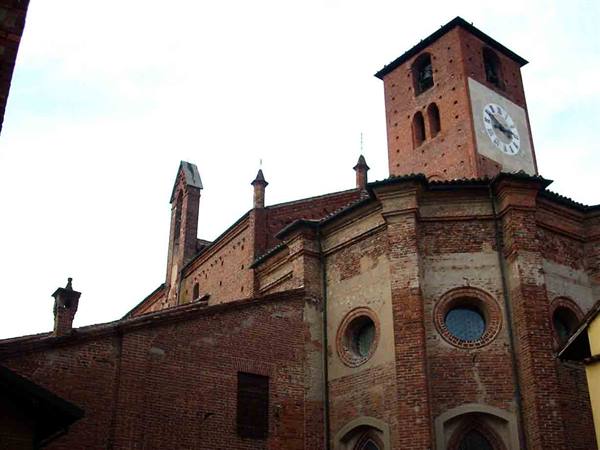
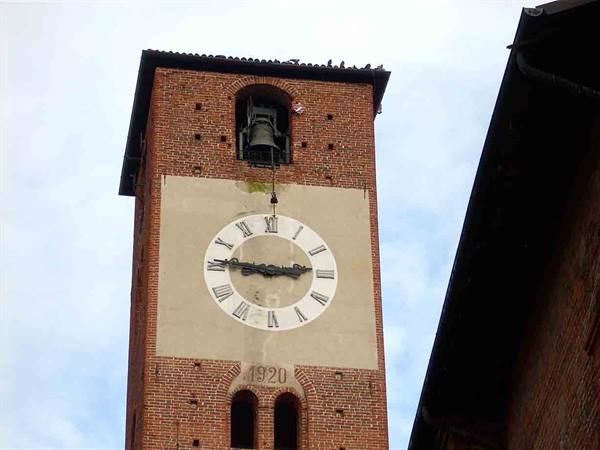
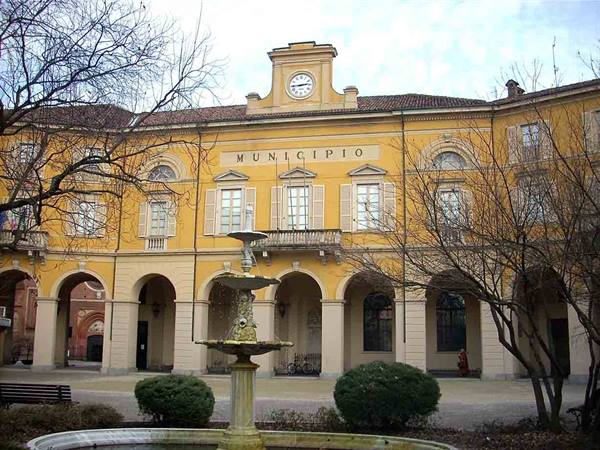
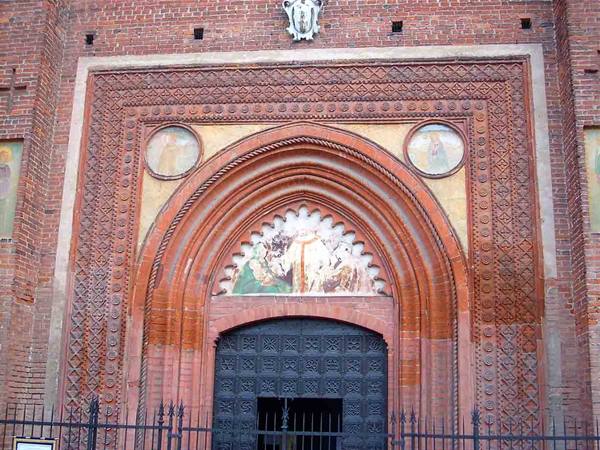
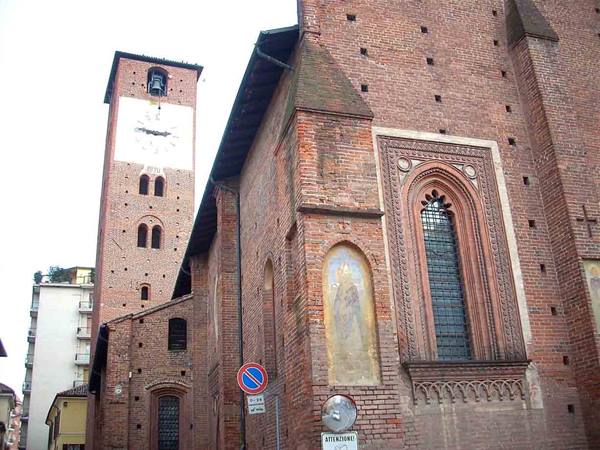
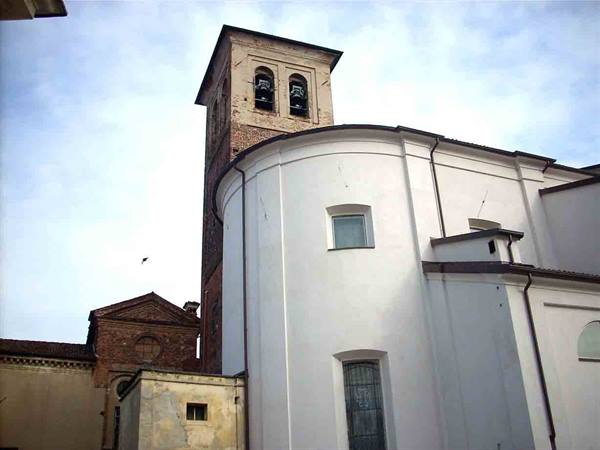
We arrived in Mortara on a mild winter day, which made it easy for us to appreciate this town on the Via Francigena, once called Bel Diporto. The name Mortara, on the other hand, recalls the fallen of a ferocious battle between Lombards and Franks that took place in 773. We settled into the Albergo San Michele, on the very central Corso Garibaldi, and went to discover the town. The most evocative monument is the Basilica di San Lorenzo, built between 1375 and 1380 in Gothic style, with numerous works of art inside, including panels and frescoes. We also visited the Abbey of Santa Croce, rebuilt in the 16th century within the city walls, following an initial construction in 1080 outside the walls.
Walking through the centre, we had our first encounter with the city's symbolic animal at the Corte dell'Oca, the shop of Gioachino Palestro, an award-winning producer of goose-based delicacies such as the famous Mortara goose salami, liver pâté and cured goose ham. “Some Jewish communities, authorised by Ludovico il Moro to produce goose charcuterie as far back as 1460, imposed a ban on using pork to make sausages for religious reasons. Today we make the Ecumenical salami, a rediscovery of my son Daniele: a pure goose charcuterie, which represents a delicacy of peace for the monotheistic religions”. We learn from Mr Gioachino that in Mortara, on the last Sunday of September each year, a grand Goose Festival is held, with parades in period costume and a very colourful Palio in which the town's seven contrade compete in the fun Gioco dell'Oca with living “pieces”.
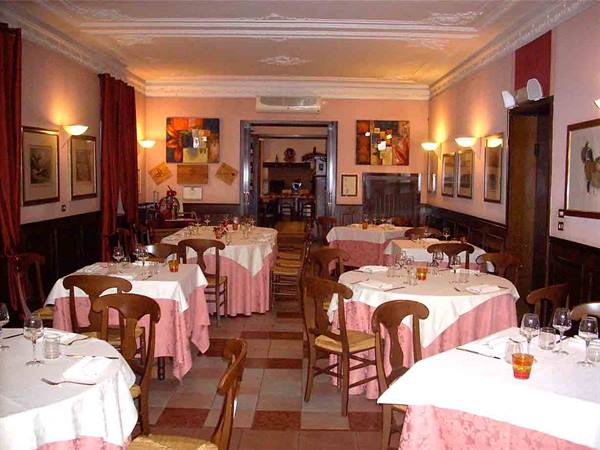
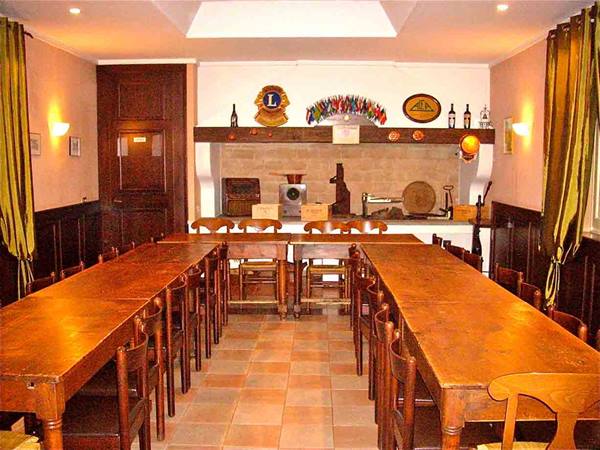
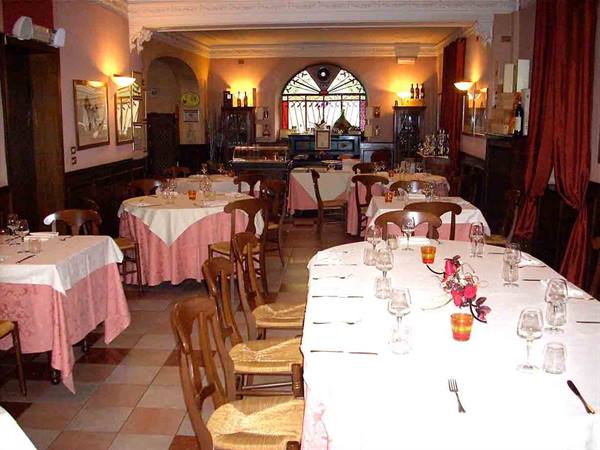
Mr Gioachino, a genuine enthusiast on the subject, also clarifies once and for all why geese are compared to the female world: “Geese are very clean, indeed one might say vain. And their fat has been used as a beauty product since the time of the Egyptians”. At this point, all that remains is to move from theory to practice, taking our seats at the table of the Ristorante “Il Cuuc”, at the Albergo San Michele. The restaurant is run by Davide, Mr Gioachino's other son. We immediately wonder what the name of the place means. “It's simply an invented nickname given to me in the family when I was still a child,” Davide explains, presenting the menu, which lists no fewer than ten different dishes, all based on goose. So we decide to choose a tasting menu, called Il Gioco dell'Oca.
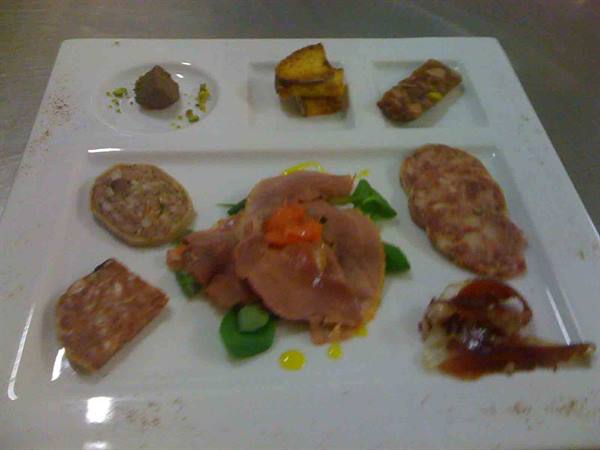
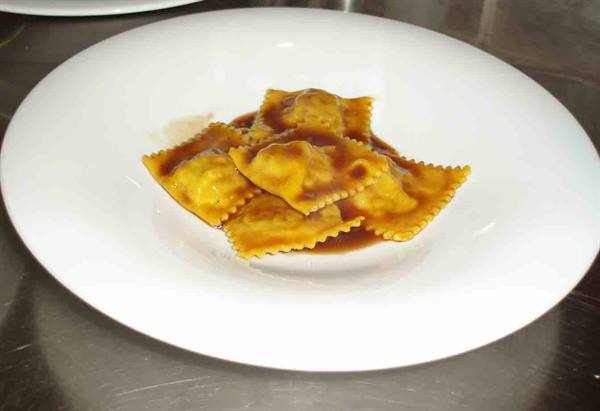
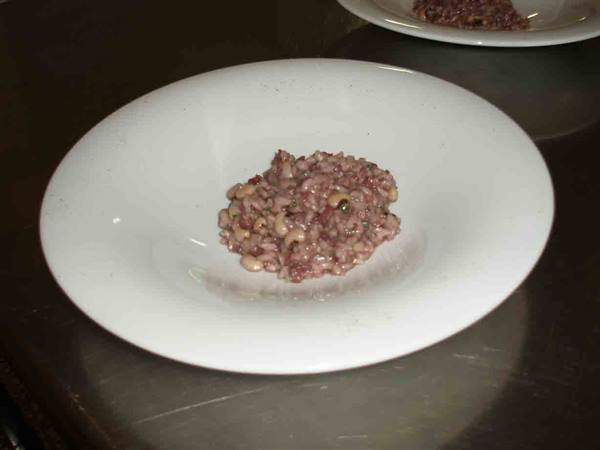
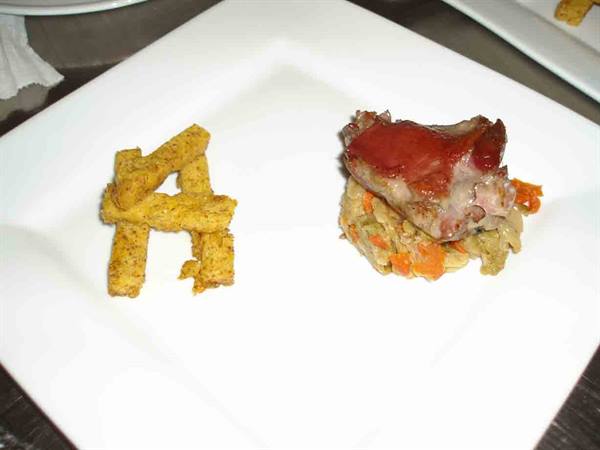
We start with starters such as the small salad of goose breast with fine herbs, pink grapefruit, saffron glaze and “winter smoke”, a presentation of goose charcuterie and delicacies, and “Classic and variation” of goose foie gras, fig bread, “orto-frutta” compotes by il Cuuc. We follow these good things with a Carnaroli risotto with Bonarda, goose salami pulp and black-eyed beans, and with ravioli of goose stew and brown stock. After the exquisite first courses we move on to another traditional dish, the little quarter of goose thigh in sweet cooking, served with savoy cabbage and polenta. “This is a reinterpretation of goose ragout; the goose is cut into pieces and cooked for many hours on a slow heat, as our grandmothers used to do”. Some of us instead taste the roast goose of the Lomellina, also the result of 5-6 hours of cooking at low temperature.
We also taste some delicious focaccia with crackling and appreciate how even the roast potatoes are prepared with the addition of a spoonful of goose fat. We close on a sweet note with a nice “Tuffo in Piemonte”, dipping the Ochine di Mortara (a shortcrust pastry made with goose fat) into a glass of Brachetto d'Acqui or Moscato d'Asti. We'll return to Mortara in the warm season, to do “Tri pass in piasa”, on the occasion of the white nights that from May to September take place on the last Friday of every month, and we'll thus be able to enjoy another lovely goose-based dinner sitting at the outdoor tables.
Francesca Bertha
FOR INFORMATION:
Ristorante “Il Cuuc” Corso Garibaldi, 20 Mortara (PV) 0384/99106
The journey's photographs
22 photographs · click to open them full screen


0 reader comments