The story
This time we decided to follow in Napoleon's footsteps, "conquering" a beautiful city of art on the banks of the Adda river, in one of the loveliest areas of the Po Valley. The charm of these places was already known to the Boii Celts, whose ancient village, Laus Pompeia, stood right here. In Roman times the town was a flourishing commercial and agricultural settlement thanks to its strategic position, at the crossroads of many important roads of the North. Today's Lodi, however, was founded by the emperor Frederick Barbarossa on 3 August 1158, after in 1111 Laus Pompeia was razed to the ground by the Milanese, with a ban on rebuilding the demolished buildings. During our walk we discovered that Lodi is also a bit of a town of miracles: the Tempio Civico dell'Incoronata rises on the site where a brothel once stood, beside an image of the Madonna.
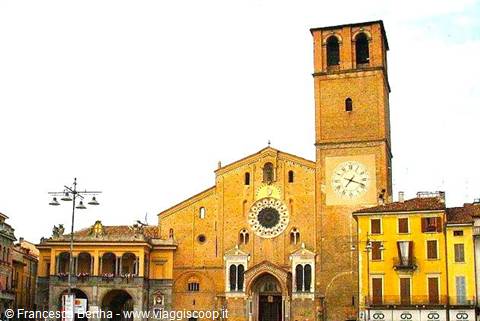
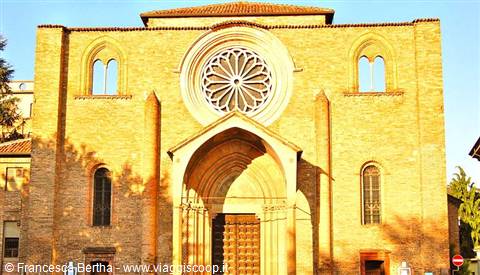
Various miraculous events are attributed to this image, following which the devout population decided to erect the Temple. At the Church of Santa Maria Maddalena, on the other hand, a miraculous Crucifix is venerated, found intact among the piers of a bridge after a flood of the Adda. One of the largest churches in Lombardy is the Duomo of Lodi, which they began building on the very day Barbarossa refounded the town. A splendid unfinished work, on the other hand, is the Church of San Francesco, whose imposing terracotta facade has never been completed. Inside are preserved the remains of several illustrious figures, including those of the poet Ada Negri. The artistic production of Lodi also extends to the famous Vecchia Lodi ceramics, which today can also be admired at the Museo Civico.
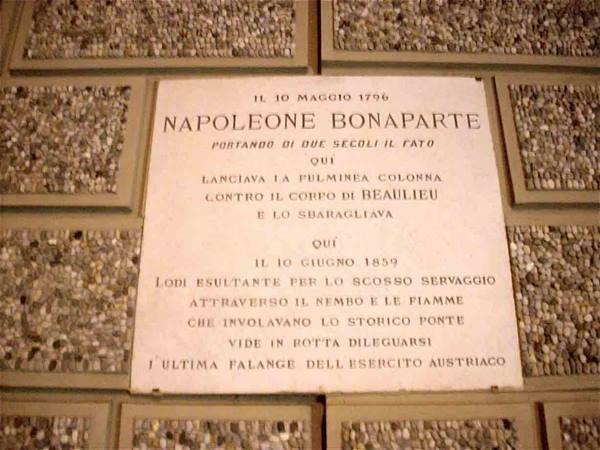
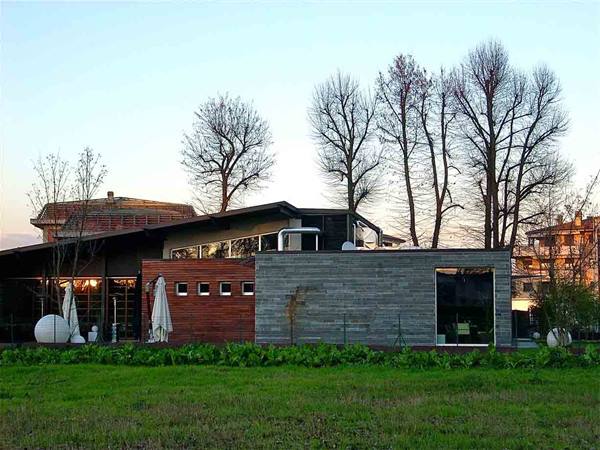
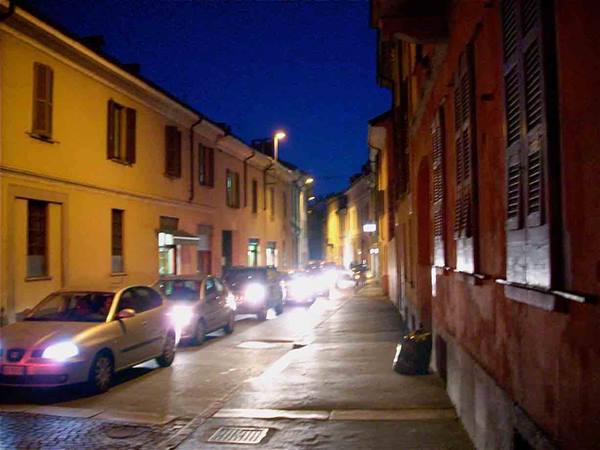
Coming thus to Napoleon's time, we arrive at the beautiful Bridge over the Adda, near which the famous Battle of the Bridge of Lodi took place in 1796, in which Bonaparte defeated the Austrians. The important historical event is remembered by a plaque, but also by a painting by Giuseppe Pietro Bagetti. Today's bridge, which we admired bathed in evening lighting, was built in 1864 on the site of the original wooden bridge. Crossing it opens a suggestive panorama over the Adda, which also includes the cycle paths along the river. After this journey through time, we decide to crown our day with a veritable journey in the sign of the fusion of cultures. If behind us lies the history of Lodi, entering the Ristorante Future Fusion, which is very visible from the walk along the Adda, in the immediate vicinity of the Bridge, as if by magic, we find ourselves in the Far East.
"In America they say When East meets West. This is our philosophy: we have created an environment where it's possible, for one evening, to travel mentally to another city," Dixiao, the young Chinese owner who runs the place together with his brother Chang, explains. "We come from a family of restaurateurs, and since we grew up in Lodi, thinking of a place that fused the two cultures was natural for us. We prepare dishes of the Japanese tradition, but using only the best Italian ingredients, chosen with great care. That's how the true fusion of cultures in the kitchen is achieved," the two brothers explain. Talking with them, the stereotypes about ethnic restaurants are immediately forgotten; Dixiao and Chang have a thorough knowledge both of Italian food-and-wine culture and of the history of their own town.
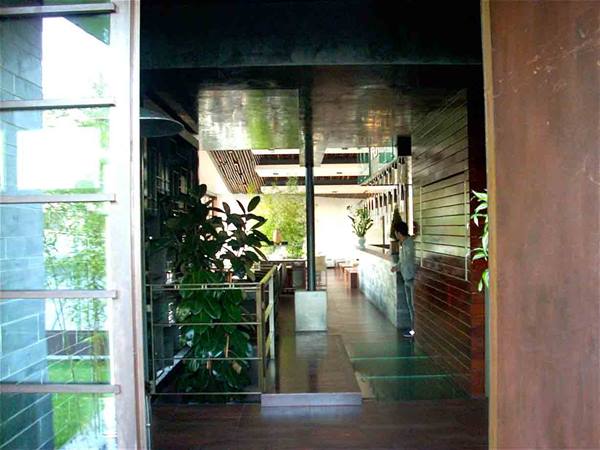
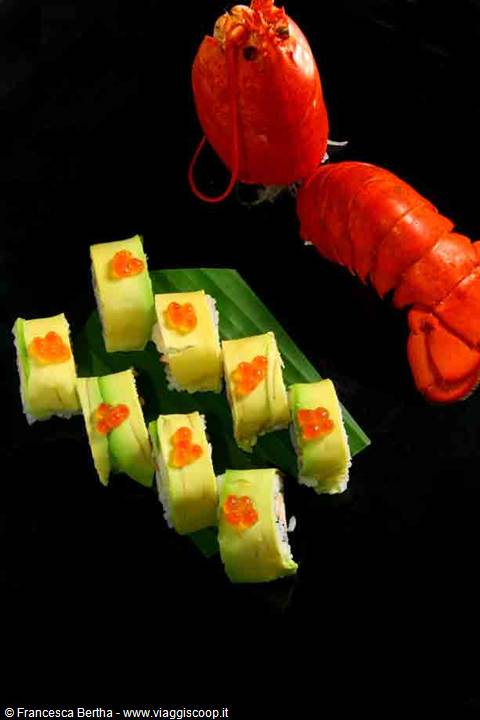
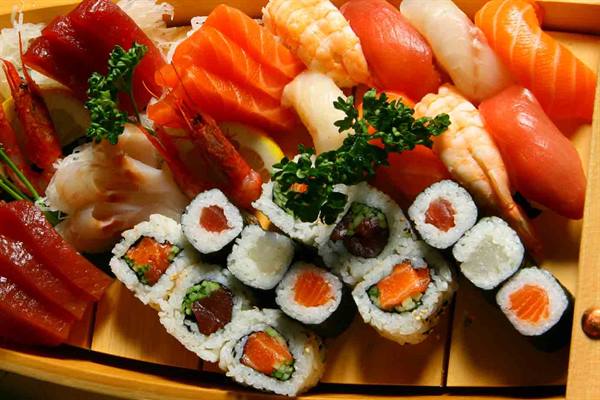
Our dinner in the modern, warm setting of the restaurant begins with an absolutely fusion starter: sushi and sashimi with many types of fish, including Sicilian prawns, then the gunkan ues tuna, that is, little tuna buns, with white Alba truffle, and the tempura of courgette flowers stuffed with prawns. We continue our journey between West and East with first courses that revisit Italian dishes with the imagination of the East, and we taste a seafood carbonara, made with fresh tagliolini with tuna, quail egg and mullet bottarga. Some of us choose the rice tartlet with cuttlefish ink and Japanese plums, while the rest of the group opts for the green tea spaghetti: these are buckwheat spaghetti, sauteed Italian-style, with clams and cherry tomatoes.
We follow these delights with the classic mixed tempura and the gindara, that is, black cod with pepper, which is nothing other than Alaskan black cod. We accompany it all with excellent Tuscan and Piedmontese wines, chosen from the numerous labels available. Our evening continues with an after-dinner in the sign of dance music and exotic cocktails. At a certain hour a saxophonist and a percussionist also arrive, accompanying the DJ at the console, so our very pleasant Lodigiano "fusion" day closes to the rhythm of music and dance.
Francesca Bertha
FOR INFORMATION:
Future Fusion Via P. Ferrabini, 5 Lodi 0371/426501
The journey's photographs
17 photographs · click to open them full screen







0 reader comments