Tripscoop›Europe›ITALY›In the Footsteps of Saint Nicholas and the Pilgrims: A Tasty Trip to Piacenza
ITALY · Europe
The story
Hannibal's crossing of the Alps, with ninety thousand men and thirty-seven war elephants in tow, was certainly no easy feat, to the point that only about a third of the men and twenty-one pachyderms survived the inhuman ordeal. To this day, scholars do not agree on the exact place, on the precise pass of the crossing, but one thing is certain: once he reached the Po Valley, Hannibal's army moved on, and it took the breaking of his horse's bit at the gates of Piacenza for a place name, Rottofreno, to remind posterity of the commander's passage. Fortunately our trip was much less demanding: for the sake of convenience, we set off with no elephants in tow and drove for only about an hour to reach what is often called the City of Palaces, thanks to the presence of numerous aristocratic and bourgeois residences, including 'the Gothic', the palace that houses the Town Hall.
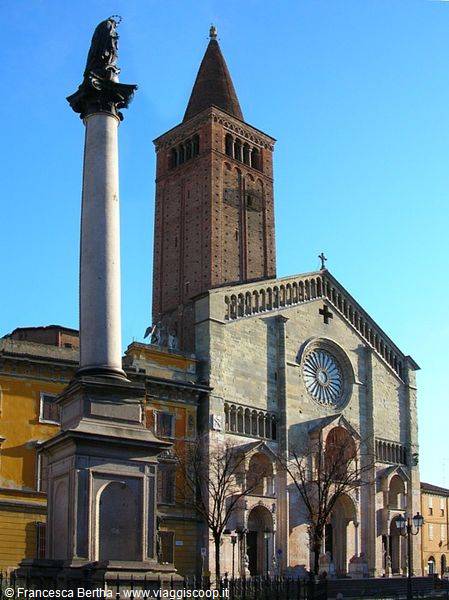
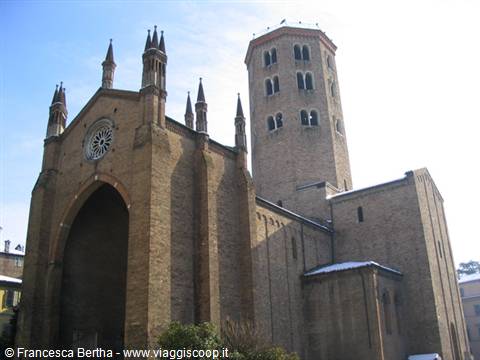
Piacenza is a really very pleasant city, full of gardens, as well as a long series of monuments bearing witness to the era of the Duchy of Parma and Piacenza. We began our tour from the Duomo and went on to visit the Basilica of Sant'Antonino, the patron saint. In this Romanesque church, commissioned by Saint Victor, the first bishop of Piacenza, the delegates of the Lombard League and the emperor Frederick Barbarossa gathered in 1183 to sign the preliminaries of the Peace of Constance. The Basilica preserves inside it the relics of the Christian martyr Antonino, as well as five canvases by De Longe depicting scenes from the saint's life. Piacenza gave birth to numerous figures in art and culture, from the politician and writer Melchiorre Gioia to Giorgio Armani.
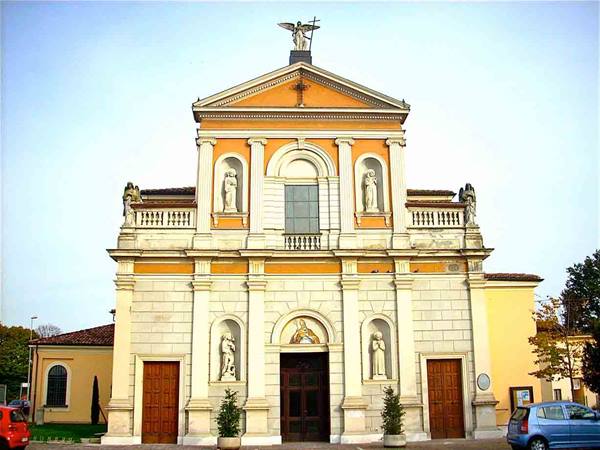
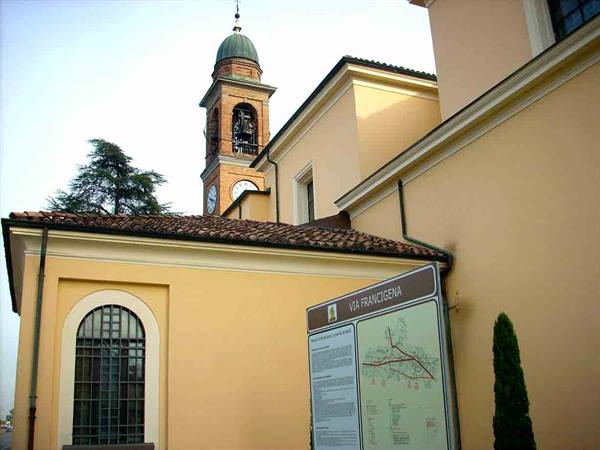
Speaking of elegance, beauty and the myths of our era, we took the opportunity to visit the Vespa and Scooter Museum, a gold mine for enthusiasts of the genre. Of course we did not neglect the city's most important museums either, such as those of Palazzo Farnese, which retrace the history of art from the Middle Ages onwards, and the Natural History Museum, which also contains an interesting 19th-century herbarium and an ornithological collection. After our walk in the city, we decided to visit the place where, during the Second Punic War, in the course of the Battle of the Trebbia, Hannibal was forced to stop because of the breaking of his horse's bit, an episode immortalised even in the coat of arms of Rottofreno. This locality, and in particular its most populous hamlet, San Nicolò di Trebbia, is also famous for the passage of pilgrims heading to Rome along the Via Francigena.
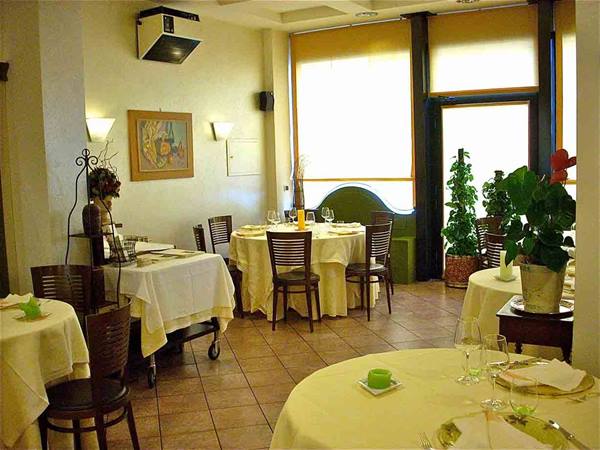
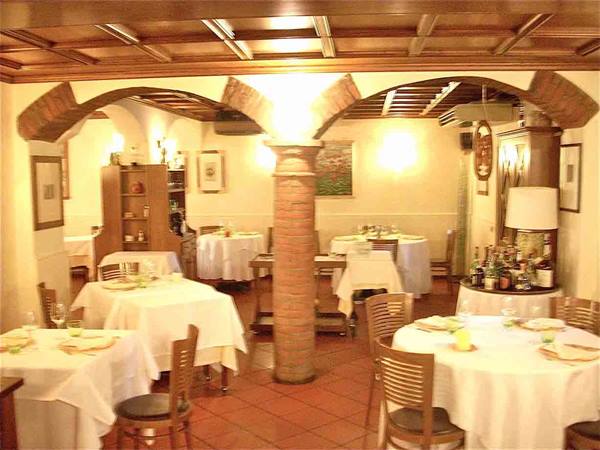
Among them was also Saint Nicholas of Bari, to whom the parish church is dedicated. We chose San Nicolò also as a stop on our 'culinary pilgrimage', stopping to eat at the Trattoria Colonna, the oldest trattoria in the village. Run since 1970 by the Ferri family, this venue is the right place to enjoy a menu rich in Piacenza specialities prepared by the owners, Mr Ettore, Mrs Ida and their son Stefano. We begin with a board of Piacenza D.O.P. cured meats, produced by local artisans, before moving on to a first course that adds a chapter to the discovery of the history of these places: the Petrarch tortelli, handmade, lean, with butter and sage, ricotta, spinach and herbs. 'They were created in 1351 in honour of Petrarch, who came to visit the nearby Castle of Vigolzone', Mr Ettore, a passionate local historian, tells us.
'Without culture there is no cuisine', he tells us, while we taste another typical local dish, pisarei e fasò. These are little gnocchi made with stale bread and flour, served with a bean sauce with vegetables. As for the main courses, our group splits between meat and fish dishes: besides the catch composition, with three or four kinds of sea fish, shellfish and seasonal vegetables steamed, we also make the 'acquaintance' of the 'Viustino 65' cockerel, braised and served on a crouton of polenta with porcini mushrooms, while a friend of ours chooses the veal cheek, braised at low temperature. We wash down these delicacies with the area's D.O.C. wines, such as the native white Ortrugo and the Gutturnio.
We crown the dinner with the desserts devised and prepared by Stefano, who learned to make them in France, in Lyon: we have an autumn composition, that is, a warm chestnut panzerotto and a hazelnut biscuit with apples and chestnuts, with persimmon sauce, while a friend of ours chooses the warm puff pastry of rennet apples and plum jam with cream ice cream and mou sauce. We will certainly return soon to Piacenza and San Nicolò, also for a further unmissable gourmet appointment: from 31 October, every Sunday at noon, Mr Ettore will wheel out the grand trolley of mixed boiled meats.
Francesca Bertha
FOR INFORMATION:
Trattoria Colonna Via Emilia Est, 6 frazione San Nicolò – Rottofreno (PC) 0523/768343
The journey's photographs
9 photographs · click to open them full screen



0 reader comments