The story
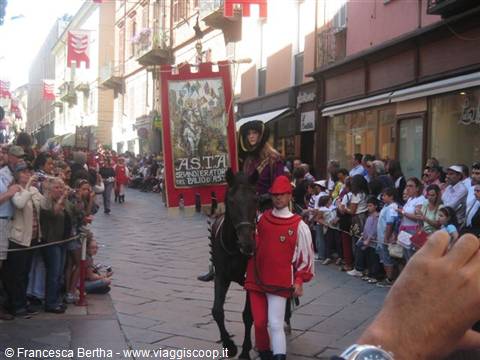
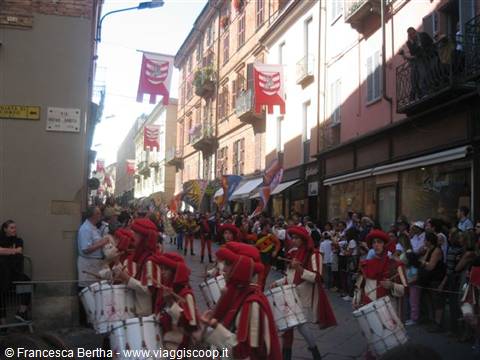
'Via, via, vieni via con me', sings Paolo Conte, and this time we took the words of the famous song literally, coming to visit Asti, the birthplace of the great singer-songwriter. Known in ancient times as the city of a hundred towers, Asti, a free commune in the Middle Ages, was always an important artistic, commercial and also banking centre, thanks to the so-called casane, the banks that carried out currency exchange and pawn lending. Famous for its wines, including Asti spumante, the city hosts an important wine competition every year, the Douja D'Or. But medieval tradition also finds room among the city's finest events, thanks to the very ancient Palio, which takes place in September.
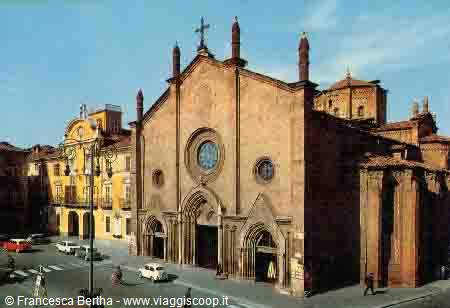
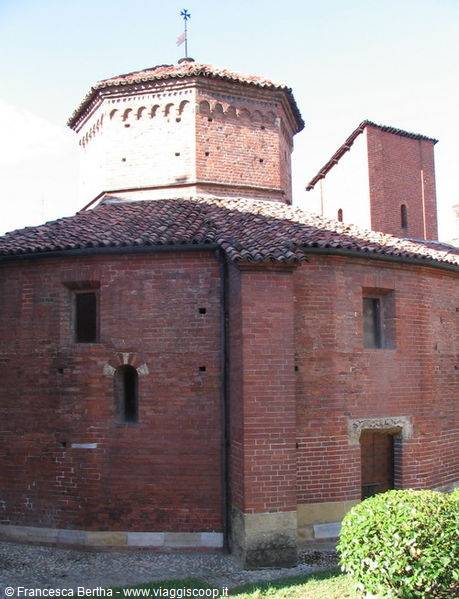
We begin our walk in the city from the Cathedral of Santa Maria Assunta, built in typical red fired brick on a previous basilica, and which preserves inside it works by important painters and sculptors from Asti. In 1535, however, in the Collegiate Church of San Secondo, there was a eucharistic miracle: when the consecrated host was broken during mass, drops of blood are said to have dripped into the chalice and onto the paten. Asti also gave birth to one of the most important intellectuals of the 18th century: the poet and playwright Vittorio Alfieri, to whom a city square is dedicated today. But speaking of writers, the multifaceted Giorgio Faletti is also from Asti.
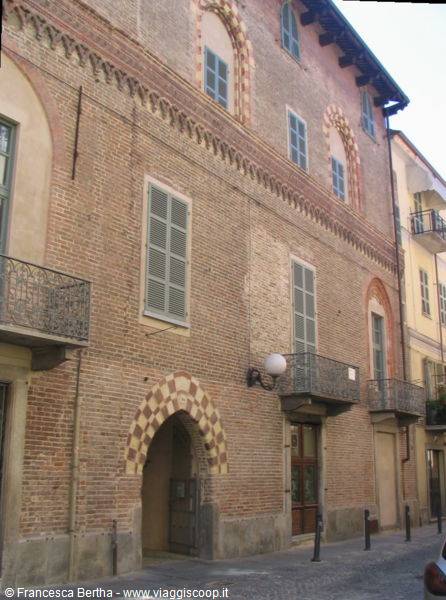
When we arrive at Palazzo Catena, an important medieval building in the city, we meet a lady who tells us a mysterious story that reminds us of the atmosphere of Faletti's books: the ghost of Iginia d'Asti, protagonist of a tragedy by Silvio Pellico, is said to live in this palace to this day. If that were true, Iginia would be in good company, because legend has it that another female spirit also wanders the centre, that of the restless Countess Adelaide, a descendant of Arduino of Ivrea, king of Italy in the tenth century. If here history is breathed in at every corner, the same goes for the street where the restaurant is located, where we stop to taste the local specialities: we are at the Ristorante Campanarò, in via Secondo Arò, a stone's throw from the city's main street.
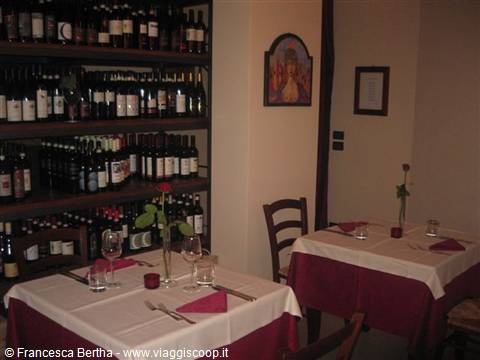
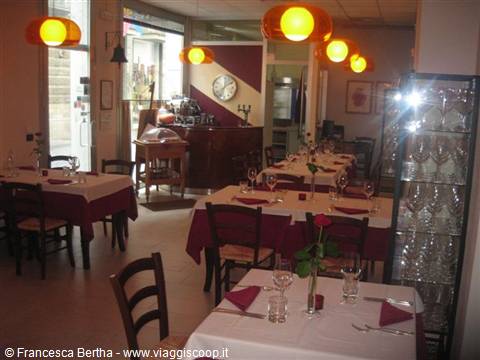
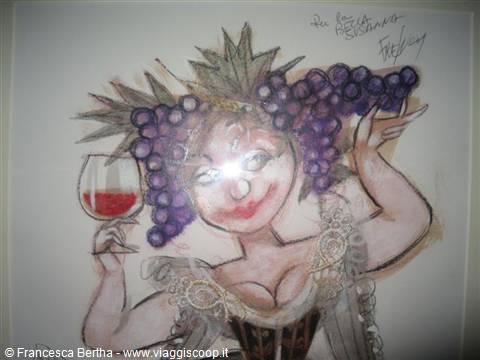
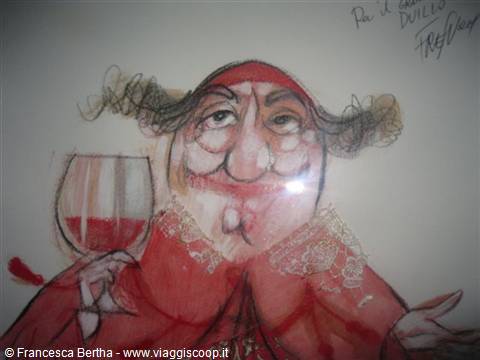
Arò, a lawyer and patriot, was the heroic president of the Astese Republic, proclaimed in 1797 following a riot over the scarcity of grain. The Astese Revolution was then tragically suppressed, but remains an important chapter in the city's history. Run with love and imagination by Duilio and Susanna, the Campanarò, called 'Little Restaurant in the City', is a warm, family atmosphere, where you can taste many local specialities. 'This restaurant was born two years ago from a dream of ours, Susanna's of expressing herself at the stove and mine of reopening a venue in the city, after a period in which we worked in the countryside, outside Asti. In preparing our dishes we use exclusively top-quality Piedmontese products', Mr Duilio tells us as we settle at the table.
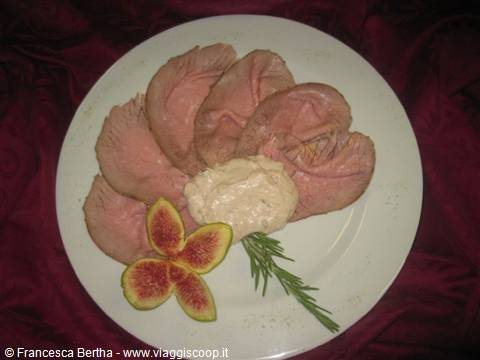
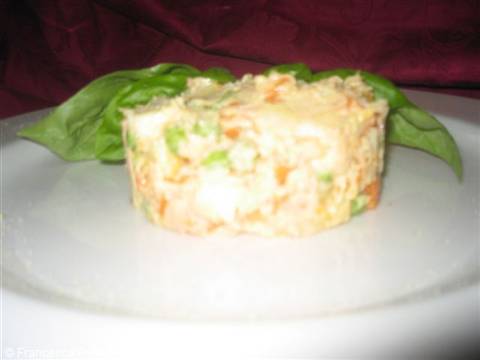
From the starters we are pleasantly carried away into an authentic world full of flavour: we begin with raw meat Monferrina style, with a terrine of white meats marinated in passito, filled with pistachios and plums, as well as the excellent vitello tonnato. 'We prepare it reinterpreted in our own way, with the sauce without mayonnaise and the meat cooked in a particular way that leaves its colour and aroma intact', Mrs Susanna explains. Our friends, on the other hand, taste warm seasonal starters, vegetable flans, little cakes with leeks and gorgonzola, as well as onions stuffed with Castelmagno and egg en cocotte with white truffle. Moving on to the first courses, we certainly don't forgo the gobbo agnolotto, made in-house, like all the pasta offered by the venue. We get the agnolotti Monferrina style and the gnocchi served with sausage ragù and pumpkin and sage cream.
Since in Asti we are on the ancient salt route, many fish dishes are also part of the tradition: so we also taste the cod lasagne. We don't hold back on the main courses either, and split between the wild boar stew with plums, the tripe, Mrs Susanna's speciality, and the beef braised in Barbera. We wash it all down with Piedmontese wines, chosen from the roughly 180 labels offered by the venue. We close on a sweet note, with the pear bavarois, the gianduia mousse, as well as the delicious tarts that Mrs Susanna makes fresh every day. After such a pleasant day, whoever asks us what Asti is like, we will always answer with Paolo Conte: 'It's wonderful, it's wonderful, it's wonderful: it's marvellous'.
Francesca Bertha
FOR INFORMATION:
Ristorante Campanarò Piccolo Ristorante in Città Via Secondo Arò, 30 Asti 0141/33252 Closed on Wednesdays
The journey's photographs
14 photographs · click to open them full screen



0 reader comments