The story
Walking a stretch of the ancient Via Francigena, in the footsteps of the pilgrims who set off from Canterbury for Rome and later for the Holy Land: this was the idea that led us to Cavaglià, a town located among the wide countryside of the lower Biella area. Besides the curiosity to see some religious monuments, in our choice to stop precisely in Cavaglià, to tell the truth, we were guided by a more earthly, and innocuously spicy, project. We had in fact discovered that here there is a characteristic nineteenth-century mill, Cascina Molino Torrine, today transformed into a farmhouse, where countless types of aromatic herbs, chillies and more are grown, with which the dishes offered by the house are seasoned.
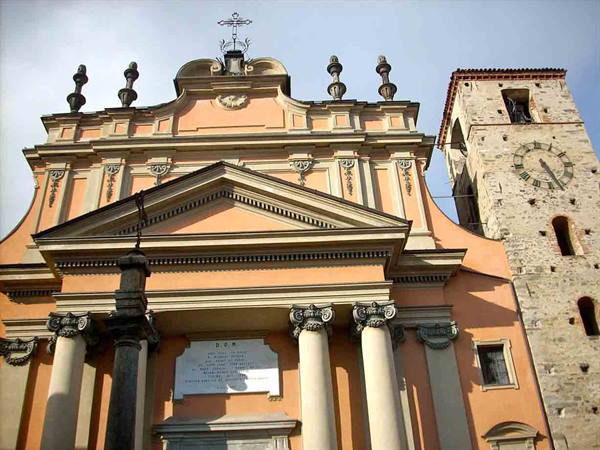
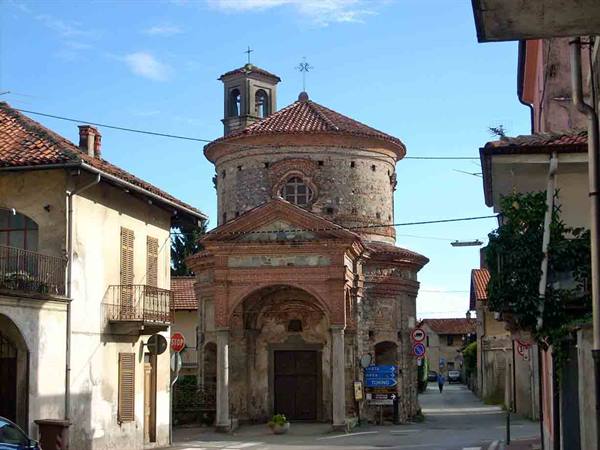
After a short walk along the shores of the suggestive Lake Viverone, we therefore returned to the very nearby Cavaglià where we made our little journey back in time, starting from very far away, indeed from the Iron Age. Yes, because right here there is a very large archaeological site of Menhirs, that is of monolithic megaliths, probably the largest in Piedmont. And as for religious destinations, in the town you can admire several very beautiful churches, such as the Church of Nostra Signora di Babilone, with an elliptical plan and a Renaissance imprint, the eighteenth-century Parish Church of San Michele Arcangelo, inside which a precious nineteenth-century organ is kept, and the Oratory of San Rocco.
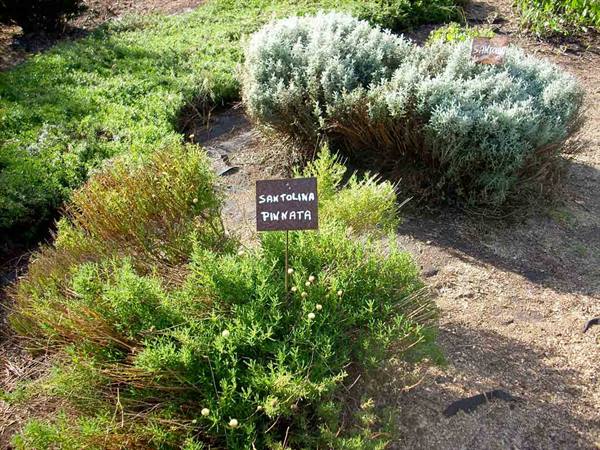
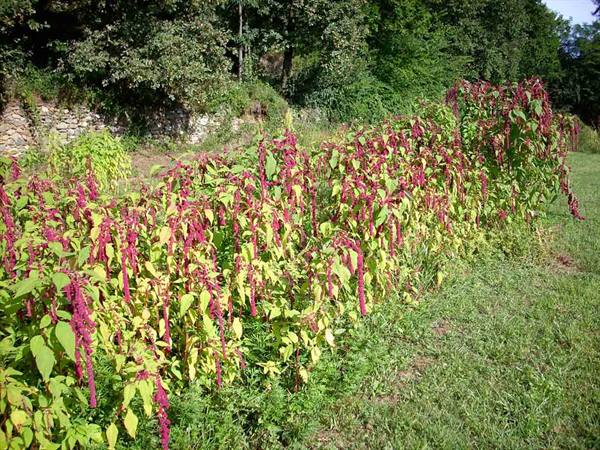
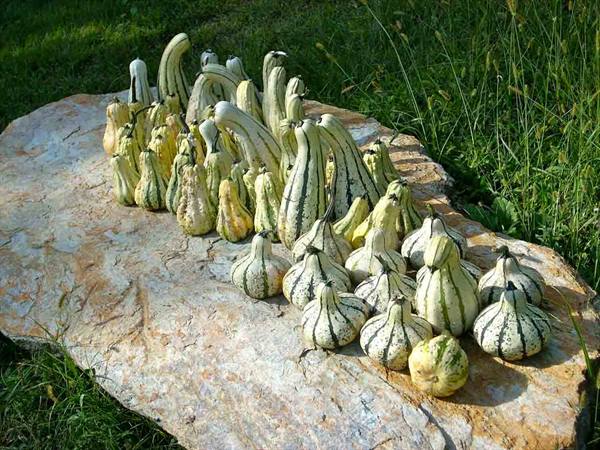
The Oratory, round in shape, was rebuilt from 1744, by vow of the people of Cavaglià to San Rocco, protector against plagues, following a terrible epidemic that in that period raged against livestock. But as we imagined, in Cavaglià the historic buildings are not the only works of art: even the nature we discovered at Cascina Molino Torrine is a masterpiece. It all came from the passion of the owner Enzo Nicolello and his wife for fragrant essences. Together they transformed this place into an open-air collection of aromatic herbs, wild herbs, but also chillies, ornamental pumpkins and amaranths. Together with Enzo and his beautiful dog Silver we went to discover the magical world of the Cascina's cultivations.
The first stop was the Essenziario: a fully fragrant area that fits among the very wide meadows of the farmhouse, and in which numerous types of particular aromatic herbs, ancient and unusual vegetables grow. "These cultivations are carried out in open fields and have the aim of safeguarding and revaluing these essences. In these gardens there are 28 varieties of rosemary, 32 varieties of lavender, 43 varieties of thyme, 27 varieties of oregano, 24 varieties of sage and mint, 42 varieties of basil, just to mention the most important ones", Enzo explains to us.
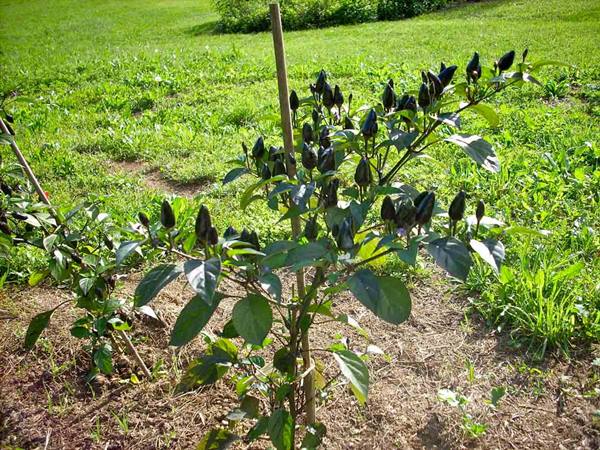
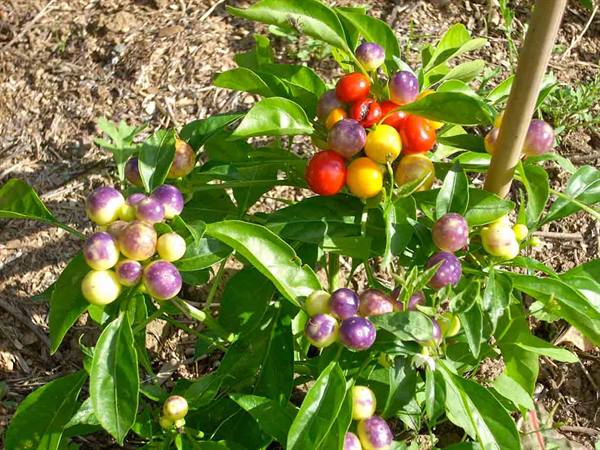
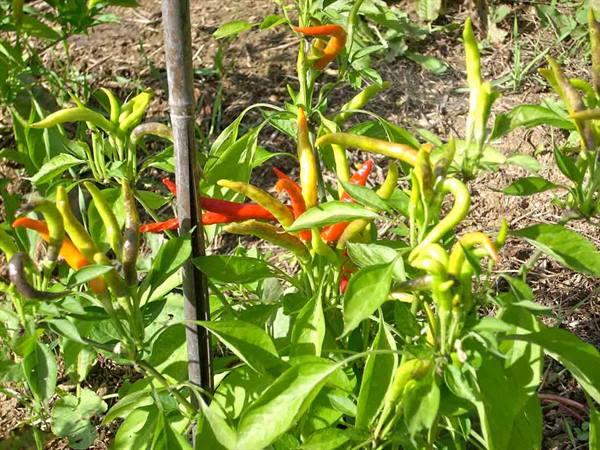
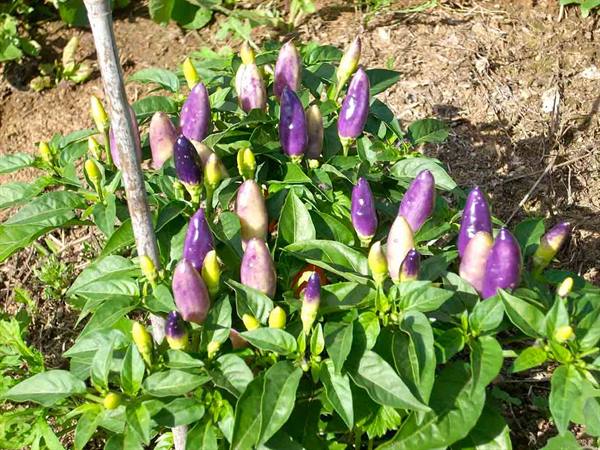
It is a collection of aromatic and wild herbs unique in Italy, and to make it known, also for educational purposes, the Cascina organises, from spring onwards, numerous themed days both for schools and for tourists, days during which an expert person explains the characteristics of the plants, and after the visit to the cultivations you taste the typical dishes, of peasant tradition, seasoned with the essences grown and gathered here. But on display, besides the Essenziario, there are also a good two hundred types of chillies. From the red and yellow species more familiar to us, to Indonesian black chillies, small and large, long, thin, or cherry-shaped: you really remain open-mouthed before this spectacle of nature. And speaking of "open-mouthed", our dinner was clearly in the spirit of the Biella tradition and what made it special were precisely the essences of the Cascina.
We began with four starters, including the salame della rosa and herb lard with warm focaccia, the tomini boscaioli with fried straw, valerian and balsamic glaze, and the savoury strudel of little vegetables with porcini mushrooms sautéed with wild garlic and chervil. After this palette of flavours, we continued with the cappellacci di magro and borage with alpine butter, a misticanza of sages and poppy seeds, and as a second course, the indiavolate quails in a herb crust. We washed it all down with excellent bulk wines such as Erbaluce, Barbera and Freisa, crowning the dinner with a blueberry bavarese and a sweet pesto of mint and lemon basil.
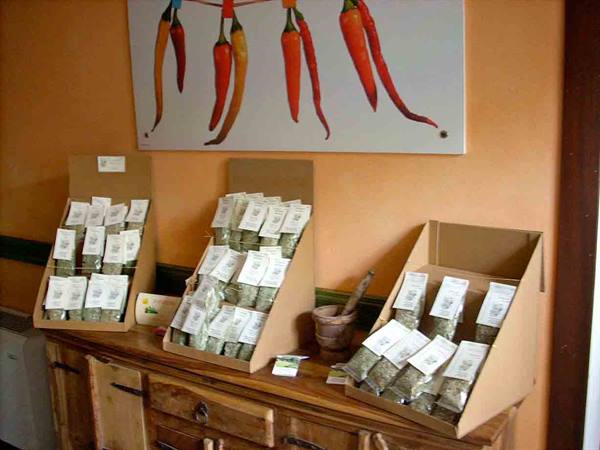
Before setting off on the road home, we took another short walk near the Mill, and we certainly could not resist the temptation to stock up on sachets of freeze-dried aromatic herbs and jars of passate, aubergines in oil, honey, herbal teas and jams, all goodies that will make our days tasty while we wait to come back here again to get to know the Cascina's cultivations better.
Francesca Bertha
The journey's photographs
18 photographs · click to open them full screen







0 reader comments