Tripscoop›Europe›ITALY›Focaccia That Speaks of Love: A Journey to Mele, between Acquasanta and La Castagnina
ITALY · Europe
The story
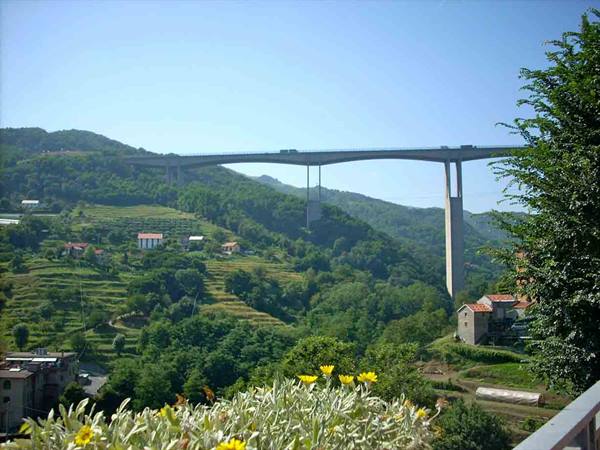
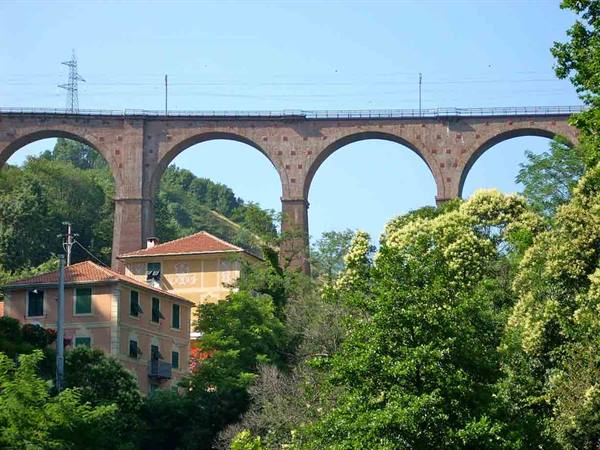
Beyond the splendour of its rivieras and the endless blue of its sea, Liguria has also another face, less known, but which perhaps reveals its soul even better. The winding roads that pass through the breathtaking landscapes of its Apennines, skirting the streams that run down to the sea, the interminable dark green of the woods, the traveller’s awareness that the sea is close by, but that to reach it you must cross a few more mountains, be amazed by the depth of yet another viaduct, think back to the centuries of history during which there was no motorway here, and that to pass from the coast to the Oltregiogo, a historic region that today essentially coincides with the Alto Monferrato, was an arduous undertaking. If the sea is a love to be conquered, the road that leads us there is very rich in emotions, without which perhaps the sea would not even have the same charm.
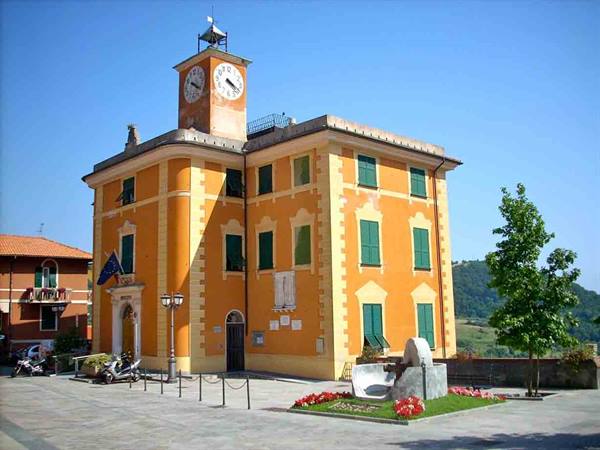
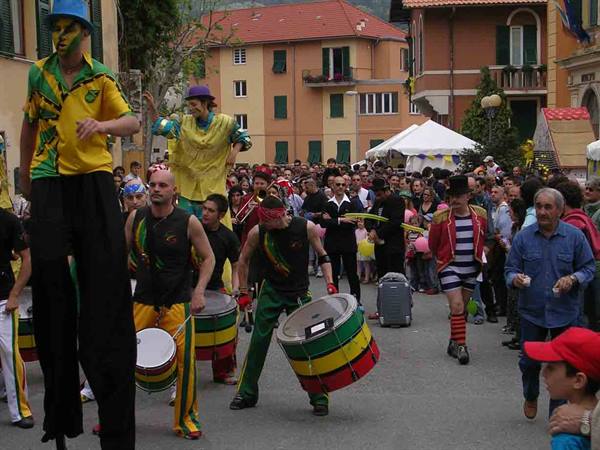
One way like any other of saying to everyone: if from Piedmont or Lombardy you want to go to the Ligurian Ponente, take your time and savour the journey, forgetting the motorway for once: take the Statale del Turchino, which leads from Ovada to Voltri, and you will discover an extraordinary world, exactly as we did during our trip to Mele. The name of Mele, a municipality a few kilometres from Genoa, immersed in the green of the Ligurian Apennine slopes of the Val Leira, comes from honey: its own coat of arms bears witness to this, showing a beehive surrounded by seven golden bees and topped by a silver scroll reading “Ex melle mihi nomen”, that is “From honey comes my name”. The association that every year organises the Street Artists’ Festival in May is itself called Ex Melle.
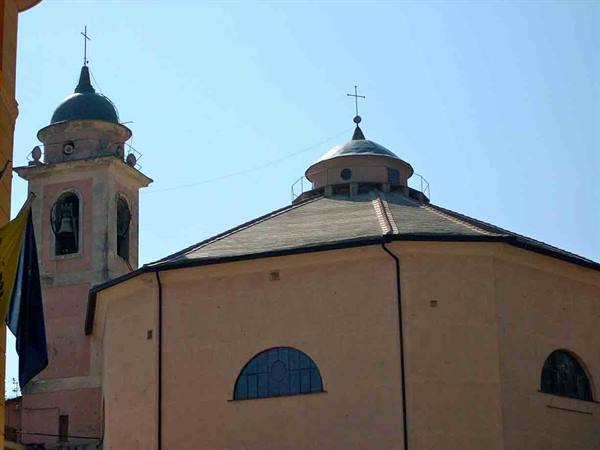
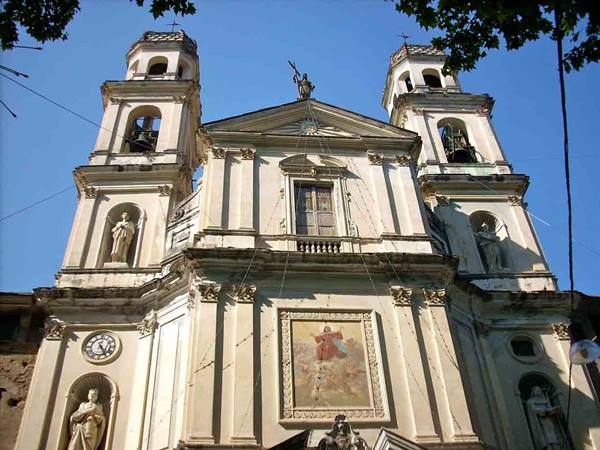
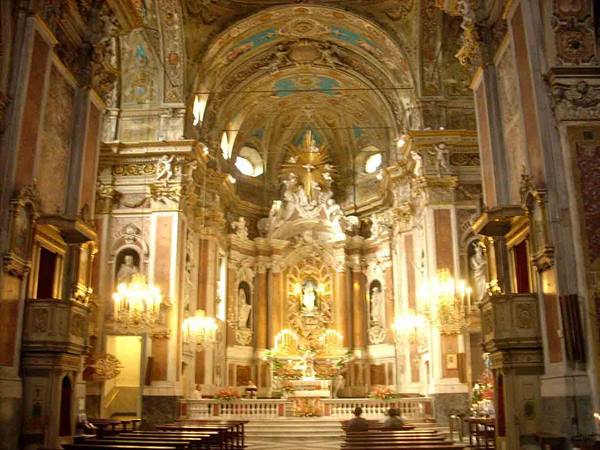
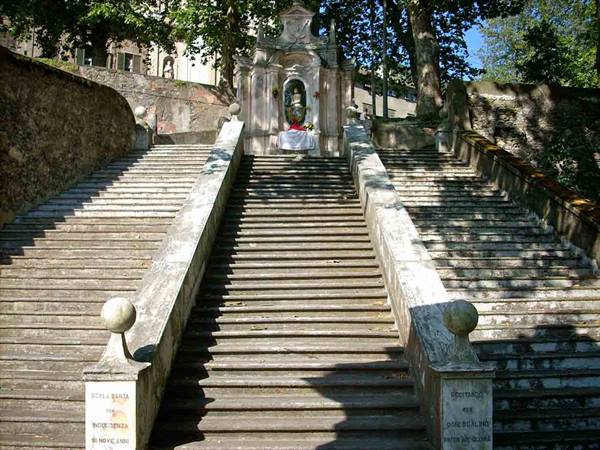
Mele is very rich in history and in places to see, so we get a leaflet and set off to discover the town of honey. Accompanied by the pleasantly deafening song of the cicadas, we take a walk around the centre, first visiting the Parish Church of Sant’Antonio Abate, and the eighteenth-century Oratory of Sant’Antonio Abate. After our little tour of the centre, we move on to Acquasanta Terme, a hamlet of the municipality of Mele, where a very important place of worship stands: the Sanctuary of Nostra Signora dell’Acquasanta. A mystical destination for numerous pilgrims since the seventeenth century, but perhaps even before, the Sanctuary, according to legend, may have arisen following a miraculous event linked to the Virgin.
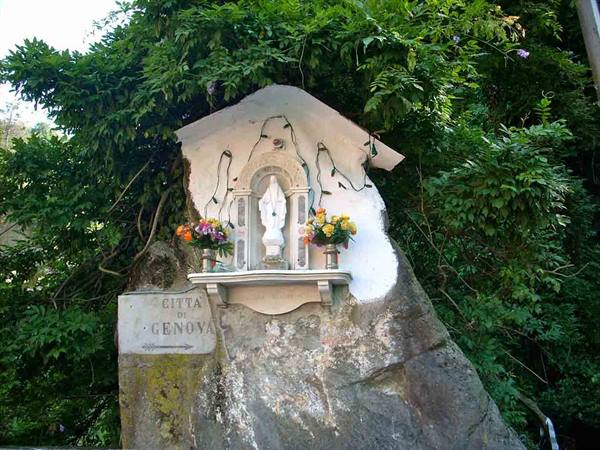
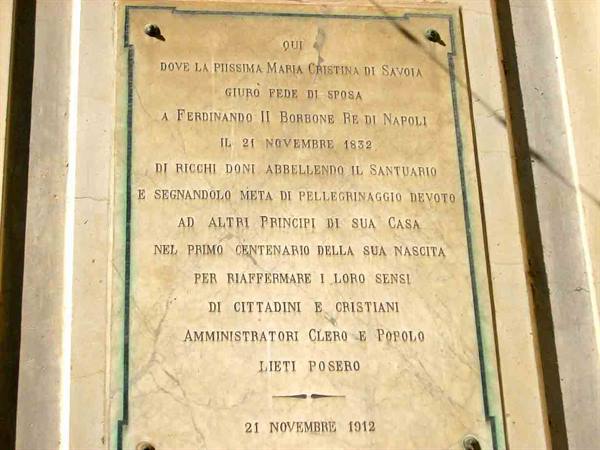
According to a medieval folk tradition, this became a place of pilgrimage after, one night, some shepherds were surprised by a great light coming from the waters of the Leira stream. Having gone down to the bank, the shepherds found a statue of the Madonna, an event that would have begun the construction of a first chapel in which to keep the statue. The statue emerged miraculously intact even from a flood of the stream that destroyed the chapel. At the exact spot where the shepherds found the statue, and where a sulphur spring gushes forth, stands the Cappelletta, which houses the ancient wooden statue of the Virgin. It was at the Sanctuary that, in 1832, the King of Naples, Ferdinand II of Bourbon, married Princess Maria Cristina of Savoy, daughter of Victor Emmanuel I and Maria Theresa of Habsburg, loved by the people and called “saint” by all for her generosity towards the poor.
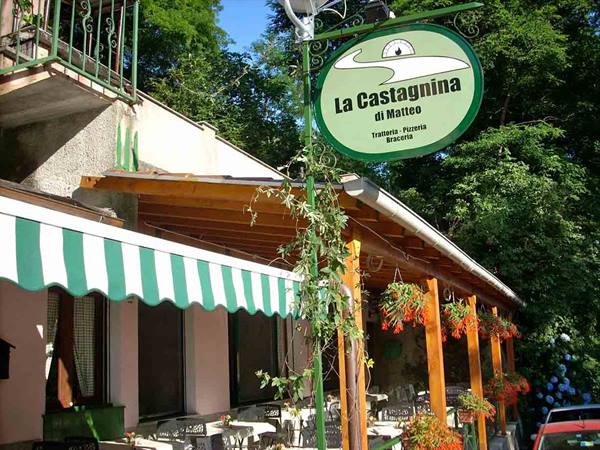
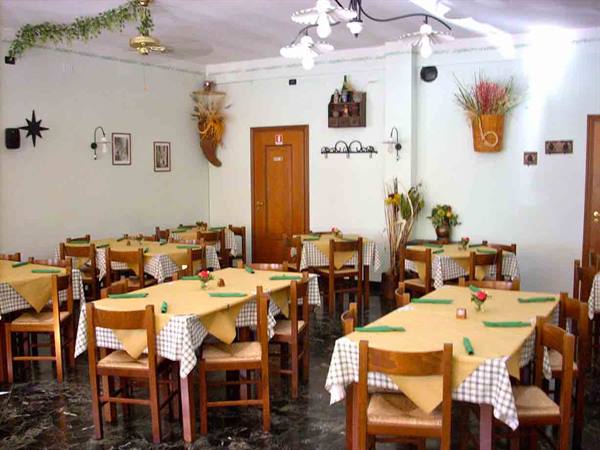
After this long walk, there is nothing left to do but relax at the table: we get back in the car, and returning to the Turchino road, a few bends after the centre of Mele, we enter the pizzeria and focaccia shop La Castagnina di Matteo, whose inviting outdoor area we had spotted while we were arriving in Mele. We settle right there, in the outdoor space surrounded by flowers, and while the view of the breathtaking woods on the other side of the road keeps us company, the embarrassment of choice seizes us in front of the menu. Two of us decide to have Recco-style focaccias, prepared with imagination: the Contadina, with a double layer of stracchino and grilled vegetables, and the Castagnina, with grana and raw ham. A friend of ours has a pizza with wholemeal dough and no yeast, while the two boys decide to get straight to the point: ravioli with ragù and a sliced Scotch beef tagliata.
To finish, we let loose with desserts: zuccotto filled with ice cream, a semifreddo kiss and a strawberry bavarese. All washed down with Ligurian white wines, Vermentino in particular, as well as reds from the nearby Monferrato, Dolcetto d’Ovada and Barbera. We will come back here soon, also to visit other curious attractions: the neviere, that is the ancient “refrigerators”, wells used to collect winter snow that was then resold during the summer to bourgeois families, the Paper Arts Testimony Centre and the Pietra Issel, that is the carved rocks, perhaps dating back even to the second millennium before Christ and still the object of study by researchers.
Francesca Bertha
FOR INFORMATION:
La Castagnina di Matteo Via Fado, 25 010/6319301 010/6317060
The journey's photographs
18 photographs · click to open them full screen





0 reader comments