The story
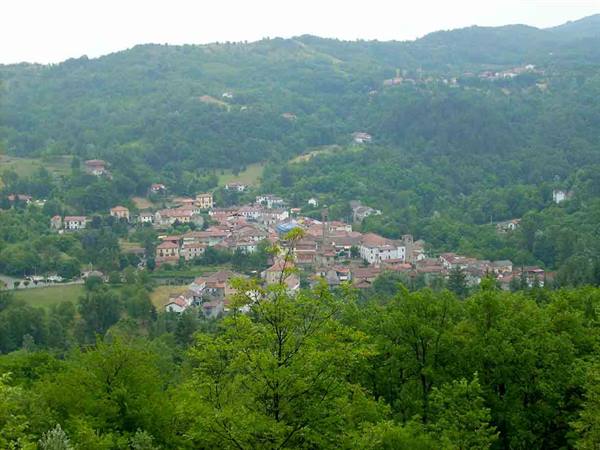
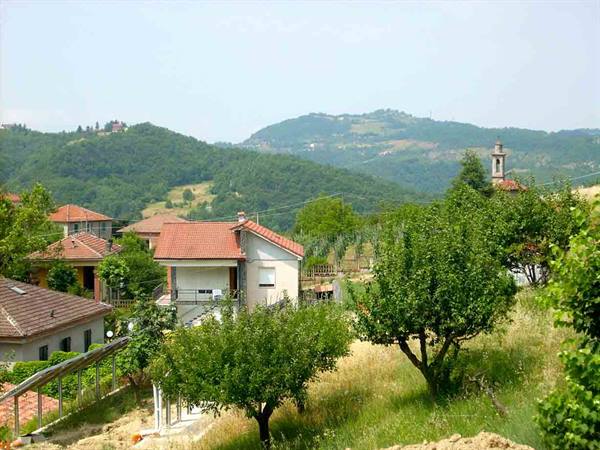
After the cramped spaces and times of city life, arriving in Grognardo is like landing in a new dimension, much more human, in which tranquillity takes the place of frenzy and everything that was grey before magically becomes green and blooming. The town, which lies among the hills of the Alto Monferrato, just eight kilometres from Acqui Terme and about a hundred from Milan or Turin, is a small municipality, with three hundred inhabitants in winter, reaching triple that in summer.
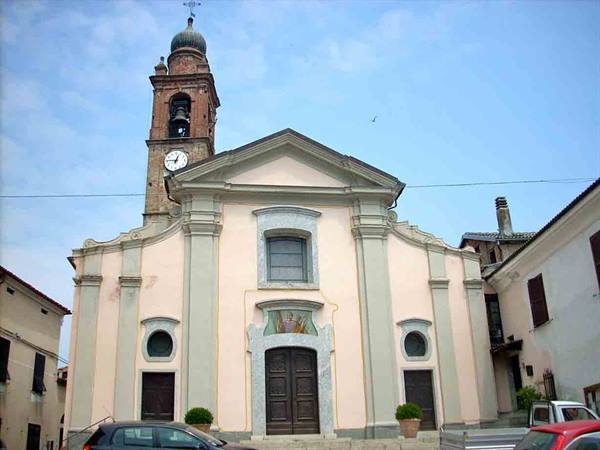
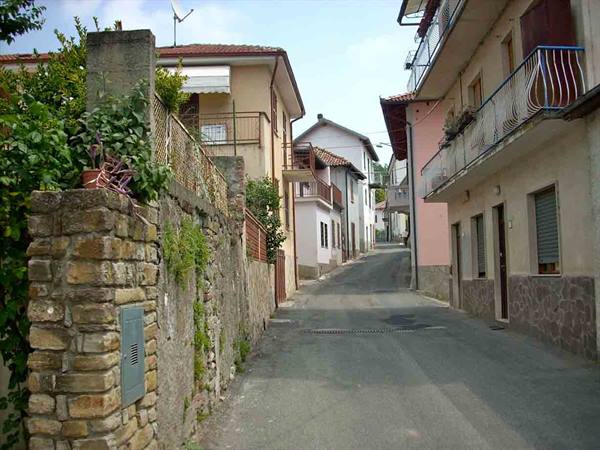
But everything is relative: after our first little drive around the various hamlets, Grognardo seems to us very large, also because its hilly territory has an interesting vertical extent; in fact, from the 208 metres above sea level of the town hall, in a few minutes by car you can reach over 400 metres of altitude and admire the bell tower of the parish Church of Sant’Andrea, next to the Town Hall, from a breathtaking perspective. It is precisely these natural characteristics that make Grognardo an ideal destination for hiking tourism, which is why we too chose it for a weekend of all sport and peace, without forgetting good food. On foot, by bike or on horseback, the walking and cycling routes proposed by the Municipality are a real delight. Before taking on the walks, we take a tour of the town, among the little streets that preserve Grognardo’s thousand-year history.
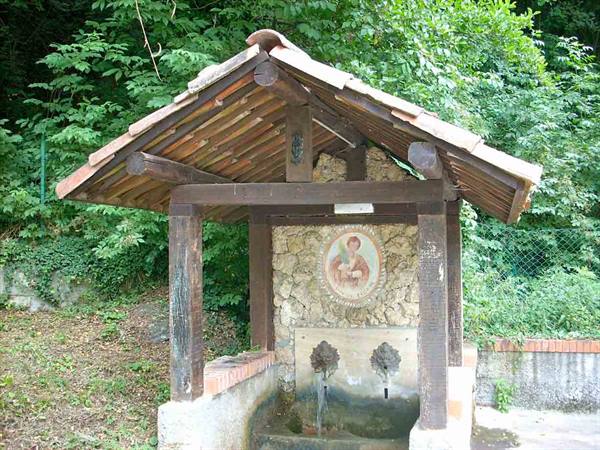
We also visit the Fontanino, where the Pro Loco has its headquarters. The water of the Fontanino, or Fonte San Felice, was used for domestic purposes for centuries, and since it gushes out at a constant temperature of about ten degrees, it allowed housewives to do the laundry without freezing their hands even when the surrounding hills were covered in snow. At the beginning of the twentieth century the Beccaro brothers, at the time owners of a thriving wine company, decided to exploit these waters for curative purposes, riding the wave of the wellness fashion. After the wars the spring fell into oblivion, and it was only in the sixties, when the Beccaro family donated the entire Fontanino area to the Pro Loco, that it was then recovered for recreational purposes, becoming the venue for events and leisure evenings.
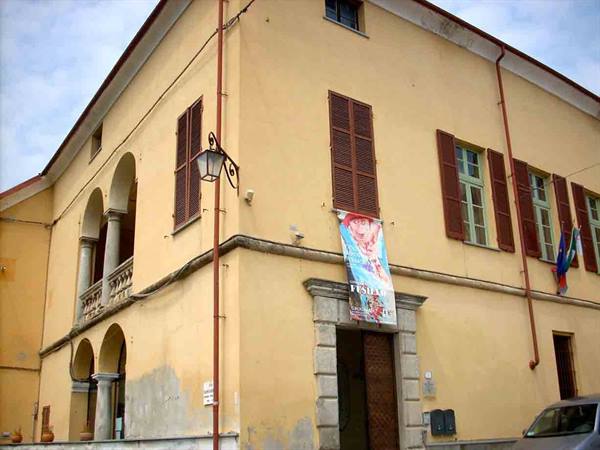
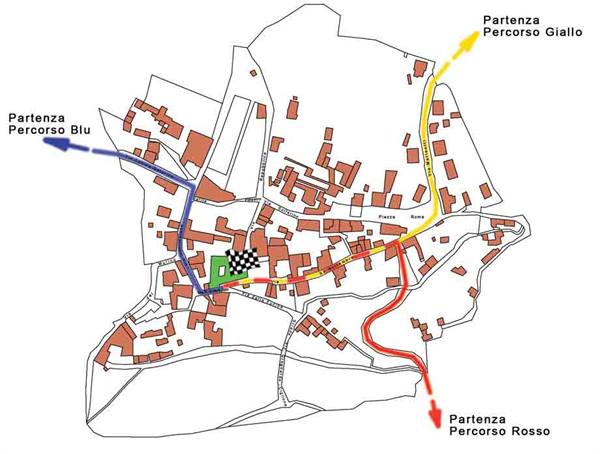
Back in the centre, we visited the Town Hall, an elegant seventeenth-century building that was the residence of the local lords. In today’s council chamber the Counts’ dances were once held, and today a seventeenth-century painting from the Monevi school, depicting a nobleman hunting, continues to recall those times. We spent the rest of the weekend between long walks in the midst of nature and succulent dinners based on local specialities, washed down with the excellent wines of Monferrato. Our excursion began with the blue route, which starts right from Palazzo Beccaria Incisa, the municipal seat. Inside the historic building some rooms have been turned into a reception point for hikers, with a convenient bathroom, changing room and a small room where you can “park” the bicycles after the trip.
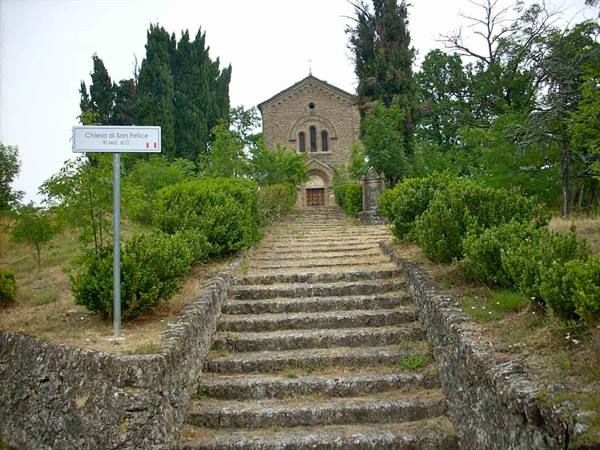
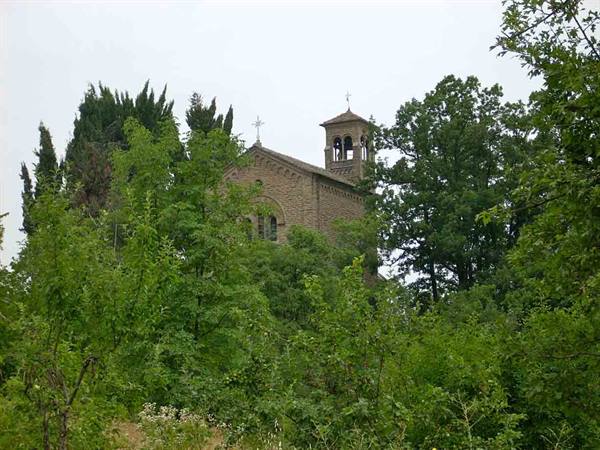
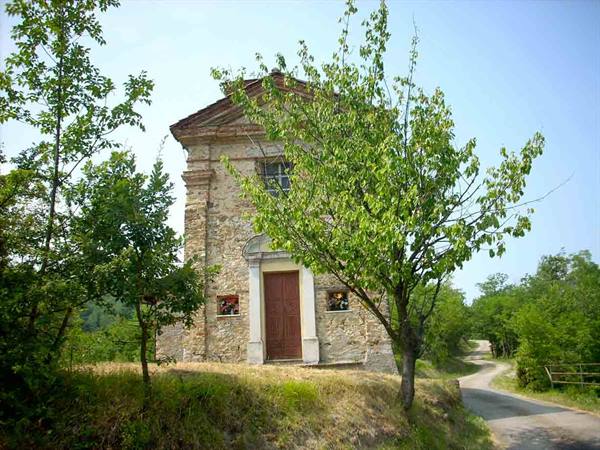
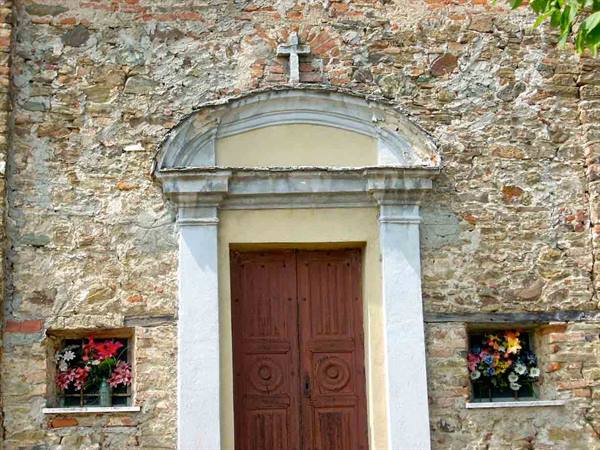
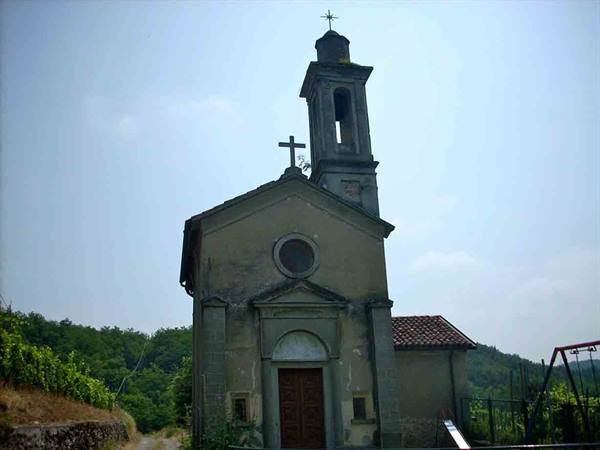
The blue route, the easiest one, is four and a half kilometres long and touches perhaps the most important monument of Grognardo: the Church of San Felice in the hamlet of Poggio. Beautiful, it was probably built around 1039 and also preserves inside it the mausoleum of the Beccaro family. Here two great Beccaro missionaries are buried, Leopoldo and Gerardo, who carried out important missions in India, then continuing their work in the service of the poor and of spirituality back home.
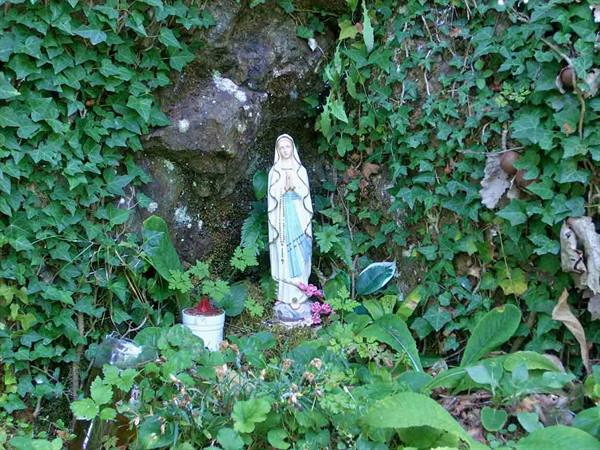
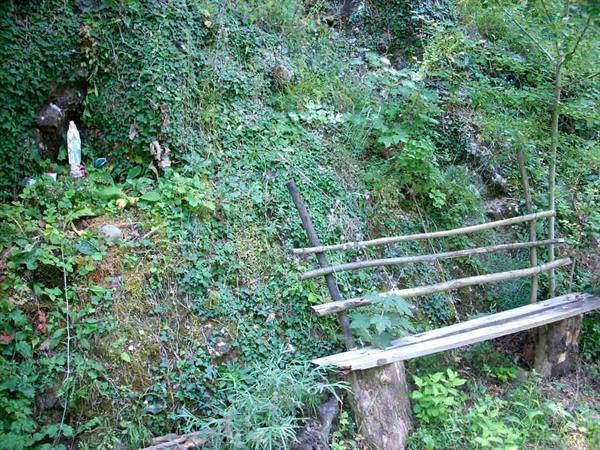
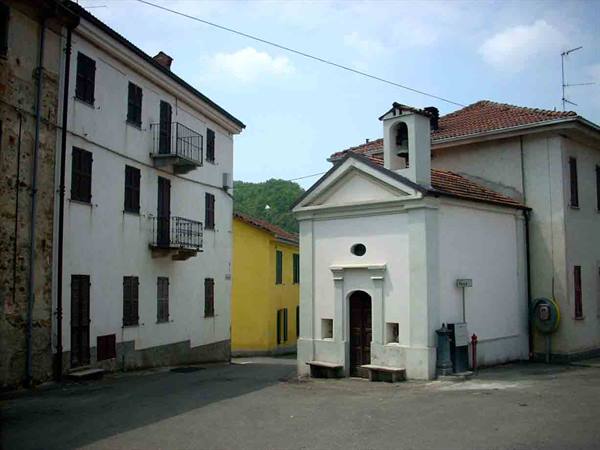
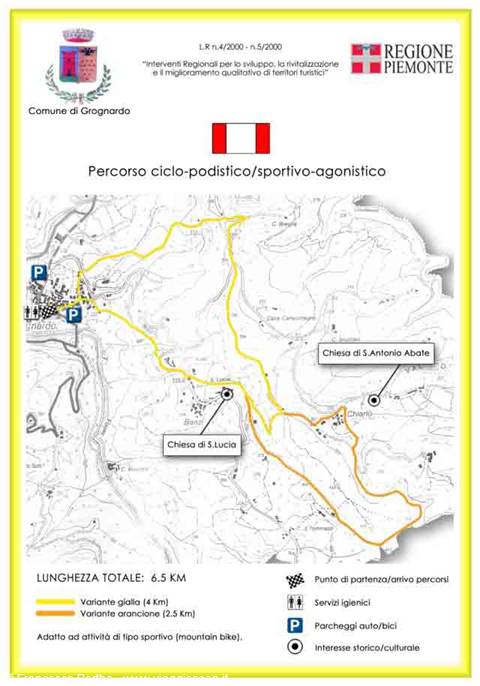
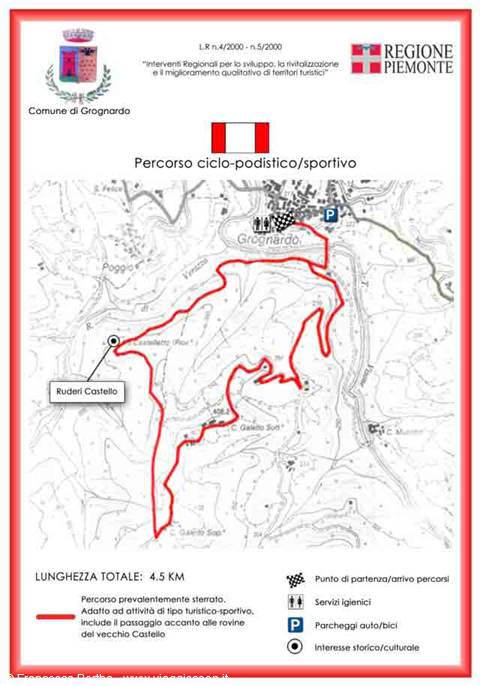
That the peace and tranquillity of Grognardo’s unspoilt landscape also induce a deeper dialogue with God can be seen not only from the story of the two missionaries: along the red route, the more demanding one, which we did during the second day of our stay, at a certain point we noticed a small statue of the Madonna resting on a stone surrounded by greenery, with a hand-made bench beside it: a beautiful place of prayer created by the people of the town. Grognardo’s hiking trails lead to two other beautiful churches: that of Sant’Antonio Abate in Val d’Orgero, towards the beginning of the orange route, and that of Santa Lucia, in the hamlet of Benzi, along the yellow route.
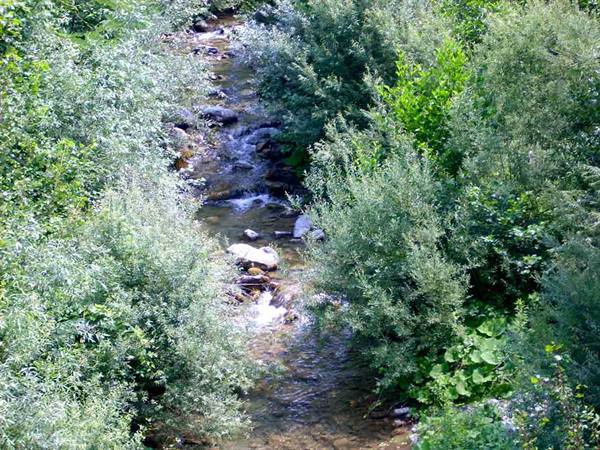
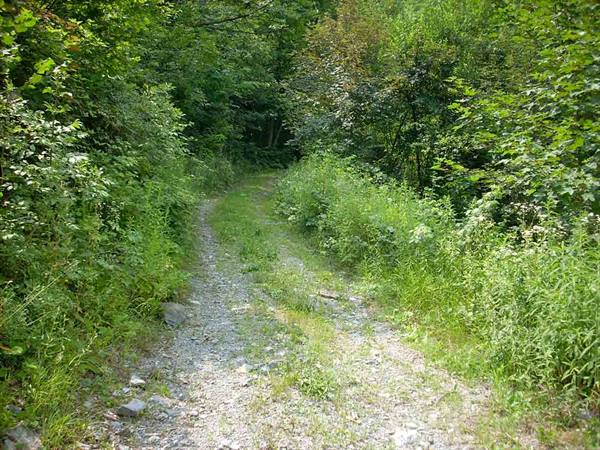
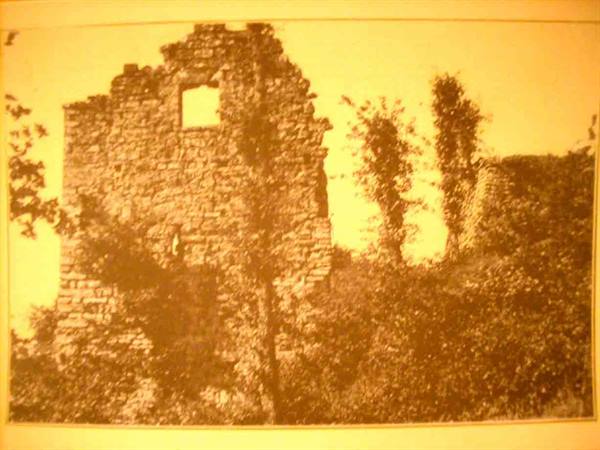
The red route, after the bridge over the Visone stream, also holds another surprise: a road immersed in the woods that leads to the remains of the Castle, and to get there you pass over a cobbled surface dating back to the year one thousand. While waiting to organise ourselves to be able to return here with the horses, next time we will come back to Grognardo with mountain bikes, because after a couple of days of intense walking along these very panoramic routes, we felt like reliving the experience, in an even more intense way.
Francesca Bertha
FOR INFORMATION:
0144/762103
0144/762272
0144/762127
The journey's photographs
23 photographs · click to open them full screen


0 reader comments