The story
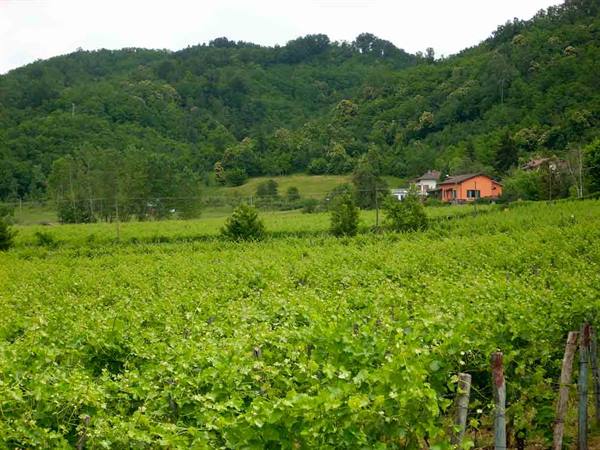
On the sign indicating the road we have to take, it says Gavi Ligure. It is not a mistake, even though we are in Lower Piedmont, but a place name that encapsulates the particularity of this territory on the border between Liguria and Piedmont. Gavi is famous for its white wine, the Cortese di Gavi DOCG, grown on the surrounding hills that characterise a clearly Monferrato landscape. But in its architecture and its dialect the Ligurian imprint left on this town by fully six centuries of belonging to the Republic of Genoa is just as evident.
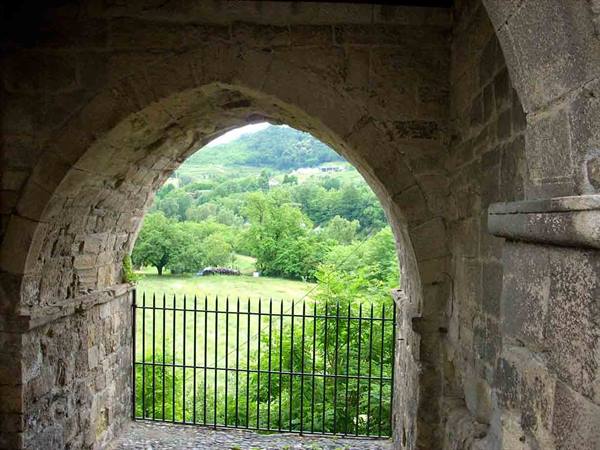
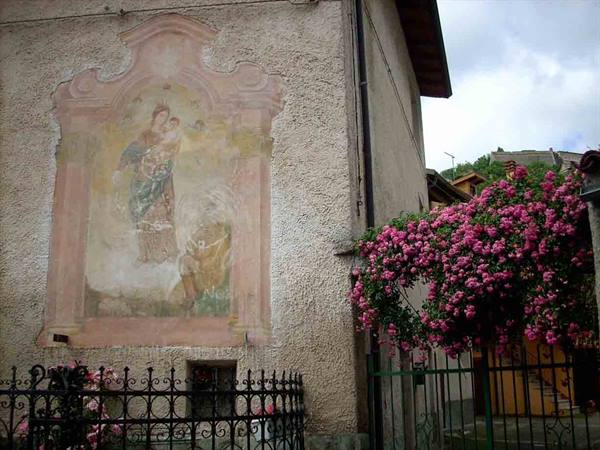
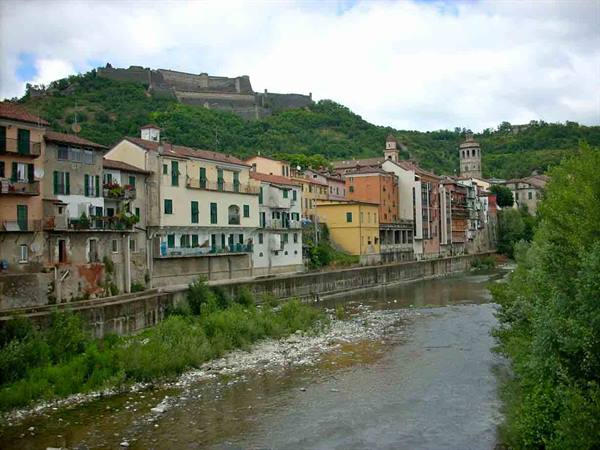
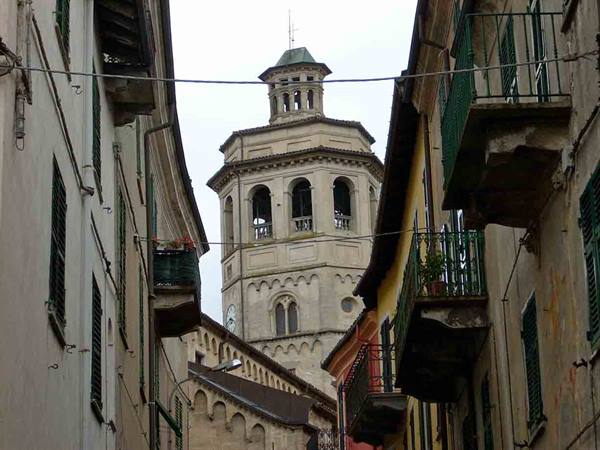
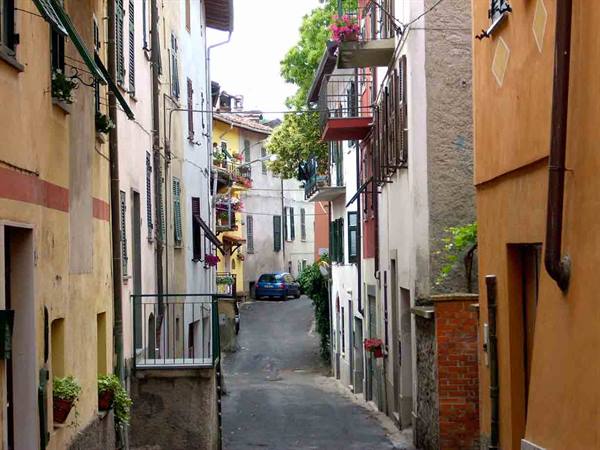
Crossed by the Lemme stream, Gavi surprises with its lively, very Ligurian colours, and charms with its flowered terraces and its walls frescoed in pastel tones that stand out against the dark green of the hills embracing the town. We begin our walk along a lane that skirts the historic centre and admire the old little houses looking out over the hills and vineyards. Here rural atmospheres blend with history and art, present on every corner. As a first surprise, we come across a lovely little tower through whose arches a breathtaking view of the surrounding greenery opens up: this is the Portino, a 13th-century construction, the only survivor of the four access gates to the village that were once integral parts of a system of walls descending from the Fort and encircling the entire town of Gavi.
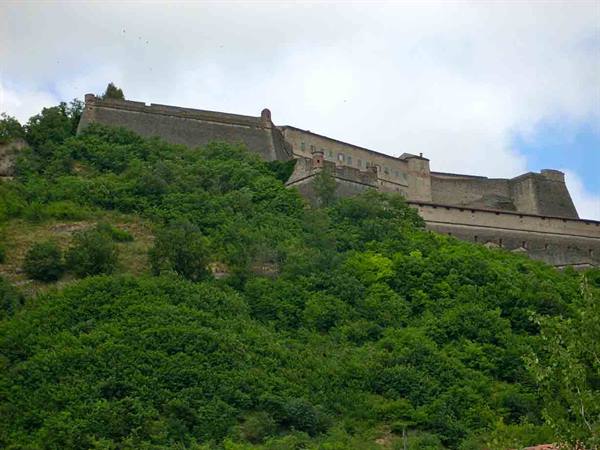
The Fort is Gavi's most imposing monument: it is a military fortress of considerable size that dominates the town. Clearly visible from every lane, it reminds the people of Gavi of their history, also studded with numerous battles in which the town had to defend itself from the enemy. Its current appearance, that of a true military fortress, was acquired during the 17th century, after the siege of 1625 by the French and Savoyard army, which used artillery for the first time, making the Republic of Genoa understand that the Fort, at the time a castle like the others in the area, needed to be considerably strengthened.
It is no wonder that such a particular construction can also stir the imagination of the inhabitants, giving rise to legends. One of the best known is the one about ghosts... And if every self-respecting castle boasts the presence of at least one ghost, a fortress certainly cannot settle for less than an entire army of ghosts: that is exactly what is said to be happening in Gavi. Some swear they have recently seen an army of fierce Roman militias marching towards the Fort, while hymns to the god Mars were heard being belted out by the soldiers.
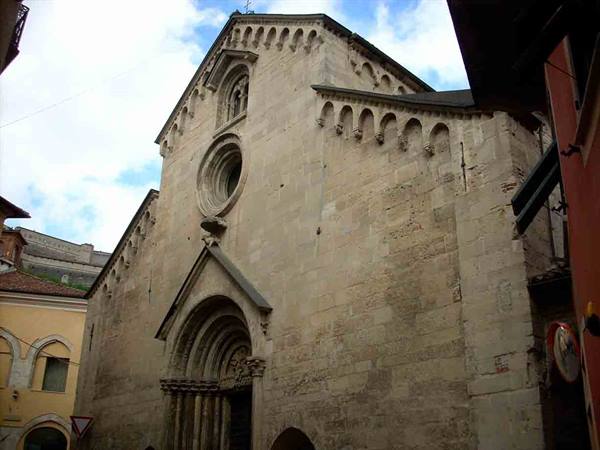
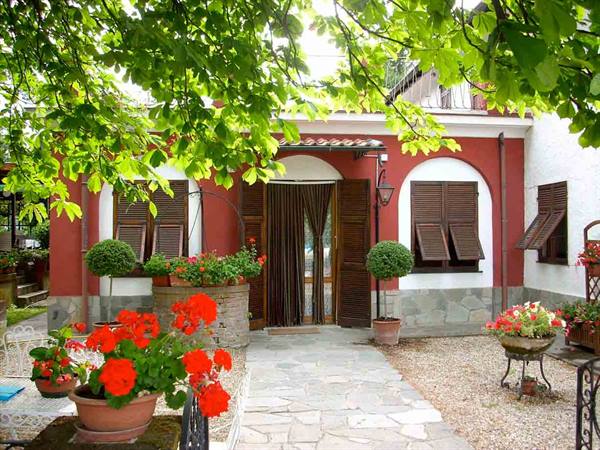
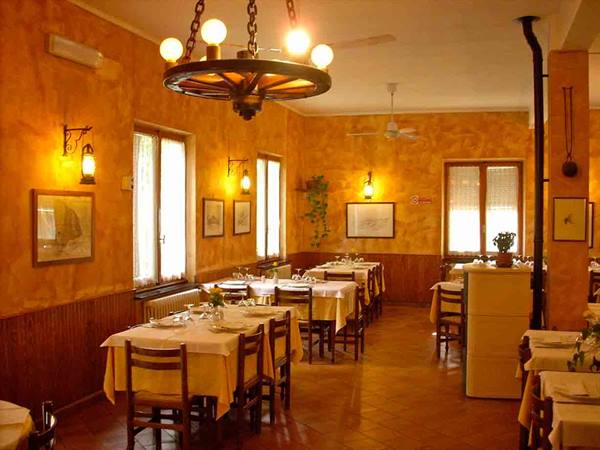
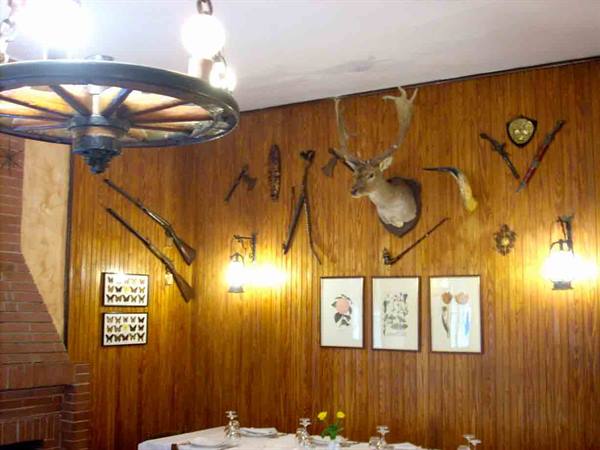
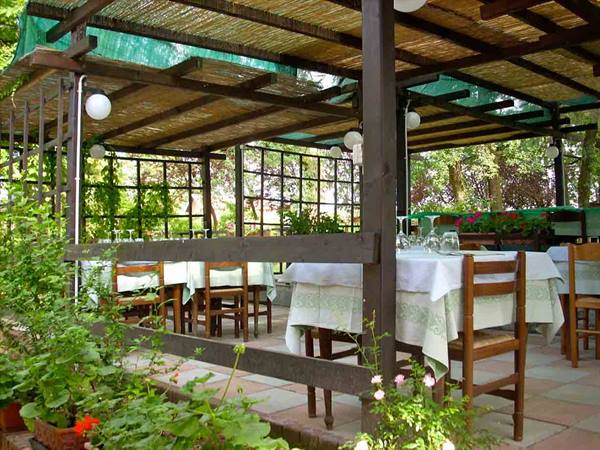
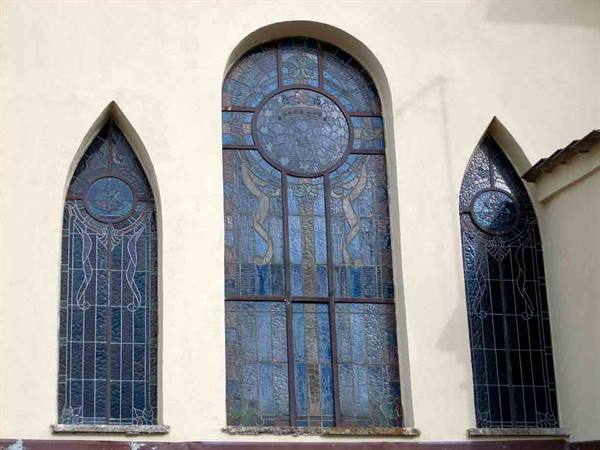
If today Gavi is a destination for food and wine tourism and is chosen by travellers who love hilly landscapes and good wine, centuries ago it was instead a stop for pilgrims travelling to the shrine of Santiago de Compostela. When, after our long walk through the streets of Gavi, we sit down hungry at the table in the hamlet of Rovereto, at the Ristorante Da Marietto, the owner, Mr Giuseppe, tells us that the beautiful Church of San Giacomo Maggiore, whose façade in the purest Romanesque style we had admired, was built on the remains of a hospice for pilgrims.
The 'culinary pilgrimage' of ours continues in discovery of the local flavours, so as we taste Mr Giuseppe's starters, we ask him to tell us something about the history of this place. 'In this hamlet, Pessenti di Rovereto, there was an inn renowned for its cooking as early as the 19th century. It made typical dishes, peasant cooking based on what the countryside and the farmyard offered. Our family has continued this tradition since the early 1960s, and although we run refined, high-quality cooking, in the end we haven't invented anything, but rather rediscovered forgotten dishes, such as the gnocchi slarghé, meaning widened. They resemble orecchiette, it is a summer dish, made only with flour and boiling water and seasoned with pesto or fresh tomato'.
After enjoying the five tasting starters, including the vitello tonnato rump, the little parcel with mushrooms, we certainly cannot forgo the area's quintessential typical dish: ravioli. We follow them with chicken cacciatora and, as a dessert, we gladly taste a very good and particular pudding: the 'latte di gallina'. Every dish is garnished with particular care, thanks to the dedication of Mrs Mee, Mr Giuseppe's Thai wife. 'She has the gift of making even the simplest dishes special', says her husband.
We washed down our dinner with an excellent local white wine, from a cellar in the hamlet of Rovereto, and, to make a light-hearted joke, after this lovely day we are sure of one thing: we too will do as the ghosts of the Fort: we will come back often to Gavi, and to Rovereto.
Francesca Bertha
The journey's photographs
16 photographs · click to open them full screen


0 reader comments