The story
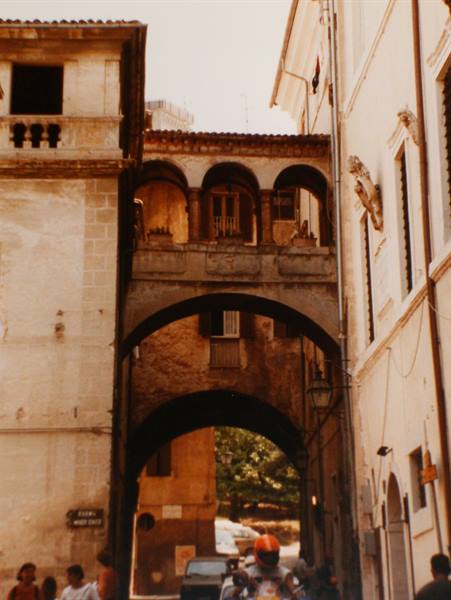
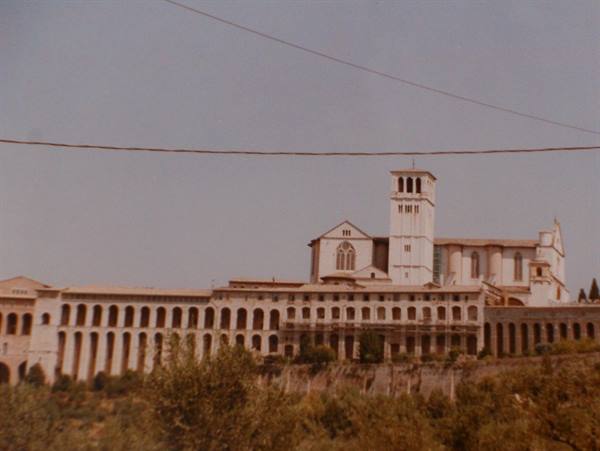
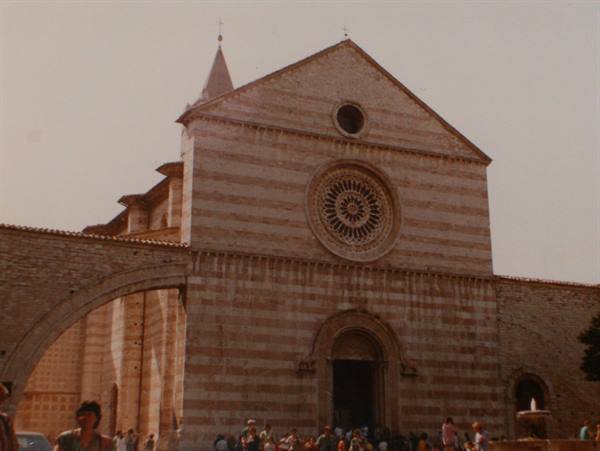
Beyond Tuscany we also roam through Umbria; here too we decided to stay at farm stays in the area, a little outside the cities, amid nature and greenery. Assisi, the city of Saint Francis, always beautiful to visit. The origins of Assisi, as with other cities in Umbria, are uncertain. It was originally inhabited by a population, the Umbrians, settled in central Italy. Later it felt the Etruscan and Roman influence, as is well documented by the numerous remains of the Roman 'municipium' called Asisium. Among these remains, well preserved, is the facade of the Temple of Minerva, remains of the Forum, the amphitheatre and the Roman walls. After the fall of the Roman Empire the city became a settlement of the Goths, around 545. Later it fell under Lombard rule. Around the year 1000 it became an independent commune.
During this period it experienced an extraordinary development, above all thanks to the monastic movements (especially the Benedictines). Around 1180 Saint Francis was born, the most famous of its citizens. In 1202, during a war with nearby Perugia, Francis was taken prisoner and held in jail for over a year. From 1206 he devoted himself to the service of God, in the following of Christ, through the service of the poor, living as a poor man himself. Famous is his public renunciation, in the square of Assisi, of all the goods of his wealthy father. Francis is proclaimed a saint in 1228, only two years after his death, by Pope Gregory IX. The city was first under the empire and then under the papacy.
Later came the turn of the lordships, such as that of Gian Galeazzo Visconti, the Montefeltro family, Braccio Fortebraccio and Francesco Sforza, until the middle of the sixteenth century, when Umbria was conquered by Pope Paul III, who built the famous 'Rocca Paolina' in Perugia and re-established papal control over the city. Later, in the nineteenth century, the city became part of the newly born Italian state, together with the other cities of Umbria.
The journey's photographs
4 photographs · click to open them full screen
0 reader comments