The story
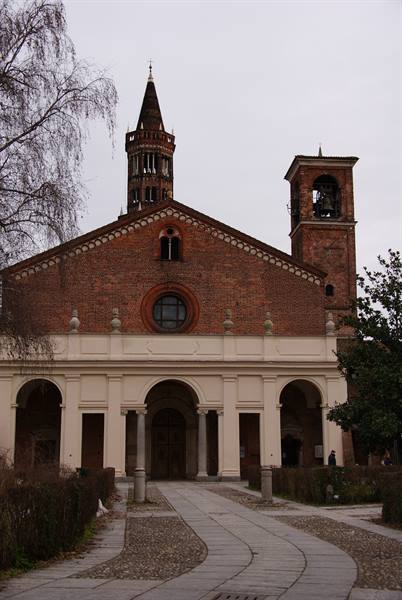
Half a day wandering about without going too far from home, and so off to the surroundings of Milan to visit 2 splendid abbeys, Chiaravalle and Viboldone. Dedicated to Santa Maria, the Abbey of Chiaravalle stands in the immediate surroundings of Milan: it is one of the earliest and most important Cistercian monasteries and among the religious buildings dearest to the people of Milan. The Abbey was founded in 1135 by St. Bernard, abbot of Clairvaux, who gave the area its name, previously called Rovegnano. The Abbey soon became a very lively centre, both artistically and religiously: the monks reclaimed the surrounding marshes and built a splendid architectural complex, of which only the church has remained intact. The complex is entered through a door set in a sturdy sixteenth-century tower, on whose side stands the small oratory dedicated to St.
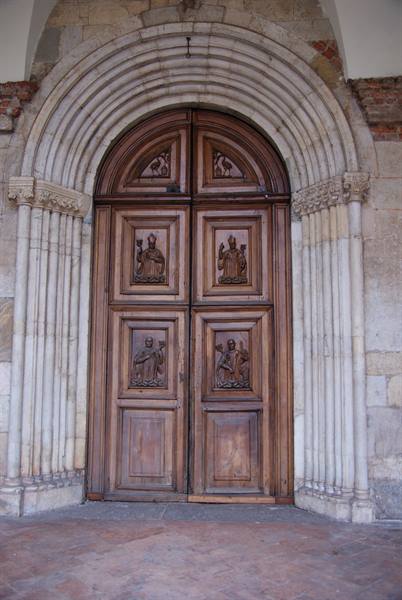
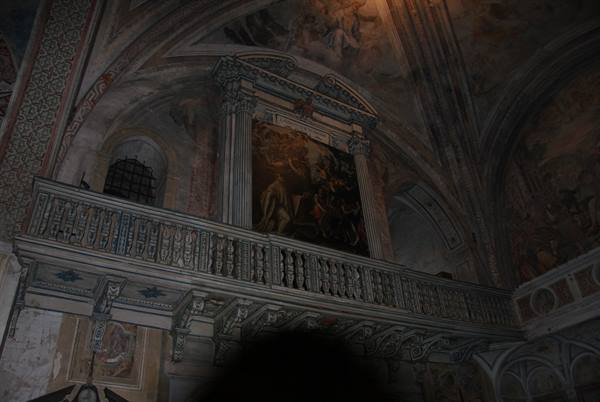
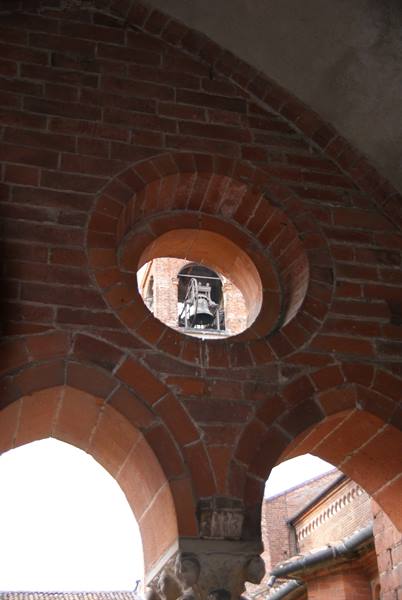
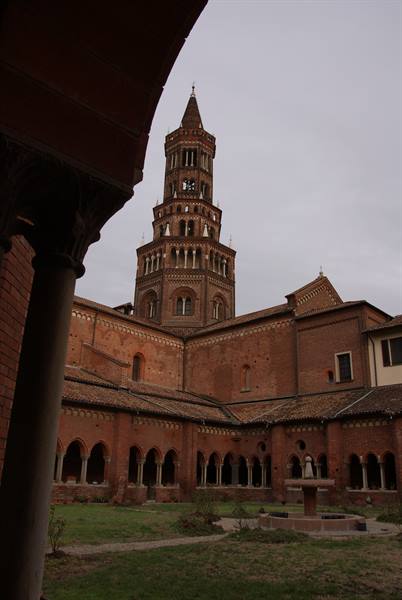
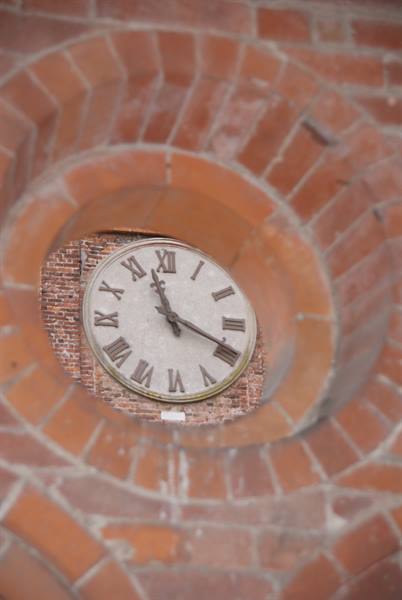
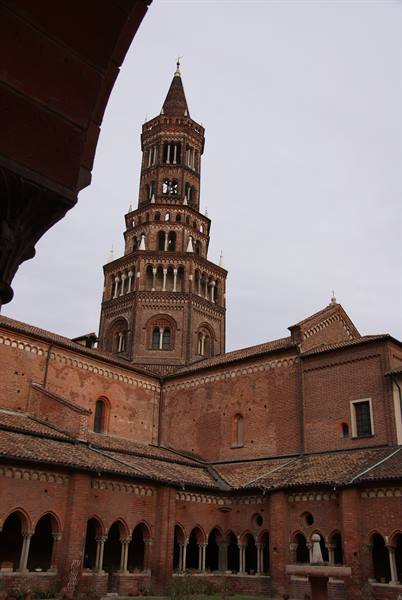
Bernard (1412) which preserves a fresco depicting Christ before Pilate, of Flemish attribution. The church already combines motifs of French inspiration with those of the Romanesque-Lombard tradition. Passing through a fine thirteenth-century portal, one discovers the interior. The church has kept its Latin-cross layout intact, with the three naves divided by cylindrical pillars: here the pointed arches appear, for the first time, outlined by slender ribbing. The hand of Tuscan artists made itself felt in the decoration of the fine octagonal tiburium which, however, rises from a square base. Here, unknown Tuscan masters of Sienese and perhaps also Giottoesque inspiration frescoed, in the first half of the fourteenth century, the sacred stories of the Virgin. The frescoes adorning the walls and the beautiful bell tower of 1340 are precious.
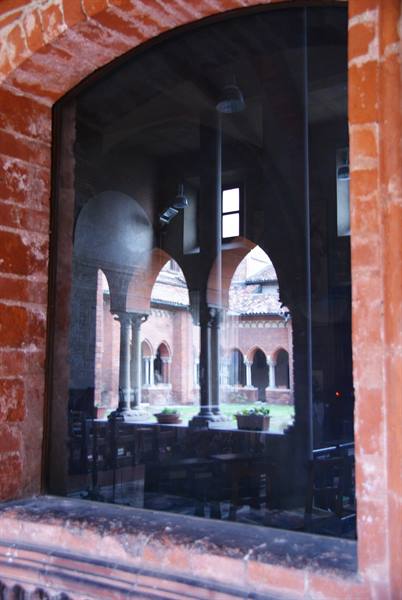
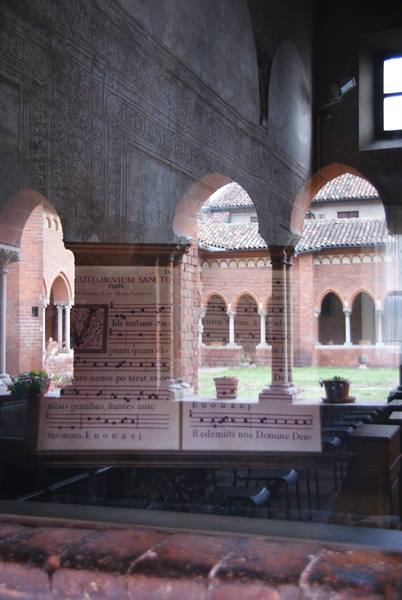
Of high artistic value are the thirteenth-century cloister, of which the northern side and two eastern bays remain, with the fresco by Gaudenzio Ferrari (first half of the sixteenth century), then the Chapter House with Renaissance terracotta windows set within the Romanesque ones and the Refectory. The grandiose cloister by Bramante, built in 1493, was totally demolished in 1861 to build the railway. The Cistercians, sent away in 1798, regained possession of the complex in 1952.
The journey's photographs
10 photographs · click to open them full screen
0 reader comments