The story
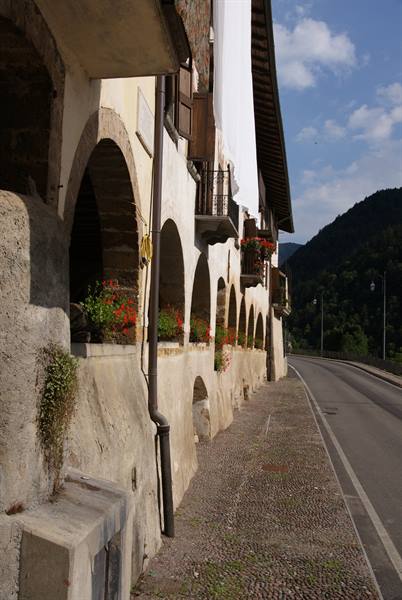
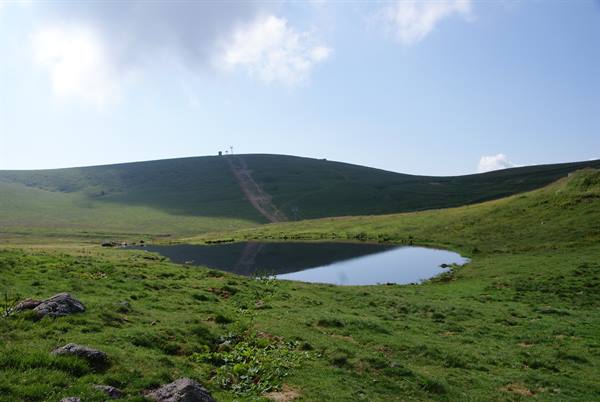
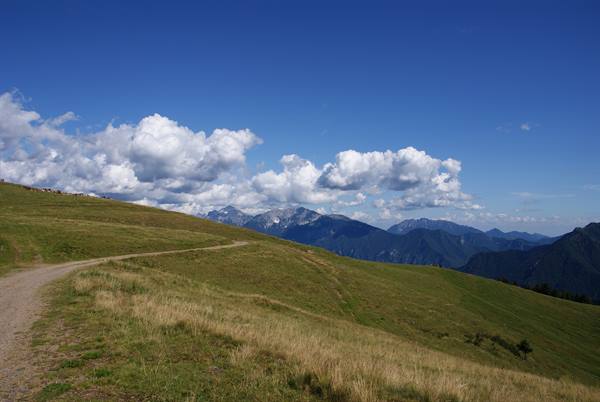
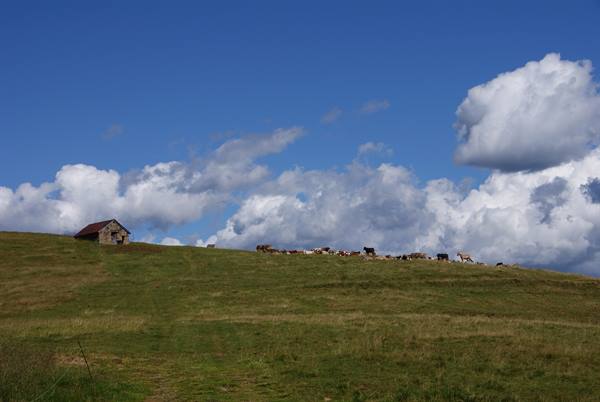
Cusio - Piano dell'Avaro: Cusio, at 1050 m above sea level, is a typical little village of the Orobie Alps. Stretched out on the slopes of Monte Avaro, it belongs to the Bergamasque valleys of the Pizzo dei Tre Signori, an area of great environmental value inside the Orobie Bergamasche Park. The Piani dell'Avaro, at 1700 m and easily reached by car or on foot, are a kind of playground both in summer and in winter: cross-country skiing, bobsleigh, sledges, walks, jogging... all in close contact with nature! A little paradise on earth! Santa Brigida: The church of Santa Brigida was probably erected before the year 1000 by a community of Benedictine monks, who dedicated it to Abbess Brigid, patroness of Ireland, founder of monasteries and educational communities. These Benedictine monks came from the Valsassina, as did a good part of the inhabitants of the Valle Averara.
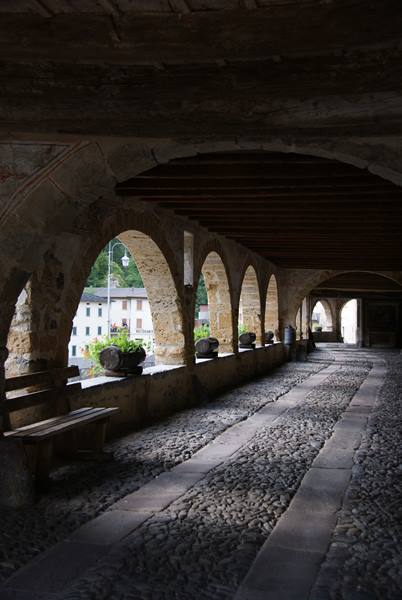
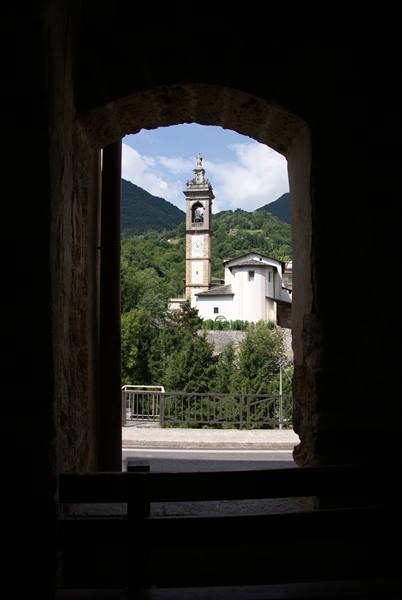
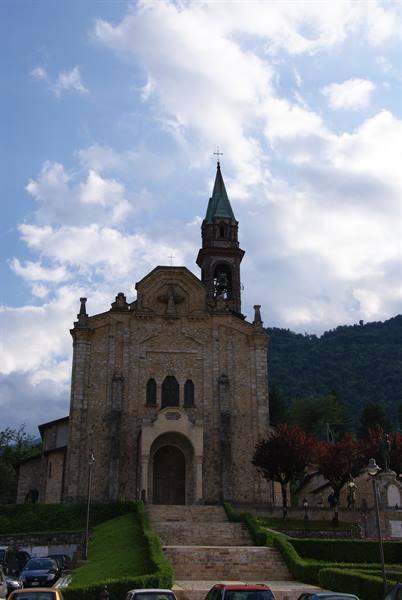
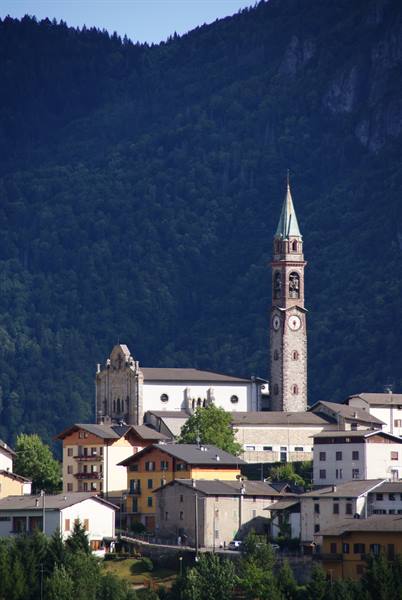
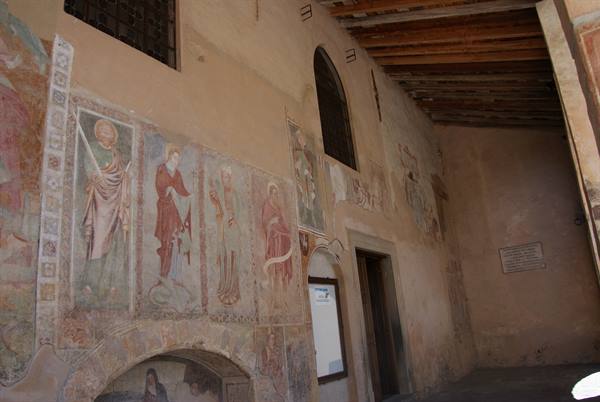
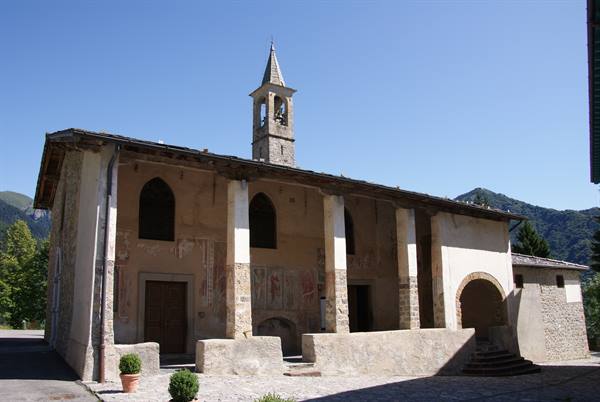
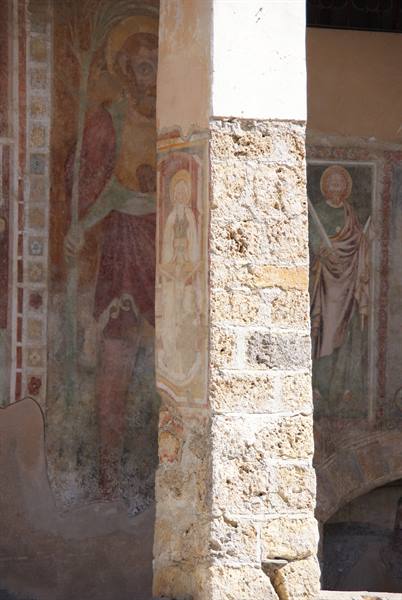
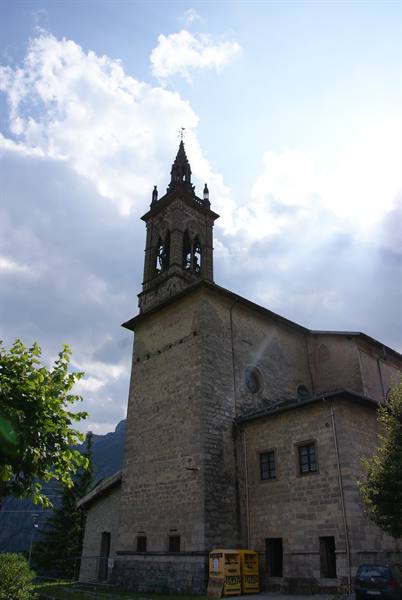
The building's architectural evolution went through various phases, including an enlargement in the second half of the 15th century. Important traces of the original construction remain in the architectural forms and in the paintings of the present one, whose appearance results from the radical transformation that took place in the second half of the 15th century. The church has a single nave, divided into five pointed bays supported by stone pillars. The roof is gabled, held up by polychrome wooden beams, with a vault decorated with 18th-century stucco work. The bell tower, with a pyramidal spire, has its base partly incorporated into the church and features a small belfry with four openings. Outside, a large portico opens up, covered by the slope of the church roof and supported by three pillars, almost entirely decorated with frescoes.
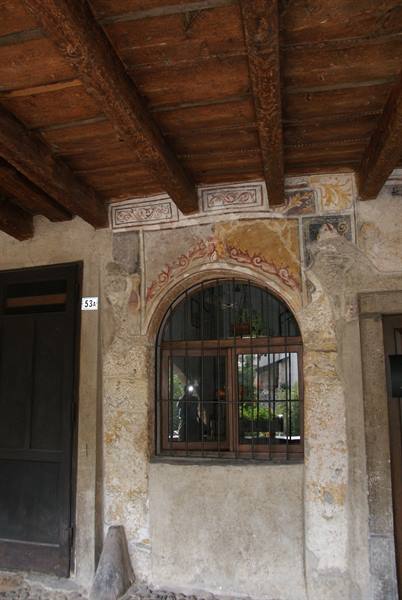
The frescoes adorning the portico, which date from the first half of that century, would belong to the original church, as their arrangement seems to indicate. They in fact cover the lower half of the wall, and the upper line of the panels seems to coincide with the line of the pre-existing roof. In any case, it is certain that the original church of Santa Brigida, which is today's Sanctuary of the Addolorata, dates back to before the 13th century and was the only one existing in the Valle Averara. In the 15th century it underwent a first remodelling of its medieval structures and was consecrated by St Charles in 1566.
Thanks to its natural beauty and the value of its artistic references, Santa Brigida was among the first centres in the valley to feel the impulse of summer holidays, increasingly favoured by a varied offering of services and opportunities for recreational and cultural entertainment.
The journey's photographs
24 photographs · click to open them full screen

0 reader comments