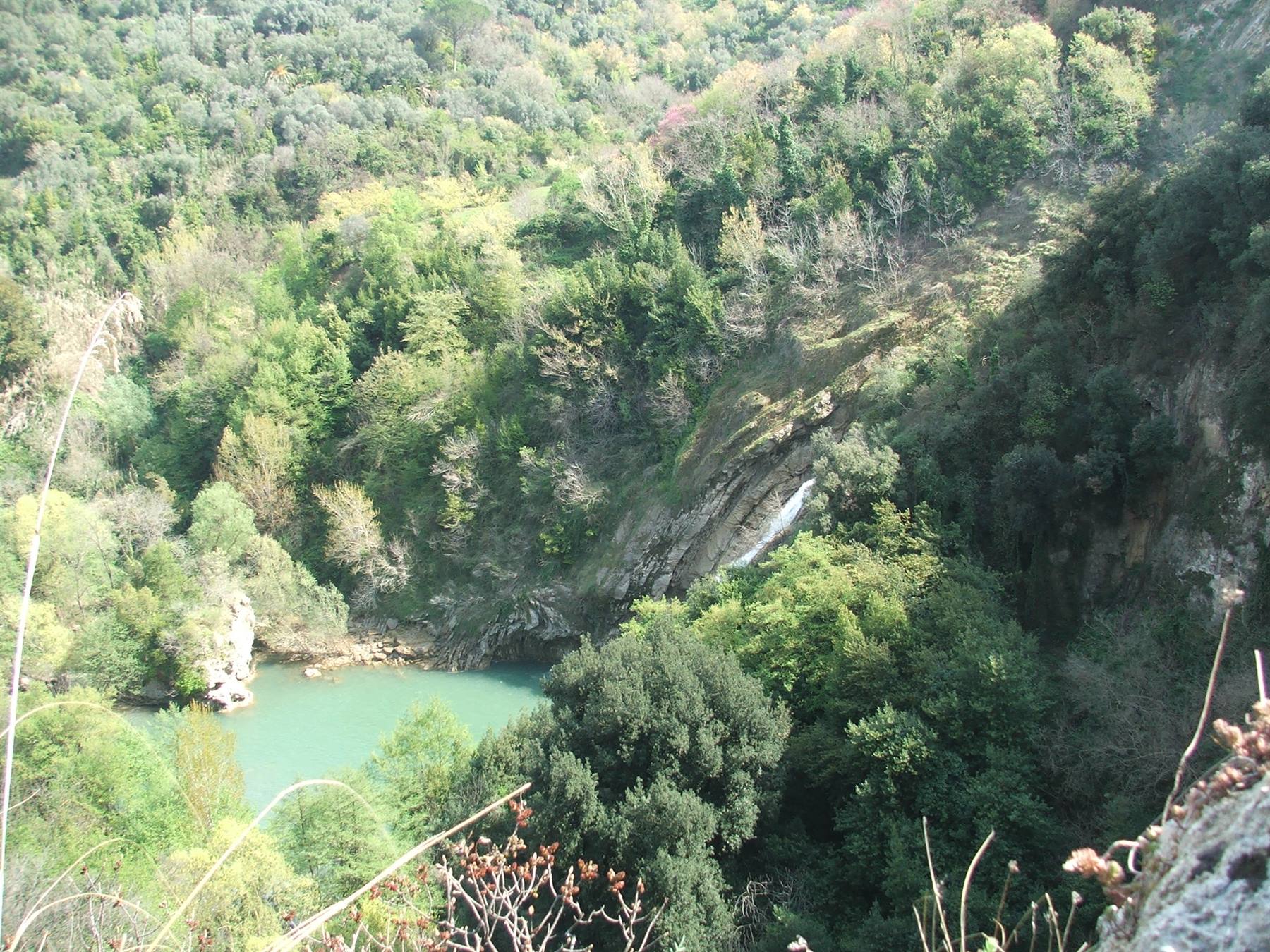
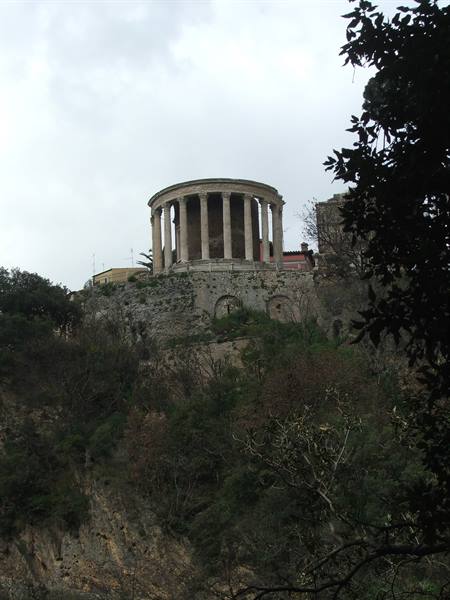
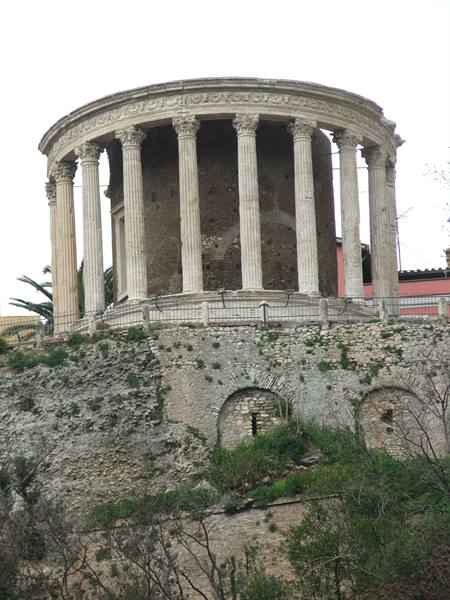
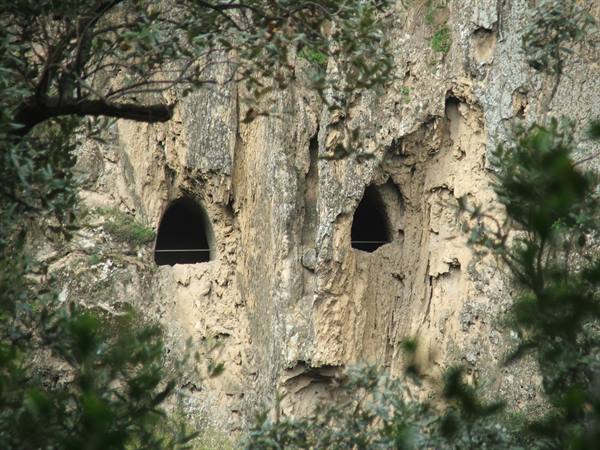
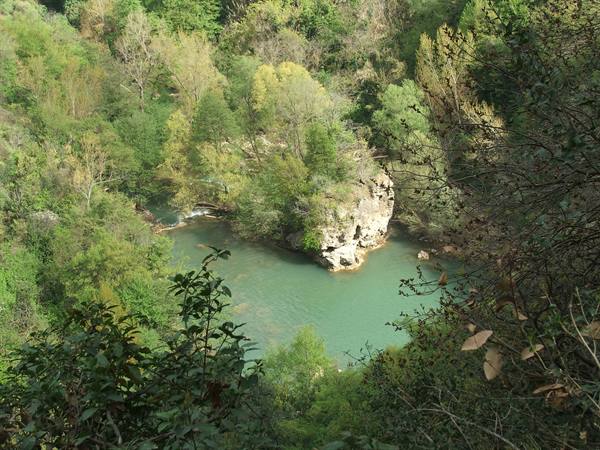
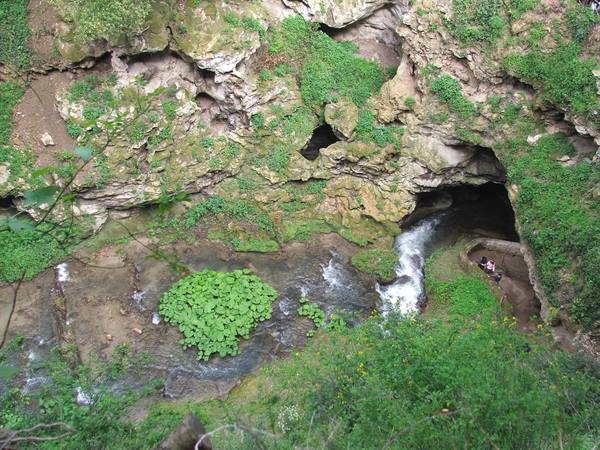
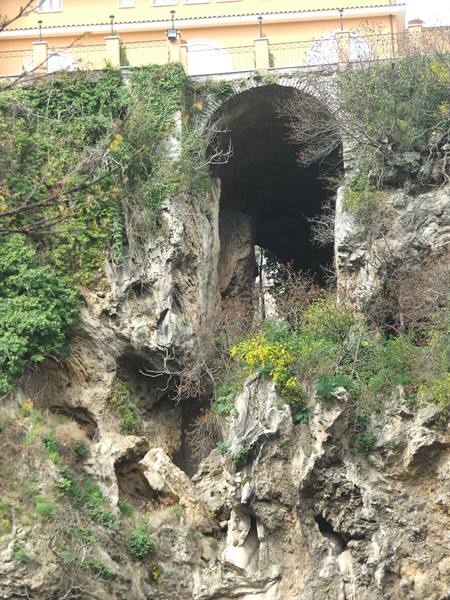
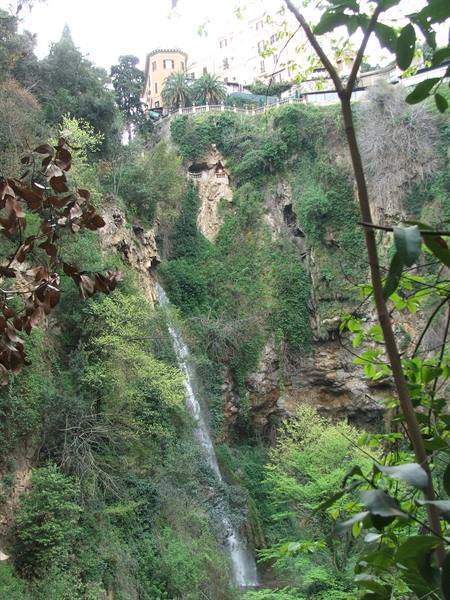
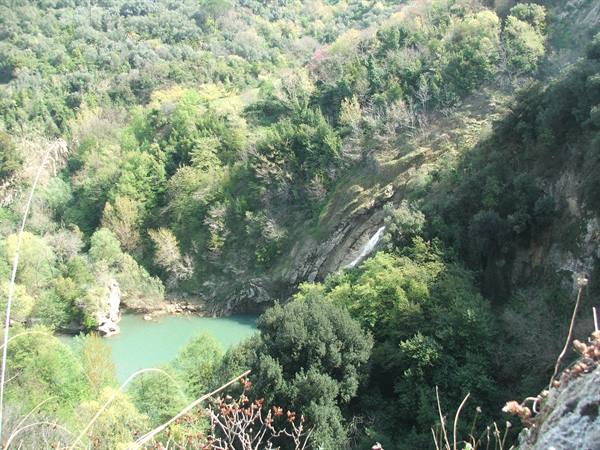
In 1826, following yet another frightening flood wave that made the waters of the Aniene river overflow, sweeping away almost all the dwellings located in the oldest part of Tivoli, Pope Gregory XVI diverted the course of the Aniene, creating, after a daring tunnel, a magnificent waterfall. It was decided to use the old riverbed and the steep walls that enclose it to create a fantastic walk. In a nature of great suggestion, among limestone formations, caves, crevices and archaeological remains, the "Villa Gregoriana" park was created in Tivoli. The park is located in the archaeological area of Tivoli, already described by the Roman historian Pliny the Younger, so there are archaeological remains and, among all, the Temple of Vesta and the Temple of the Sibyl.
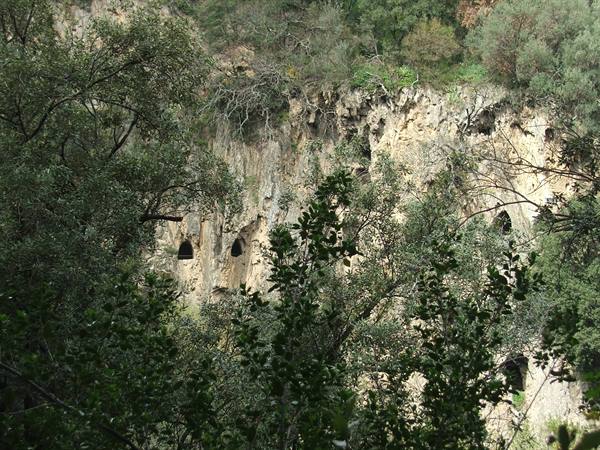
At the beginning of the 1800s, when the love for classicism spread throughout Europe, many artists came to this area to portray the classical remains scattered in the wild nature, but due to the presence of numerous chasms, called "Tiburtini", many artists paid with their lives for the fashion and true love of classicism, slipping and plunging into the valley below. So several passages were dug inside and along the steepest slopes. The Pope had an external and privileged position, from which he used to observe and admire the spectacle of the opening of the sluice gates and the water that arrived and flowed thundering along the course diverted by his order.
0 reader comments