The story
Bossea Cave, often called in the plural perhaps because of its many inner rooms and its enormous size, is in the mountains, near Frabosa Soprana (CN). It's the third-largest cave by size and importance in Italy and inside this cave there are several permanent scientific stations for the study of minerals etc... whose data go to the Polytechnic of Turin and various parts of Italy to be studied. You arrive at Bossea and follow the signs for the cave up to a large building complex where frankly the entrance isn't even signposted that well. The complex contains a tiny but well-stocked bar, a small shop of objects and souvenirs of the cave and more, and a few display cases with local products from the valley such as honey, jams or liqueurs made from flowers and plants......
A large room that serves both as reception/restaurant and for some educational evenings about caves held by speleologists and researchers. With 10 euros each you buy the entrance ticket to the cave for the longest route which lasts about 1.5 hours and is a guided tour. There are 2 entries in the morning and 2 in the afternoon, the last at 16:30. There are discounts for children and groups, the guides who accompany tourists in the caves are the same people who look after the bar and the souvenir shop. The visit is interesting and nothing short of astonishing; before entering I certainly didn't expect what I then got to see, I was pleasantly struck and it's a visit that's worth its price, I recommend it both for its beauty and for its natural and scientific interest.
Inside the cave there's a path you can walk without too much effort and it's lit; there are points where you need to be careful and inside the floor is slippery, a humid and cool climate, but it's really worth getting a bit cold to see the inside of this great cave of a thousand wonders. Inside the cave, then, twice a year, in a particular and extensive hall, 2 concerts are held, one on 26 December and one on 16 August; I'd say it's nothing short of evocative to hold a concert in a cave...... You set off in a group along a walkway that climbs slightly up the mountain, you reach the entrance and through a narrow path you immediately arrive in astonishing places. The walkway inside is almost all made of concrete steps with a handrail that's useful for holding on and not slipping.
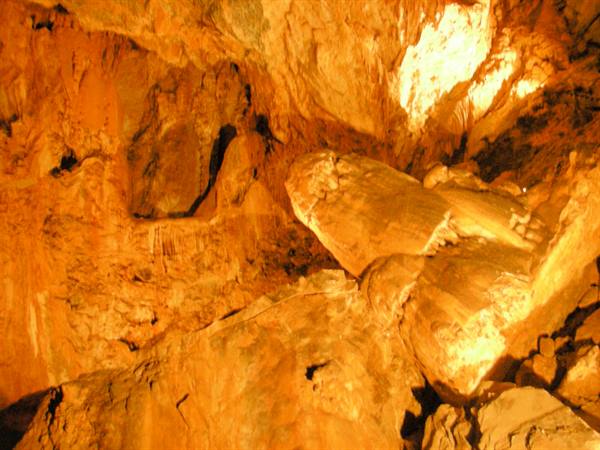
During the tour the guide makes at least 5 stops to give both historical and naturalistic explanations of the place. The cave is very ancient and enormous both in terms of surface area and height, it gets to be truly very tall with very wide arched views. What you can see inside are truly unique and beautiful sights, the colours are almost magical and the environment is yes humid but not unhealthy since inside there's running water that all in all keeps the air circulating and prevents the formation of micro-organisms harmful to the delicate and magnificent limestone rock formations that make up the cave. The cave was entirely carved out by water and the water that flows through it is very calcareous; this has facilitated the formation of very extensive and very visible stalactites and stalagmites.
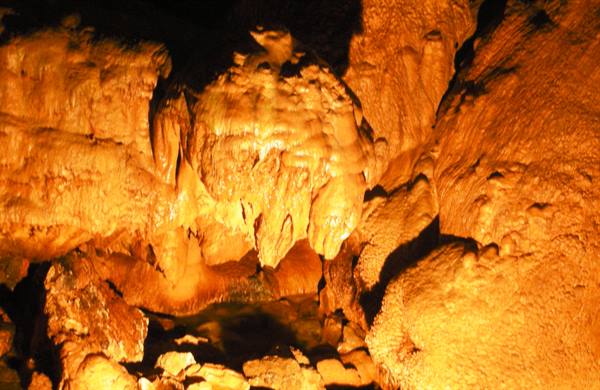
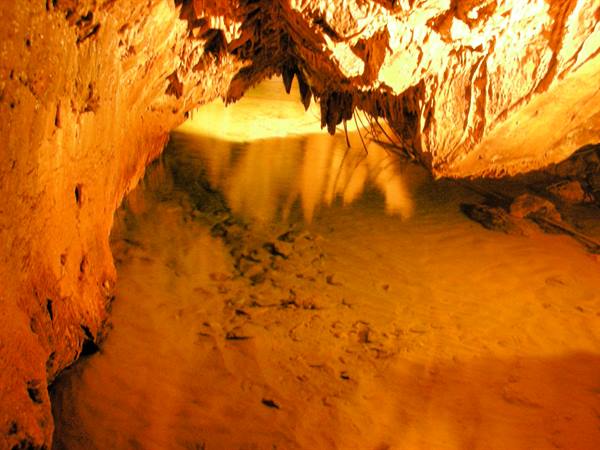
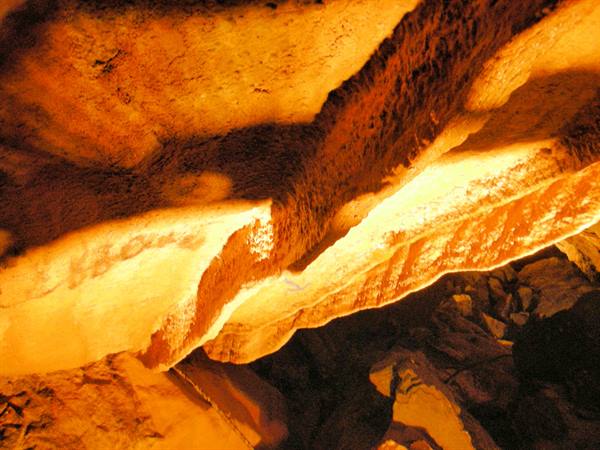
You pass from wide spaces with beautiful views of ceilings and rocky and calcareous formations to little lakes, waterfalls, pools of crystal-clear water, very tall holes in the rock where water once passed and now no longer, new young formations, large ancient formations. The classic names given to the limestone formations are the typical ones of the setting: Father Christmas, Juliet's balcony, the missile and so on, for the shapes and sizes of the formations. The colours are irresistibly relaxing and range from white to grey, yellow, brown, orange, green, blue, dark brown and cream shades.
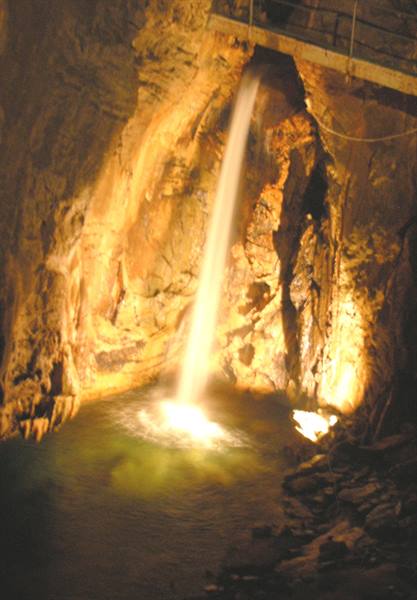
Inside it's recommended to take photographs without flash, for the conservation of the microsystem; thanks to the metal handrail you can take good photos even without flash as you can lean on the handrail, the most beautiful formations are all lit while the environment in general has weak yellowish lighting. In the hall of wonders, the largest in the cave, where the permanent scientific station is and where the concerts are held, there are the remains of animal bones found in the cave, preserved in glass display cases; in a large case there's then an almost complete reconstruction of a cave bear, authentic, with the ancient bones found. The limestone formations range from pointed spires to soft round shapes resembling big balls of ice cream in the process of melting...... very beautiful is the tall and noisy waterfall, the water is crystal-clear and plunges into a very scenic river.
There are several points from which you can see the water flowing impetuously, a sign that the cave's activity is still ongoing. Visits can be made every day and all year round; moreover, at the moment some studies are being carried out inside to discover new stretches of cave still unexplored. After an hour and a half of ups and downs and breathtaking views you're a little tired, but in the small bar you can find refreshment with cakes and good coffee, hot chocolate or, if you're there at lunchtime, some ready-made or typical local dishes! The cave is about 22/25 km from Mondovì, towards Liguria; the valley where it lies is a limestone valley that also offers other small visitable caves and panoramic viewpoints.
It's advisable to phone ahead for the visit to the Bossea Cave, especially if you're coming from far away, since groups can't exceed a maximum number of visitors; if there are already groups that have booked you risk being left out and that would really be a great shame. The staff are also kind and very helpful; it's a lovely place to spend an afternoon in contact with primordial nature.
The journey's photographs
7 photographs · click to open them full screen


0 reader comments