Mondello, Aeolian Islands, Vulcano, Lipari, Giardini Naxos, Porto Palo di Capo Passero, Licata, Trapani, Favignana, San Vito Lo Capo, Palermo · Sicilia
When
1 Sep 1997 – 15 Sep 1997 15 days · trip of 1997
Who
ALBERTO GREGORI · @macgreg · CASTIGLIONE D'ADDA
How
Travel diary
The story · 9 days
Day 11 Sep 1997
After visiting Sicily a spontaneous question arises: is it worth facing so many hours of flight and high costs to visit a distant country, when in Italy there are places like this to visit? Indeed Sicily holds within its small area incredible treasures, which sometimes cannot be found even by touring an entire country: splendid sea and beaches, historical testimonies, natural landscapes, medieval towns, sunny islands, art cities: practically everything one could ask for from a complete trip. For a tour of the island a car is necessary, therefore there are 3 possibilities: boarding with the car on the ferry (with Grandi Navi Veloci it is like being on a cruise, but the cost is high), renting a car or travelling by car (but from the north it is too long).
We did a complete tour of the island by car, practically always following the coastline, touching many places that classic tours neglect, and alternating days with visits to beaches. The beaches of the South are practically very long and deserted, with few towns and rare hotel facilities; it is possible to spend entire days at the beach meeting at most about ten people (at least in September). Absolutely not to be missed are Taormina, Etna, the Aeolian Islands, the Zingaro nature reserve and Palermo. To the tour we added a seaside stay in Giardini Naxos, at the Naxos Beach, an ideal position for making many day trips. Moreover the hotel is very welcoming, made up of a central building and bungalows scattered in the garden; excellent seafront position on a beautiful beach of mixed sand and pebbles, clear sea, excellent cuisine and pleasant entertainment.
One of the best-equipped complexes in Sicily with a good quality/price ratio.
Day 1: Genoa - Palermo (Mondello) After a night and a day spent on board (20 hours), between pool, restaurant and relaxation, we arrive in Palermo in the late evening. Transfer to Mondello for the night, after a first taste of the local cuisine based on fish in one of the many restaurants along the seafront of this pleasant and elegant seaside resort.
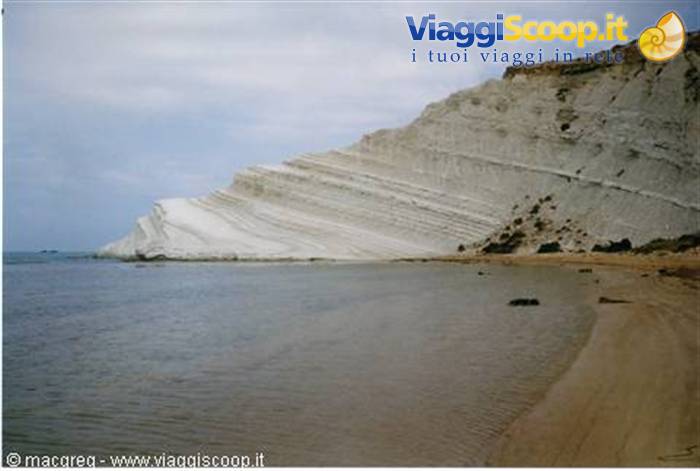
Turchi Cove beach (Porto Empedocle)
Day 22 Sep 1997
Day 2: Mondello - Aeolian Islands
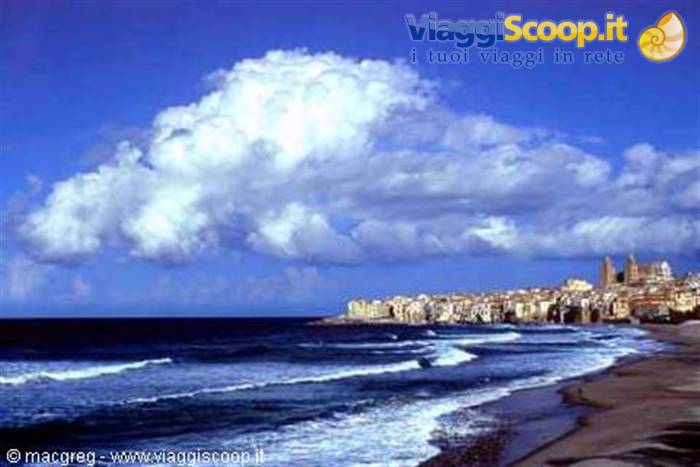
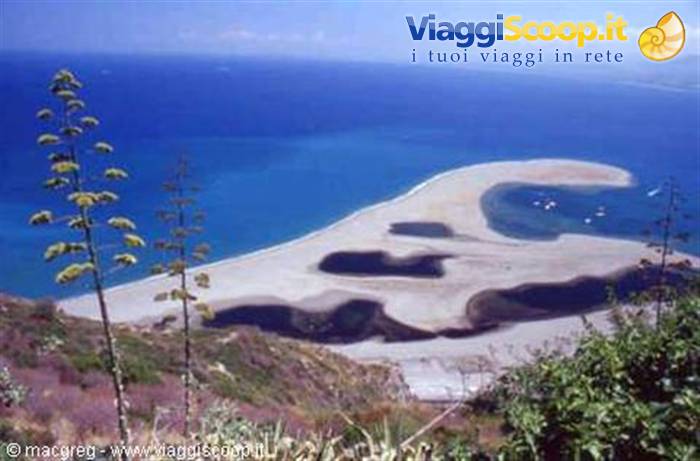
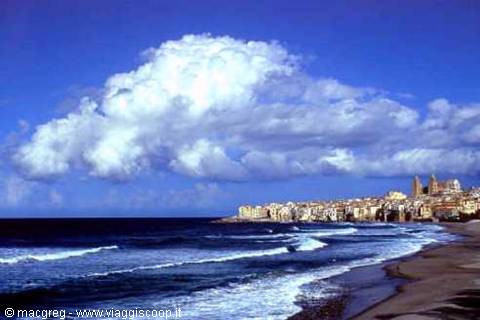
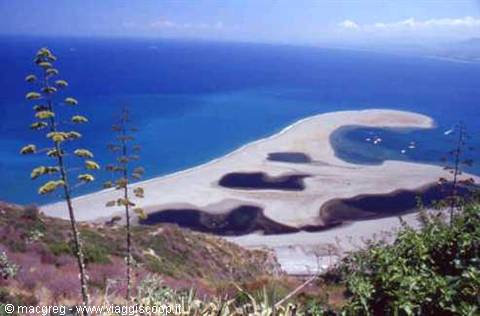
Departure for eastern Sicily with a stop in Cefalù, a splendid town perched at the base of a cliff, dominated by the remains of the Castle and famous for the splendid view that can be admired from the beach. The most important monument of Cefalù is certainly the Cathedral, a basilica in Arab-Norman style. We continue with a stop at the Sanctuary of Tindari, in a spectacular position with a view of the famous tongues of sand called the "Laghetti di Tindari" which extend into the sea and take on a different shape depending on the tides. Arriving in Milazzo, we board the hydrofoil for the island of Vulcano in the Aeolian archipelago. Panoramic walk around the island dominated by the crater: the muds, a natural pool hosts sulphurous muds known for their therapeutic properties. The fumaroles that characterise the constant smell of sulphur on the island.
The boiling sea, a stretch of sea with fumaroles in the water that bring the temperature to 30 degrees and beyond. The valley of the monsters, so called for the evocative and enigmatic shapes of the rocks. All the attractions of the island are found between the Porto di Levante and the Porto di Ponente. To finish, a swim in the beautiful bay of black sands, of volcanic origin, where the water is very transparent. Our bungalow is practically situated two metres from the beach.
Etna
Day 33 Sep 1997
Day 3 : Vulcano - Lipari - Giardini Naxos
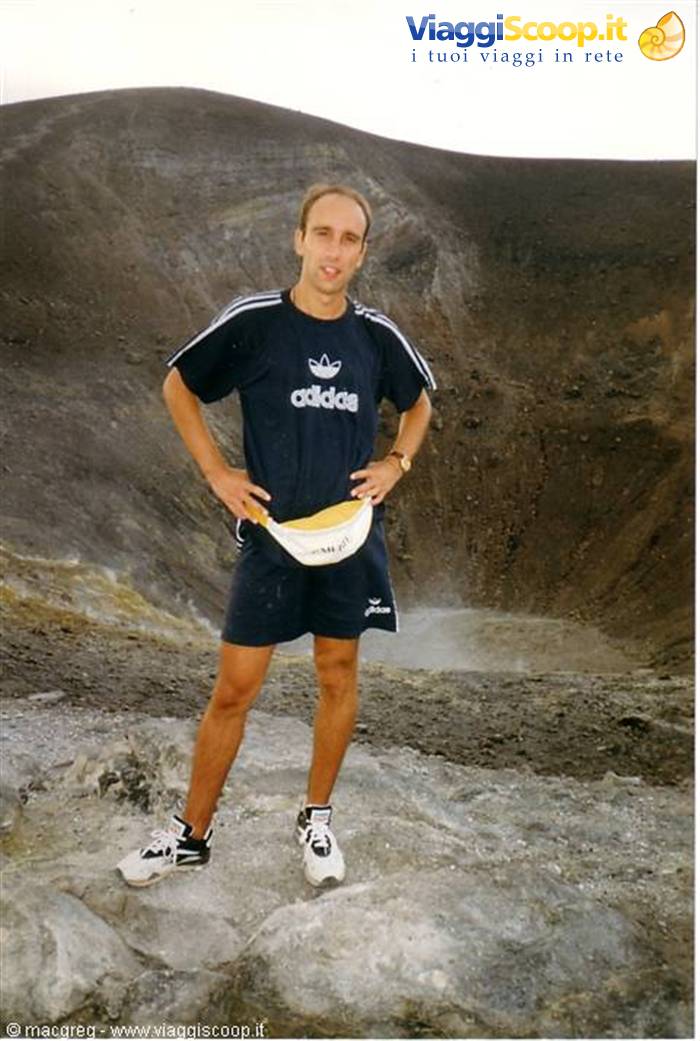
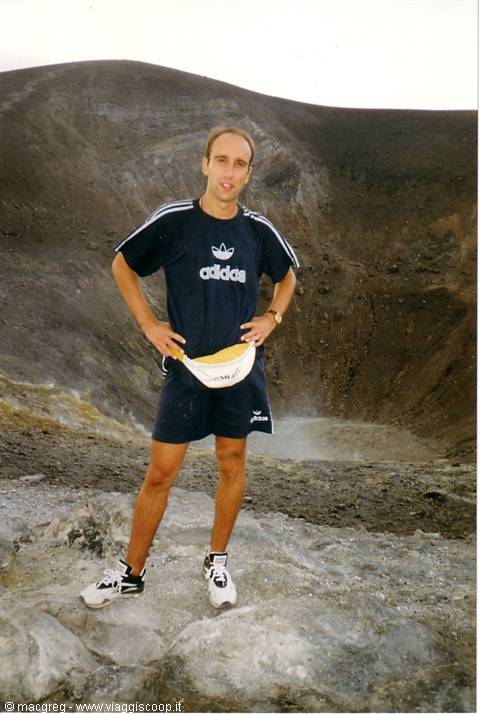
Early in the morning, around 6:30, we begin the climb to the crater. It is only two hours round trip, but it is a truly very tiring route; moreover, to take a shortcut, we go up directly following the stones, but every 3 steps we slip back one: better to use the path. But once you reach the top a sensational panorama opens up: on one side the bottom of the crater with the fumaroles, on the other the view sweeps over the whole archipelago: in the foreground the peninsula of Vulcanello, in front Lipari with Salina on the left, with its characteristic profile of two mountains, and in the distance Filicudi (on particularly clear days you can also glimpse Alicudi), on the right Panarea, flanked by its islets, and in the background Stromboli. It is possible to walk around the crater but it is forbidden to descend because of the dangerous gases.
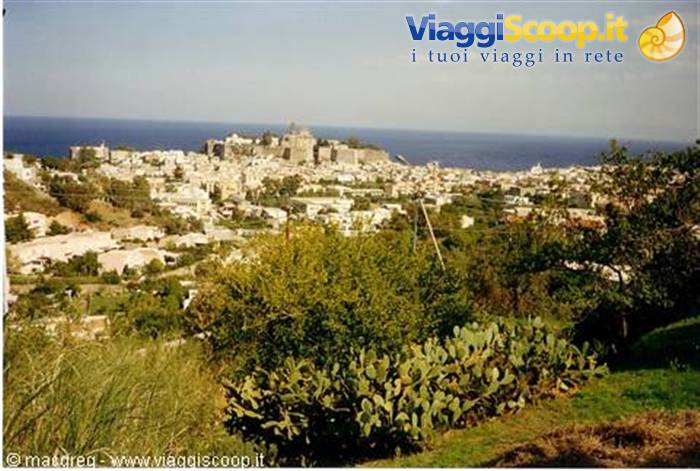
After the descent we board again heading for Lipari: on arrival we rent a scooter to tour the island. It is a circular route of 27 km that allows you to see all the most interesting areas: Canneto with its beautiful white beaches and incredibly blue sea. The pumice quarries where the contrast between the white and the blue of the sea creates a fascinating spectacle. Quattrocchi, a viewpoint with a fantastic view over Vulcano and the sea stacks. Then you return to the small town of Lipari, where you visit the Castle and the historic centre. In one of the many restaurants, you can taste the island's delicacy: pasta with sardines. At the end of this long day, return to Milazzo and continue to Giardini Naxos, for the stay at the Naxos Beach.
Taormina from Castelmola
Day 44 Sep 1997
Days 4-9: Giardini Naxos
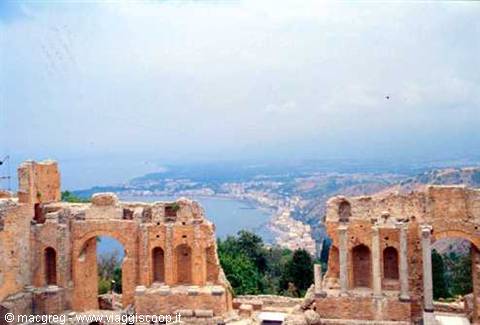
The stay at the Naxos allows you to discover the beautiful surroundings with day trips. Taormina: the jewel par excellence of Sicily, situated in an enchanting position overlooking the sea and the famous Isola Bella. The centre of Taormina, reachable via cable car from the parking lots below, is crossed by the pedestrian Corso Umberto I, from which it is possible to reach the points of greatest interest, including the Greek Theatre, Piazza Vittorio Emanuele, the Duomo, the municipal gardens and the various historic buildings. A mandatory stop at the beach in front of Isola Bella, very particular, where a very thin strip of land connects it to the shore. Here the sea is transparent and the seabed beautiful. Continuing beyond Taormina the road reaches Castelmola, a characteristic medieval town with a beautiful viewpoint over Taormina and Etna.
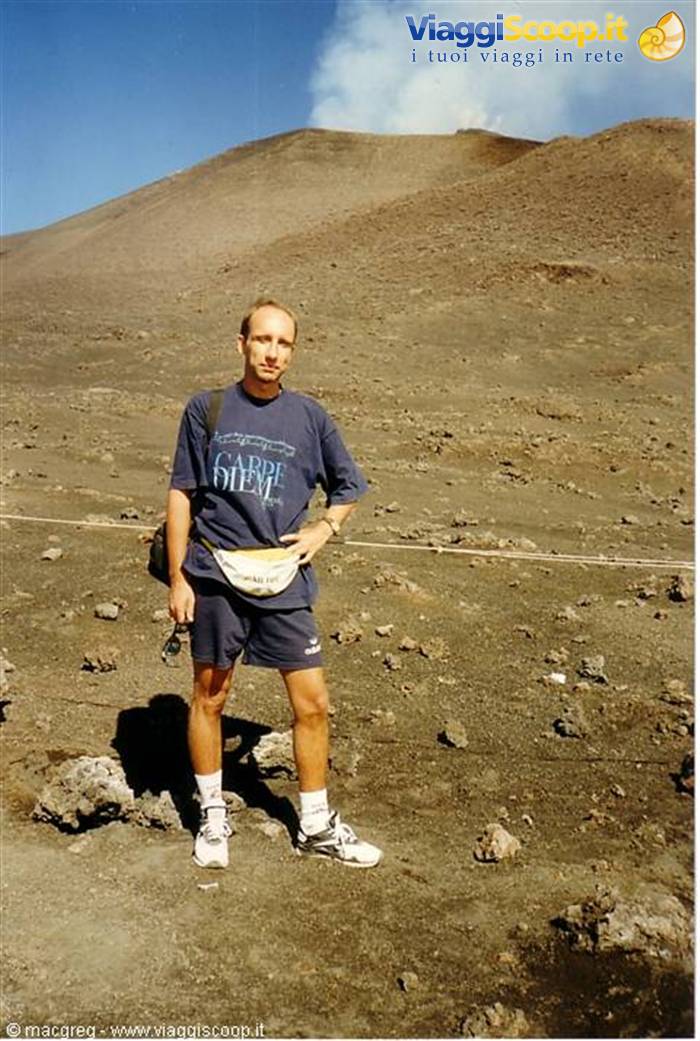
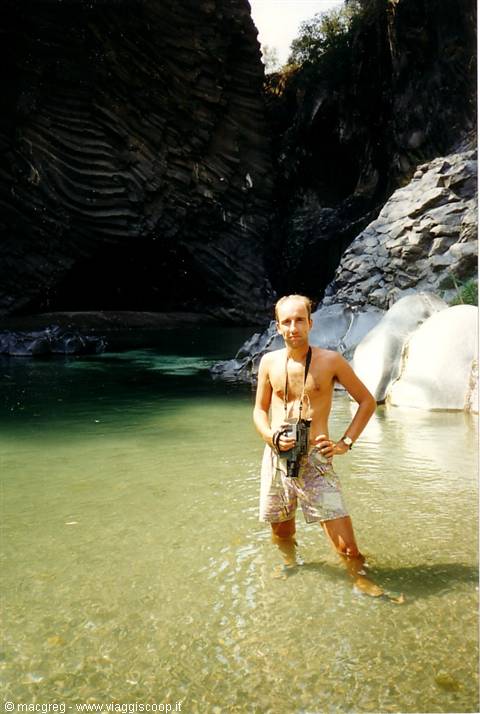
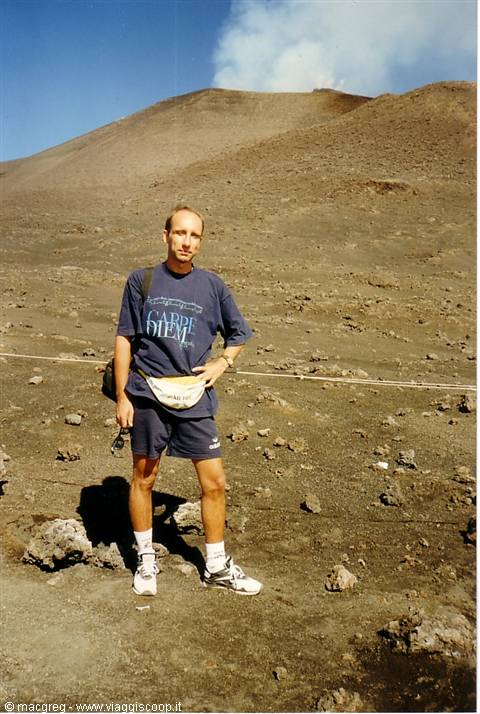
Gole dell'Alcantara: the gorges were formed by the path of lava that made its way down to the sea, then carved by a watercourse. The water is freezing, and following a short stretch, initially it is shallow, then you have to swim to reach the little waterfalls. Surrounded by high walls that reach 50 metres and that narrow more and more, you enter a truly evocative landscape like in few other places in the world. The descent to the gorges can be done via a pleasant path, the ascent by lift. Etna: The drive up by car to the Sapienza refuge, at the foot of the volcano, is in itself a fascinating experience: from the green of the maritime pines, the oranges and the lemons you slowly pass to a bare and lunar landscape, until you reach the ancient craters.
To climb to the top of the mountain you can first use the cable car up to almost 2000 m, then an off-road service up to 2600 m (both tickets are purchased at the Rifugio Sapienza). The last stretch on foot. For safety reasons it is no longer possible to approach the central vent. However, after a short walk, you reach a "warm" zone, where the ground smokes and if the volcano is partially active, from here you can see the lapilli being thrown into the air by the crater. To end the day, it is possible to follow the stretch of coast that touches the main localities near Catania: Acireale with its Baroque monuments, S. Maria la Scala, a small hamlet with its characteristic little port, Aci Castello, a small fishing village with the castle in black lava stone, and finally Aci Trezza with the characteristic faraglioni of the Cyclops.
Aeolian Islands: the crater of Vulcano
Day 510 Sep 1997
Day 10: Giardini Naxos - Porto Palo di Capo Passero
The first stop during the transfer southward is the city of Syracuse, where you can visit the archaeological area on the outskirts, and the typical Ortigia district in the historic centre. The Neapolis Archaeological Park, besides being in a scenically harmonious area, allows you to visit some of the most famous historical monuments of Sicily, such as the majestic Greek Theatre, the Ear of Dionysius, a natural cavity that recalls an ear, the Grotta dei Cordari and the Latomie. Ortigia, on the other hand, is a jewel of the Baroque, where you can admire many monuments: the Duomo, Via della Maestranza with its elegant buildings, up to Fonte Arethusa. Continuing south, a stop is a must in another town famous for the Baroque: Noto.
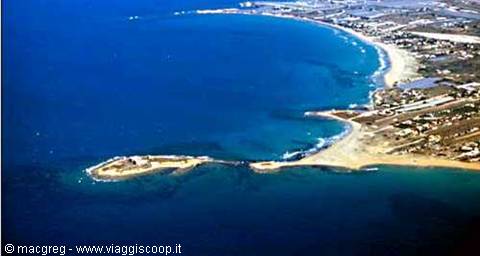
Following Corso Vittorio Emanuele, the main axis of the city, you can see some of the most interesting monuments: the Cathedral, the Palazzo Ducezio, Piazza Immacolata, Piazza Municipio. Finally you reach the small fishing village of Porto Palo, the southernmost point of Sicily (islands excluded).
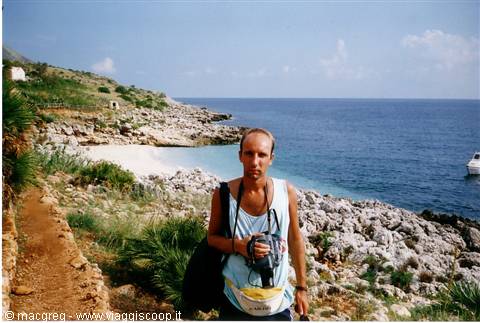
Zingaro Reserve
Day 611 Sep 1997
Day 11: Porto Palo - Licata
The day is dedicated to the splendid and solitary beaches of the south: just outside the town of Porto Palo, a very long beach of fine sand begins, washed by a blue and transparent sea, where it is pleasant to spend a morning. Following the coastal road westward there is a succession of small localities always with the same characteristic: long deserted beaches: Pozzallo, Marina di Modica, Sampieri, Scoglitti. There is only the embarrassment of choice for a swim; personally I recommend Porto Palo and Scoglitti. After Gela we reach Licata (a stop just for the overnight stay).
Cefalù
Day 712 Sep 1997
Day 12: Licata - Trapani
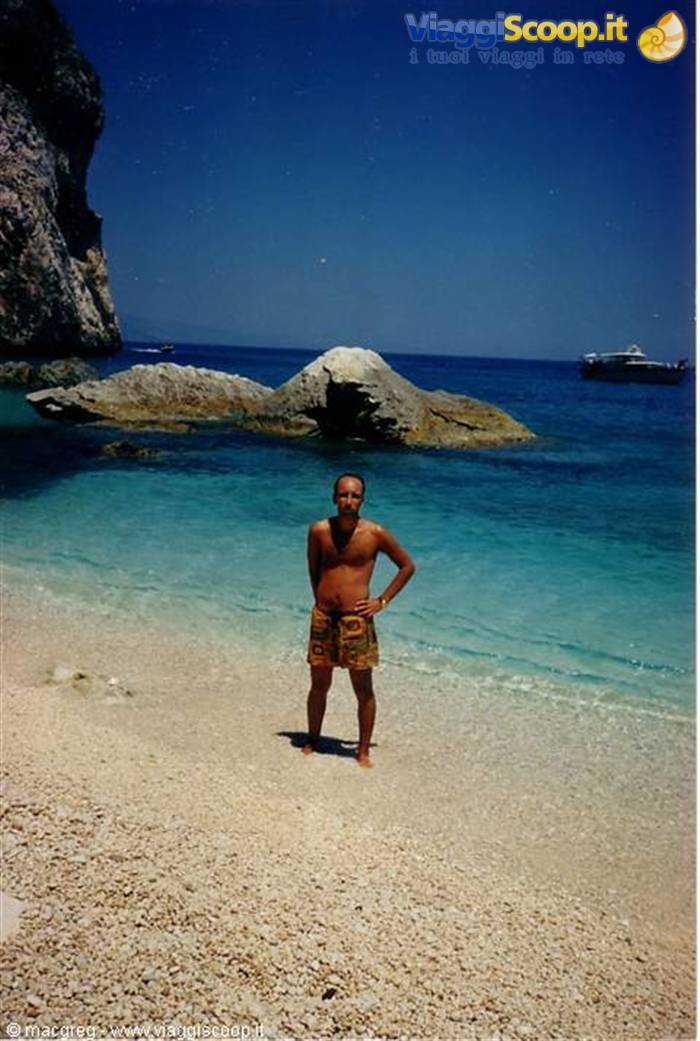
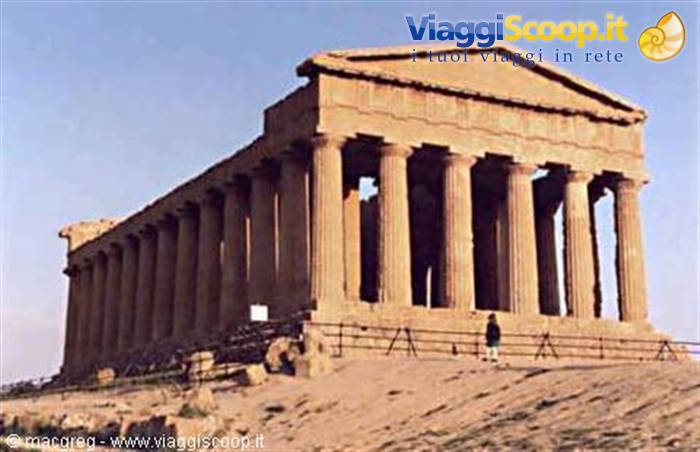
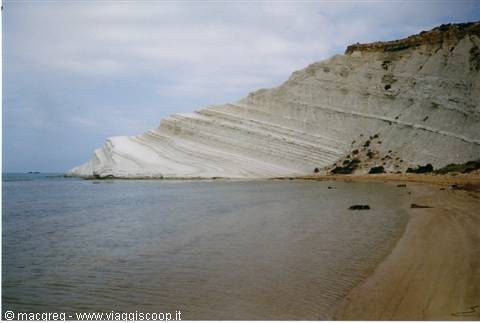
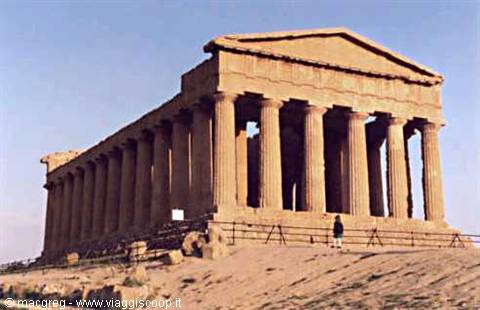
Long stage with many stops. In the morning we visit the spectacular Valley of the Temples, one of the best-preserved archaeological sites in the Mediterranean. The Temple of Concordia, the most majestic and best preserved, is truly striking. The temples of Jupiter, the Dioscuri, and Hercules are also noteworthy. On the transfer toward the western coast, the Scala dei Turchi is not to be missed, one of the most distinctive beaches I have ever seen. The detour to the beach is just after the town of Porto Empedocle. Once you leave the car, you reach a first cove surrounded by the typical scala, an immense marl cliff, a fine-grained sedimentary rock formed of limestone and clay with a characteristic white color, on which wind and rain have carved out a natural staircase.
Walking on the cliff you witness a unique spectacle, with the contrast between the white of the rocks and the blue of the transparent sea. After about 10 minutes you reach a beautiful beach of fine sand. After a nice refreshing swim, we continue to the next stop: Selinunte. Here too the ruins of ancient temples rise majestically, identified by alphabetical letters, located in 3 distinct zones: eastern temples, acropolis and western temples. The most majestic and best-preserved temple is temple E, in a dominant position over the sea from the top of a hill. Continuing on to Trapani for the overnight stay.
The view from Erice
Day 813 Sep 1997
Day 13: Trapani - Favignana - S. Vito lo Capo
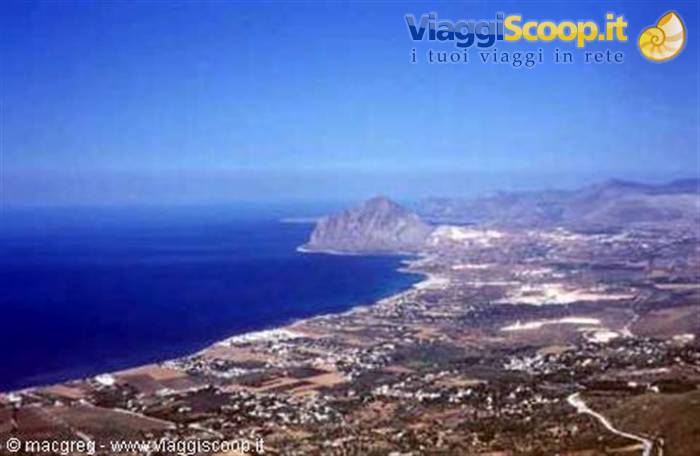
In the morning, departure by hydrofoil for Favignana, the largest of the Egadi islands. We rent a scooter to tour the island's best beaches. The two most enchanting are Cala Azzurra, a sandy bay south of the town, and Lido Burrone. Other hidden and wonderful coves are Cala Rossa and Cala del Bue Marino. In Favignana you find perhaps the most beautiful sea in all of Sicily. Also worth seeing are the Tufo Caves, in the eastern part of the island, which give the landscape a singular appearance. Here the coast is rocky but the colors of the sea are fantastic. Don't miss the island's culinary specialty: spaghetti with sea urchins, in one of the many small restaurants in town. Return to Trapani in the late afternoon, then continue to Erice, perched at over 700 m of altitude with a splendid view over the eastern coast of the island and the Egadi.
The town is defended by bastions and walls, with a medieval appearance with its small streets and narrow alleys, which make the visit unforgettable. Of particular interest is the visit to the Castle of Venus, perched at the highest point of the town: looking down from the panoramic point it feels as if you are suspended in the void. Continue to San Vito lo Capo, a renowned seaside resort with a beautiful beach and a turquoise sea.
The little lakes of Tindari
Day 914 Sep 1997
Day 14: San Vito lo Capo - Palermo
The morning is dedicated to the excursion in the Zingaro nature reserve, one of the most fascinating landscapes in the Mediterranean. The coastal road starts from S. Vito and climbs up the mountain overlooking the sea. At a certain point the road is interrupted and the trails begin that allow you to go deeper into the reserve: on one side the mountains dominate and the landscape seems like that of high mountains; green meadows, dwarf palms and rocky peaks. On the other side splendid views open up over the rocky coast, alternating now and then with beautiful unspoiled coves. A destination absolutely not to be missed. Back at the parking lot, we continue toward Palermo, where you can stop at the Cathedral of Monreale, a beautiful complex that includes the Church, a Benedictine abbey and the royal palace.
To end the beautiful tour, a visit to the main monuments of Palermo, starting with the monumental district with the characteristic Palazzo dei Normanni, the most distinctive Arab-style building in the city; the church of San Giovanni degli Eremiti, the beautiful Cathedral in Norman style and finally the "La Kalsa" district. In the late evening, boarding for the return to Genoa.





0 reader comments