The story
HISTORY
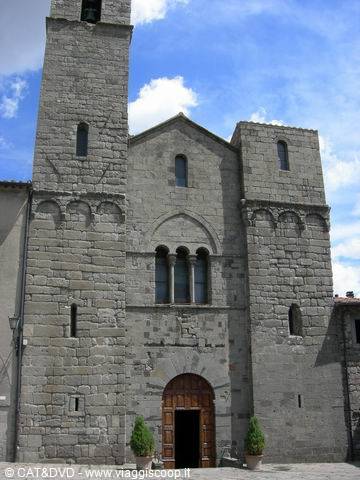
It took its name from the Benedictine abbey founded in 743 which, having passed to the Cistercians in 1203, was suppressed in 1782.
Notable are the medieval village, the 15th-century Palazzo della Potestà and the Romanesque church of Santa Croce (remodelled at the end of the 18th century).
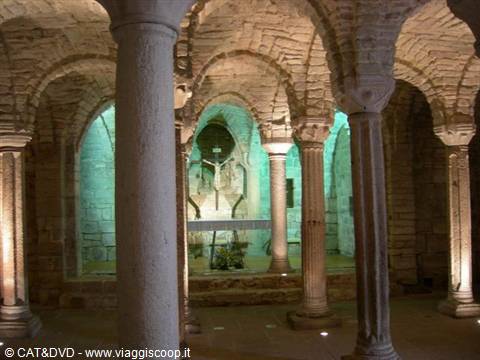
Of the Abbey of S. Salvatore, which for about a millennium radiated its power throughout the eastern Amiata area, the church and the crypt remain.
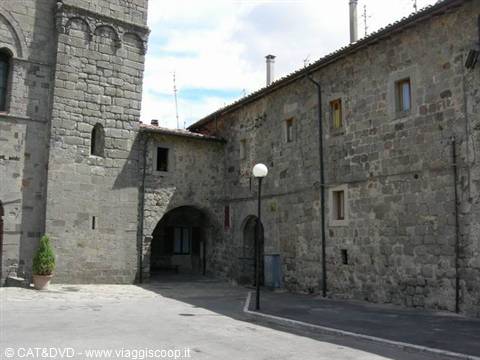
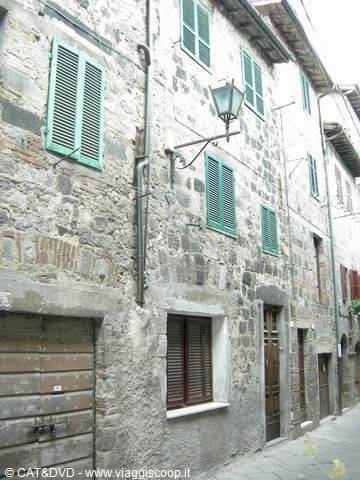
From history and legend we learn that this monastery, first Benedictine then Cistercian, was founded around 743 at the wish of the Lombard king Rachis, who initially assigned it to control the Via Francigena, which ran along the valley immediately below. Later the temporal power of this abbey is strongly reflected in the history of Tuscany and in the relations between the Papacy and the Emperors. In this historical and environmental context, the medieval village also holds notable interest, preserved almost intact with its narrow picturesque streets.
The journey's photographs
9 photographs · click to open them full screen




0 reader comments