Tripscoop›Europe›ITALY›Horse Riding in the Bosco degli Angeli: A Weekend in Cisano Sul Neva – Part I
ITALY · Europe
The story
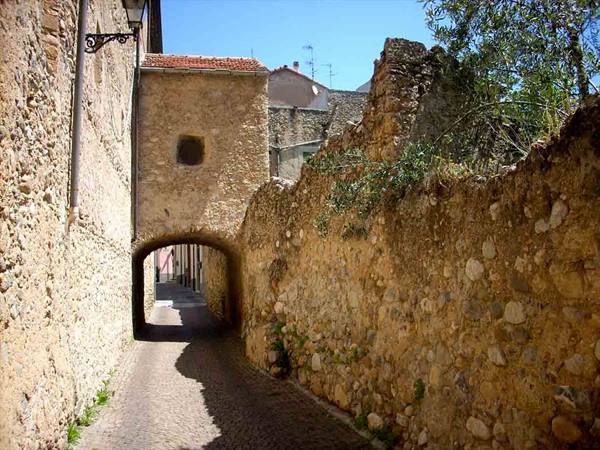
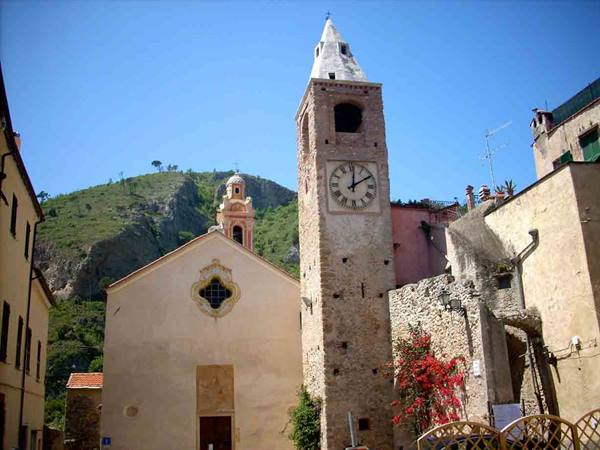
Carts laden with oil and salt, oxen dragging gigantic grey-pink stones and hauling big tree trunks towards the sea: if we had found ourselves in the territory of Cisano Sul Neva many centuries ago, we would have landed in the middle of this most colourful commercial bustle. In fact, in the days of the Salt Road, the villages of the Ligurian hinterland, today corners of peace steeped in greenery, played a strategic role. At Cisano, famous for its high-quality stone, passed the “trazonaria lignaminis”, the ancient artery along which timber was moved from the woods down to the coast, where it was used to rig ships. Strolling through the characteristic narrow streets of the centre, history is in the air at every corner. The square with the parish church of Santa Maria Maddalena, of medieval origin, and beside it the civic tower with clock and bell, is of striking beauty.
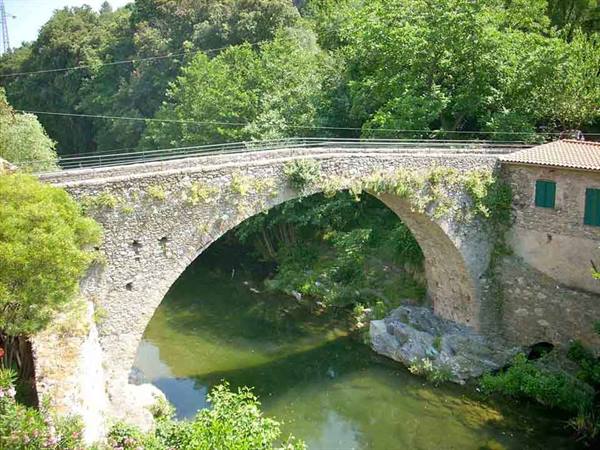
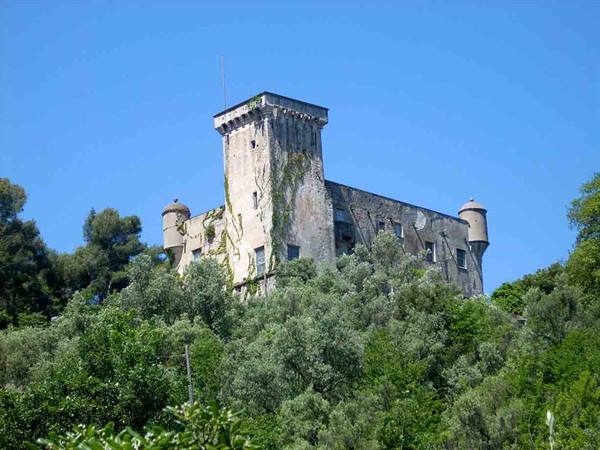
Next to it we admire the Oratory, which preserves three wooden groups by Maragliano. One of the symbols of the village is the superb single-span bridge over the Neva, which rises above a very deep gorge. The settlement of Cisano probably has early medieval origins, but its present position dates back to 1274, when Albenga refounded it as a fortified structure on land bought from the Monastery of the Island of Gallinara. Our trip continues in the hamlet of Conscente, whose name means “confluence”, as the village indeed lies between the Neva and Pennavaire valleys. Dominated by the sixteenth-century castle, built by the Costa family of Albenga, Conscente was a village of great prestige, also thanks to Ottavio Costa, banker and art lover, as well as mentor to Caravaggio. The Costa family also had the seventeenth-century church of Sant'Alessandro built.
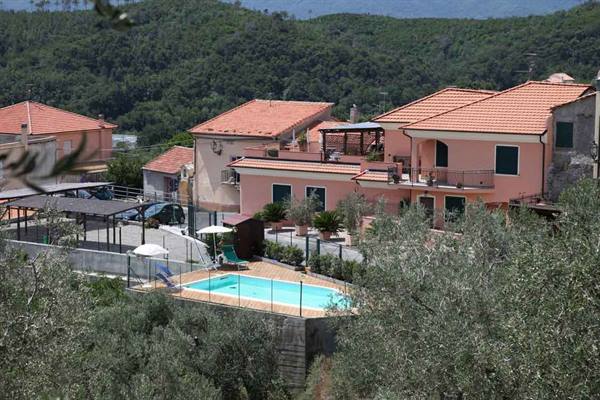
The hamlet of Gombo also belongs to the village, so called because it is rich in oil mills, where the first castle of Conscente arose, of which a tower remains. Our walk through the history of Cisano Sul Neva continues in another of its historic hamlets, Cenesi, which in its time also belonged to the Costa family and became an independent municipality in 1815, a status it kept until 1929. In this characteristic village stands our home for the weekend, the Agriturismo Gli Angeli. Located in the village centre, it is very easy to reach and thanks to the private car park even parking the car is easy. Welcoming us with great kindness is Mr Vittorio Angelo Vignola, who runs the business together with his wife Celina and his son Fabio.
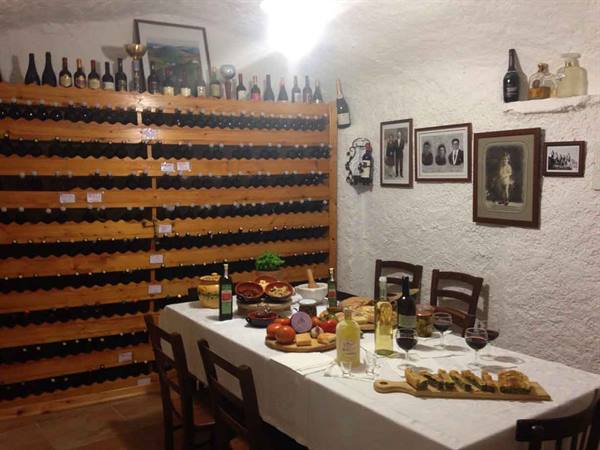
If we immediately feel at ease as if we were at home, it is also because this century-old building, before becoming the agriturismo's home in 2007, had been the Vignola family home for generations. Those who had filled it with life for decades, those who returned there after long days working in the olive grove, those who spent festive moments in cheer toasting with the Pigato produced in the family vineyard somehow seem to be still present. The memory of the ancestors accompanies us not only in the old-world atmosphere of the beautiful house with vaulted ceilings, but also through the names borne by the individual apartments, each furnished with a different dominant colour and each dedicated to a family member: the two one-bedroom apartments bear the names of mum Amelia and dad Nino, while the three studios are dedicated respectively to aunt Rosa, uncle Antonio and Erminia and Vittorio.
The journey's photographs
7 photographs · click to open them full screen
0 reader comments