The story
Once upon a time there was a bear who lived with his family in a wild place, characterised by rocky heights, deep forests and an endless view over the blue of the sea. In summer he roamed around with the other bears, all as massive as him who, standing upright, was close to three metres tall, in search of berries, small wild fruits and other delicacies, while in winter he retired to hibernate in his favourite cave. It was a beautiful cave, full of spectacular concretions and enchanting corridors covered in crystals in a thousand golden shades. Even so, the bear could not always enjoy golden dreams: this was the fault of prehistoric man, who contested the splendid cave with him. Man, for ritual reasons, sometimes set about throwing little clay balls against the walls, thus waking the bear, and this was only the least serious of the problems that marked the relationship between the two.
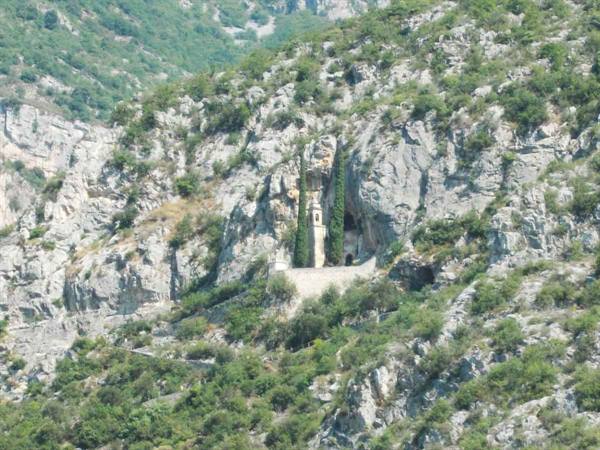
Today the Toirano caves, once inhabited by Ursus Spelaeus, are among the most renowned in Europe and are visited every year by more than 150 thousand people. Our walk in the bear's footsteps starts right here too, following an exciting route that begins at the Bàsura cave, that is the witch's cave, where in addition to numerous footprints a large number of bone remains were found that allowed scholars to reconstruct the skeleton of the giant bear. Near the exit of the Santa Lucia Inferiore cave, which holds a great many formations of thin flower-shaped crystals, we visit the evocative rock sanctuary of Santa Lucia of medieval origin, partly carved into the rock and the destination of a torchlit procession every 13 December.
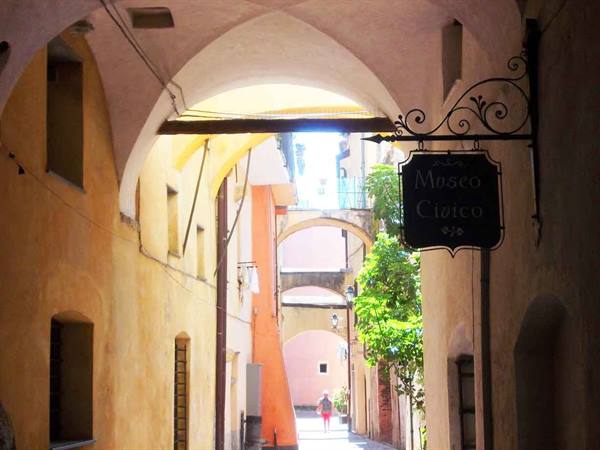
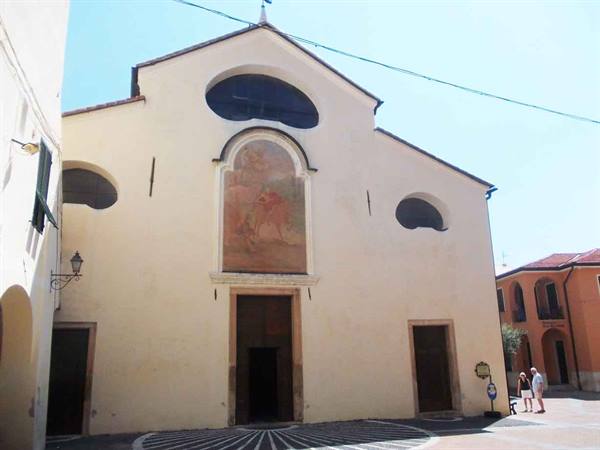
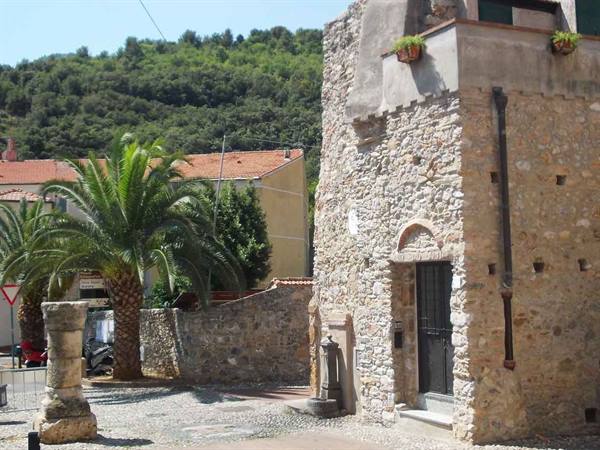
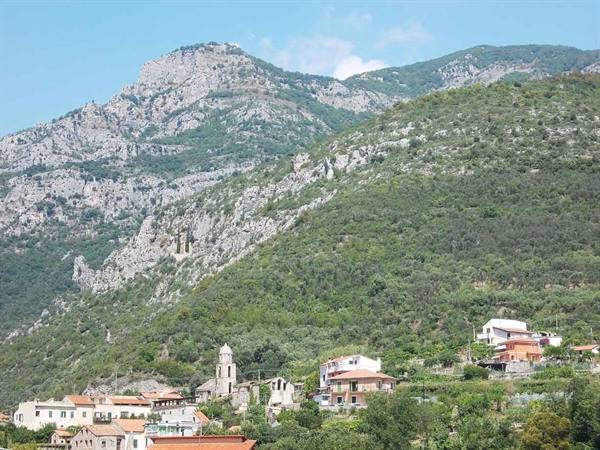
The baroque-style bell tower of the sanctuary, which rises above the so-called Hermit's house, stands out against the backdrop of the rocky wall even from a distance thanks to two centuries-old cypresses beside it. At the top of Monte San Pietro in Varatella stands the Benedictine abbey of the same name, founded in the year 1000, which preserves a precious fresco depicting the saint. In 1495 the monks moved instead to the charterhouse built on the slopes of the mountain. Descending into the historic centre we arrive in a picturesque Ligurian village characterised by a network of narrow, colourful alleys that after a while lead us into the square dedicated to San Martino, patron saint of Toirano, who for a period had taken refuge to live as a hermit on the nearby island of Gallinara.
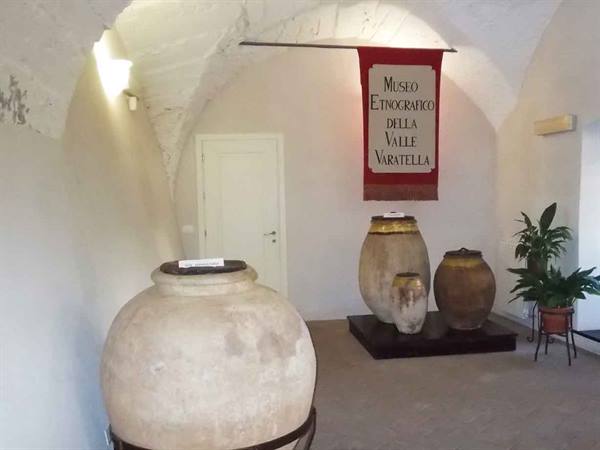
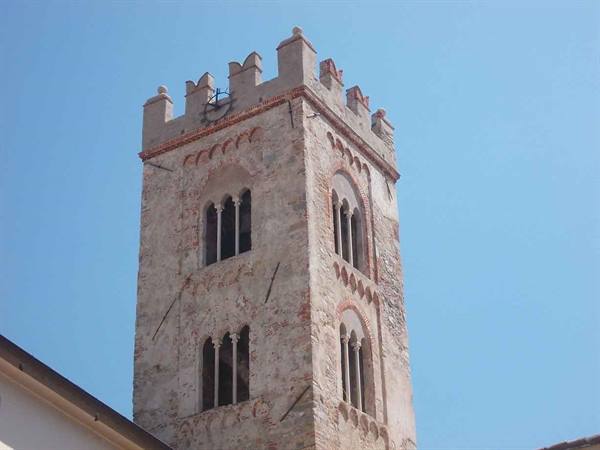
The parish church of San Martino, which dominates the square, stands on the site of a medieval parish church and is flanked by an evocative fourteenth-century bell tower. The Benedictine monks devoted themselves to cultivating the olive groves, and it is not hard to find evidence of the historic tradition of oil mills even in the village. At the Ethnographic Museum of Val Varatella, located in the ancient halls of the palace of the counts d'Aste, later passed to the Marquises Del Carretto, you can admire a myriad of tools, utensils and old everyday objects, but also some state rooms reconstructed with period furnishings on the Piano Nobile.
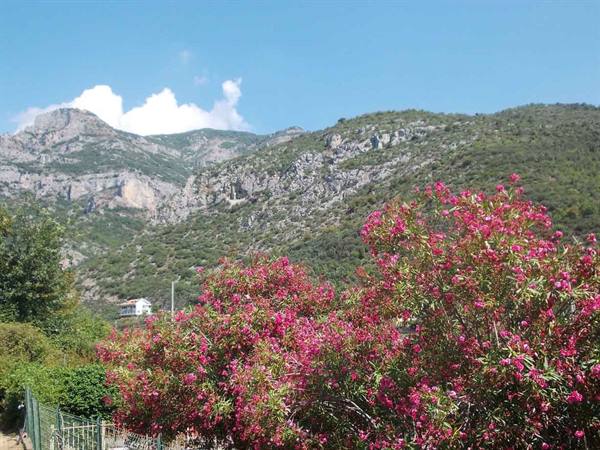
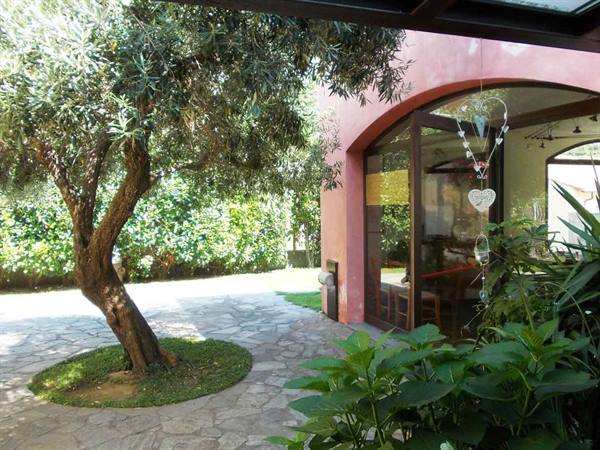
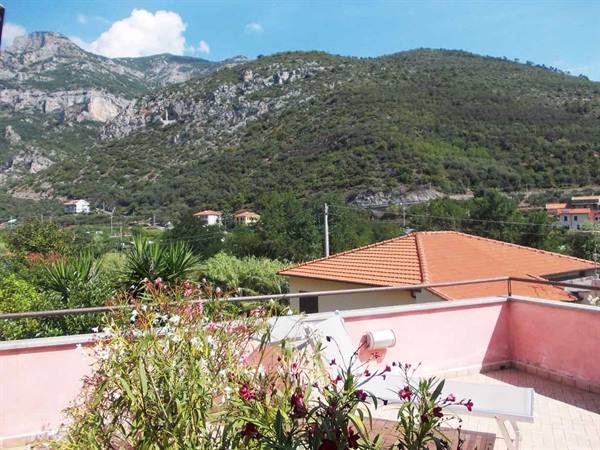
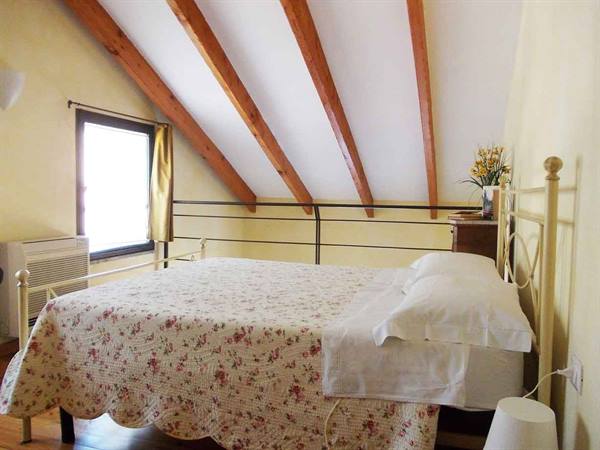
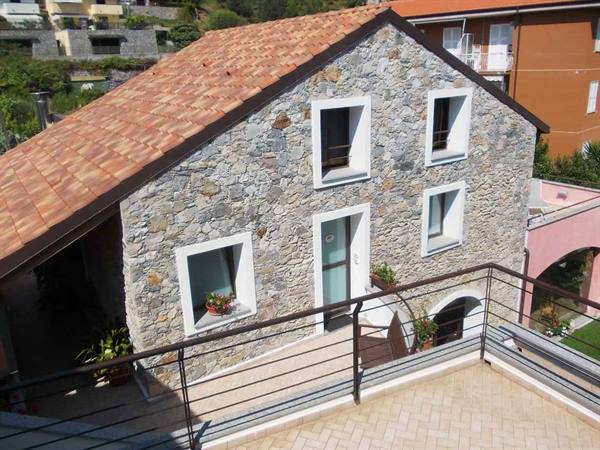
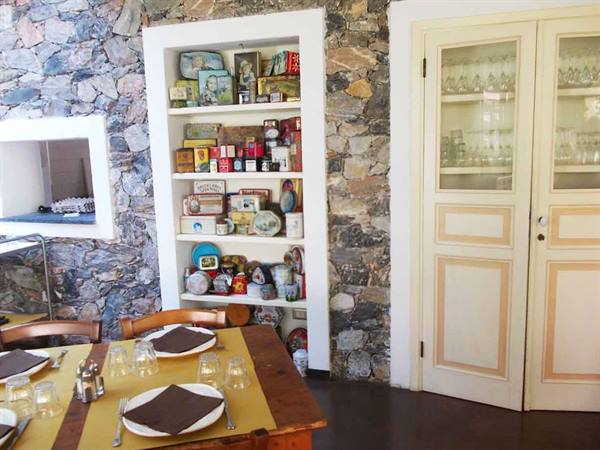
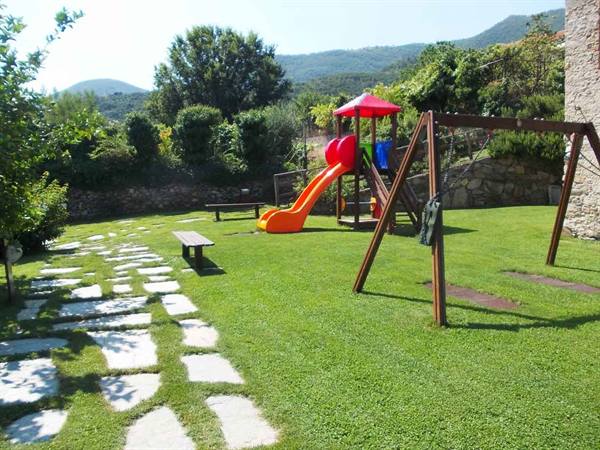
If the bear was proud of his luxurious cave and the nobles of the village lived in sumptuous palaces like the one that today houses the museum, complete with a fabulous inner garden, we did not want to be outdone either, so for our holiday we chose a truly enchanting residence, located a few steps from the historic centre and with a breathtaking view of Monte San Pietro in Varatella on one side and a glimpse of the sea on the other: the Agriturismo La Ferla, on via Provinciale. Very easy to reach, welcoming from the large, convenient private car park onwards, characterised by rooms that elegantly showcase the farming traditions that survive in various carefully chosen furnishings, and by a family atmosphere that immediately puts you at ease, the agriturismo proved to be a great choice.
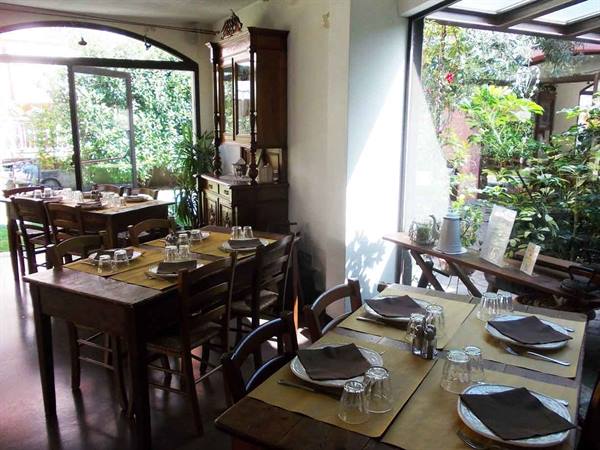
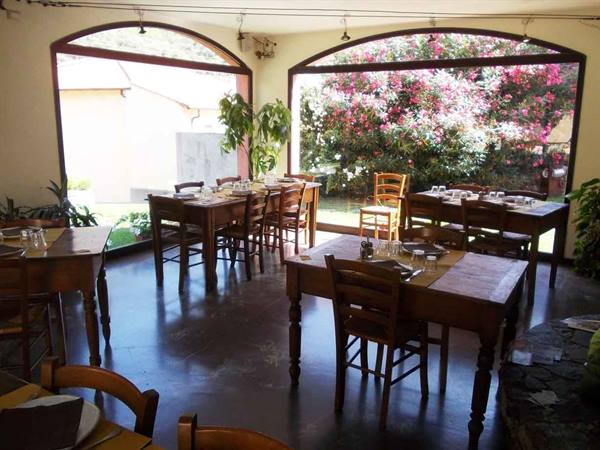
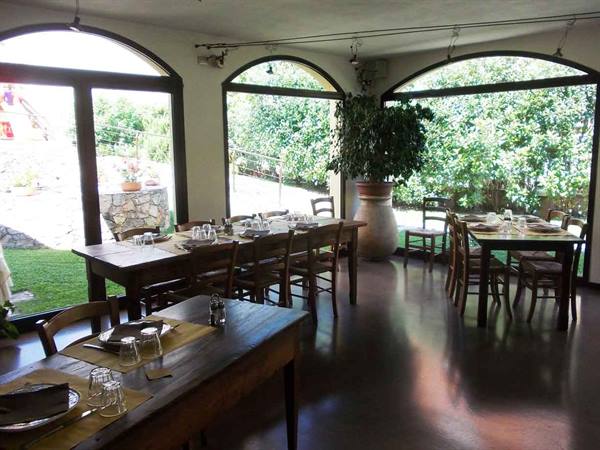
We particularly appreciate the apartments rented on a residence basis (there are four, each dedicated to a tree: the Pomegranate, the Peach, the Mandarin and the Cherry), all spacious and fitted with every comfort, including pretty kitchenettes and large panoramic terraces. “This was my grandmother's house. Here where the restaurant room is today there were once the stables and haylofts, from which part of the apartments were also created, while the rest of the apartments were made in the spaces of the old house. During the renovation, which was completed in 2005, we tried to respect as much as possible the original structural features of the building, using materials typical of our area to create a modern agriturismo in a place steeped in history.
The name La Ferla, which means the sapling, the shoot, that is the sprout that grows from an old stump, tells the very story of our agriturismo, born somewhat piratically from the old family home”, recalls Mrs Valeria, a very talented cook, who runs the business together with her husband Ettore, who looks after the countryside, the dining room and the bookings. Giving them a hand are grandmother Silvana, Valeria's mother, and her son Gianmarco, who help in the dining room. The cuisine is traditional Ligurian, based largely on seasonal vegetables and meat dishes cooked the way they once were. All dressed with the exquisite cold-pressed extra virgin olive oil produced by the agriturismo. We start with vegetable pies, courgette flowers in batter and stuffed vegetables, a true delight of Ligurian inland cooking.
We also very much like the sheet pastry filled with potatoes, peppers, capers and anchovies, as well as another local speciality that in some ways resembles Tuscan panzanella: bread salad with garden vegetables, cherry tomatoes, green beans and Tropea onions. We also taste some very good farro and barley salads, as well as a mix of omelettes with vegetables. After this rich starter comes the moment to taste the first courses of fresh homemade pasta, including gnocchi with pesto, wholemeal maltagliati with fresh tomato sauce, and the fantastic ravioli with various fillings, some very intriguing such as courgette, ricotta and mint, or potato, ricotta and marjoram. We are also won over by the tagliolini with fresh tomato sauce or vegetable sauce, as well as the ravioli with pesto, potatoes and green beans.
We wash down these treats with excellent Ligurian DOC wines from various local wineries, and moving on to the main courses we taste a range of traditional specialities such as rabbit Ligurian style or cima alla genovese. Roasts and roast beef are available all year round, while during the winter season we can also taste wild boar. A dinner as hearty as this can only end in great sweetness thanks to the tasty desserts of the house. We delight in desserts such as the pudding or the panna cotta, but we also very much like the pear strudel and the homemade cakes made with the jams prepared at home with the fruit of the agriturismo, while the peach fruit salad with ice cream is also a great success, very pleasant in the great heat.
After such a lovely weekend, spent among long walks in the midst of nature and the countless beauties of the village, among dips in the sea and many culinary pleasures that we are sure the bear friend would have enjoyed too, we are certain to return soon in his footsteps to discover many more secrets of Toirano.
Francesca Bertha
FOR INFORMATION:
Agriturismo La Ferla Via Provinciale, 53 Toirano (SV) Tel.: 0182/98279
The journey's photographs
17 photographs · click to open them full screen
0 reader comments