The story
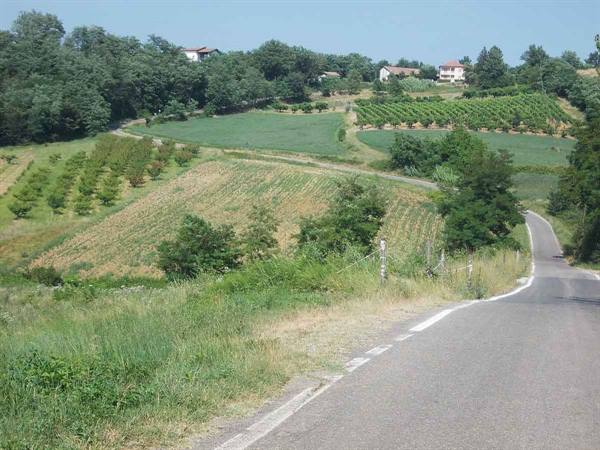
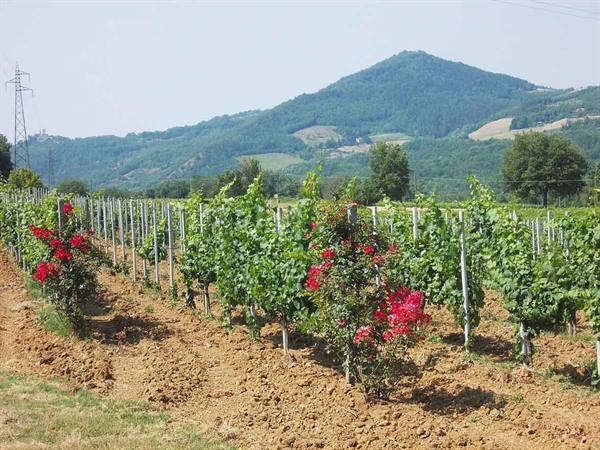
A small big town where there is no proper old town centre, yet which has the most extensive old town we have ever seen. Instead of characteristic little streets winding around a bell tower, there is a maze of panoramic roads that embrace hills, and country lanes that lead into the middle of fields of wheat, barley and sunflowers, linking up with hiking trails. And the colourful shop windows typical of old town centres? Those are there too, lit by the sun and carefully arranged by nature and by the local people: they display cascades of flowers almost everywhere, even in the vineyards at the start of the rows, and invite the eye to lose itself among thousands of peach and apricot trees, among whose branches little universes appear, populated by planets of vivid colours. This fairy-tale town is called Pozzol Groppo, and it is the destination of our outing.
We are in the Colli Tortonesi, on a watershed ridge between the Val Curone and the Staffora valley, on the border between Piedmont and Lombardy, between the Alessandria and Pavia areas. A place with a strategic position, a position that over the centuries of history was both its blessing and its curse. The ancient Via del Sale, the trade route that linked Liguria with the Po Valley, also crossed these lands, giving its name to the nearby Salice Terme, a hamlet of the municipality of Godiasco, known in Roman times as Locum Salis. Legend has it that the healing waters of Salice soothed the pains of none other than Julius Caesar, who, returning from one of his Gallic campaigns, is said to have stopped right here.
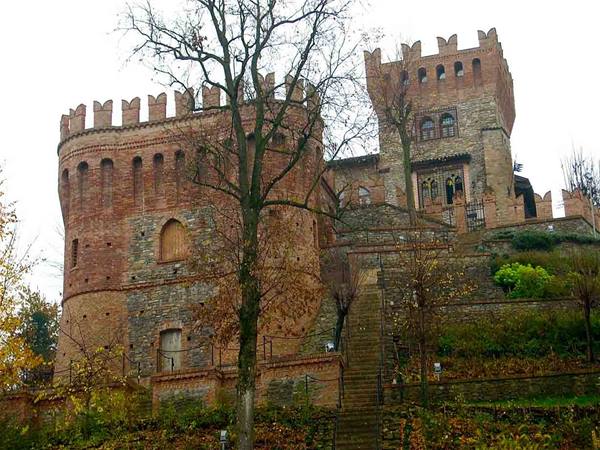
Even an emperor, however, can make mistakes of timing: Julius Caesar arrived in these parts too early to taste the wonderful peaches of the area, introduced into Italy in the 1st century AD. Although the old town of Pozzol Groppo is so extensive as to embrace valleys, hills, vineyards and endless fields, it is certainly not without a castle, an indispensable feature of a genuine old town centre. This is one of the Malaspina castles, built on the site where a watchtower stood in Roman times. Privately owned, those who have had the chance to visit it inside say that the manor boasts a lovely little courtyard with a medieval well and sumptuous halls with frescoes and wooden ceilings.
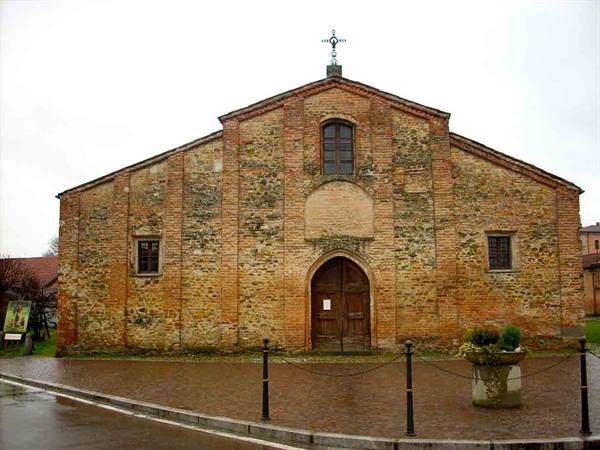
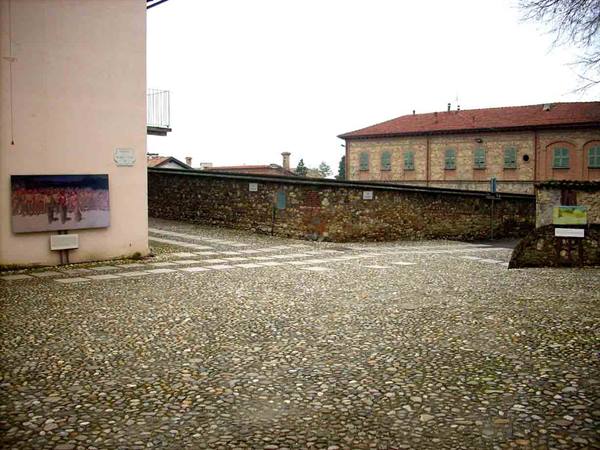
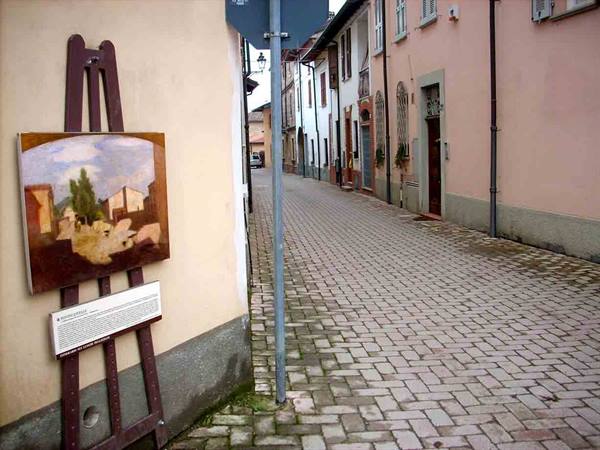
In the same way, it does not lack beautiful churches: besides the parish church of San Lorenzo, located in the main village and known since the 16th century, and the church of San Rocco in Casalnoceto, carved out of a fourteenth-century tower, you must not miss the splendid Romanesque Pieve of San Pietro, located in the very nearby Volpedo and mentioned in documents as far back as the 10th century. Inside we can admire late fifteenth-century frescoes of great interest, probably the work of the Boxilio brothers of Castelnuovo Scrivia. The beauty of these places has always been an important source of inspiration for artists, even very different ones. In Volpedo you walk among the works of Giuseppe Pellizza da Volpedo, a native of the town and the famous author of Il Quarto Stato, an emblematic painting of the 20th century, as if we were in an open-air museum.
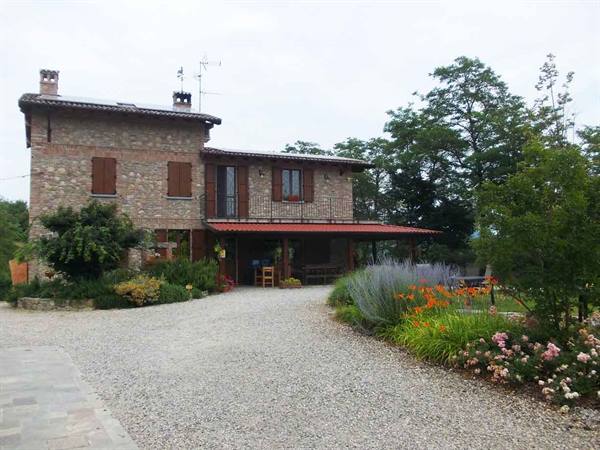
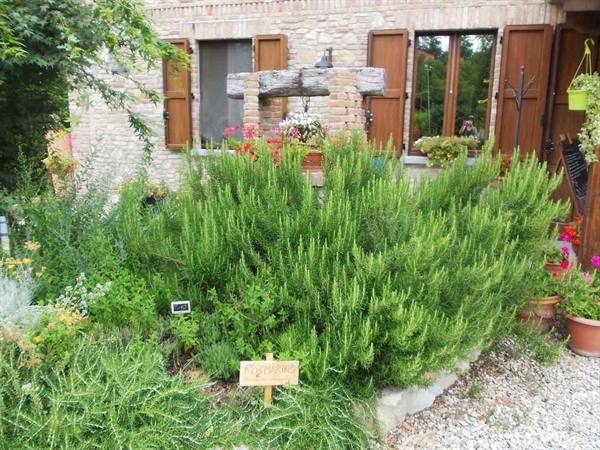
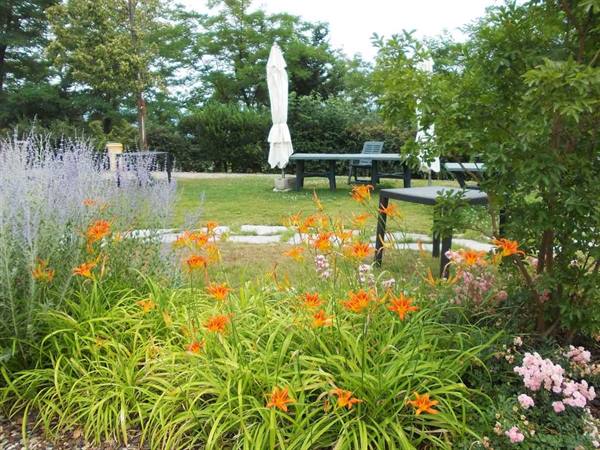
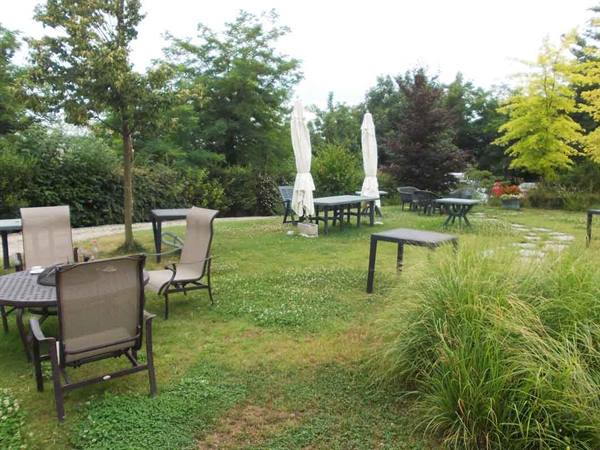
Godiasco, on the other hand, which we happen not only to visit but also to admire from a viewpoint along the road we take during our outing, was the place chosen by Tommaso Marinetti, the founder of the Futurist movement. The poet and writer had his country house right there, and in that house many important artists, including Giacomo Balla, met for dinners and cultural debates. If these great artists were still among us, it is very likely that for their gatherings, but also for a few hours of inspiring tranquillity, they would make the same choice we made: to come to the Agriturismo Casa Tui, located in the hamlet of the same name in Pozzol Groppo. Here harmony is in every detail, it can be felt in the quiet of the flowering garden, in the family style of the welcome, as well as in the genuineness of the food.
The thing that always reminds us how this place was before it became a farmhouse is a painting, simple and naive, done by a local painter. The artist had captured the state of things before the silent family home, long inhabited by Carla, a teacher of another era who always remained a spinster, became the oasis of relaxation and genuine, quality cooking that it is today. “Carla and her mother lived here, this was their beloved home. The air of Casa Tui, for them, was a natural remedy against the ills of the world. At the time there was some land, partly wooded, a small stable, some animals and a woodshed even then, and when Carla, who was the cousin of my maternal grandfather, left us, we promised her that we would not sell this property.
My mother Nella, who was the driving force behind the business, today devotes herself with patience and love to tending the garden and helping all of us in moments of need. In 2010 she decided with my father Carlo to turn this house into a farmhouse. Six years of hard work to keep that promise! But the road is still long,” Claudia Torre tells us, the young owner who runs the property with the support of her parents and alongside her partner Luca, who helps her with the commercial and agronomic side, and with a very close-knit group of collaborator-friends who are considered family and with whom every decision is shared. “With us, friendship and collaboration go hand in hand. That is what we ask of anyone who starts a working journey with us.
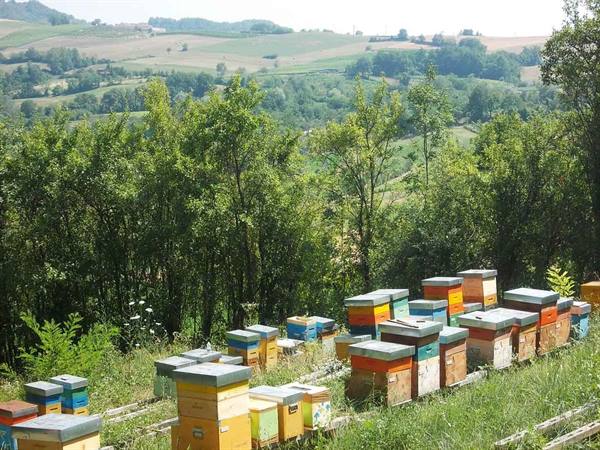
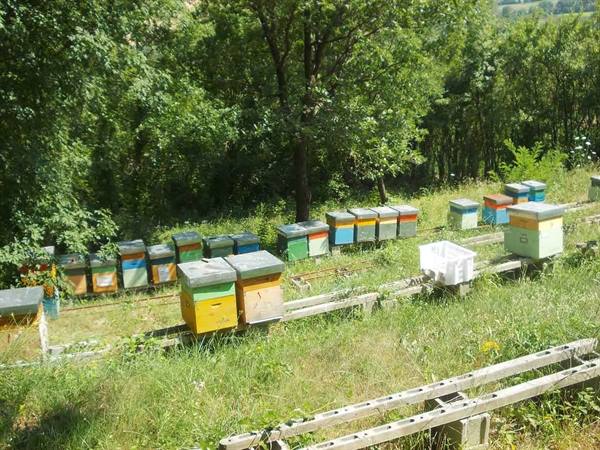
Not everyone always understands it; perhaps it seems strange, but a type of work like this requires it: for me it is fundamental! For example, Raffy is a dear friend of Casa Tui, a client with a passion for stories and historical research; she often helps us with her ideas. More heads together work better,” adds the owner. If those great painters came back here, they would have a field day with the colours. First of all, there would be a thousand shades of honey to inspire them. “We already had bees before, and here we have actually set up a farm specialising in beekeeping. Besides using honey in the kitchen, for tastings, and besides selling it, we also organise workshop days.” There are two types of visit to the apiary: the first, for those who are not experts, is a company tour in the company of Claudia, who tells us about the world of bees and shows us her hives with the mask on.
Those who want to go deeper into the subject, on the other hand, will be accompanied by Matteo, a family friend and now a beekeeper at Casa Tui. “With him it is possible to go down to the apiary and do at least a couple of hours of work, during which the honey super is opened, the queen is searched for, an extracting and filtering test is done, and you learn a great many interesting things: Matteo is a real well of knowledge on the subject and the passion with which he approaches the work comes through in every detail he tells us about,” Claudia explains as we sip a good beer in the very pleasant garden of the farmhouse.
The journey's photographs
13 photographs · click to open them full screen
0 reader comments