The story
Pleasure made city: this is how Piacenza presents itself, starting with its name, which comes, precisely, from the Latin Placentia. It is with this excellent premise that we arrive here on a beautiful spring day, to be devoted to this art city so close to Milan both geographically and culturally, though belonging to Emilia Romagna. Piacenza rises on the right bank of the Po, and the river, besides having had great importance in history from a logistical, economic and defensive point of view, also represents for the people of Piacenza an emotional bond with their city. In "Mondo Piccolo. Don Camillo", Giovannino Guareschi says, with local pride, that "the Po, the only respectable river that exists in Italy, begins at Piacenza".
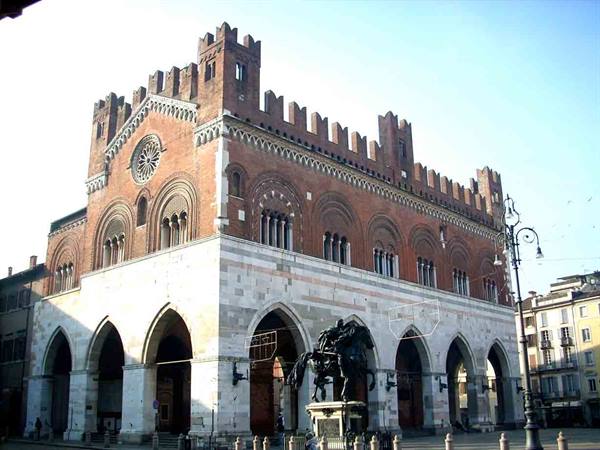
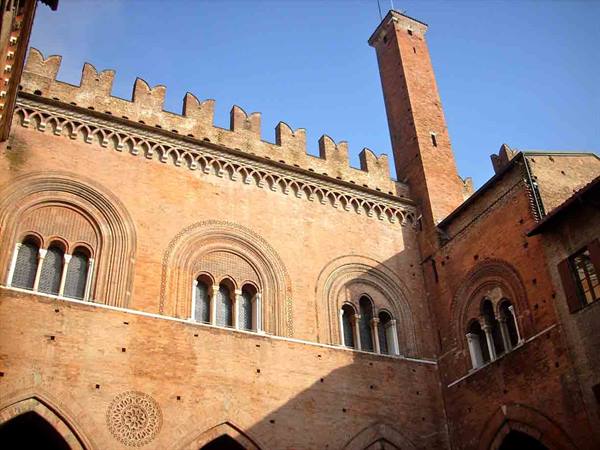
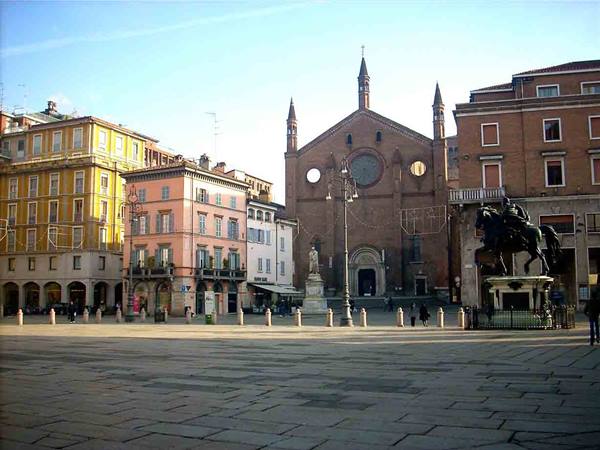
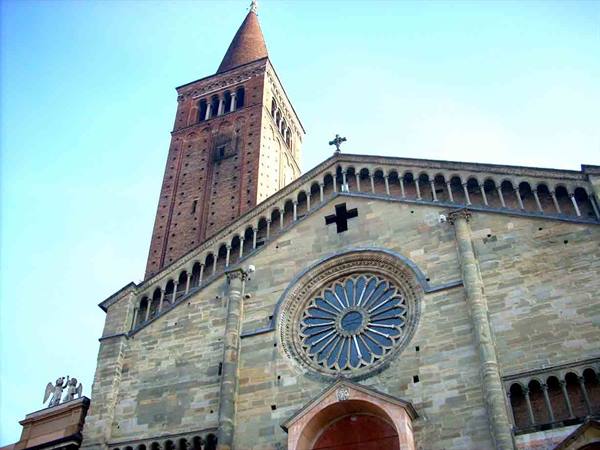
And he adds: "The fact that from Piacenza upwards it is always the same river means nothing." Piacenza is often called the "City of Palaces", thanks to the presence of numerous aristocratic and bourgeois residences, including "il Gotico", the palace that houses the Town Hall. The city is very liveable, full of gardens, as well as a long series of monuments bearing witness to the era of the Duchy of Parma and Piacenza. We begin our tour from the Duomo, then continue with a visit to the Basilica of Sant'Antonino, the patron saint. In this Romanesque church, commissioned by San Vittore, the first bishop of Piacenza, the delegates of the Lombard League and the emperor Frederick Barbarossa met in 1183 to sign the preliminaries of the Peace of Constance.
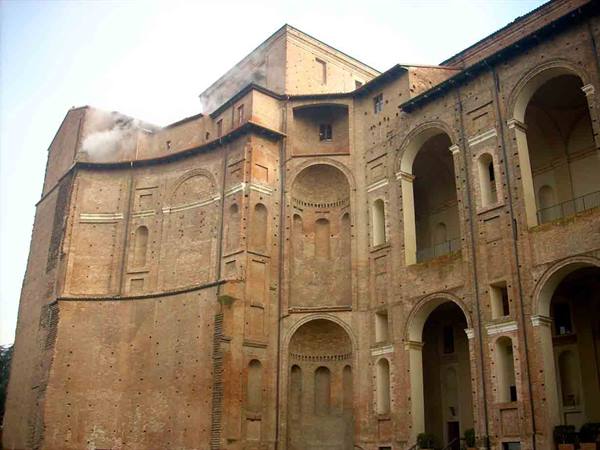
The Basilica preserves the relics of the Christian martyr Antonino, as well as the five canvases by De Longe, depicting scenes from the life of the Saint. Piacenza was the birthplace of numerous figures from art, culture and sport, from the politician and writer Melchiorre Gioia to Giorgio Armani and the footballers Simone and Filippo Inzaghi. Speaking of elegance, beauty and sports myths, we take the opportunity to visit the Vespa and Scooter Museum, a goldmine for enthusiasts of the genre. Of course we don't overlook the city's most important museums either, such as those of the imposing Palazzo Farnese, which trace the history of art from the Middle Ages, and the Natural History Museum, which also contains an interesting nineteenth-century herbarium and an ornithological collection.
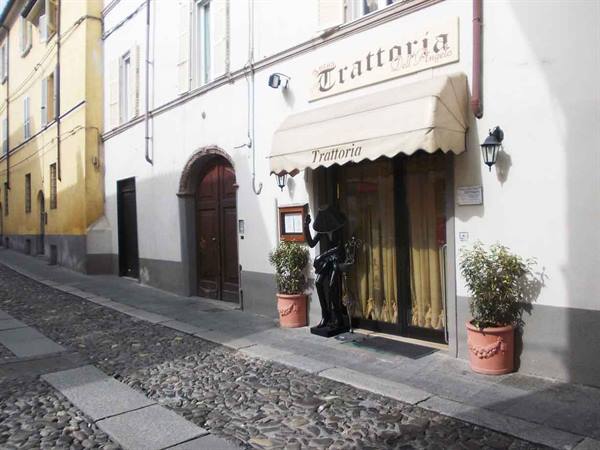
We remain ideally in the city's history by deciding to stop for dinner at the Antica Trattoria dell'Angelo, perhaps the most historic trattoria in Piacenza still in business. Located in the characteristic via Tibini, the venue stands a stone's throw from the Basilica of San Savino, also known for its floor resembling the waves of the sea, which can give the impression of walking on water. The trattoria is a veritable treasure chest of the city's historical memory: it is housed in a late-eighteenth-century building, once a posting house where travellers stopped to rest their horses and refresh themselves in the osteria on the ground floor, while upstairs were the rooms of the inn and below was a large cellar.
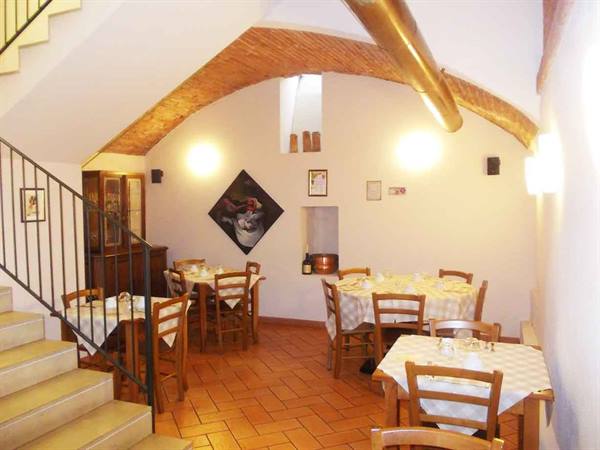
Welcoming us with great kindness in the characteristic rooms furnished with simplicity and style are Mr Carlo Pastore, a very skilled cook, and his son Matteo Castignoli, in charge of the dining room and the cellar. Father and son run the place with great passion, considering the safeguarding of traditional flavours their mission. Helping them is a close-knit staff of young people who have worked here for over ten years: it is also thanks to them that the trattoria manages to welcome guests every day, at lunch and dinner.
The journey's photographs
7 photographs · click to open them full screen
0 reader comments