Tripscoop›Europe›ITALY›A view of the Alps from the capital of the Marquisate: a day in Saluzzo, Part I
ITALY · Europe
The story
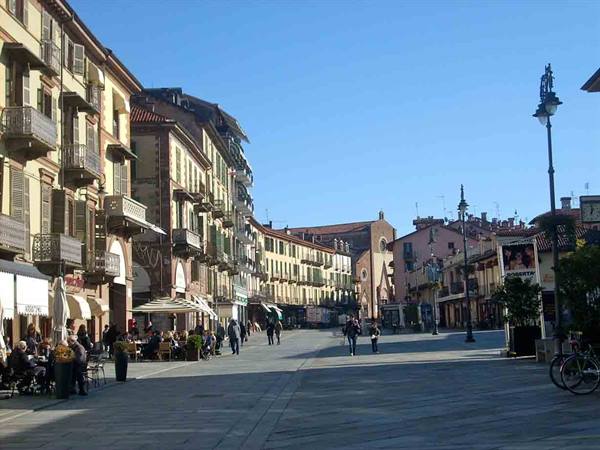
A European capital where the arts flourish, an important hub of trade, situated at the foot of the Alps, rich in cultural testimonies of previous centuries: here is Saluzzo, the destination of this relaxing weekend of ours. Today Salusse, as its inhabitants call it, is a municipality in the province of Cuneo, and one need only go back a few centuries in history to find it at the height of its prestige. The city was in fact the capital of the Marquisate of Saluzzo for four centuries, during which no fewer than fourteen marquises succeeded one another over its territory, who, from the end of the 1100s, turned the one-time castrum into a flourishing centre. This journey back in time to Saluzzo is easily accomplished: walking the streets within the circuit of the ancient walls, every step allows you to admire a different glimpse of the evocative Piedmontese medieval architecture.
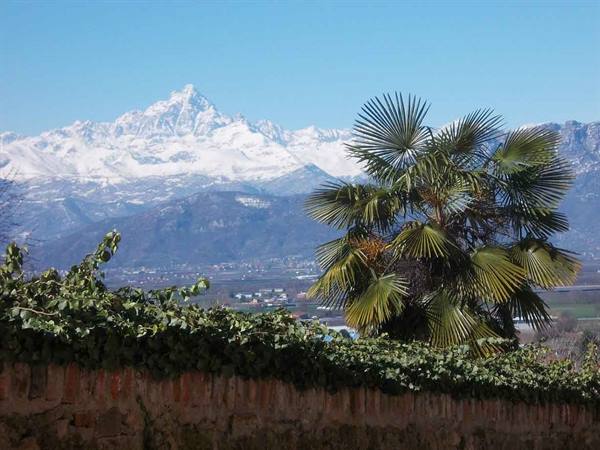
Among sumptuous villas, lush gardens and ancient palazzi, our gaze is drawn also to the breathtaking view of the Monviso mountain ranges, also called the King of Stone, whose peak, spectacular when snow-covered, rises on the horizon against the blue sky. Talking with the locals we discover that the creation of the very first Alpine tunnel, the Buco di Viso, dates back to the most glorious years of the Marquisate, dug using iron, fire, boiling water and vinegar between 1479 and 1480. The tunnel, commissioned by the marquis Ludovico II, connects Italy with the Dauphine, that is the historic French region across the border. Through the gallery, over twenty thousand sacks of salt passed each year, as well as fabrics, brocades and horses imported from France, in exchange for wine, rice, hemp and walnut oil coming from the Marquisate.
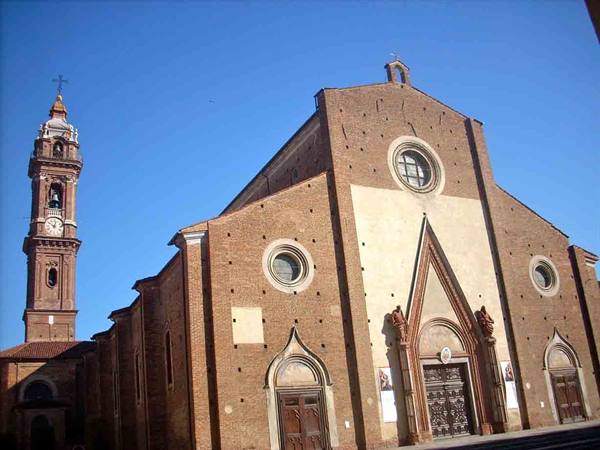
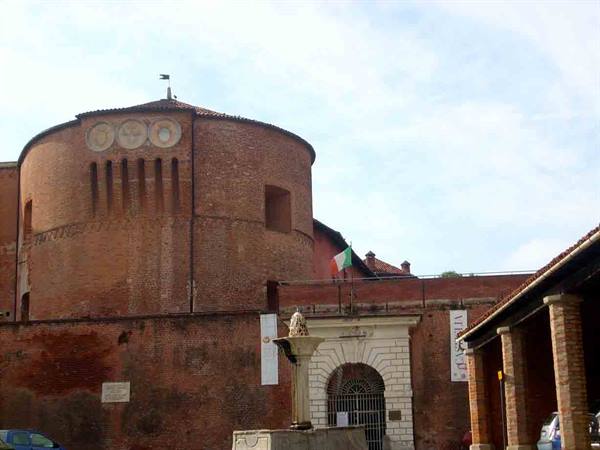
Our "urban trekking" at the foot of the Monviso begins at the Duomo, built just beyond Ponte Santa Maria, between 1491 and 1501. The religious building, a splendid example of late Gothic sacred architecture, was the episcopal seat until 1511. Passing beyond the walls, we reach the Castiglia, an imposing fortress built from 1271 to replace the ancient Castel Soprano. Enlarged over the centuries, the castle was equipped with four towers, bastions, a drawbridge and a moat, and was the lordly residence of the marquises. It was with the decline of the marquis dynasty that the Castiglia became first the seat of the military garrison, then a shelter for the sick and finally a dreaded prison.
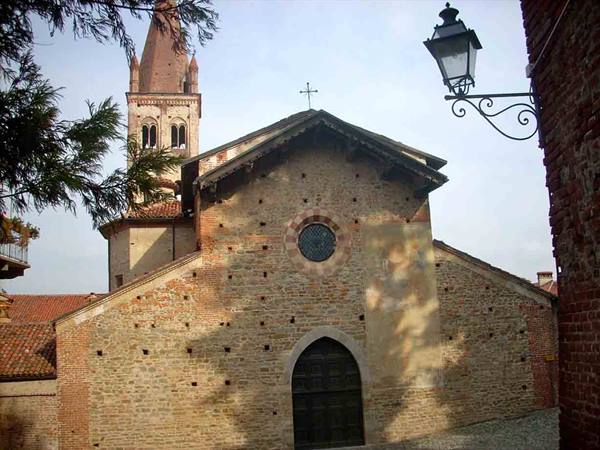
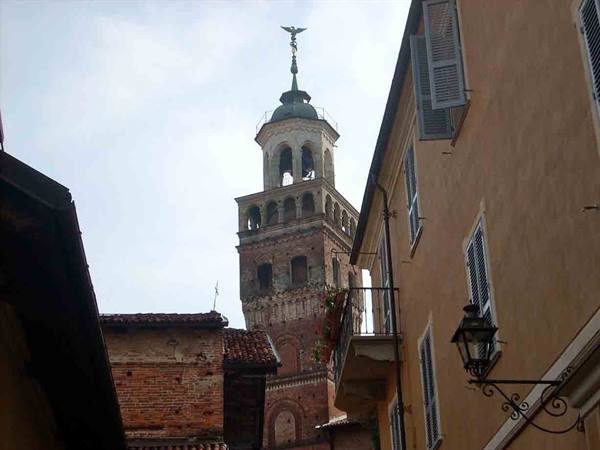
Like many castles, this one too lived through a period of abandonment until 1825, during which it inspired legends about ghosts and poetic thoughts on the part of artists, but today it is the seat of cultural events and is included in the circuit of the Castelli Aperti. Near the fortress we admire the fifteenth-century civic tower, fully 48 metres high, arriving thus at the splendid Gothic church of San Giovanni, which was the main church of the city until 1501 and was the seat of the Dominicans in the fourteenth century. For those who wish to go deeper into the religious history of the territory, a visit to the Bishops' Palace, seat of the Diocesan Museum of Sacred Art, is essential. One of the places where the memory of the glorious past as capital of the city is most alive, however, is the Ancient Town Hall, built in 1440.
While its portico was enlivened by armourers, apothecaries and public scribes, in the Hall of the Congregations, with its splendid coffered ceiling decorated with coats of arms and grotesques, the representatives of the villages and lands of the Marquisate gathered.
The journey's photographs
6 photographs · click to open them full screen
0 reader comments