Tripscoop›Europe›ITALY›The Charm of Old Pavia Between Contemplative Life and Good Food: A Trip to Certosa di Pavia
ITALY · Europe
The story
Sometimes, to make a spiritual journey from which you return a little changed in the soul, there is no need to go far. If reaching the fun and noisy destinations of summer holidays often means facing huge expenses and distances of thousands of kilometres, for a weekend of inner peace much less is enough: not even an hour's drive for those coming to Certosa di Pavia from Milan.
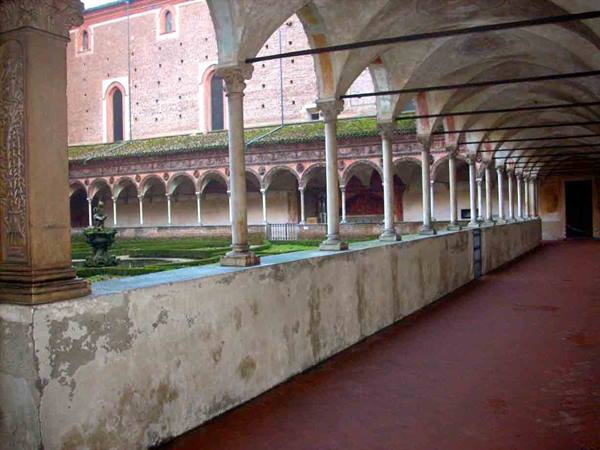
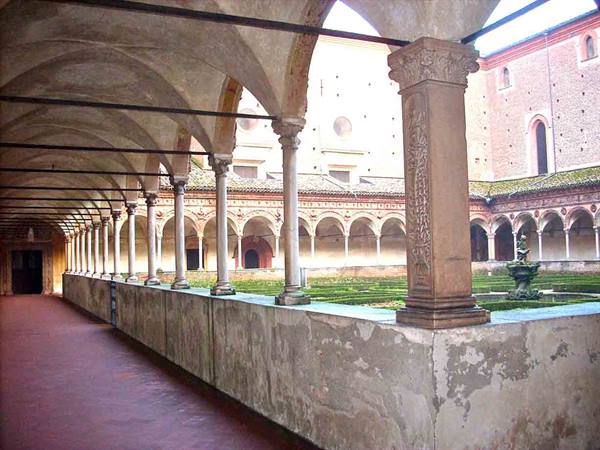
Even though the Carthusians have no longer lived in the monastery since 1947, the history of this place is deeply steeped in the mystery of the contemplative life of cloistered monks. Observing the small cloister, where much of the fathers' community life took place, you are carried away into a world usually known only from books. Silence, solitude, the search for deep dialogue with God through self-isolation from the noises of the outside world, are the best-known features of Carthusian life. But their daily routine is interesting too: between manual work and prayers, only a few hours are set aside for rest, and never all in a row.
Indeed, while it is true that a period of rest begins after 7 p.m., it lasts only until 11.45 p.m., when the "night rising" begins, with the Matins of Our Lady and the prayers to be recited in the cell, followed by Matins and Lauds in church, and the Lauds of Our Lady in the cell until about 3.30 a.m. The second rising is at 6.45 a.m., after which the day continues between mass, work, study and prayers, with a short break after lunch. The liveliest moment in a Carthusian monk's life is the so-called spaziamento: once a week they are allowed a walk of three or four hours, during which they may talk freely. Usually they walk two by two and every so often change group, so as to be able to talk with different brothers.
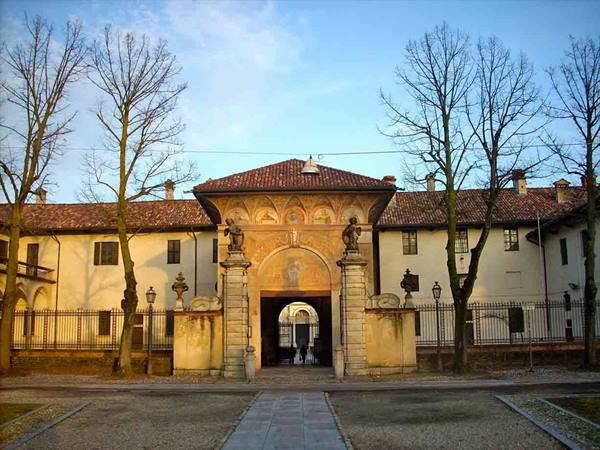
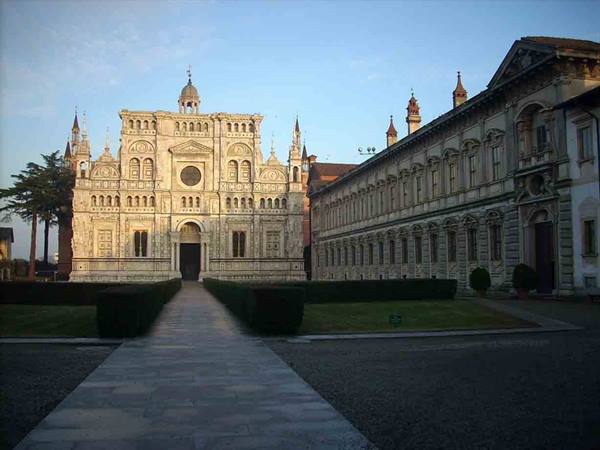
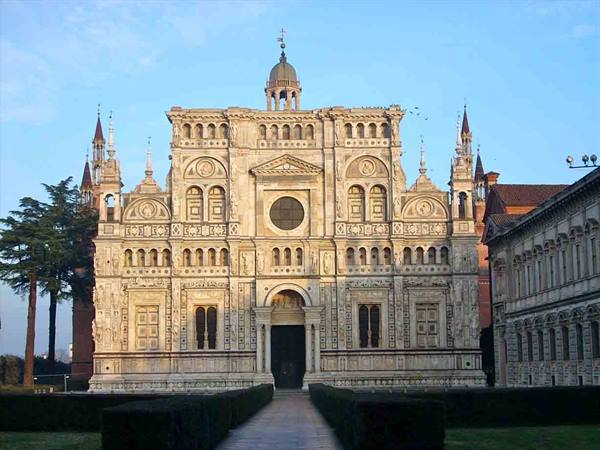
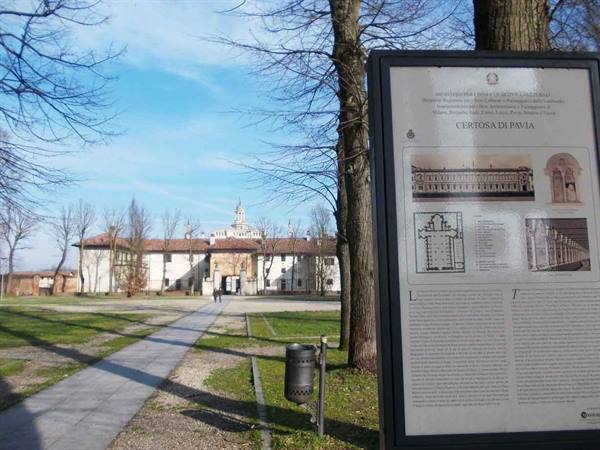
The monument that gives its name to the town located 8 km north of Pavia was founded in 1396, by the will of Gian Galeazzo Visconti, and was destined to become the dynastic mausoleum of the dukes of Milan. At the time the Visconti park of the castle of Pavia stood here, and the position of the monastery coincided with the northern edge of the park. To build the abbey, a large enclosed wood had been chosen that linked the Visconti castle of Pavia to the area where the lords of Lombardy went hunting. The Parco della Vernavola, north of Pavia, still preserves a trace of this park, although it is no longer connected to the Certosa or even to the castle.
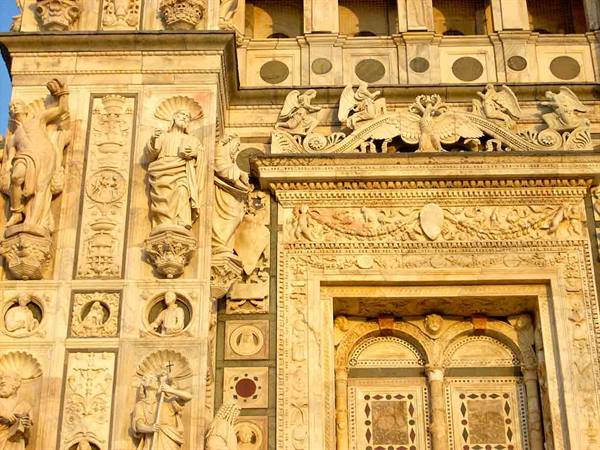
Today Cistercian monks live in the monastery, while in the Ducal Palace, which was once the summer residence of the Visconti and the Sforza, the Museo della Certosa di Pavia is housed. Here many works from the monastic complex are gathered. On the ground floor we admire the Gipsoteca, where about two hundred plaster casts taken from the reliefs that decorate the monastery are displayed, while on the upper floor there are paintings, vestments and sculptures.
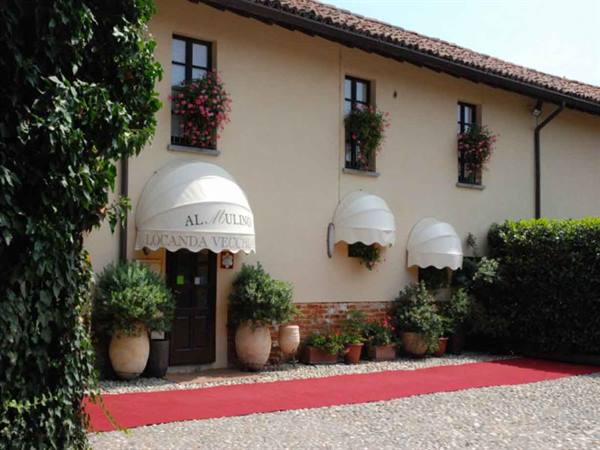
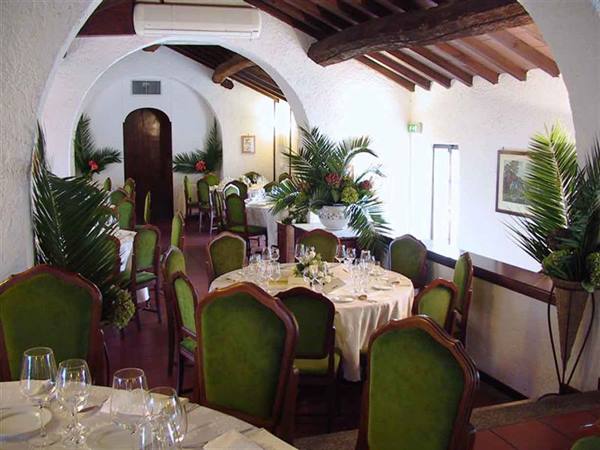
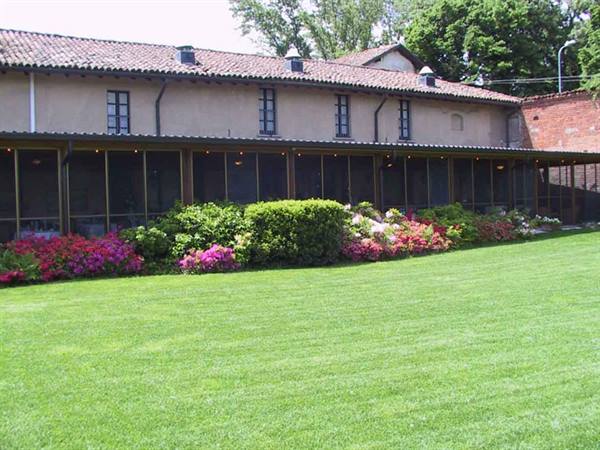
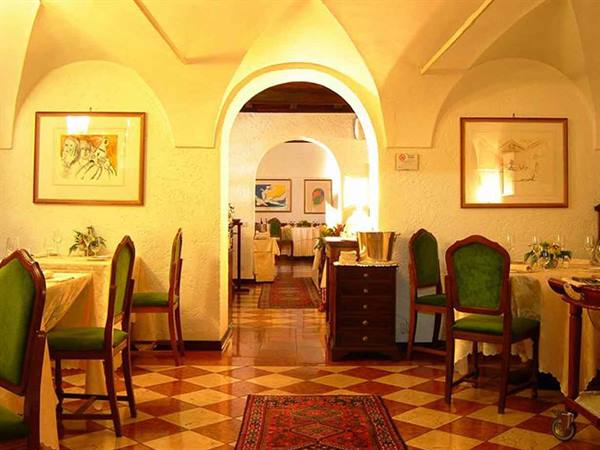
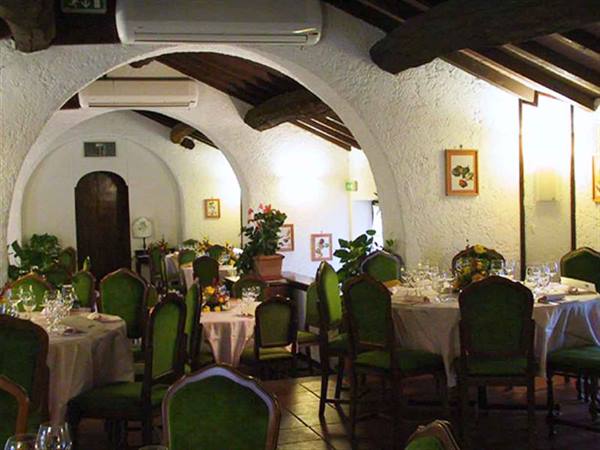
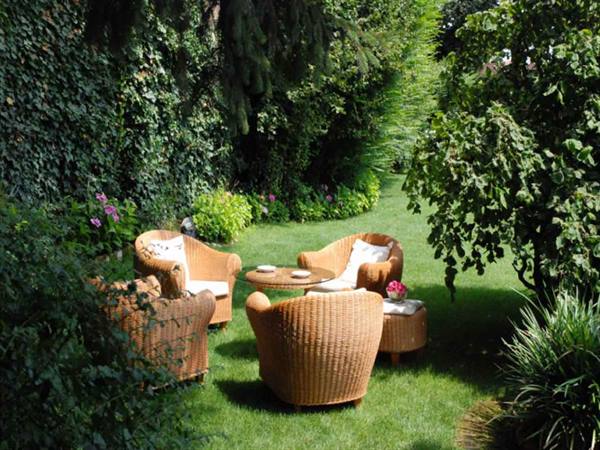
We stay among the atmospheres steeped in the charm of traditions during our dinner too, choosing the Locanda Vecchia Pavia Al Mulino, on via al Monumento. We park comfortably in the restaurant's flowered courtyard, set within the walls of the 15th-century mill attached to the abbey. Inside the restaurant, with its refined, elegant and distinctive style, welcoming us with great kindness is the owner Oreste Corradi, who has run the place for thirty-three years together with his wife and chef Annamaria Leone. "These spaces were once part of the miller's house and the granaries," Mr Corradi tells us when we ask about the origins of the inn.
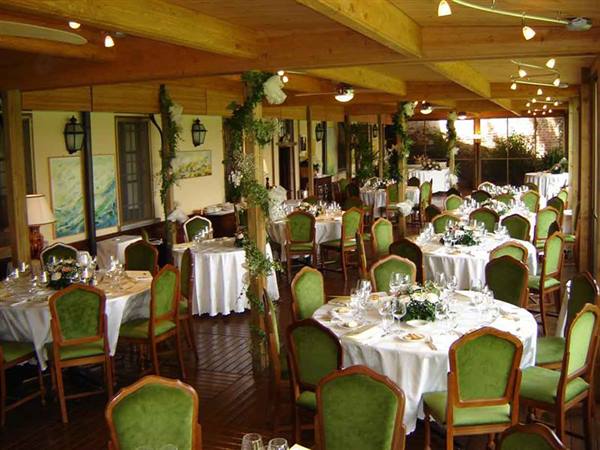
If centuries ago the Visconti were at home in these parts, it is equally true that for many years the restaurant, awarded a Michelin star, has been counted among the best in Italy and is a favourite of various figures from the worlds of culture, finance and entertainment. The finely furnished rooms and the summer veranda are the ideal location also for ceremonies, banquets, meetings and weddings.
The kitchen skilfully combines tradition and modernity, renewing classic Lombard dishes with great passion and creativity, ranging between meat and fish with the exclusive use of top-quality ingredients. The result is an excellent gastronomic experience that, besides delighting the palate, is able to offer emotions that stay in the heart.
We begin with a raw red prawn dish on burrata, fennel and oranges with a citrus and ginger sauce. Some of us instead opt for the trifolati vineyard snails with mushrooms and a light sauce of parsley and anchovies, and the typical Mortara goose liver cooked au torchon with homemade fruit mostarda is also a great success.
After this rich starter we taste a wonderful Bertagnina pumpkin cream with crumbled cotechino, served with brioche croutons. Our friends divide between the casoncelli of fresh beetroot pasta with a sweet gorgonzola cream, and the lasagnette of fresh pasta with artichokes and robiola with Ligurian oil and dried capers. We cannot resist the exquisite risottos either, and the whiteness of the rice reminds us once more of the Carthusian tradition; indeed, the monks favoured white foods because they symbolise purity.
We wash down these treats with excellent wines from the rich list, which contains over eight hundred carefully selected labels from all over Italy and abroad. Among the fish dishes we choose the toasted sea bass fillet on a purée of cannellini beans and artichokes with champagne sauce, but we also very much like the turbot fillet seared in the pan with potatoes, confit tomatoes and Ligurian-style capers. Our "carnivore" friends, on the other hand, cannot resist the deboned veal shank stewed in Bonarda with a potato soufflé, and they also greatly appreciate the Fassone beef fillet cooked on the plancha in a Pinot Noir sauce.
To finish, we taste a selection of local cheeses with walnut bread and happily give in to the sweet temptations of the house desserts, sampling an appetising fantasy of chocolates in various pairings with a white chocolate sauce, as well as a light and very good composition of fresh fruit with a berry sauce. We also find irresistible the Annurca apple tatin with a cream mousse, a crunchy wafer and a strawberry and vanilla sauce, as well as the vanilla and passion fruit crème brûlée with a zabaione semifreddo.
At the end of this lovely day we return to the big city carrying in our hearts the memory of the atmospheres and flavours of the Pavia of old, certain that we will come back here as soon as possible for new outings with calm, slowed-down rhythms in the name of the art of contemplation and culinary emotions.
The journey's photographs
14 photographs · click to open them full screen
0 reader comments