The story
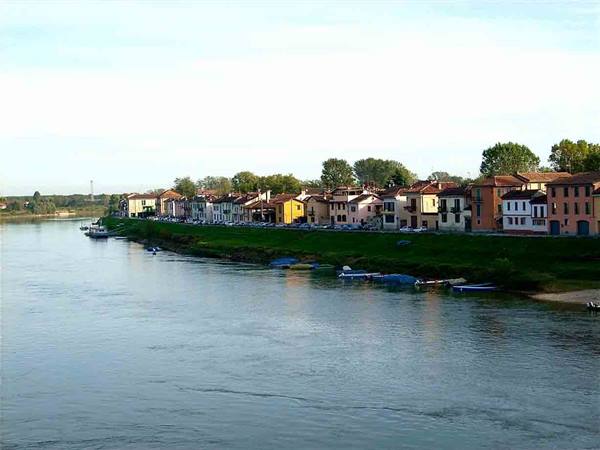
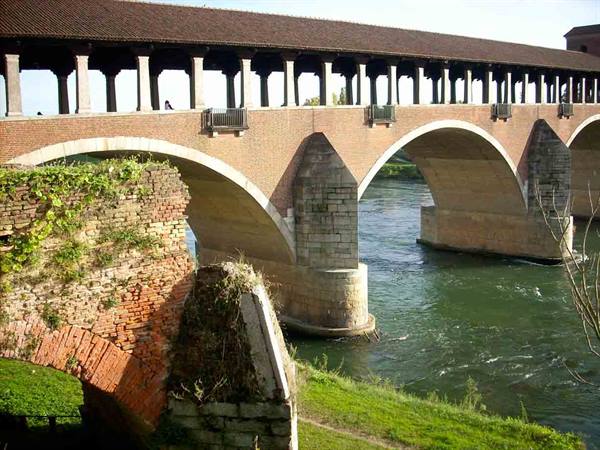
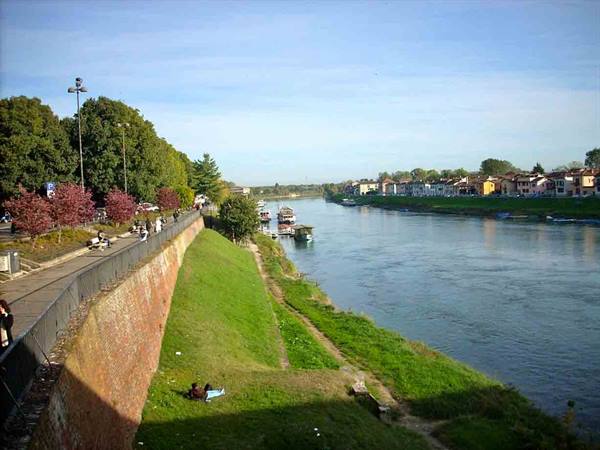
If the Naviglio were navigable as it was in the past, we too could have reached Pavia by boat. As we approach the city that around the 1600s was called Papia and was the capital of the Lombard kingdom, we picture a romantic journey by water: after setting off from the Darsena in Milan, our boat would travel down the Naviglio Pavese through the quiet Po Valley landscape and, once it reached the city, would take a turn on the Ticino river, passing beneath the spectacular Ponte Coperto. Anyone who has been there knows: Pavia is very beautiful, so much so that even Francesco Petrarch thought so. In a letter addressed to Giovanni Boccaccio, the poet of the Canzoniere speaks enthusiastically of the city, describing how it raises its many towers to the sky and enjoys the double view of the Alps and the Apennines, besides being gladdened by the placid waters of the Ticino.
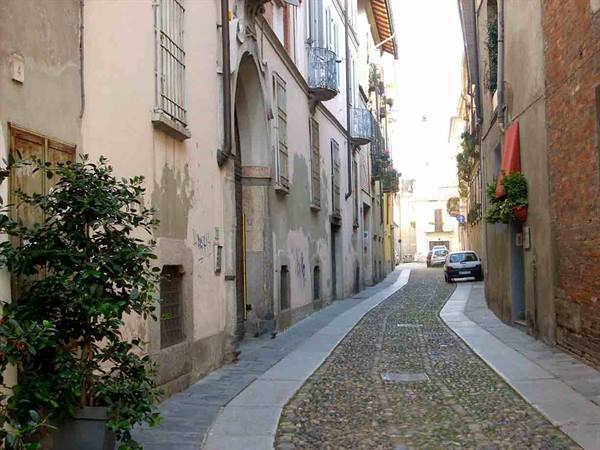
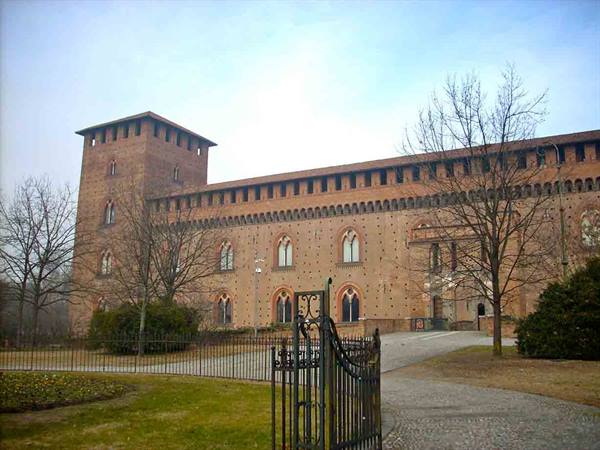
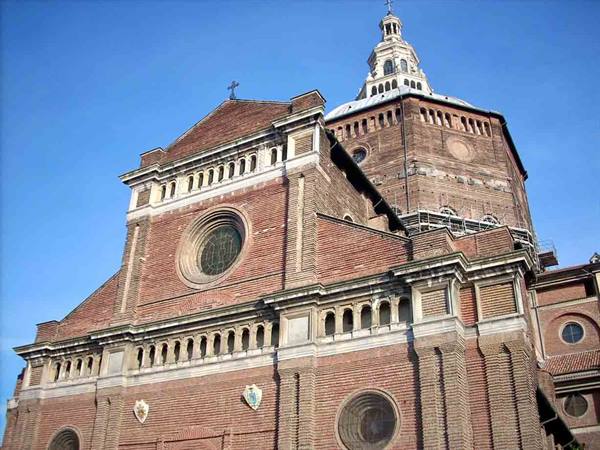
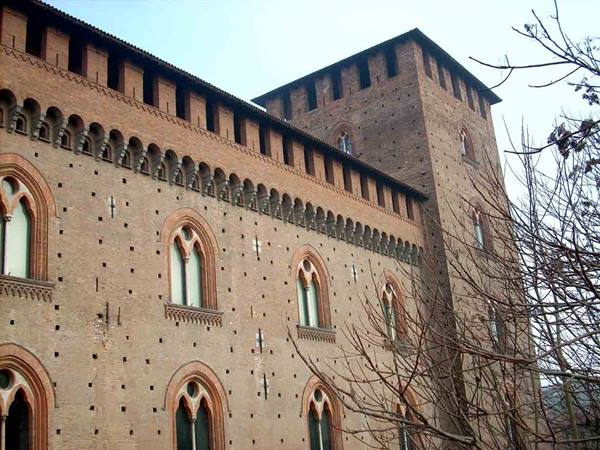
Petrarch also writes of the marble bridge over the Ticino and of Galeazzo's great castle. Walking along the broad avenues laid out on the line of the ancient walls that once surrounded Pavia, and venturing into its characteristic little streets, we breathe the air of a city on a human scale and full of history and culture, also as an important university centre. Besides visiting some of its most important churches, such as the basilica of San Michele Maggiore, where Frederick Barbarossa was crowned and which was originally built in the Lombard period, and the Cathedral, an imposing religious building whose dome is the third largest in Italy, we also make a detour just outside the city to admire the Certosa di Pavia, a monument of endless artistic and historical richness, erected at the wish of Gian Galeazzo Visconti, who symbolically laid the first stone of the building site in 1396.
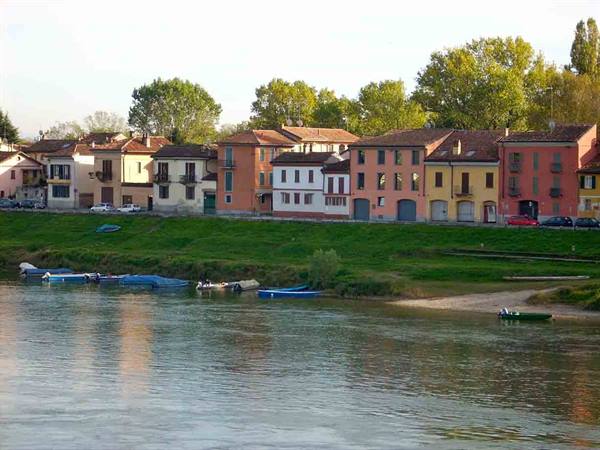
The famous Ponte Coperto fascinates us greatly, and we discover that, although built on the same foundations, it is not the same bridge that Petrarch knew. In fact, the fourteenth-century bridge, itself built on the ruins of an ancient Roman bridge, was later enlarged and altered several times over the course of history, until it was badly damaged during the Second World War and finally demolished and rebuilt from scratch. The bridge we admire today, inaugurated in 1951, links the city to the characteristic Borgo Ticino, Burg-à-bass, that is "lower village" in dialect, where you also find the bronze statue of a washerwoman, recalling the evocative Vicolo Lavandai in Milan. Amusing today's tourist is the Linguacciona, the sculpture depicting the head of a mocking woman sticking out her tongue.
We'll discover later that she is not the only larger-than-life character whose memory the place preserves. Our Pavia day continues right in this district of ancient, picturesque charm, once located outside the city walls. After crossing the Ponte Coperto, we head into the heart of this historic village to reach Via Milazzo, where we decide to stop not only for a stroll steeped in the atmosphere of times gone by but also to enjoy an excellent dinner in the name of traditional flavours. And here we are at the Antica Osteria Del Previ, set on the banks of the "blue river", as the Ticino is called on account of its crystal-clear waters.
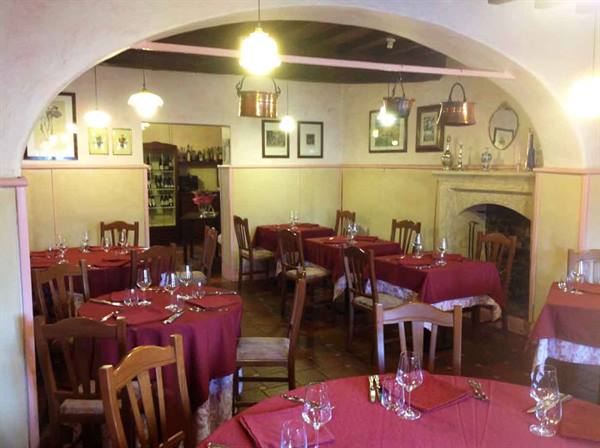
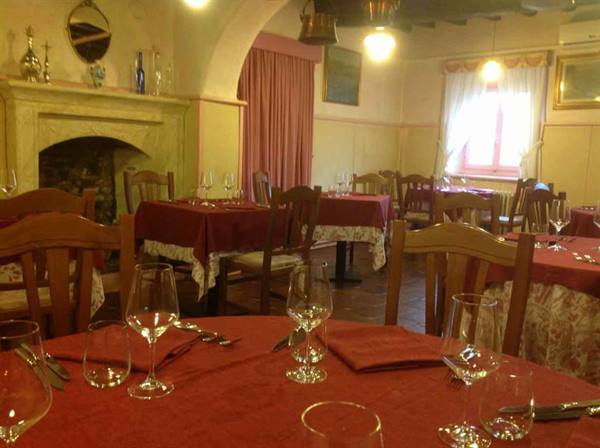
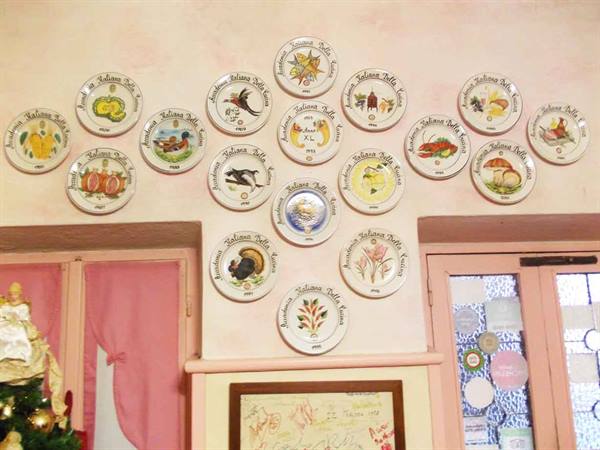
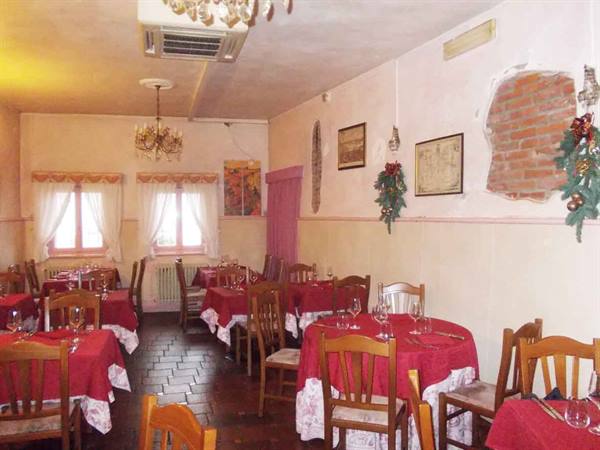
We leave the car in the restaurant's small private car park and settle into one of the welcoming, warm rooms, furnished with elegance and taste, where every detail seems to tell a story: the old coffered ceiling, the big pots hanging up to recall the days when the osteria served freshwater crayfish and loose wine, the decorative plates of the Accademia Italiana della Cucina. Welcoming us with great kindness is Mr Renzo De Felici, the owner who for eighteen years now has run the osteria with his wife and cook Alba Buzzi and their children Valentina and Andrea. "The osteria has existed since around 1860 and has always been a landmark of this border area between Piedmont and Lombardy. In the past, smuggling flourished along the river too, and it happened that the carabinieri came looking for the stolen goods right in the osteria's premises of the time.
Many think that the name Previ, meaning priest, indicates a historic religious management of the osteria: but rather than holy water, it's the devil, in fact Previ was the nickname of a smuggler from the area," Mr Renzo recalls the past as we begin to enjoy the first starters. The cuisine is the typical Lombard one, but also Piacenza-style thanks to Mrs Alba, a native of Piacenza. Everything is produced on site, with particular attention to pasta, including filled pastas, and to desserts. We start with typical cured meats including coppa, pancetta and salame di Varzi, but we also taste carpione trout and goose charcuterie, typical of the area. We continue with the exquisite filled pastas made by Mrs Alba, including cappellacci filled with braised beef and veal.
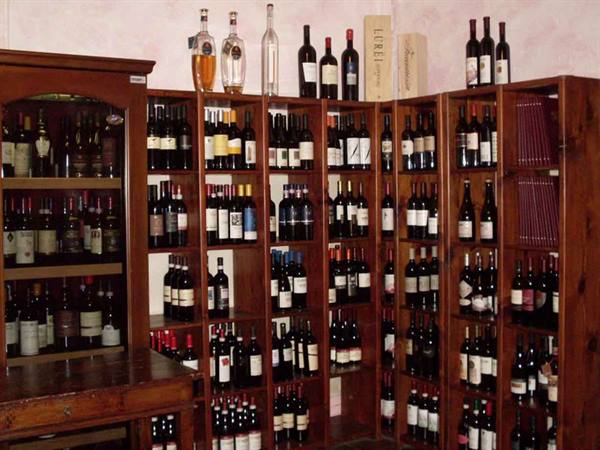
We are close to the great Lombard rice fields, so we can't help but enjoy a good risotto too, for example with sausage and Bonarda. The dishes change with the seasons of the raw ingredients, so in autumn we can eat tagliolini with truffle, while in winter tagliatelle and tagliolini with duck or hare sauce are the order of the day. We're also very fond of the chestnut gnocchi with cavolo nero and a fondue of Piedmontese toma. We wash down these good things with excellent wines from the rich cellar, which holds more than 250 labels with a particular eye for the Oltrepò Pavese, as well as Piedmontese, Lombard, Friulian, Veneto, Emilian, Tuscan, Marche, Abruzzo and Sicilian wines, and there are even a few French labels too. Among the meat dishes we choose the house's winter flagship, the brasato Antica Osteria, but the fillets, sirloins and lamb cutlets are irresistible too.
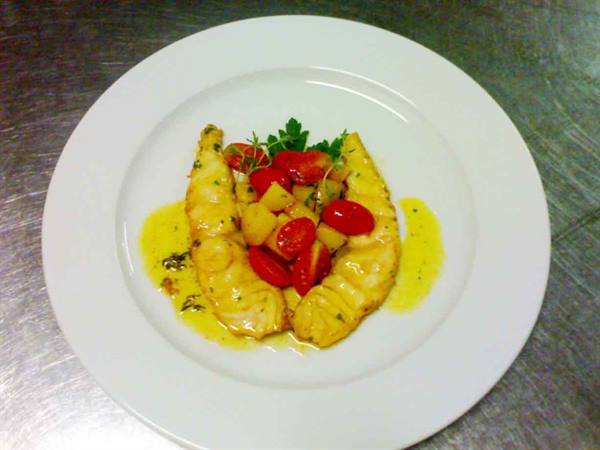
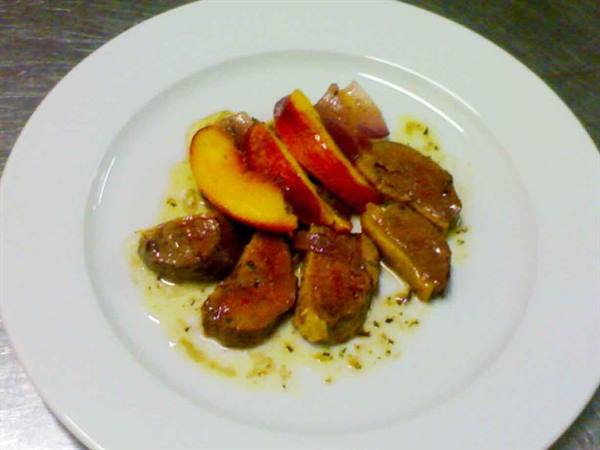
Our friends delight in the fillet with green peppercorn, though some choose it grilled. One of our favourites is the tender roast suckling-pig capocollo with a cream of onions and rennet apples, but the veal topside with porcini mushrooms, leek and raspadura on a purple potato velouté is winning converts too. Our "aquatic" friends, meanwhile, can't resist a fine Borgo-style sturgeon, but the baccalà alla pavese, cooked in a stew with onion creamed in milk, goes down very well too. Our Pavia day comes to an end amid the sweet temptations of the tempting house desserts, including an apple tarte tatin with custard ice cream, much loved and always on the menu.
We also take great pleasure in a zabaglione with homemade biscuits, as well as the chestnut charlotte with persimmon sauce and sorbets in a wide range of flavours that change with the seasons, including green apple, lemon and passion fruit. After this lovely day we can only say that we entirely agree with Francesco Petrarch: Pavia really is a beautiful city. Visiting it was a most enjoyable experience that we will certainly repeat soon.
Francesca Bertha
FOR INFORMATION:
Antica Osteria del Previ Via Milazzo, 65 (Borgo Ticino), Pavia Tel.: 0382/26203
The journey's photographs
15 photographs · click to open them full screen
0 reader comments