Tripscoop›Europe›ITALY›In the footsteps of the great navigators: a day in Genoa among art, history and good food – Part II
ITALY · Europe
The story
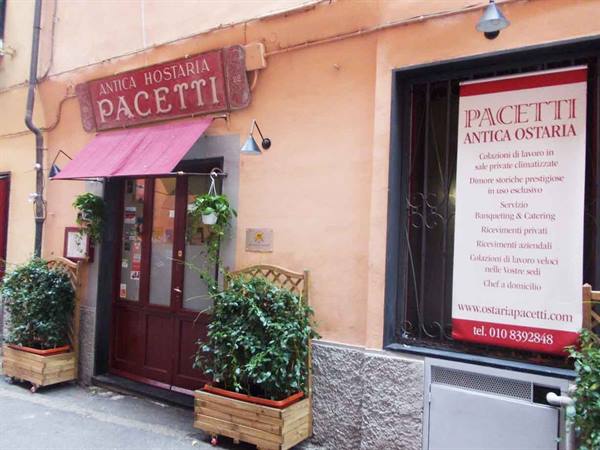
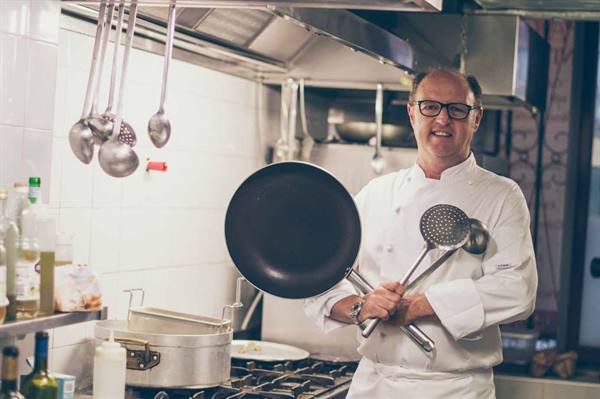
If the history of Genoa tells of the foresight and courage to build in order to renew itself, its recent history also tells of the tenacity, determination and "stubborn and contrary" strength of spirit that were needed to get back on its feet after the devastating floods of 2014. After a long stroll through the centre, we decide to stop for dinner in the historic Borgo Incrociati district, brought to its knees by the flooding of the Bisagno on 9 October 2014. It is right here that one of the city's oldest establishments, and one of those hardest hit by the flood, is located: the Antica Hostaria Pacetti, which managed to reopen a few months after the devastation thanks to the commitment and determination of its owner, chef Stefano Di Bert.
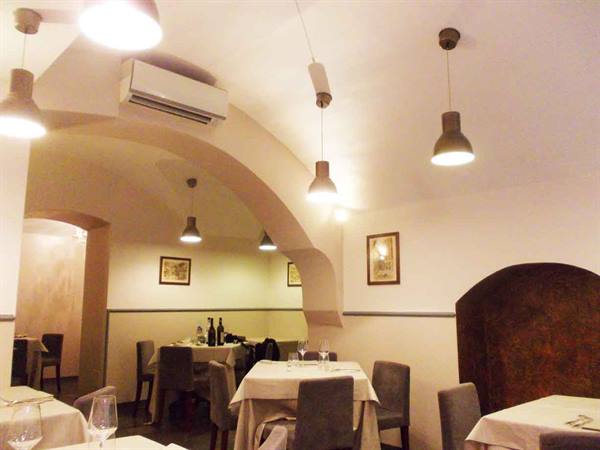
The osteria, long a stronghold of authentic traditional Genoese flavours, is housed in a palazzo whose walls date back to before the year 1000 and which stands in a district where the "Crusader" friars (Incrociati) founded a hospice-hospital, hence its name. "During the renovation we discovered that about a metre and a half below the floor there are several layers of ancient marble and slate paving," the chef tells us, recalling some episodes from the long history of the osteria, a landmark since the earliest days of the village, traditionally rich in workshops of masters of the most varied trades, from the flour seller to the rag-and-bone man and the cobbler. "The osteria was founded in 1885 by the Pacetti family, whose management lasted until 1984.
Besides the founder Antonio, a prominent figure in the osteria's history was Ornella Rubbi Pacetti, who with passion and determination became an internationally recognised cook," the account continues. Today the legacy of the historic osteria is taken up, guarded and carried forward by chef Stefano Di Bert, born in Monfalcone but a Friulian by adoption, whose philosophy is that no recipe should ever lack heart and curiosity, along with knowledge.
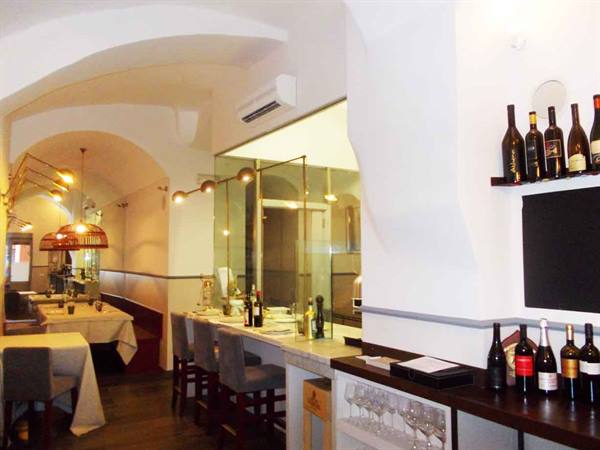
His passion, which from a very young age took him to work in numerous prestigious establishments from Monfalcone to Cortina d'Ampezzo before landing in Genoa in 1992 as maître d'hôtel of the Circolo Artistico Tunnel, shines through in every detail: from the care with which the osteria's rooms have been renewed, now reflecting the establishment's ancient history with a refined touch of modernity and elegance, to his skill in explaining the characteristics of the baccalà desalted with stream water and showing how a QR code on the packaging of Portuguese fish products tells the story of the fish we eat. "The higher the level of the restaurant, the more we are spurred on to do better. Our cuisine is traditional Genoese, and we pay the greatest attention to the quality of the ingredients. What I wouldn't give my son to eat, I don't give to a customer either.
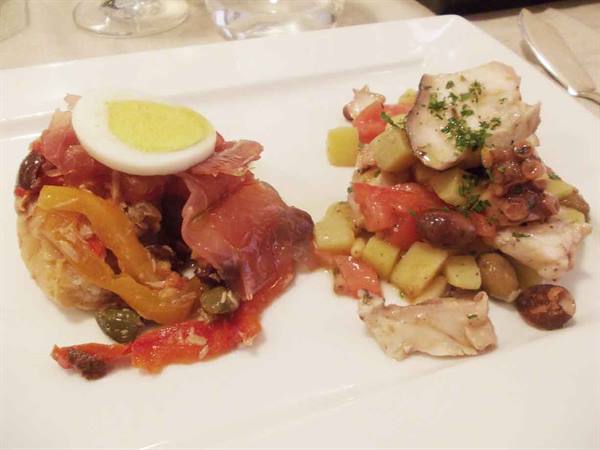
We follow the concept of zero miles, but also in a broader sense, choosing the best products even if they come from a distant territory, such as the Piennolo del Vesuvio tomato, an absolute excellence," the chef explains, surprising us also with the fact that he is not possessive about his recipes, which he gladly reveals. "I have no secrets and I don't regard other restaurateurs as competitors but as colleagues. If everyone thought like that, it would be better for each of us," he confides as we begin to enjoy the first treats in the name of authentic Genoese flavours. We start with a flavoursome garnished octopus salad and with the condiggiun del navigante: a starter that ideally carries us back onto Genoese sailing ships.
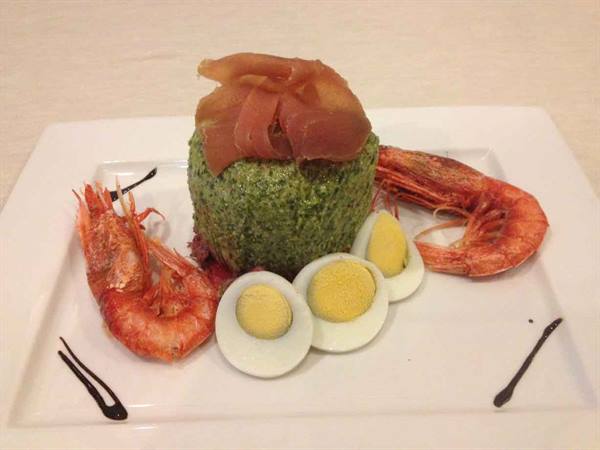
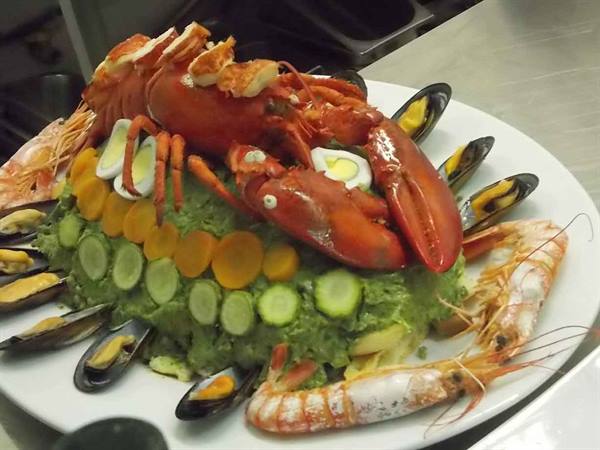
Made up of the sailor's ship's biscuit, tuna in oil, salt anchovies, Taggiasca olives, capers, tomatoes, pickled pepper, tuna musciame, hard-boiled egg and extra-virgin olive oil, the condiggiun is a complete and healthy food: it has in fact been scientifically proven to cover all five nutritional principles. We continue with very tasty first courses made with fresh pasta prepared in-house, including trofiette di Recco with Ligurian pesto and tagliarini with shellfish ragù. We're also very fond of the minestrone and scucussun alla genovese, while some of our friends can't resist the Acquarello seafood risotto. Those who prefer flavours of the land, meanwhile, opt for the old-Genoa ravioli with beef tucco. Now comes the long-awaited moment to taste one of the most renowned, richest and most exquisite specialities of both the Ligurian tradition and the osteria: the cappon magro.
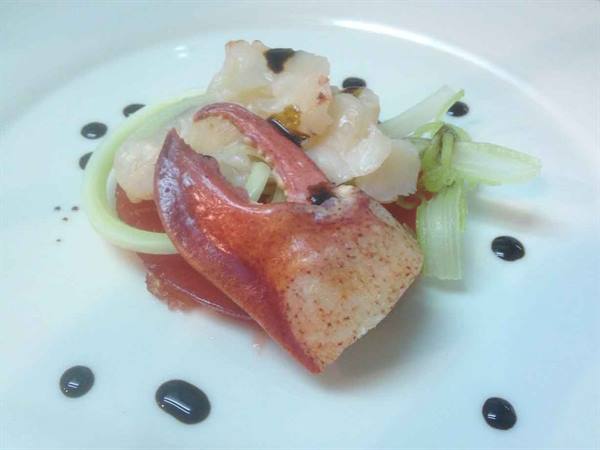
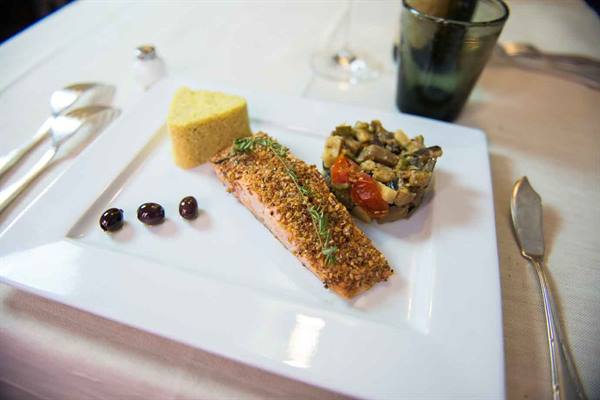
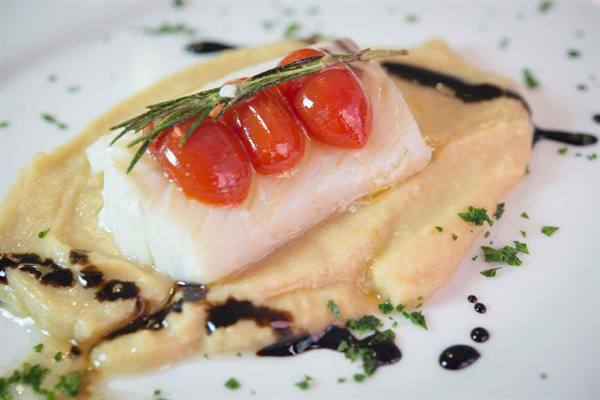
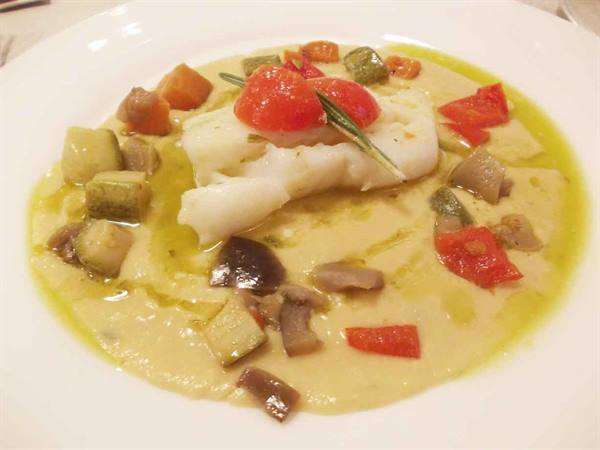
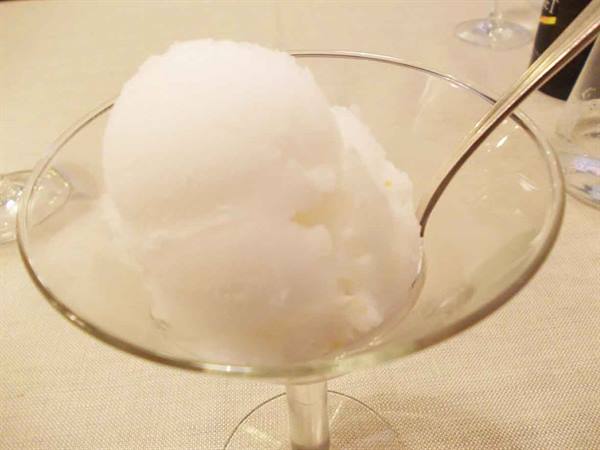
Among the seafood dishes we also taste a delicious Lomos baccalà fillet with rosemary chickpea cream. Our "carnivore" friends, on the other hand, are thrilled by the Viola beef fillet seared on the ciappa with a grill of marinated vegetables. This wonderful Genoese day can only end on a sweet note, thanks to the tempting house desserts, including an alcohol-free elderflower sorbet, the meringata drowned in hot chocolate, tiramisù and the nougat semifreddo with zabaglione cream. After this lovely trip to Genoa we are sure that our ideal sailing ship will soon bring us back to this city, where there is always so much more to discover, as its tourist slogan "Genova more than this" suggests. In the meantime we will take advantage of the catering and private-chef service of the Antica Hostaria Pacetti for our family's next events and celebrations.
Francesca Bertha
FOR INFORMATION:
Antica Hostaria Pacetti Via Borgo Incrociati, 22R Genoa (GE) Tel.: 010/8392848 Facebook: Antica Hostaria Pacetti
The journey's photographs
14 photographs · click to open them full screen
0 reader comments