Tripscoop›Europe›ITALY›In the footsteps of the great navigators: a day in Genoa among art, history and good food – Part I
ITALY · Europe
The story
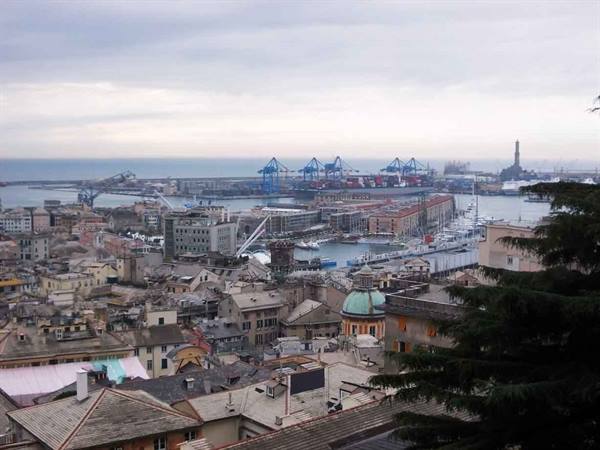
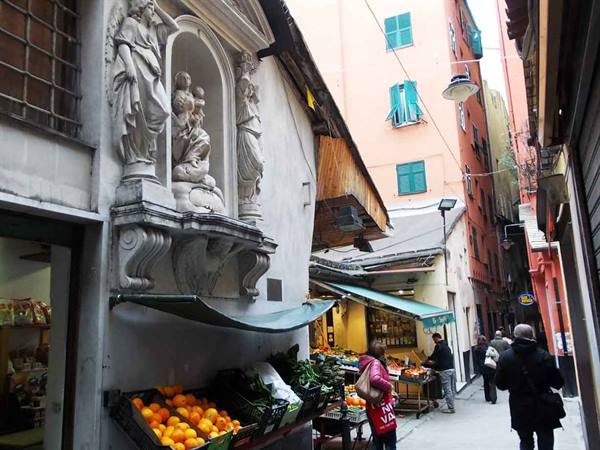
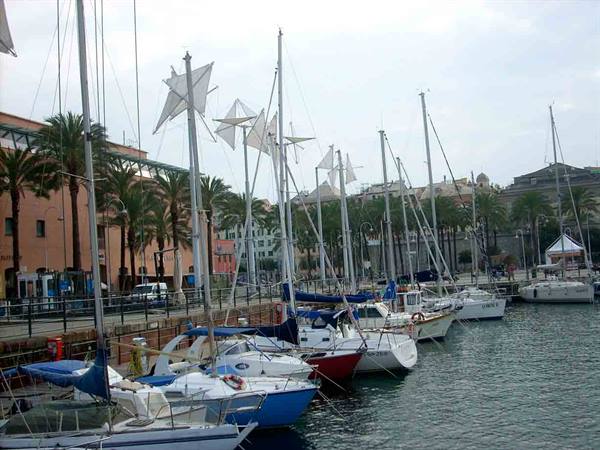
A wonderful natural amphitheatre overlooking Italy's most important port, welcoming the traveller with a breathtaking spectacle of colourful houses, sea, heights, steep caruggi (alleys) brushing against ancient chapels, sumptuous palazzi, and boats and ships from every corner of the world: here is a first image of Genoa, historically known as "La Superba", for eight centuries the heart of a powerful maritime republic and today an important city of art and a destination for international tourists. Arriving here, especially from the fog-wrapped plain or from some city sunk in winter smog, is like a jolt of light, warmth and poetry. All it takes is a ray of sunshine for the colourful houses to light up like so many pieces of a rainbow, and as you stroll through the atmospheric Porto Antico it is inevitable that the now legendary songs of Fabrizio De Andrè echo in your ears.
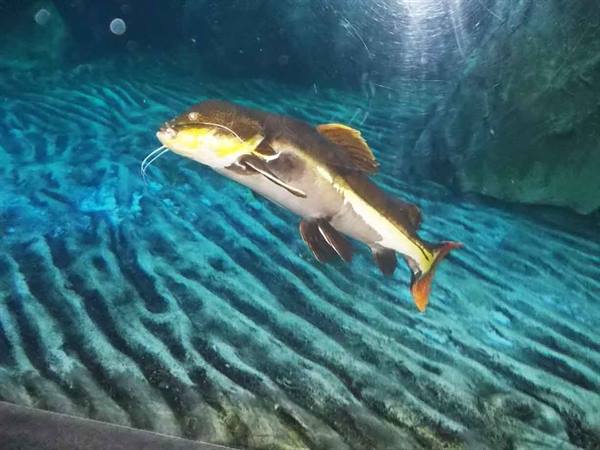
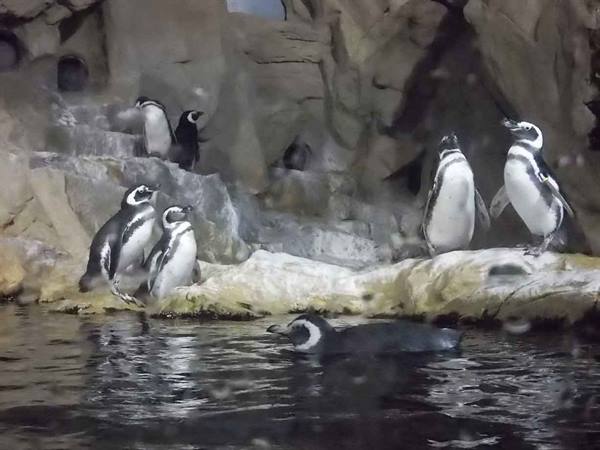
Visiting Genoa is a great journey within a journey. From the exciting interactive exhibitions of the Galata Museo del Mare, the largest maritime museum in the Mediterranean, we travel to the Tropics, and even to Antarctica, passing through the depths of the Mediterranean Sea and the colours of the coral reef, thanks to no fewer than fifteen thousand fascinating animals - fish, marine mammals, reptiles, amphibians and birds - that we can admire in the aquarium's seventy tanks. The Natural History Museum, founded in 1867 by the famous explorer and naturalist Giacomo Doria, guards an invaluable zoological heritage of more than 4.5 million specimens from every latitude.
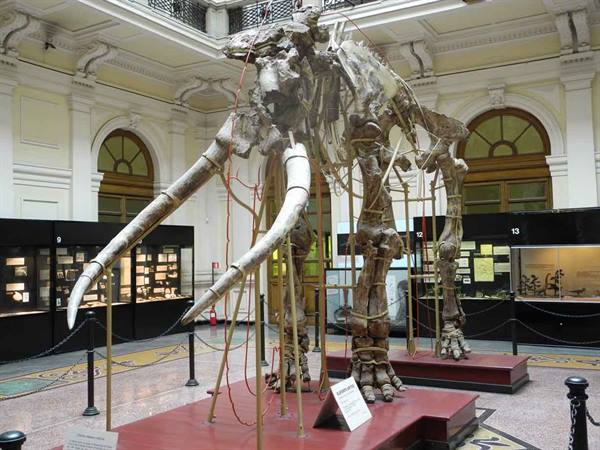
The display of six thousand specimens is much appreciated by the youngest explorers too, who can take part in a great many educational activities, including a Night at the Museum: an evening of games and workshops, animal masks, nature stories and then everyone off to sleep in a sleeping bag, under the watchful gaze of the fossil skeleton of the colossal ancient Elephant. From the port, crossing Piazza Caricamento, we reach the Sottoripa, home to Italy's oldest public arcades, built between 1125 and 1133. We also venture into the caruggi of the ancient medieval quarter and then, following Via San Lorenzo, reach the cathedral of the same name, erected on the spot where, according to legend, St Lawrence and Pope Sixtus II, on their way to Spain, were hosted in a house.
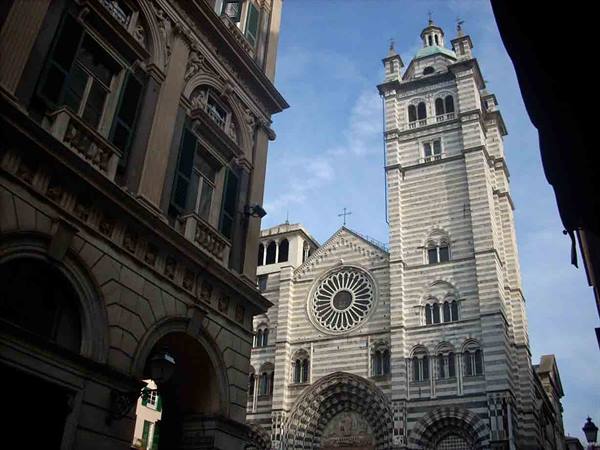
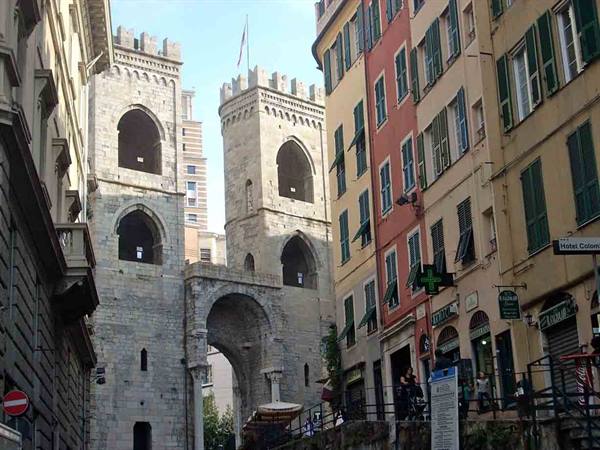
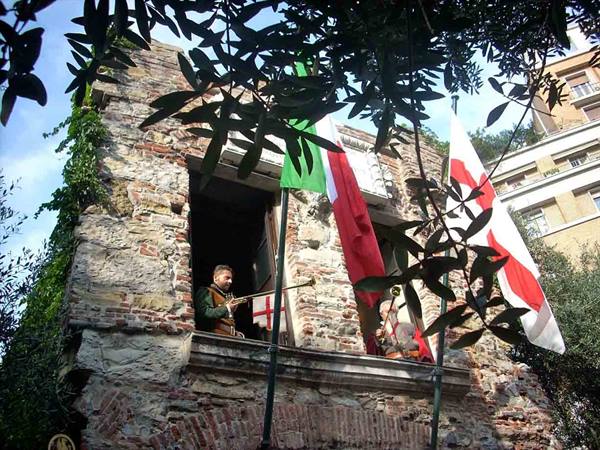
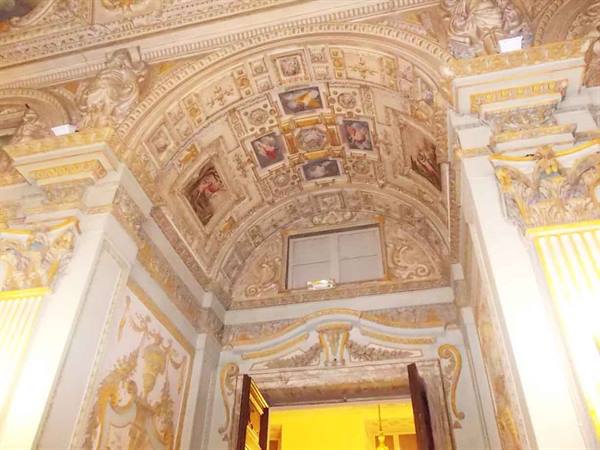
After the saint's killing, a chapel and then a small church were built in the area in his memory, while the splendid cathedral, with its facade in white and black stripes in typical Ligurian style, was consecrated in 1118, before the works were finished. In fact the religious building remained unfinished: according to the original design it should have had two bell towers, but because of the architect's death the left-hand one was never completed. Inside the three-nave church you can admire numerous wonderful frescoes and other works of art from every era. Continuing up the slope, we reach Porta Soprana, which in medieval times was the main gateway into the city. A few metres from its two elegant towers, we visit the house-museum of Christopher Columbus, within whose walls the future navigator lived in his youth, between 1455 and 1470.
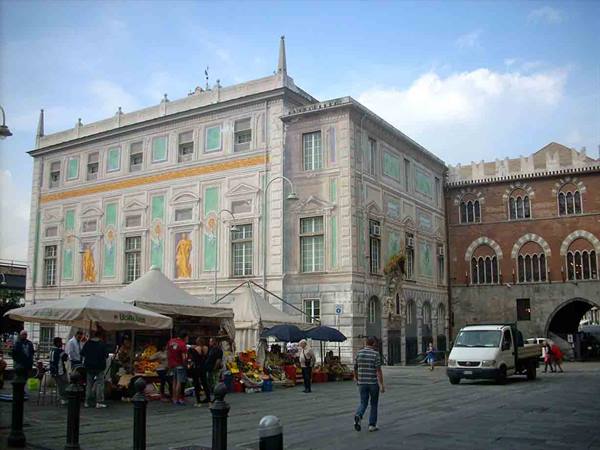
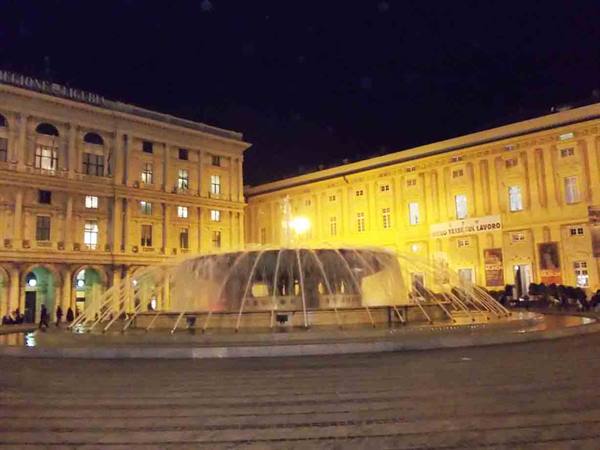
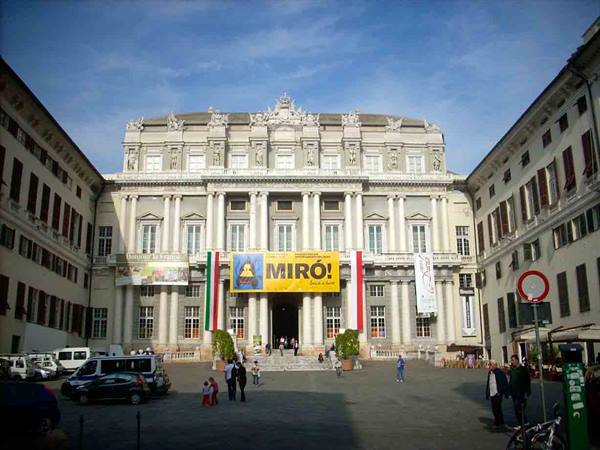
We are told that the modest house, probably destroyed during the bombardment of Genoa in 1684 by the Sun King, was rebuilt in the eighteenth century. The construction of the splendid Palazzo Ducale, on the other hand, is linked to important Genoese military victories (against Pisa in 1284 and against Venice in 1298); restored for the 1992 Colombiadi, it today hosts art exhibitions of great importance. After admiring the adjoining Piazza De Ferrari, the city's main square, we decide to take a stroll among the caruggi, slipping into a characteristic alley right in front of Palazzo Ducale. A few steps further and we are in Piazza delle Erbe, considered the hub of Genoa's nightlife.
Above the sixteenth- and seventeenth-century houses stands the bell tower, an octagonal crossing tower decorated with friezes and a double order of mullioned and triple-mullioned windows, of the beautiful church of San Donato, the most significant example of Genoese Romanesque, dating from the twelfth century. When Christopher Columbus set off on the voyage that would redraw the world map, the map of the city of Genoa was about to be notably redrawn too. The Genoese aristocracy decided to create from nothing a great showpiece quarter, assigning a run-down, outlying area to accommodate the residences of some of the city's leading families; within a few years two parallel rows of great palazzi thus arose, mostly with colonnaded courtyards, hanging gardens and splendid frescoed halls.
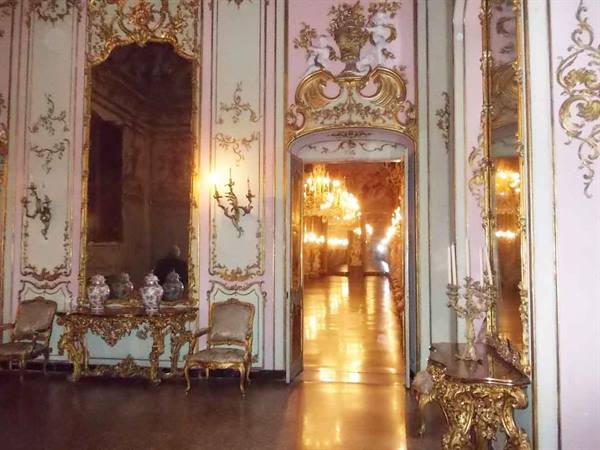
Along today's Via Garibaldi you can admire, among others, Palazzo Tursi, Palazzo Rosso and Palazzo Bianco, which make up the prestigious route of the Museums of Strada Nuova.
The journey's photographs
14 photographs · click to open them full screen
0 reader comments