Tripscoop›Europe›ITALY›The Legendary Charm of the Genoese Hinterland: A Trip to Sant'Olcese Between History and Good Food
ITALY · Europe
The story
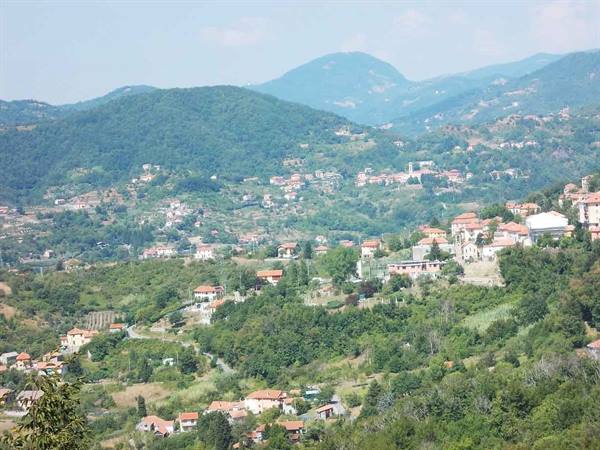
This weekend we are going to meet none other than a saint who managed to tame a bear. And to do so, we follow our instinct, the one that suggests we should not rush as we do during our working weeks, but take our time, tuning in to the rhythms of nature and enjoying the beauty of the landscape. That is why we choose to take the main road that crosses the Scrivia Valley towards Genoa. About an hour of bends, but breathtaking ones: small hamlets made of brightly coloured houses, unmistakably Ligurian even when we are still in the province of Alessandria, around Arquata Scrivia. The road, which runs along an ancient route once travelled by Ligurian and Piedmontese merchants who met to do business on the plain, passing through the Capanne di Marcarolo, is immersed in the dark green of the endless woods of the valley, which offer the traveller an unforgettable spectacle.
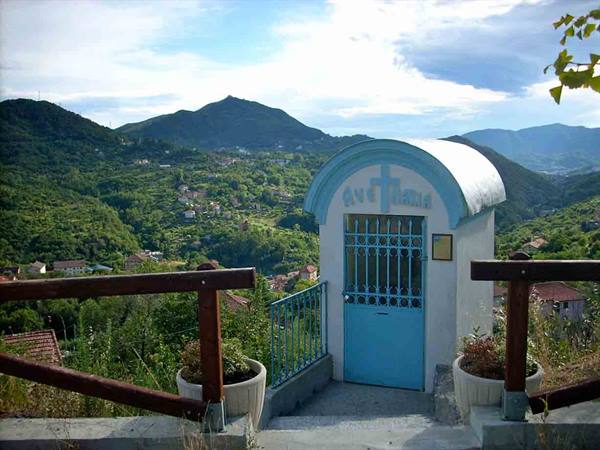
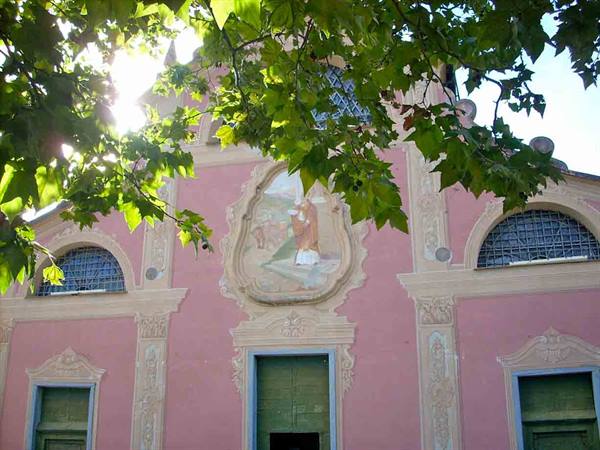
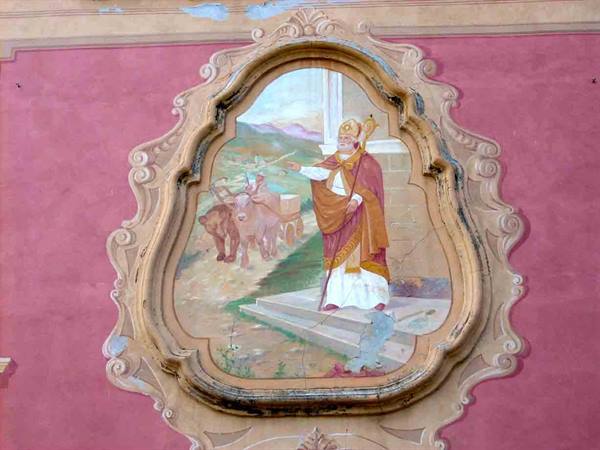
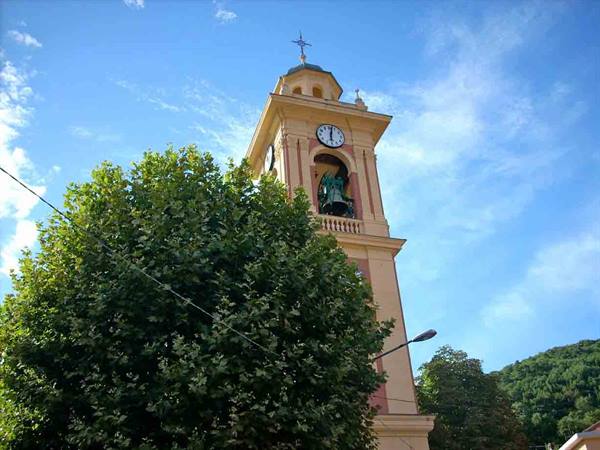
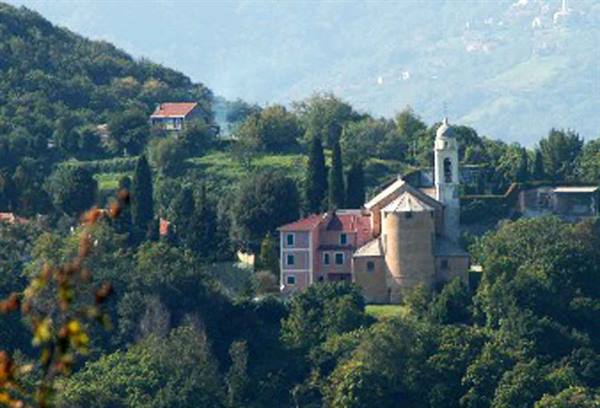
Already in Roman times, in the 2nd century BC, the consul Aulus Postumius had a paved road built here, the Via Postumia, which linked the Ligurian Sea with the Adriatic, passing through Libarna. We thus reach Sant'Olcese, a municipality on the outskirts of Genoa known since 1146, which spreads across several hamlets in the Polcevera Valley, a few kilometres from Bolzaneto. And here we can finally "meet" our saint: the name of the village, originally called Valle Ombrosa, in fact comes from that of the Norman bishop Olcese who, fleeing the barbarian invasions in his Gaul, settled here in the 5th century. In the church dedicated to him, the mortal remains of the saint are kept, while on the facade a fresco tells the legend of the miracle of the bear.
The mischievous animal had long been bothering and terrorising the population, and one day it went too far: it ate an ox that was supposed to pull a cart. To intervene and settle the matter, however, it was not a hunter but Saint Olcese himself, who tamed the bear and yoked it to the cart in place of the ox the beast had killed. Over the centuries of history, it was more complicated to "tame" the various invaders, but also the troops of the local families who fought over this territory, precious also for its strategic position. Of the castle, which stood in the hamlet of Vicomorasso and was destroyed in the 14th century during the struggles between the Guarchi, Montaldo and Adorno families, only a few traces remain.
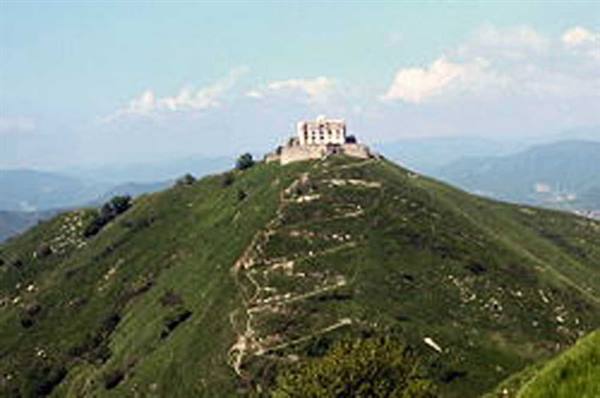
Forte Diamante, on the other hand, is in decidedly better condition, even if it bears the heavy marks of time: the mammoth fortress that dominates Sant'Olcese from a height of 624 metres above sea level. Built between 1756 and 1758, it was one of the forts erected to defend Genoa, and today it is the only one located outside the city territory. Among the sieges it managed to withstand, the Austrian one of 1800 stands out. Along the winding roads that connect the nine hamlets of the municipality today there is no risk of meeting a bear; it is easy, however, to see cyclists: Sant'Olcese is now among the favourite destinations of hikers. Nature lovers also gladly walk the botanical trail of Ciaè, linked to the Alta Via dei Monti Liguri, which ends at a suggestive abandoned village.
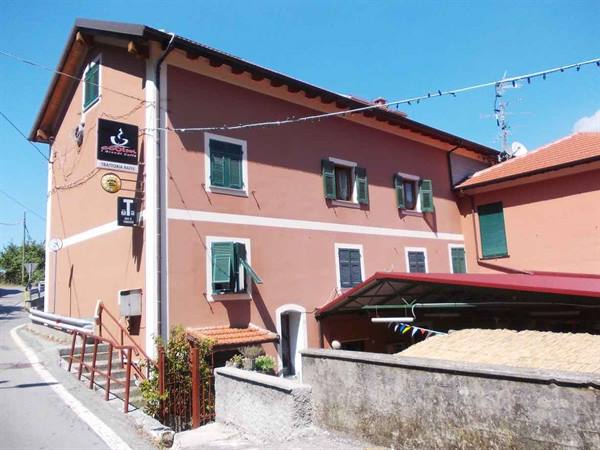
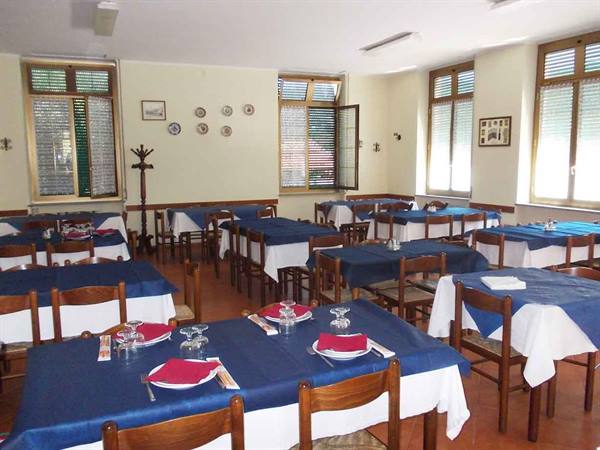
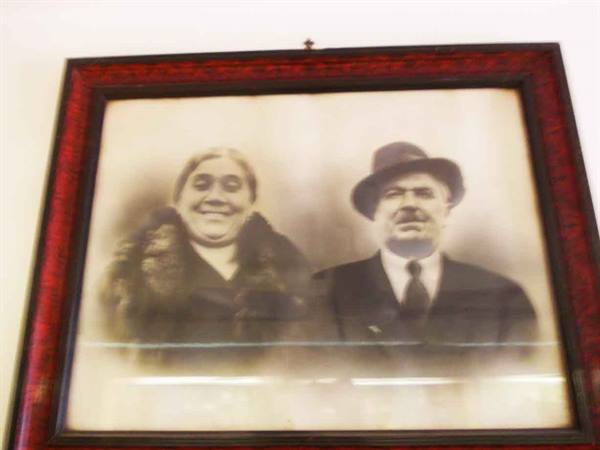
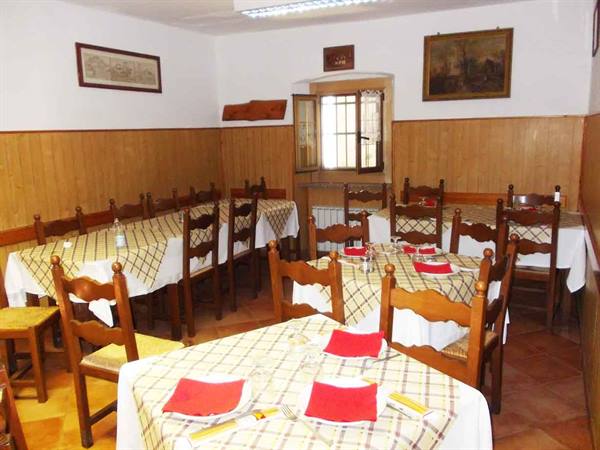
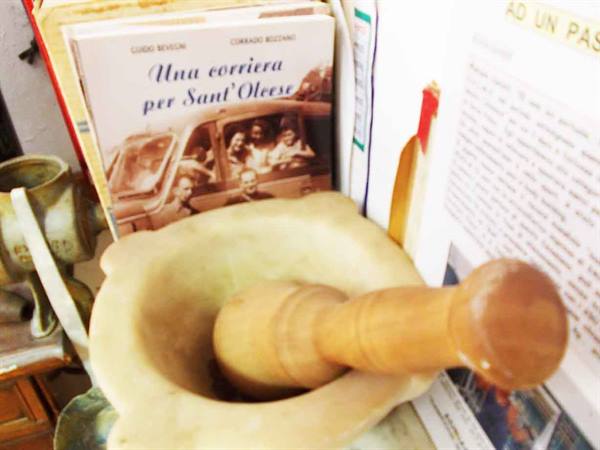
Among the many reasons why Sant'Olcese is worth a visit there is also the good food: our day continues with the discovery of authentic Genoese flavours at Trattoria da Raffe, in San Lorenzo di Casanova. The restaurant, which has long passed its first hundred years, is an important piece of the village's historical memory. "My husband's grandfather was born in 1869 and married in 1901, or perhaps the year after. When their son was born in 1904, the trattoria was already here," Mrs Rosalba tells us; she runs the place together with her husband Giuseppe Cappanera and their son Mario, with the help of Mrs Anna. In the dining rooms, elegantly furnished in a traditional style, we can also admire a few period photographs on the walls, including one portraying the founders of the trattoria.
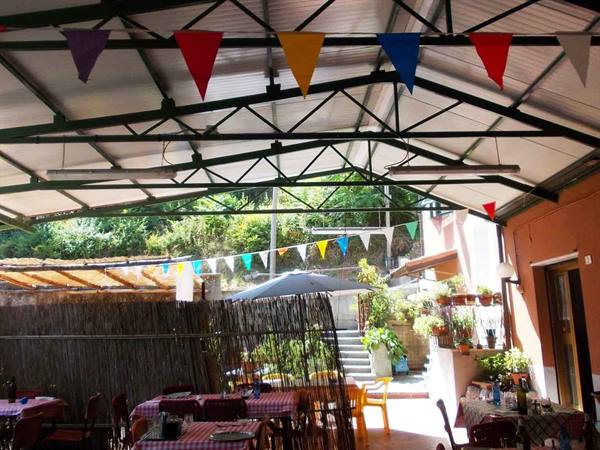
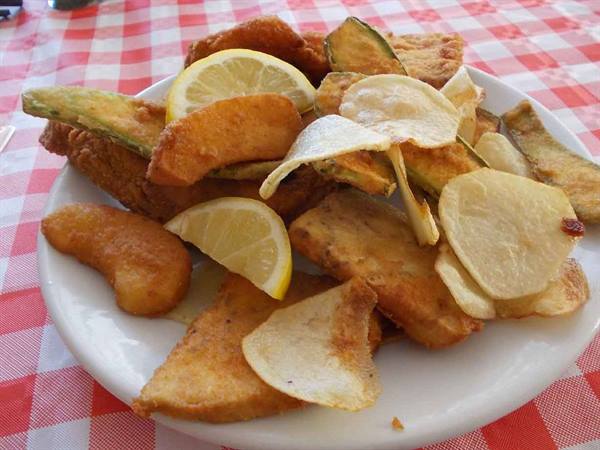
Given the fine weather, we sit instead in the large outdoor terrace, from which a splendid view opens over a stretch of the mountains that embrace the village. The charm of the setting also lies in the warm family atmosphere you breathe, which involves the diners too: even those who come here for the first time somehow feel at home. The cuisine is the typical Genoese inland style, genuine, focused on seasonality and based on exquisite zero-kilometre ingredients. Our lunch begins with a rich variety of local cold cuts, including the renowned salame di Sant'Olcese, served with melon. We then taste vegetable timbales, bean dishes with tuna and Russian salad. We also very much like the courgette flowers in batter and we are lucky enough to taste an excellent beef carpaccio.
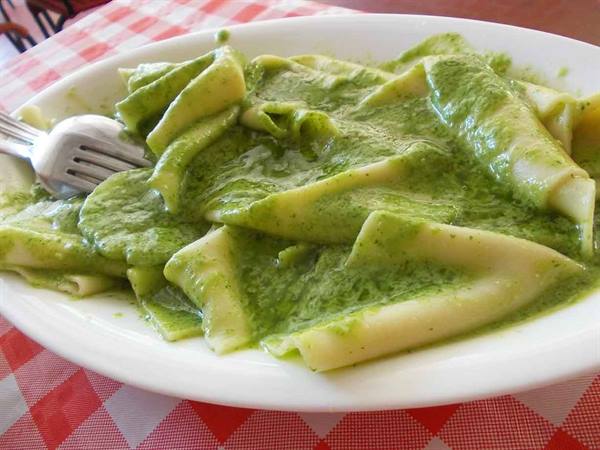
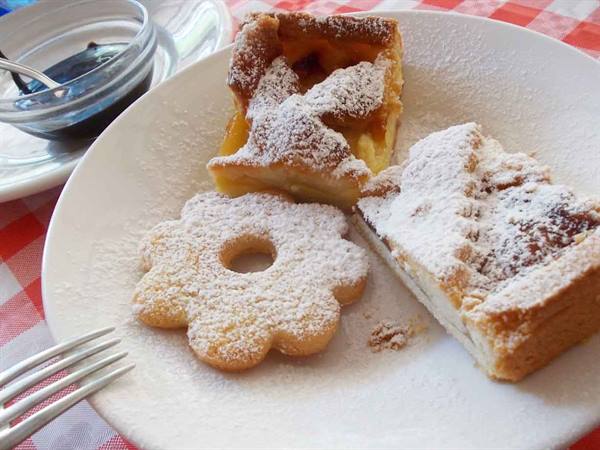
We continue with fabulous lasagne with pesto, while our friends delight in ravioli with meat sauce and pansotti with walnut sauce. Among the three first courses available daily, always made with fresh homemade pasta, in season the mushroom tagliatelle also stands out, and the baked lasagne are a great success too. Next we enjoy an abundant mixed fried fish, and we cannot even resist the cima, the vitel tonné and the rabbit cacciatora. The roast beef is also much liked, and we are already sure that next time, returning in season, we will taste a fine plate of snails and mushrooms. Finally, we can only give in to the sweet temptations of the house desserts, including canestrelli, apple cake, jam tarts and tiramisu.
One of the specialities we will certainly remember is a delicious panna cotta which in the warm season is made with mint whose flavour is there and yet not there, but leaves a very pleasant taste of freshness in the mouth. Now that we have discovered it, we will keep visiting the trattoria for its next hundred years too, and when we come back this way next time, perhaps we will also have the chance to attend one of the shows held in the park of the eighteenth-century Villa Serra.
Francesca Bertha
FOR INFORMATION:
Trattoria Dal Raffe Piazza San Lorenzo, San Lorenzo (GE) Tel.: 010/7092367
The journey's photographs
16 photographs · click to open them full screen
0 reader comments