Tripscoop›Europe›ITALY›A Peaceful Place Overlooking the Gulf of Tigullio: A Trip to Santa Margherita Ligure, Part I
ITALY · Europe
The story
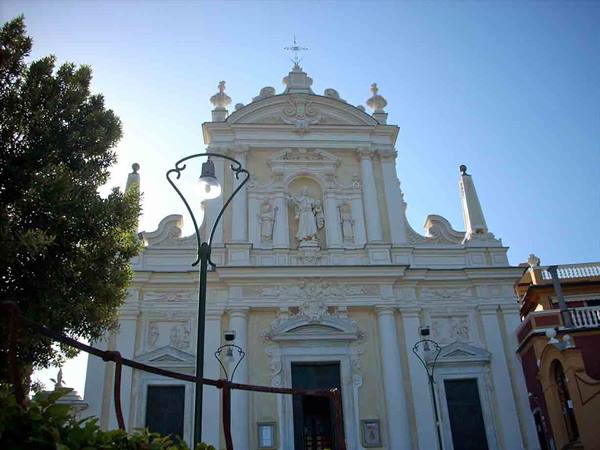
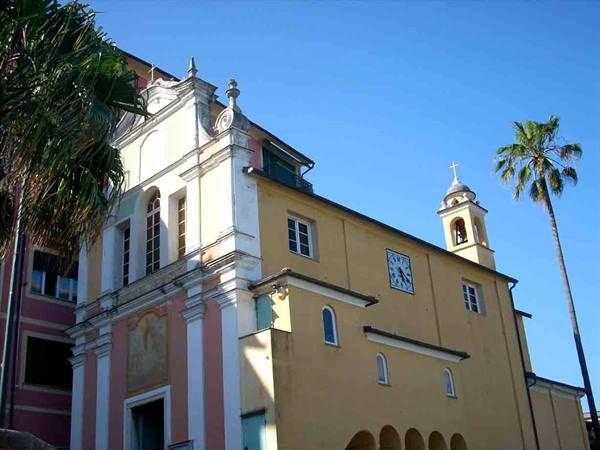
Centuries ago, one fine day, the inhabitants of the village of Santa Margherita Ligure noticed a boat entering the harbour and immediately arousing the interest of the people who were starting to crowd the quay. Someone thought the commotion was due to some extraordinarily large fish caught by the fishermen, but that time the already famous seafaring tradition of the place had little to do with it. Instead, the sailors brought to the village a splendid Marian image, in which the Virgin held a rose in her hand. From this was born the cult that has been alive in the town since the Middle Ages, as shown by the name of the sanctuary of Nostra Signora della Rosa, formerly the basilica of Santa Margherita d'Antiochia, where the sacred image is kept. The basilica also preserves a precious eighteenth-century statue by Anton Maria Maragliano, depicting Saint John of Nepomuk.
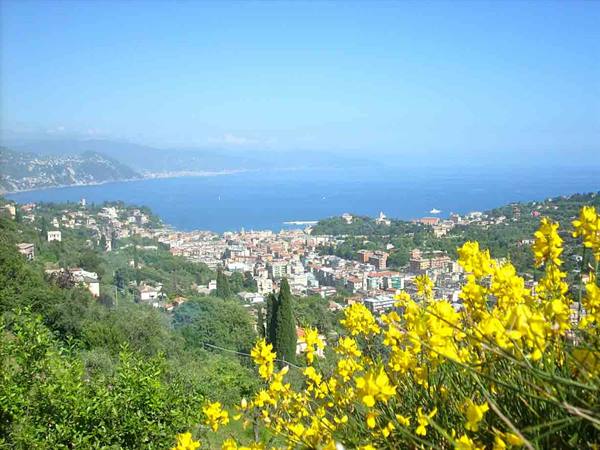
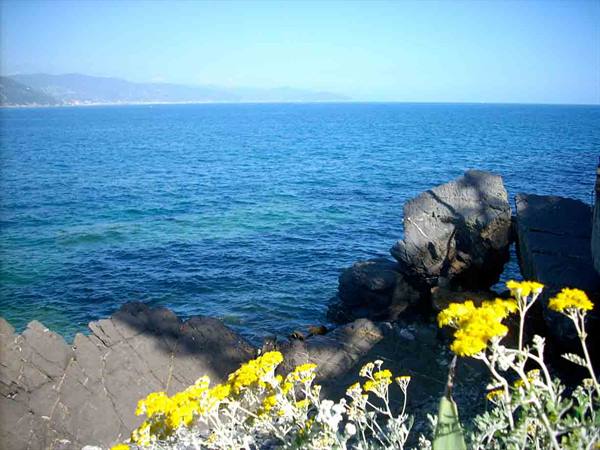
Besides the Madonna, protecting this splendid town of the Gulf of Tigullio is, indeed, Saint Margaret, patron saint of women in labour, who lived between 275 and 290, the year in which, at only fifteen, she suffered martyrdom for her Christian faith. The extraordinary historical and artistic wealth of the municipality is set in a breathtaking landscape, in the innermost part of the Gulf of Tigullio, in an enclosed cove of the Portofino promontory. In Friedrich Nietzsche's imagination this place was like an island that had come from afar and had finally anchored to the mainland. From the heights covered with woods of maritime pines, chestnuts and olive groves, a wonderful panorama opens over the Coast of the Dolphins. The area, included in the Portofino Regional National Park, offers several nature trails, including those of the Gulf of Paradise, San Fruttuoso and the Gulf of Tigullio.
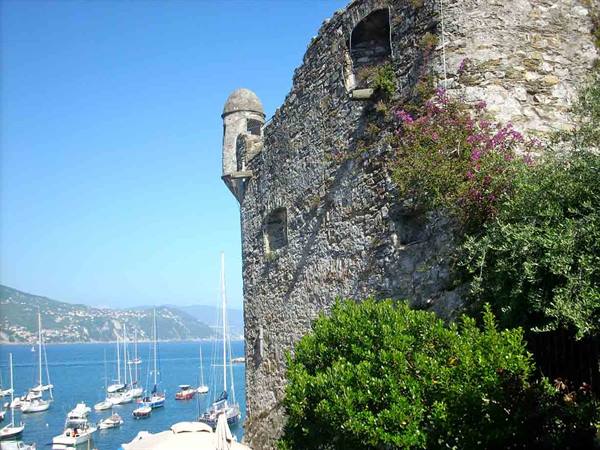
The seabed too is full of treasures to discover: in the marine protected area there is a particular habitat of Posidonia oceanica meadows and coral formations and semi-dark caves, as well as countless species of fish. If today this splendid sea enchants tourists, in the past it was also a source of danger, because of the very frequent Saracen raids. To defend themselves from the pirates, in particular from the terrible Dragut who had spread terror along the entire Ligurian coast, in 1550 Santa Margherita Ligure too equipped itself with a fortress. The castle, located on the seafront, was designed by Antonio de Càrabo, the same man who a year later would build the castle of Rapallo. Adjacent to the castle we also visit the church of the Capuchin friars, built in 1608 together with the convent. Another castle, from 1626, is in the suggestive hamlet of Paraggi, on the road to Portofino.
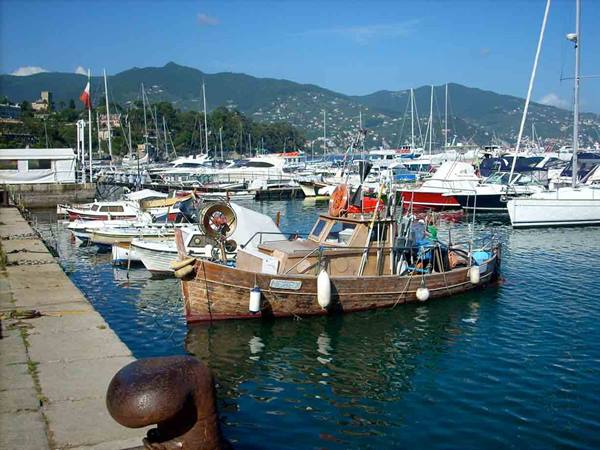
Also along the stretch of coast leading to Portofino you can visit the Cervara, a former Benedictine monastery dating back to 1361. Walking along the seafront we discover that Santa Margherita Ligure is the second Ligurian port by number of fishing boats, after Sanremo. Indeed, the picturesque multitude of boats that every day return from the sea with the excellent fresh fish of Tigullio in their nets is remarkable.
The journey's photographs
6 photographs · click to open them full screen
0 reader comments