Tripscoop›Europe›ITALY›A Garden City Where We Rediscover Harmony with the Planet: an Outing to Varese – Part I
ITALY · Europe
The story
Who would ever have said that from Campo dei Fiori you can admire the seven hills? If in Rome this is not possible, it is in Varese, a splendid garden city in Lombardy, built on seven hills just like the capital. The municipality indeed lies in a characteristic position, at the foot of the Sacro Monte di Varese, which is part of the Campo dei Fiori massif, and its territory ranges between 238 and 1150 metres above sea level, a situation that takes visitors pleasantly up and down beautiful panoramic roads that had enthused even Stendhal, who remembered them thus: "Magnificent vision! At sunset we could see seven lakes. Believe me, you can travel all of France and Germany, but you will never be able to experience such sensations."
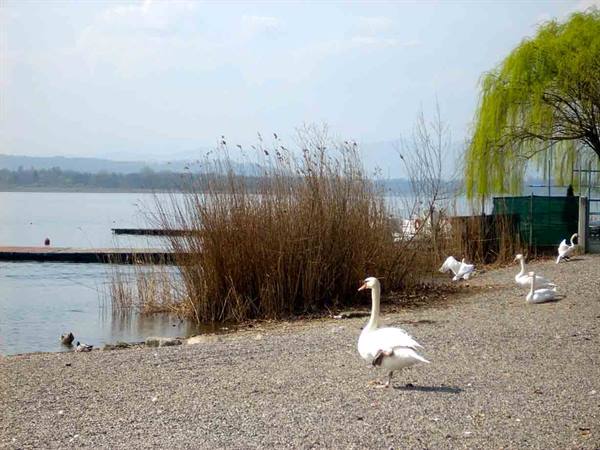
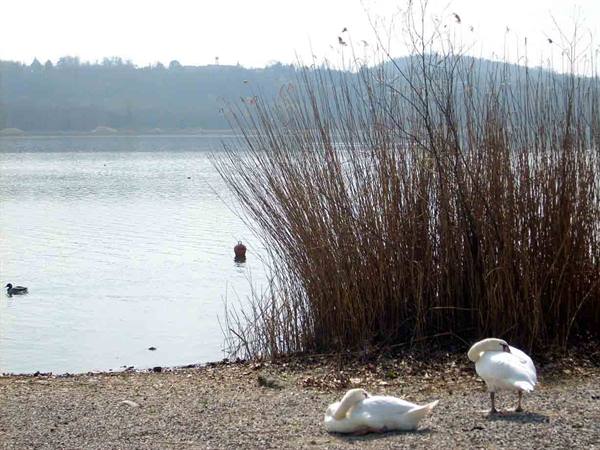
The place name Varese reveals Celtic origins, a language in which "vara" means "water", in this case the water of Lake Varese, a UNESCO site counted among the most important prehistoric pile-dwelling sites of the Alpine arc in the world. Indeed, if we had ended up in these parts about seven thousand years ago, we would have found a series of fascinating pile dwellings built on the lake, particularly near the Isolino Virginia, inhabited by prehistoric peoples already aware that Varese was a very pleasant place to live. Today the lake is a splendid corner of peace, inhabited by friendly swans and ducks. Its shores welcome nature lovers with gentle lakeside panoramas, quiet little beaches wrapped in silence, hidden coves among the willows and a lovely cycle and pedestrian path running right along the lakeside.
Our walk continues towards the middle part of the mountain, where we visit the hamlet of Santa Maria del Monte, whose fortress was at the centre of bitter struggles between papacy and empire during the Middle Ages. Today few traces of the fortress remain, visible among the private houses and absorbed into the famous Sanctuary, the culminating point of the Via del Rosario. The Sanctuary, a destination for many pilgrims and also chosen as a place of hermitage, was founded between the 8th and 9th centuries AD, and then enlarged and restored several times over the course of history. The Sacro Monte di Varese, created in the late 1500s and also known as the Fabbrica del Rosario, is a UNESCO World Heritage Site.
It is a sacred route of about two kilometres, lined with fourteen votive chapels, interspersed with triumphal arches and fountains for pilgrims, and it ends at over eight hundred metres above the town: a demanding goal that rewards the effort also with the magnificent view that opens from that height over the Varese area.
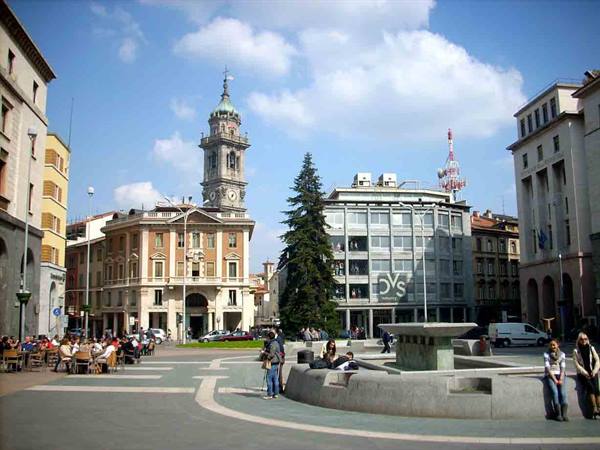
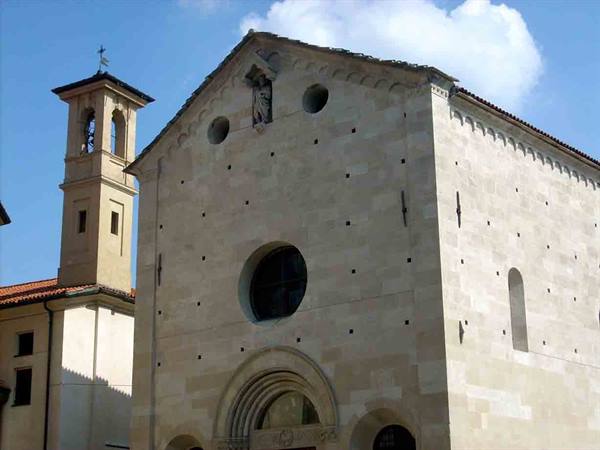
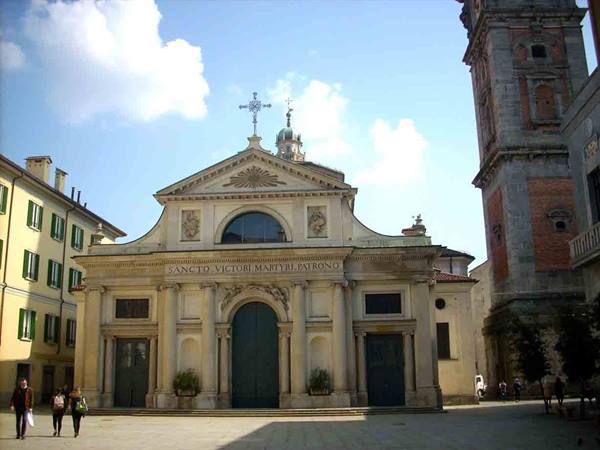
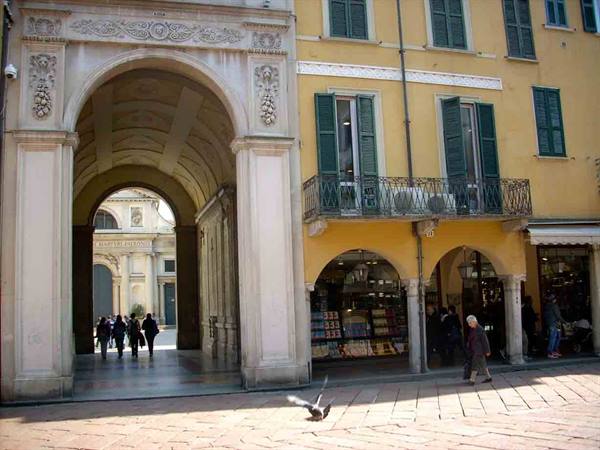
We continue discovering the city in the historic centre, very rich in monuments to visit. Among them stand out the Basilica of San Vittore, built between the 16th and 17th centuries over a pre-existing 14th-century structure, and the Baptistery of San Giovanni Battista, erected between the 13th and 14th centuries over an earlier hexagonal baptistery. The body of the church was designed by the most important architect of the Counter-Reformation era, Pellegrino Pellegrini, while the 18th-century Neoclassical facade is the work of Leopoldo Pollack, the architect who also designed the Villa Belgioioso Reale in Milan, home to the Galleria d'Arte Moderna.
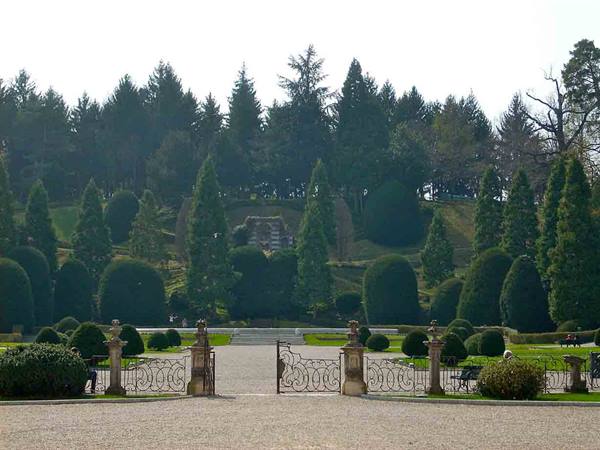
Inside the basilica, several artistic styles from different eras, from the 1500s to the late Baroque, live together harmoniously, and you can admire several precious works of the Lombard Baroque painting school, including the famous Mass of Saint Gregory of 1615 by Giovanni Battista Crespi, considered a masterpiece of the period. Leopoldo Pollack was still a child of just four when, in 1755, Francesco III d'Este visited Varese and was so fascinated by it that he asked Maria Theresa of Austria for it as a fief, which she granted. In the following years, Francesco decided to restore a villa from the early 1700s, turning it into the sumptuous Palazzo Estense, today the town hall, set in the splendid Giardini Estensi, inspired by the park of the imperial palace of Schönbrunn.
The journey's photographs
7 photographs · click to open them full screen
0 reader comments