Tripscoop›Europe›ITALY›From the Bay of Silence to the Stories of Good Food: A Day in Sestri Levante - Part I
ITALY · Europe
The story
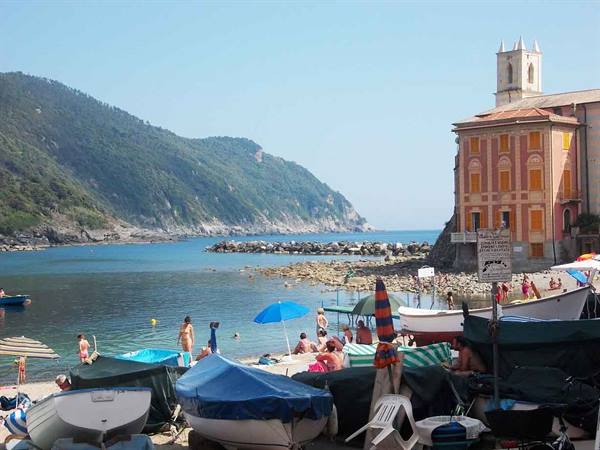
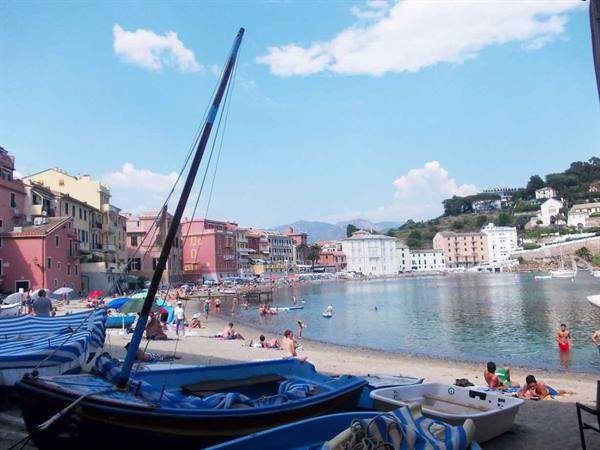
"I have finally found a land that soothes my soul, makes it sweet and content with life." So wrote Lord Byron when, in October 1822, aboard his yacht Bolivar, he landed in the Bay of Silence, the beach so named by the poet from Sestri, Giovanni Descalzo. Lord Byron was coming from Lerici, and was recovering from several days of physical malaise that he had tried to get over with improvised cures in a poor inn. In the end, when he found the strength and set sail to cross the gulf to Sestri Levante, everything fell into place. Afterwards, he wrote of it this way: "The sea immediately revived me and I ate the sailors' cold fish and drank a gallon of country wine and since then I have been well." Although arriving in Sestri Levante by car, among the first places we go to visit is precisely the splendid and intimate Bay of Silence, where today as then there are dozens of little boats.
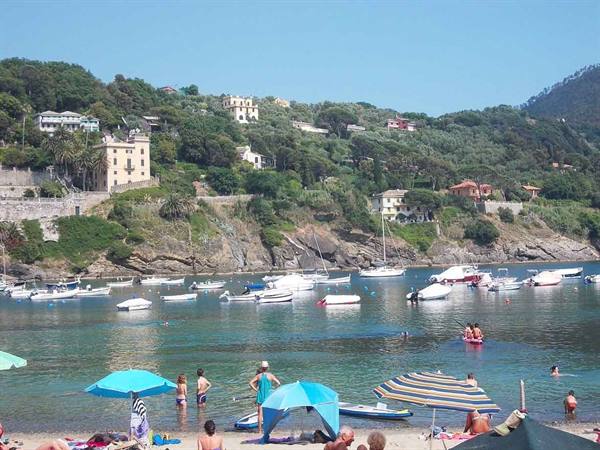
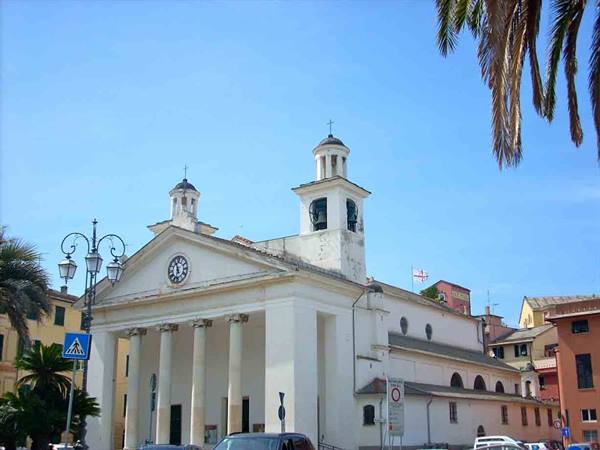
Besides Byron there is also Andersen, who stayed here in 1833 and gave the name Bay of Fairy Tales to the town's other bay, where today the tourist harbour is located. The two bays are separated from each other by a thin isthmus, that is a strip of land washed by the sea on both sides. The historic centre of the town "of the two seas" has also inspired various other artists: a famous song by Roberto Vecchioni is dedicated to Sestri Levante, and several music videos have been shot here, including that of "Megu Megùn" by Fabrizio De André, starring Claudio Bisio. Immersing ourselves in these wonderful artistic atmospheres, we also visit some of the many beautiful churches, including the very central basilica of Santa Maria di Nazareth, built in the 17th century, which also preserves inside a wooden Pietà by Anton Maria Maragliano.
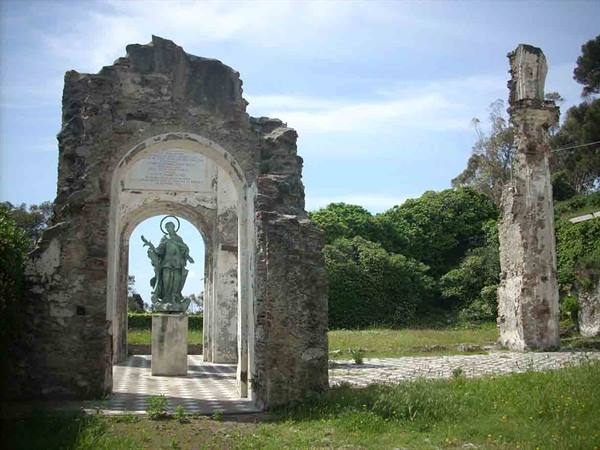
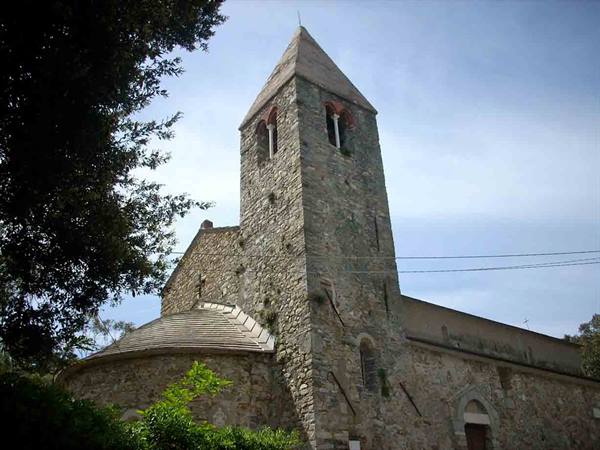
Until the 17th century, however, the parish church was the very ancient church of San Nicolò dell'Isola, built in 1151 in Romanesque style. Climbing up towards the promontory of Sestri we discover the remains of the oratory of Santa Caterina, built in 1578 and devastated during the bombing of the Second World War. Like all the seaside resorts, Sestri too had had to deal in the distant past with Saracen raids and other attacks. So in 1145 the Republic of Genoa erected a fortress near the promontory, rebuilt in the 15th century, but demolished at the beginning of the 20th century. Our longing for the sea leads us to visit one of the oldest hamlets of Sestri, Riva Trigoso, also the site of an important shipyard. According to legend, Riva and Trigoso were two lovers, whose story was broken by the terrible pirates who wanted to abduct the beautiful Riva.
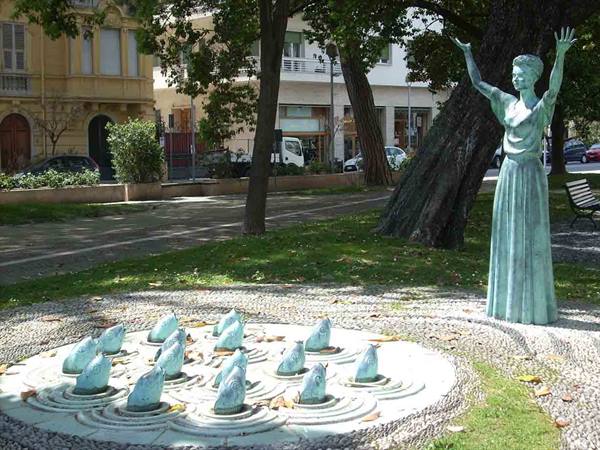
Both young people died, but their love continued in heaven, and by divine intervention the pirates' ship lost some large chests full of gold that fell into the sea where today there is the Bay of Gold. The angels who descended from heaven placed, at the point where Riva had died, the great rock of the Asseu, and the pebbles began a song of love.
The journey's photographs
7 photographs · click to open them full screen
0 reader comments