Tripscoop›Europe›ITALY›The Charm of an Old Village on the Riviera dei Fiori: A Weekend in Imperia - Part I
ITALY · Europe
The story
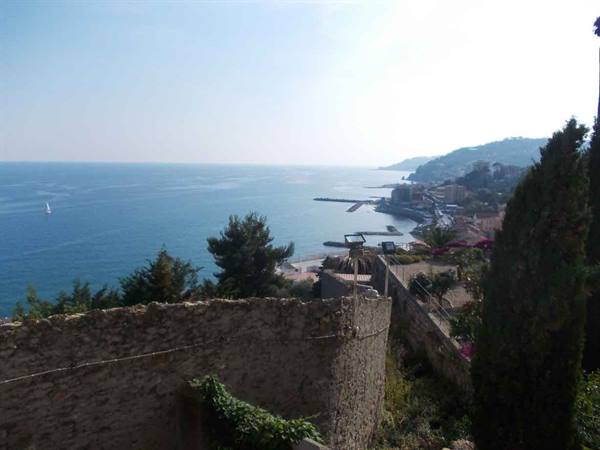
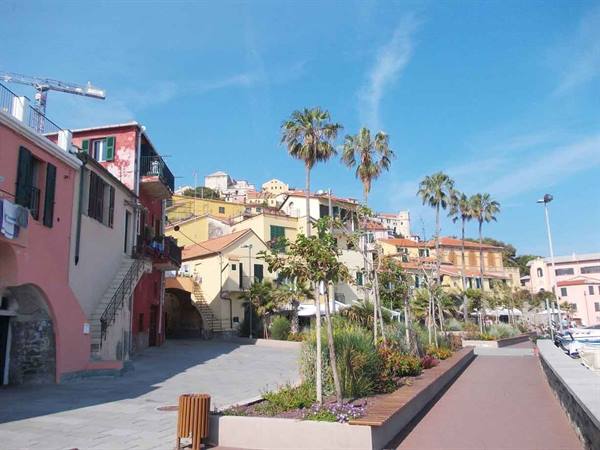
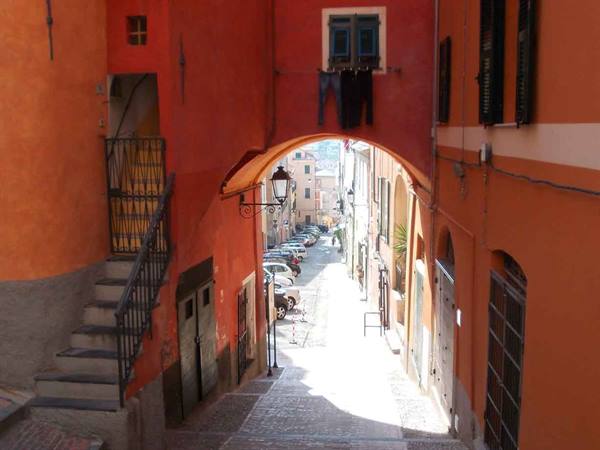
Visiting two towns in one, both immersed in flowers and in the pastel green of the olive groves and with a view over an endless blue sea, getting lost among colourful carruggi where once, besides the characteristic connecting arches, there was even an intricate network of hanging streets, recognising the typical lateen sail shape of the galleys in a triangular rock emerging from the water of the beach called della Galeazza, admiring in a single sculpture all those men who had the courage to defy the storms of Cape Horn and discovering the building where the mules were lodged on the first floor: to have all these and other unusual and pleasant experiences you have to go to Imperia.
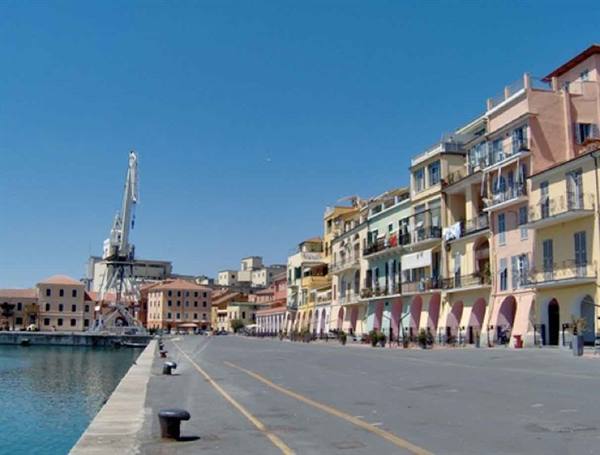
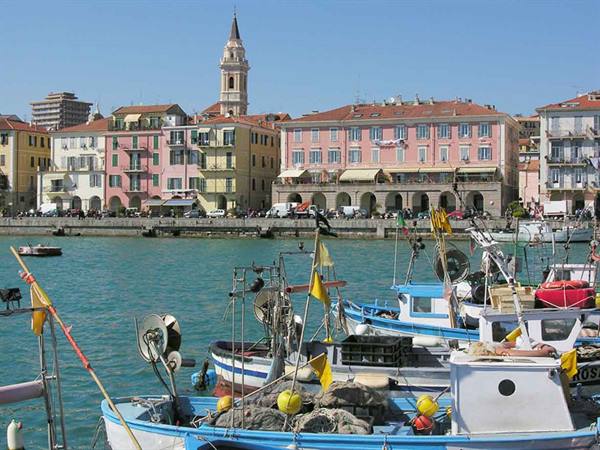
Born in 1923 from the merging of Oneglia and Porto Maurizio, the towns located on the two banks of the Impero stream, together with nine other smaller villages, today Imperia is one of the largest towns of the Riviera dei Fiori, which runs from Andora to the French border, passing through Sanremo. Our walk begins on the seafront of Oneglia, Ineja in the local language, where the delicate colours of the old arcade blend with the blue of the sea, the wide spaces make you dream, and you just have to close your eyes to imagine, in place of the boats moored in the port, the immense sailing ships that until a few centuries ago ploughed these seas and that every two years return to the Imperia coast on the occasion of the Vele d'Epoca event.
In the historic centre with its Piedmontese-style architecture we admire several wonderful palaces as well as the Collegiate Church of San Giovanni Battista, built between 1739 and 1759 by the Oneglia-born architect Gaetano Amoretti on the site of a previous church. That these places, today a destination for tourists from all over the world, had not always been so peaceful, is recalled by three cannonballs walled into the external wall of the apse, coming from the bombardment by the French revolutionary fleet that took place in 1792. About fifty years later, again here, a child was born who as an adult would become much loved by all children: Edmondo De Amicis, author of the book Cuore, to whom the square that at the time was called piazza Vittorio Emanuele I is now dedicated.
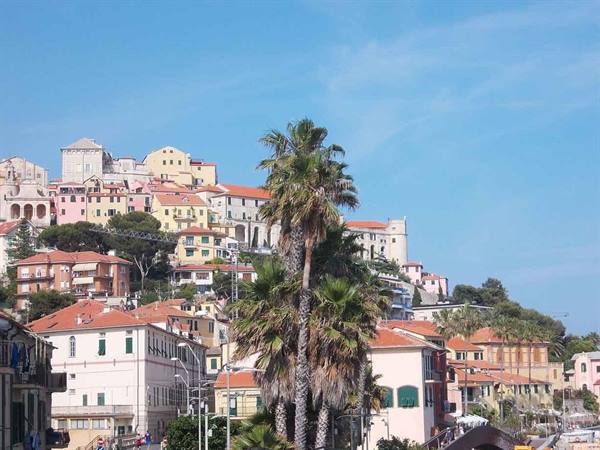
If De Amicis's family moved to Piedmont when the future writer was only two years old, another artist, the famous Swiss circus performer Grock, instead chose Imperia to rest and to spend his last years of life. At his home, Villa Grock, the Clown Museum is now located and it is the venue of cultural events. From Oneglia, also famous for its pasta and olive oil industry, we move on to Porto Maurizio, the nucleus with the most ancient and characteristic charm, perched on a suggestive promontory. Its historic centre, the so-called Parasio, takes its name from Palatium, an ancient square tower in whose place there is now a tree-lined square. Walking around the characteristic little streets, once propped up by the workshops of the masters of ancient crafts now long gone, we discover that Imperia is not only a town of sailors, but also of saints.
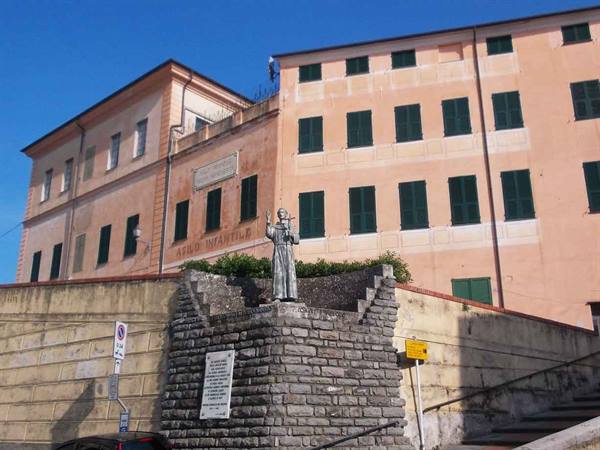
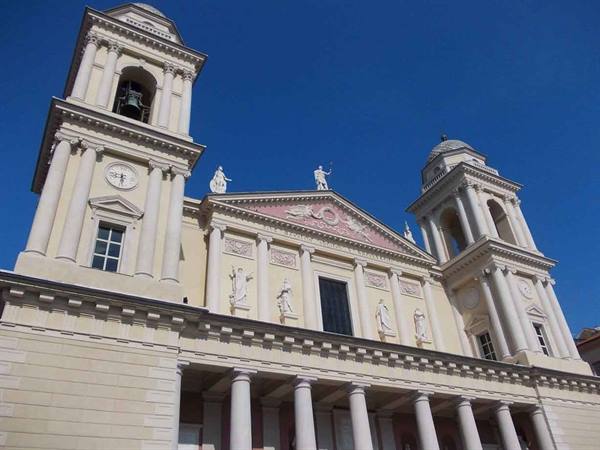
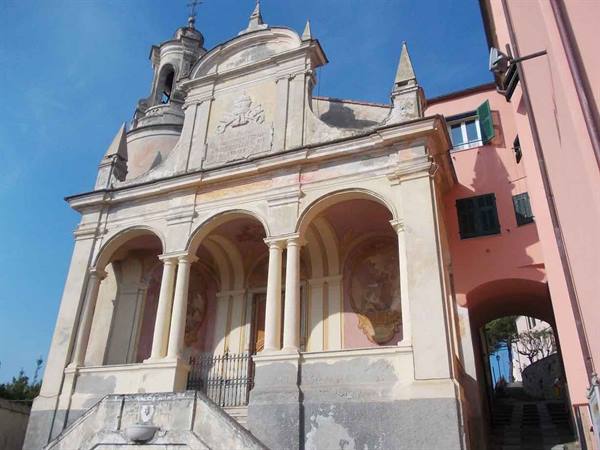
Not only because it boasts three patron saints, but also because in 1676 it gave birth to Saint Leonard of Porto Maurizio, whose statue stands near the Cathedral, exactly at the point where, from the walls of the Parasio, the religious preached to the crowd of faithful who had come for the mission he held in 1743. The construction of the imposing basilica of San Maurizio — the largest church in Liguria — was foretold precisely on that occasion by Saint Leonard and was begun in 1781. Inside the majestic religious building we can also admire the valuable pictorial depictions of the life of Saint Leonard by Leonardo Massabò, the main painter of the basilica, who was also from Porto Maurizio. Continuing our walk through the grid of colourful little streets, we reach the oldest building in Imperia, the oratory of San Pietro, which dates back to the 12th-13th centuries.
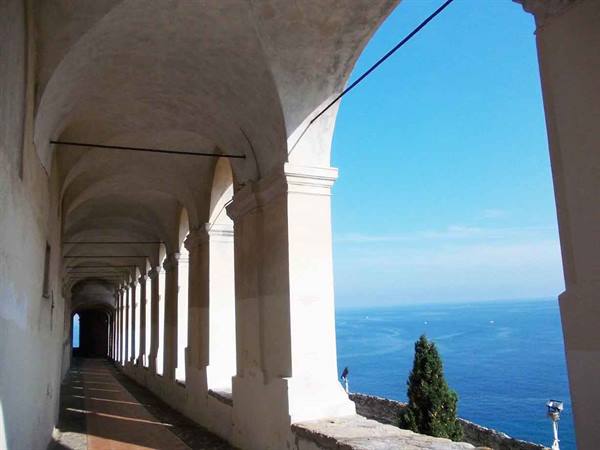
The charm of the church, built on the site of a sacellum, that is an ancient Roman place of worship, takes us back to the times when the building was the hub of the social and economic life of the village: inside it, in fact, besides religious functions, the meetings and the political and financial activities of the Merchants' Company also took place. A few steps from this church once enlivened by lively discussions are the Logge di Santa Chiara, whose white arches that filter the view over an incredibly blue sea still represent a beautiful place of peace and recollection.
The journey's photographs
10 photographs · click to open them full screen
0 reader comments