Tripscoop›Europe›ITALY›So Incredible, So Enchanting: a Paradise on Earth Called La Francesca – Part II
ITALY · Europe
The story
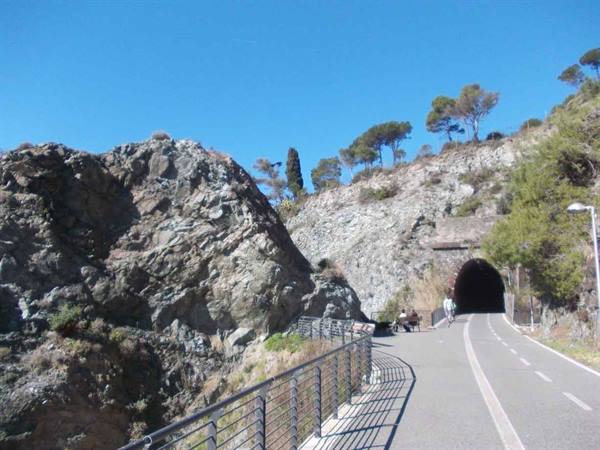
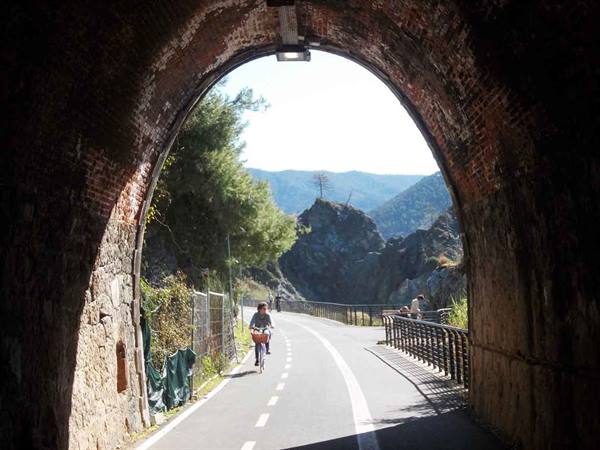
If we decided to tread in the footsteps of the pilgrims, we do so in the concrete sense of the word too, walking. Both the territory of La Francesca and the surrounding area offer numerous opportunities for trekking lovers, and we choose one of the most famous and suggestive routes: the cycle and pedestrian path built on the route of the old coastal railway that passes through the ancient tunnels between Levanto and Framura, crossing Bonassola.
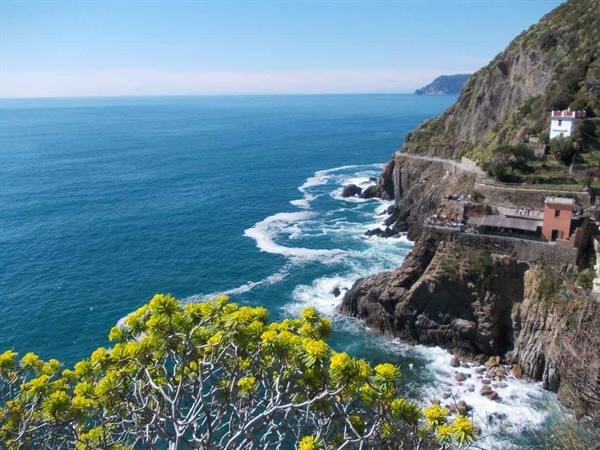
The tunnels have been restored and lit, and along the way it is possible to admire the finest views thanks to special openings and balconies, as well as to reach hidden beaches and coves otherwise reachable only by sea.
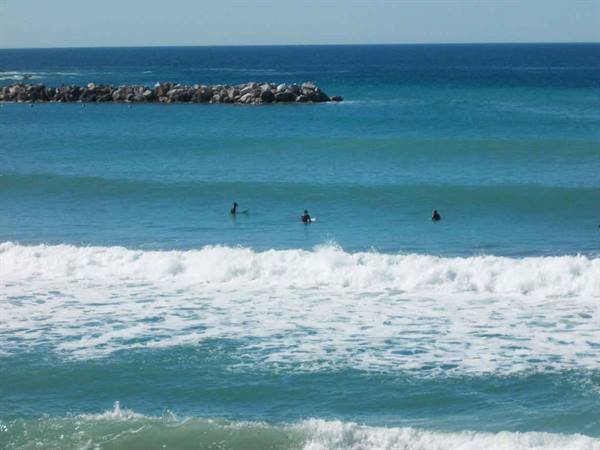
The sea of this area is not loved only by tourists seeking calm and relaxation. Thanks to the features of the seabed, it is capable of producing spectacular storms that make Bonassola, together with Levanto, one of surfers' favourite destinations. For the less daring, "wave watching" days are organised instead, to admire and photograph the big waves in complete safety.
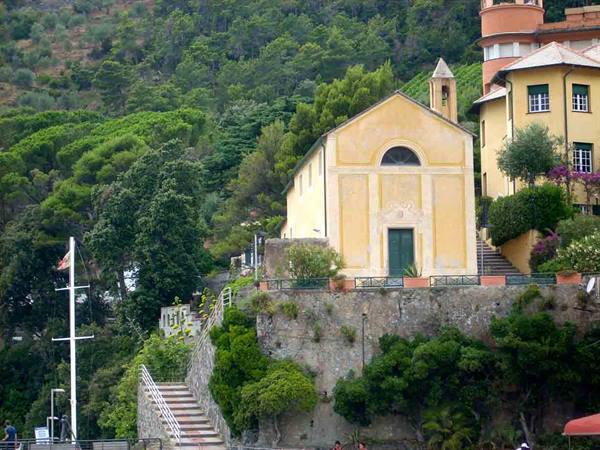
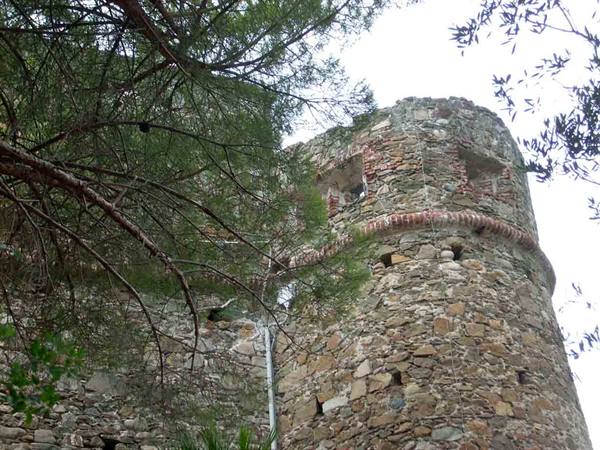
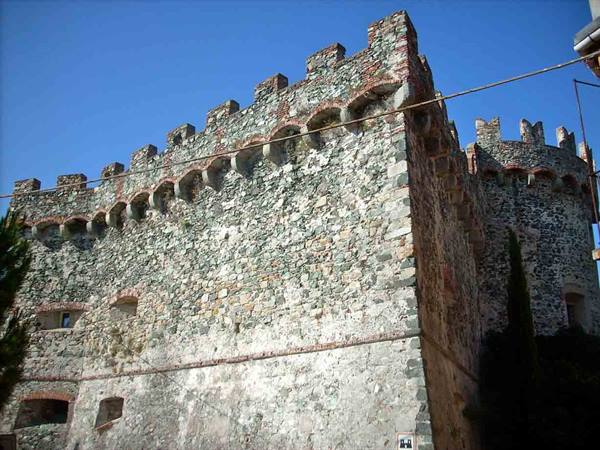
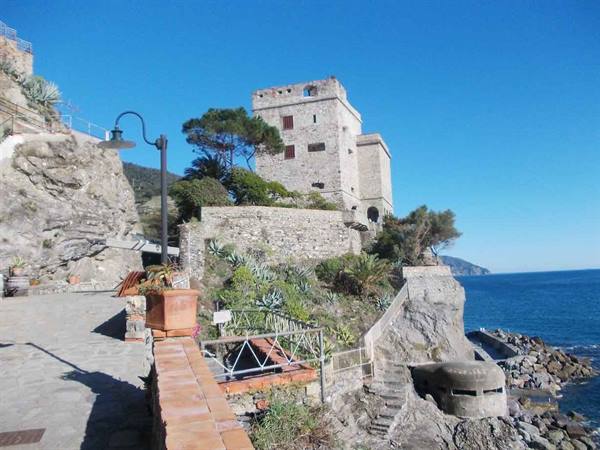
Our seaside walk also includes stretches of urban trekking through the characteristic streets of Bonassola and Levanto. We thus discover the oratory of Sant'Erasmo, built on the rocks overlooking the beach of Bonassola, where in 1569 the first Italian civil welfare fund was established, its purpose being to finance the ransoming of the people of Bonassola taken prisoner by Turkish pirates. The ruins of a 16th-century defensive tower that ended up being used in the building of the bell tower of the church of San Giorgio, as well as the imposing castle built in 1561 and fitted with two suggestive round towers, are other important pieces of the history of this stretch of sea.
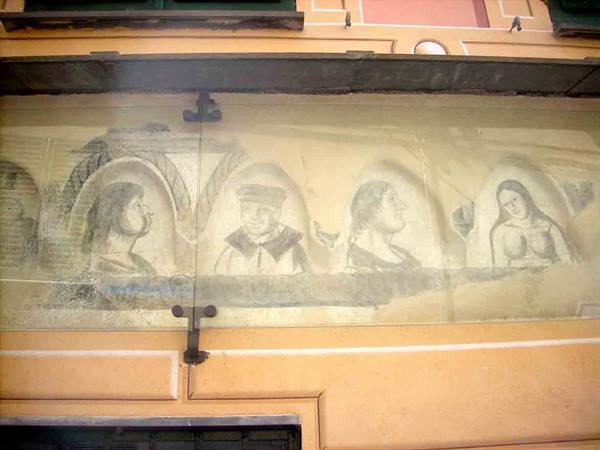
A history made by people, at times even a little odd, like the individuals immortalised in the ancient "Grottesche", the portraits of the patrons of a 13th-century inn set into the walls of the historic centre of Levanto. Some of those gentlemen with slightly unsettling faces perhaps worked at the port and every day saw the galleys come and go while merchants loaded their mules with salt, a precious commodity coming from the saltworks of Levanto, and set off to reach the Po Valley along the mule tracks, the "creuza de ma" immortalised in Fabrizio de André's song.
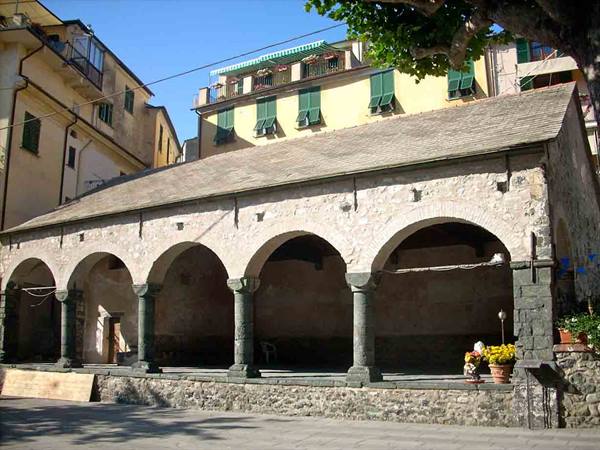
Certain expressions in the Grottesche also make you imagine that those gentlemen knew well the mysterious underground passages that, so they say, branched out from the castle, linking the ancient manor with the church of the Santissima Annunziata, with the convent and with the beach. Small and large secrets of which traces may even be found in the municipal archive, which until the 1700s was housed in the 13th-century Loggia that originally stood at the centre of the town's commercial life, but later, for a period, was even buried by the debris carried down by the streams.
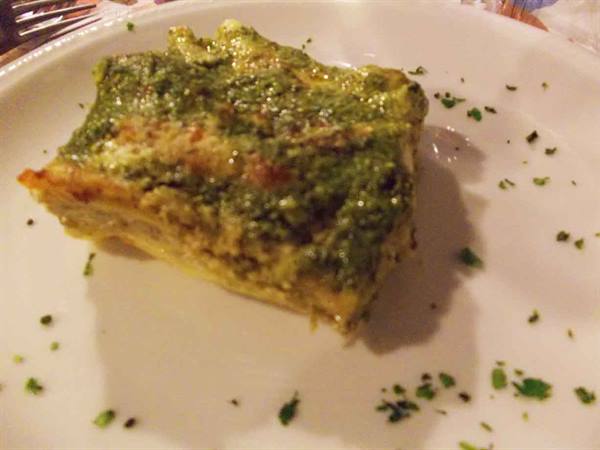
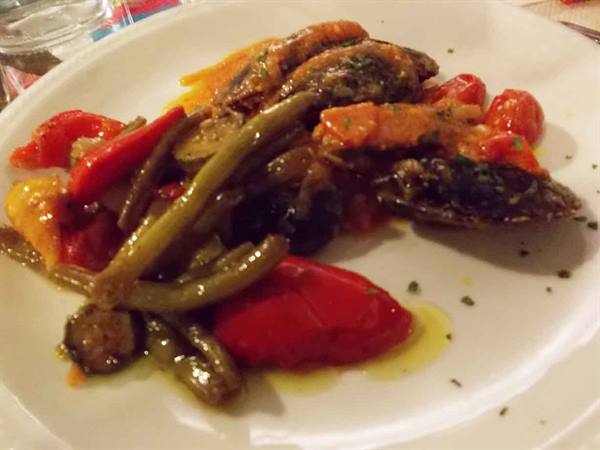
We return to La Francesca walking back along the road of the tunnels, admiring the lights of the sunset beginning to wrap around the cliffs. A path deep in flowers leads us to the Ristorante Rosadimare, where the journey among scents and colours continues at the table thanks to delicious dishes such as lasagne al pesto, the ombrina with leeks or stuffed mussels with sweet-and-sour vegetables. After dinner a healthy walk takes us back to our house, where you need only open the window to hear the ceaseless music of the sea and breathe the pristine air, laden with salt.
So as not to risk ending up like the legendary lovers, prince Monterosso and princess Riomaggiore, who, given the difficult journey that in their time was needed to get from one village to another, managed to meet halfway only when they were already very old, we decide to discover the Cinque Terre by train. We use a handy ticket that from Levanto lets us reach the five villages in any order over the course of the day, and although we do not walk the famous Via dell'Amore, our outing still leads us to fall in love with these splendid places. From Monterosso we admire Punta Mesco, the promontory that closes the gulf, on whose summit stands the ancient and mysterious abandoned lighthouse known as the "Semaforo".
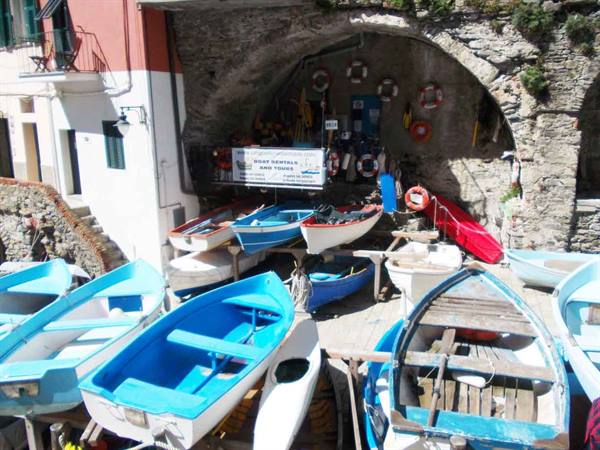
At Riomaggiore and Manarola we lose ourselves in the kaleidoscope of the colourful little houses clinging to the rock, looking out over a boundless sea. When, near an old boat shed, we stop to eat fried anchovies in a paper cone, we think of the women of Monterosso who, many years ago, were the first to begin selling their salted anchovies in the neighbouring villages, at the time reachable almost exclusively by sea.
Selling the "bread of the sea", that is, anchovies, in villages where they were fished just the same, and turning that product into an excellence that is still undisputed; building brightly coloured villages on vertiginous heights where perhaps not even ibex dared to venture; saving a vast territory from concreting by turning an inhospitable jungle into a paradise on earth like La Francesca: all daring feats that distinguish these places, inhabited by people who have always believed in the impossible and, by dint of believing, have also managed to achieve it.
Francesca Bertha
FOR INFORMATION: Villaggio La Francesca 19011 Bonassola (SP)
#meetLFR #lafrancescaresort
The journey's photographs
15 photographs · click to open them full screen
0 reader comments