Tripscoop›Europe›ITALY›Dining with Donizetti, Tasso and Pope John XXIII: a Weekend in Bergamo – Part II
ITALY · Europe
The story
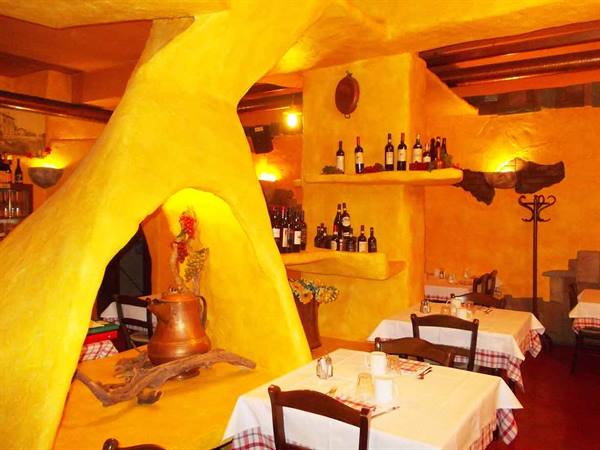
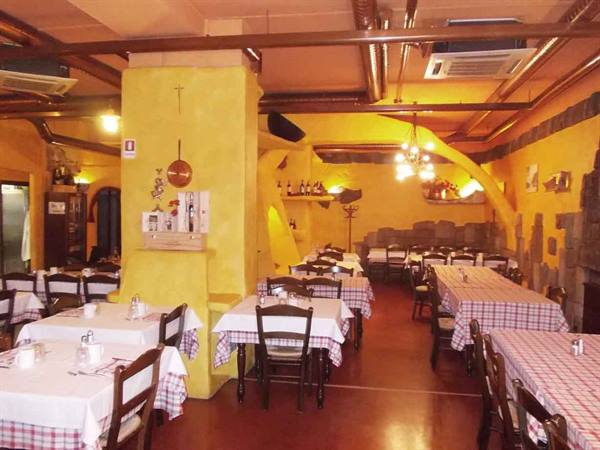
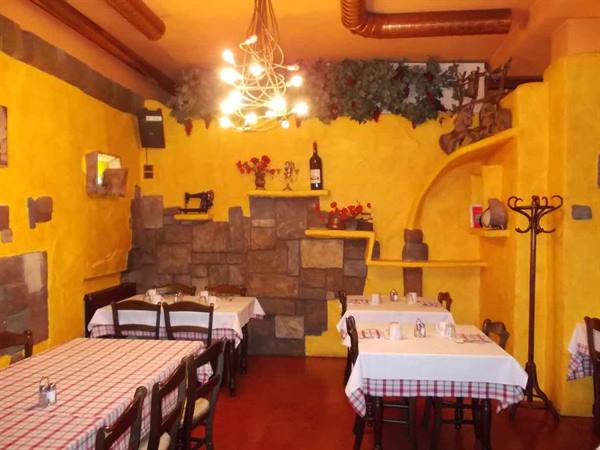
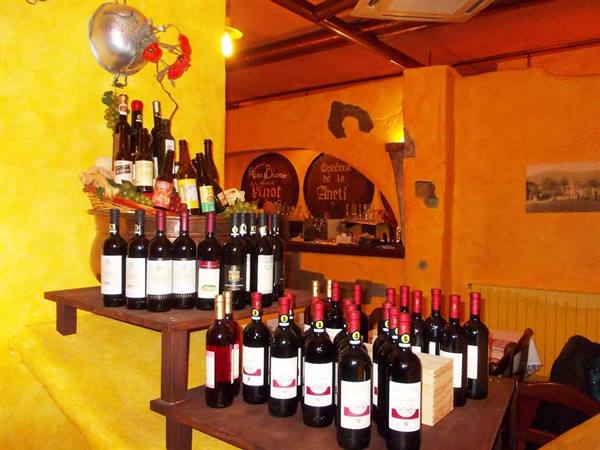
After this lovely walk, we decide to stop for dinner at one of the city's most typical restaurants, the Osteria dè L'Anetì, on via Pinamonte da Brembate, in the Città Bassa. We have no trouble parking, being able to take advantage of a space reserved for the osteria's customers in the adjoining supermarket. The place is certainly the most Bergamasque spot there is in the city: not only because you eat traditional dishes, chosen from a menu written in Bergamasque and translated into Italian, but also because everything we see or use here comes from the territory. Not only the food, but also the furnishings, and even the gas that heated the pots in which our dinner was cooked.
"This choice lies at the base of our philosophy. For us, choosing Bergamasque firms for every need is a way of giving value to the territory. We work with those who give us work. We want people to breathe as much Bergamasque as possible here, and then concepts like zero-mile and short supply chain come naturally," explains Mr Angelo, who runs the osteria with his sisters Silvia and Irene and their friend Paolo.
The osteria's kitchen, open since 2001, is inspired by tradition, but always with an eye on the novelties the territory offers, with the intention of making certain little gems known not only to people from outside, but also to the people of Bergamo themselves. "When we were little, it was natural for us to see our mothers and aunts cooking with the products of the land. These memories inspire us too, and when we offer typical dishes of our territory that by now people no longer have time to prepare at home, they eat them very gladly and come back specifically for those dishes they could not find elsewhere," Angelo confides as we begin to taste the starters.
The setting is warm, family-friendly and convivial, where, besides a good quality-price ratio, you also notice the great humanity and care with which less fortunate people are treated, starting with the convenience of the spaces in which even a wheelchair user can move easily. Visually impaired people can also feel at ease thanks to the menu written in Braille, but children and the elderly are pampered too.
We begin by tasting a rich variety of local cured meats, including the crudo bergamasco of Ardesio, the bresaola of Val Taleggio, the local salame, the lardo and the seasoned lonzetta, plus a few slices of game prosciutto, all accompanied by the giardiniera made at home according to mamma Angelica's recipe. We continue with polenta and pica sö, a typical dish of poor cuisine whose name comes from the fact that, to flavour the polenta, people once used to "tap" a piece of smoked herring over it.
We also taste the salted meat with onions and the so-called Expo of typical cheeses: taleggio, strachitunt, branzi and mountain cheese plus the goat stracchino, dressed with Bergamo balsamic vinegar. Nor does our vegetarian friend go hungry: she enjoys an excellent vegetable flan and a tasty minestrone with added Bergamasque extra-virgin oil.
The search for local products naturally includes the flours, produced by the area's mills: the Molino Innocenti and the Molino Nicoli. The fresh pasta first courses are made with these high-quality flours, and so we can enjoy exquisite casoncelli, ravioli with polenta and taleggio, and scarpinocc, the typical ravioli of the Upper Seriana Valley, filled with a lean filling. We also very much like the gnocchi de l'Anetì, the true flagship of the place, but we cannot resist either the risotto alla bergamasca, moistened with Valcalepio, with cooked salami paste and bitter herbs.
We wash down these treats with excellent wines strictly from the territory, from small estates. "The smaller they are, the more passionately they work," is Angelo's philosophy, which we have no trouble sharing, and it holds too for the producers of Bergamasque craft beers, also very good.
We go on, ranging across a wide choice of meat main courses, with yellow polenta or taragna polenta — made with cheeses and with a prevalence of buckwheat — as the common thread. We taste the roast rabbit, the stew, the boned stuffed quails, the wild boar, the stewed frogs and the trifolata snails, while our "differently carnivorous" friends delight in grilled cheeses, trifolata mushrooms and the tomino with grilled vegetables.
We can also choose among several themed dishes, such as, for example, the farmer's dish with gorgonzola, yellow polenta and salame; the Piero dish (another signature dish) with melted cheese, taragna polenta and sausage; or the Piàt del Giopì, with taleggio, salame, sausage and cotechino with polenta. The king, or rather the pope, of these dishes is the much-requested Piàt del Papa Gioanì, dedicated to Pope John XXIII, a native of the city, of whom it is told that as a boy he often ate cold polenta with taleggio and tomatoes, the ingredients that today make up the dish created in his memory. We also very much like the grilled meats with polenta and pucì, that is, the sauce, or with polenta and strinù, meaning cooked salami paste poured over the polenta.
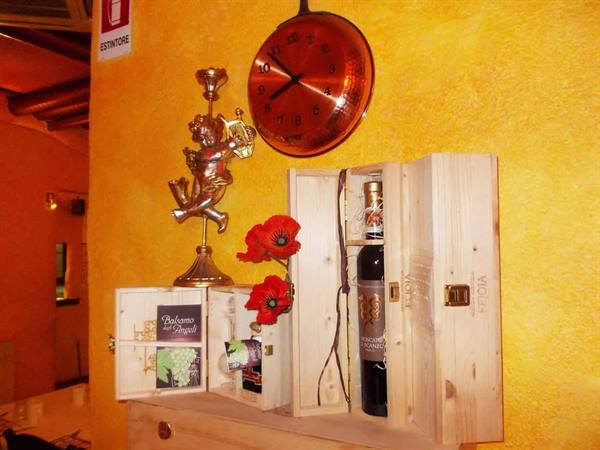
We conclude this pantagruelian dinner by giving in to the sweet temptations of the homemade desserts, with the one particular exception of the polenta-and-milk ice cream from the Gelateria Pan di Zucchero. Sweetening the moments before our farewell to this lovely day are tasty apple and pear cakes, as well as tiramisù, crème caramel and panna cotta, embellished with a tasty Moscato di Scanzo and an extra brut "degli angeli" (gold medal Vinitaly 2014).
Our Bergamasque holiday does not end here, though: we spend the night at the Bed and Breakfast Al Grattacielo in nearby Alzano Lombardo, which tomorrow will be our starting point for a lovely outing in the Parco dei Colli di Bergamo and the Val Taleggio.
Francesca Bertha
FOR INFORMATION:
Osteria dè L'Anetì Via Pinamonte da Brembate, 10 Bergamo 035/214015
The journey's photographs
7 photographs · click to open them full screen
0 reader comments