Tripscoop›Europe›ITALY›A Fairy-Tale Weekend at a Farm Stay in the Ligurian Hinterland: an Outing to Sassello – Part I
ITALY · Europe
The story
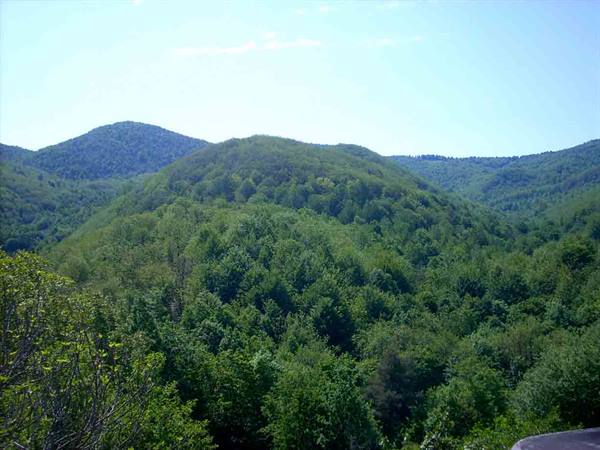
Between the western Genoese hinterland and the hills of the Upper Monferrato stretches a fabulous territory, covered by thick woods where exquisite mushrooms grow, where you can take long walks along the trails winding through the Beigua Regional Nature Park, and where brightly coloured villages tell the story of a territory that may go back to the Palaeolithic. The prestigious tourist-environmental quality mark of the Touring Club's Orange Flags was born right here, and Sassello was the first Italian locality to be awarded it.
Introducing us to the beauties of Sassello's unspoilt nature is none other than a young roe deer, shy but curious, crossing the road in front of us. Once in the village, the locals tell us that spotting animals, including hares, martens and various rare birds, is the order of the day here.
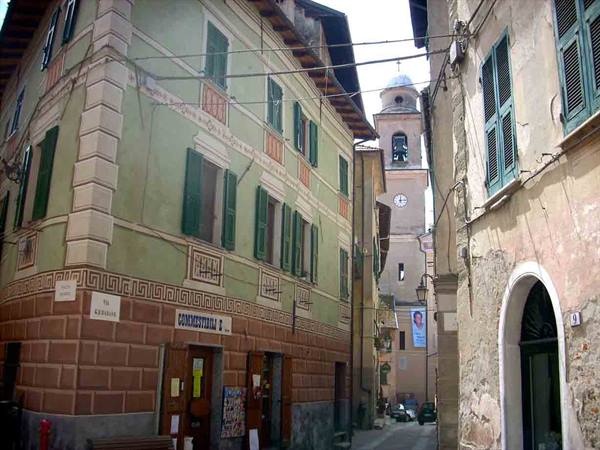
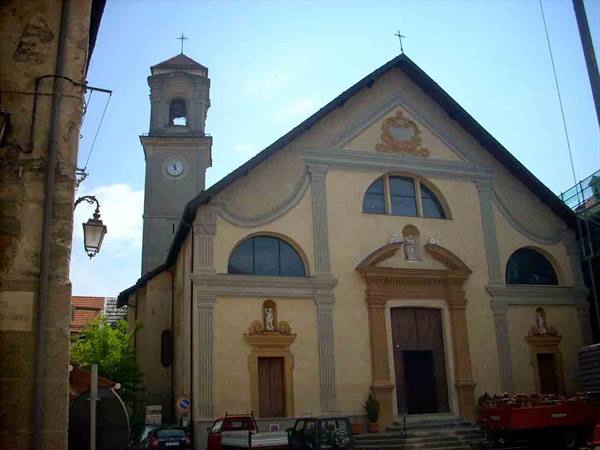
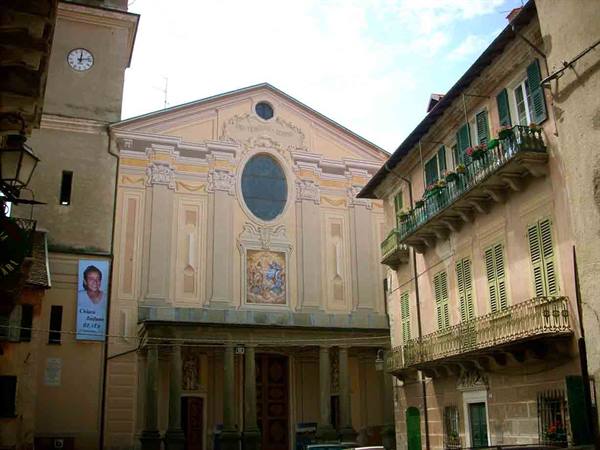
We begin our walk from the historic centre, admiring the religious buildings set among the typically Ligurian little streets. We visit the church of the Santissima Trinità, consecrated in 1725, where a fresco by Paolo Gerolamo Brusco lets us discover the important ironworking tradition of the village, which probably dates back to the 1300s, the period when the Pizzorno introduced the first ironworks. The artist, indeed, depicted the Apostles modelling them on the likenesses of eleven bearded ironworkers, thus immortalising the craftsmen who for centuries made the industrial history of Sassello.
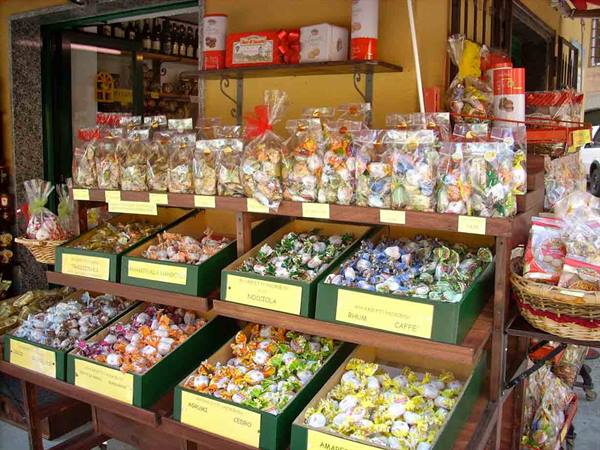
The village's first place of worship was, instead, the church of San Giovanni Battista, erected in the 11th century. Inside there is also a statue by Anton Maria Maragliano. In the centre we also visit the 16th-century Basilica dell'Immacolata Concezione, once attached to a convent of Friars Minor. Besides the Ligurian colours of the buildings, the centre of Sassello also delights us with the colours of its tasty amaretti, the soft almond-paste biscuit, available in a great many flavours.
To discover another piece of history we climb to the fortress of Bastia Soprana, erected towards the middle of the 1200s in a dominant position on a knoll not far from the centre. Today few ruins of the castle remain, along with the round tower. After the manor was destroyed, another was built, Bastia Sottana, of which various spaces have been saved, including stretches of wall. The charm of the past strikes us also during the visit to the precious collections of the Museo Perrando, which preserves many fossil finds, prehistoric objects and medieval tools, as well as ceramics and period furniture.
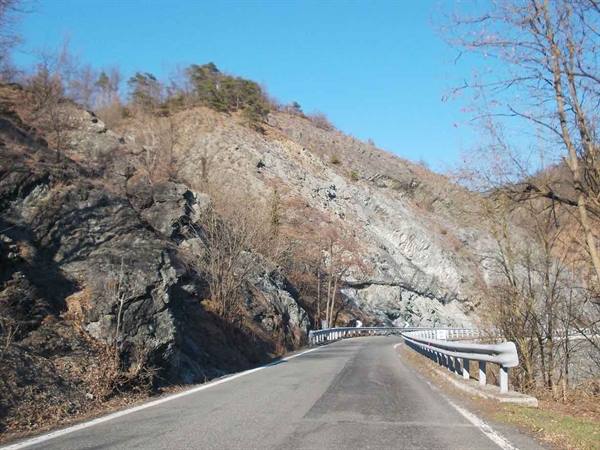
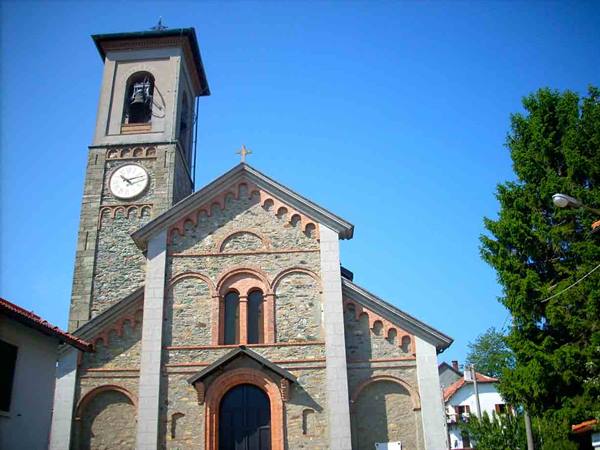
In Sassello, even the hamlets, reachable by driving a few kilometres of road flanked by woods and meadows, offer great emotions not only for their natural beauties, but also for the historic and artistic ones linked to the spiritual life of the village. The church of San Bernardo Abate di Palo is mentioned in documents as far back as 1577, while along the road leading to Urbe is the chapel of the Madonna del Foresto, also called the chapel of the Bei Bailà. It was built by a woodcutter miraculously saved by the Madonna. One day, while he was felling a tree, the man was seriously injured and feared he would bleed to death. So the woodcutter, who was also a skilled dancer, as the term "bei bailà" recalls, began to invoke the Madonna, who saved him.
Sassello has also given birth to a blessed, Chiara Luce Badano, whose miraculous story of faith took place in very recent times. The girl, born in 1971 and dead at only eighteen, belonged to the Focolare movement, and her name is linked to the miraculous healing of a young man from Trieste.
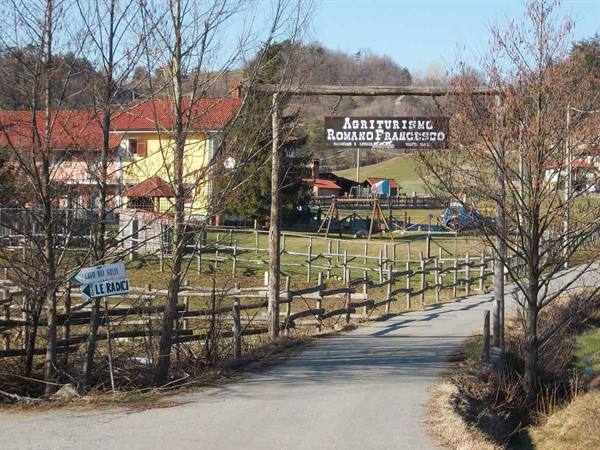
Our outing to Sassello continues in the Albergare hamlet, just a kilometre and a half from the centre, where we easily reach the Agriturismo Romano Francesco. The place is an oasis of peace in a hollow surrounded by the woods of the Beigua Nature Park, and thanks to the many activities it offers for young and old, from the educational farm to horse trekking, it is the ideal destination for a regenerating holiday with family or friends.
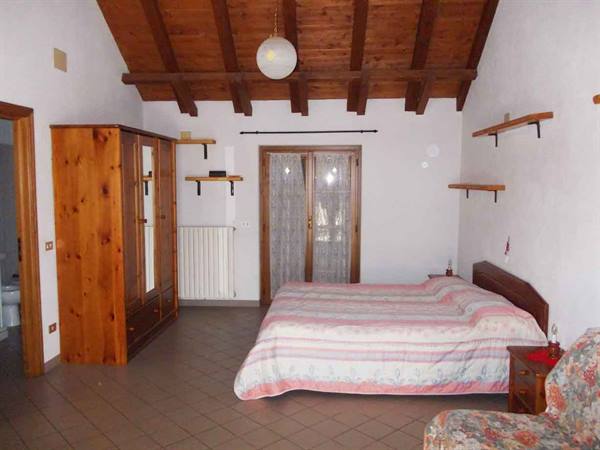
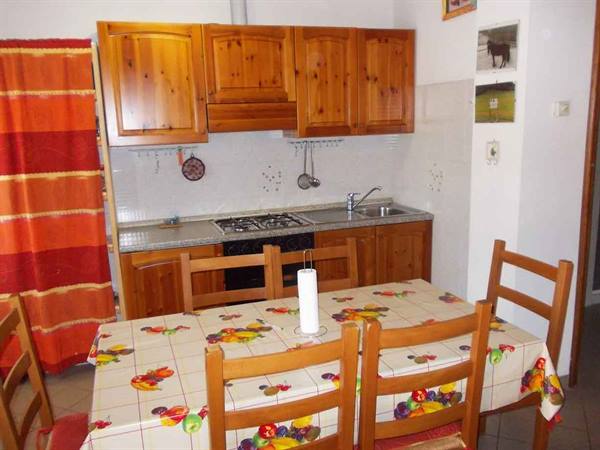
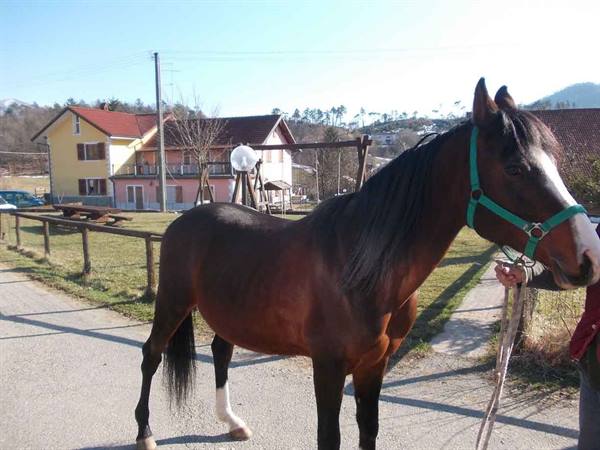
When we arrive, we are greeted by a handsome dark horse accompanied by a gentleman who had taken it for a walk along the surrounding trails: they immediately make you want to jump into the saddle. But first we settle into our lodgings, taking two of the five little apartments, to which a romantic rustic house detached from the farm's main buildings is also added. Our apartment is spacious and lovely, furnished with simple, pleasant taste, in keeping with the bucolic style of the place, and it also has a handy kitchen, as well as a separate bathroom with shower. After freshening up, we go to discover the estate, and our kind and helpful guide is none other than the owner, Mr Francesco Romano, who today runs the farm with his children Simone and Federico and his sister Antonietta.
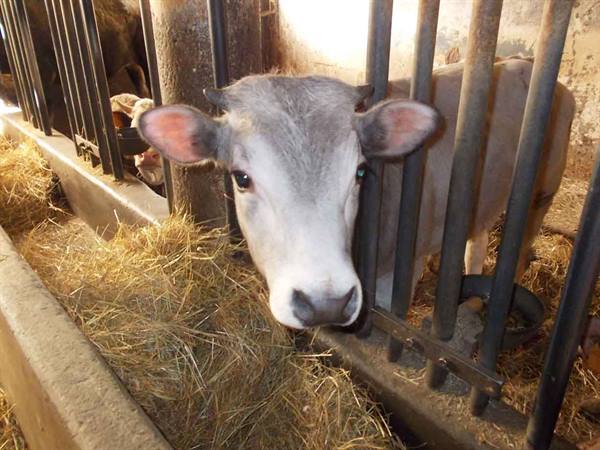
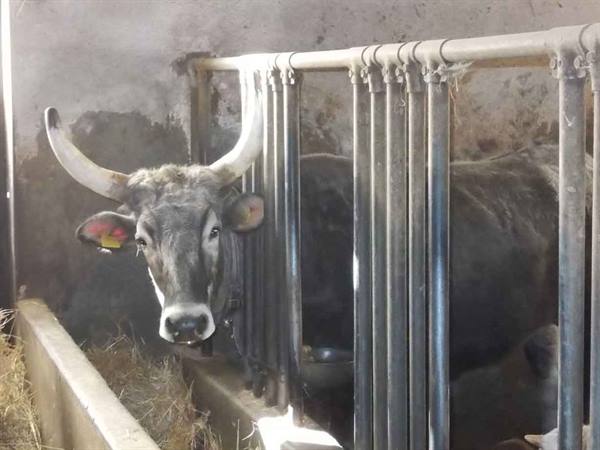
"This farm was born in 1899 thanks to my grandfather Pietro, who, first as a sharecropper, then as a tenant farmer and finally as a direct cultivator, had begun to build it up step by step. Since 1997 it has been possible to stay overnight, and since 2003 we also do catering, using our own products directly, from meat to vegetables," Mr Francesco explains as we begin to get to know the other inhabitants of the farm. We soon realise that we humans are the minority here, and that pleases us greatly, as well as amusing the children with us enormously. First we go to see the cattle farm, where the little cowboys learn to tell the different breeds apart, none of which is purple. We get to know a massive stallion, a fine Podolica specimen, several cows with gentle expressions and even two very sweet calves.
The journey's photographs
14 photographs · click to open them full screen
0 reader comments