The story
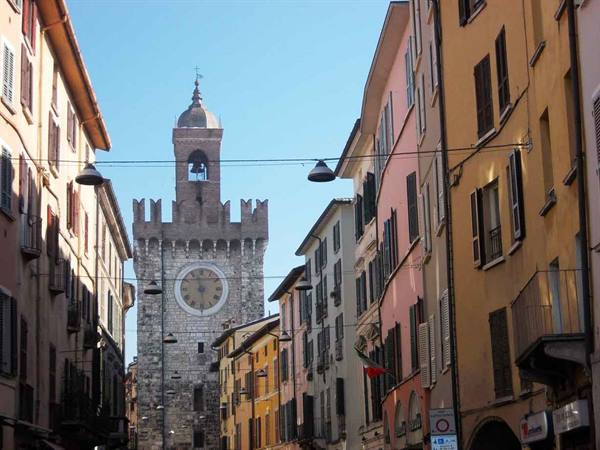
What were the places of Lombard power like? Why was Ermengarda, Desiderio's daughter, sad? What do the talking statues say? What has the lioness of Italy to do with the dog's tomb? These are just some of the curious questions we found answers to by visiting Brescia, the second most populous city in Lombardy and certainly one of the richest in artistic treasures. UNESCO bears witness to this too, having declared many monumental areas of the centre a World Heritage Site, now part of the site 'The Longobards in Italy: Places of Power'. Our walk starts from the traces of the Roman era, when the city was called Brixia. We feel as though we are really in Rome: the Brescia archaeological complex preserves the largest public buildings of the Roman age in northern Italy.
In piazza del Foro, built from the 1st century BC and completed by Vespasian, we admire the remains of the civil basilica, the portico and the Capitolium, in which the three chambers of the altars dedicated to the deities Minerva, Jupiter and Juno are visible. A kind of chessboard carved into the floor makes us imagine the times when the merchants of the shops of the Roman forum passed the time challenging each other to long games among the Corinthian-style columns. Several hundred years later came perhaps the most famous monument of the city: the Monastery of Santa Giulia, founded in 753 by duke Desiderio, future king of the Lombards, and his wife Ansa. The female monastery, whose first abbess was the daughter of the royal couple, Anselperga, owned substantial property and was at the centre of an intense commercial exchange activity.
The convent complex also includes the very ancient basilica of San Salvatore, which preserves numerous precious frescoes. Within the monastery walls the seclusion was veiled with deep sadness when Ermengarda, the other daughter of king Desiderio, took refuge there; her real name is not even known to historians: it was Alessandro Manzoni who baptised her so, narrating her story in his play Adelchi of 1822. The woman, who died at only 22, was the wife of Charlemagne, who repudiated her because she had been unable to give the emperor an heir. It is instead to Giosue Carducci and his ode Alla vittoria that the name Leonessa d'Italia (Lioness of Italy) is due, given to Brescia as a tribute for its valiant resistance against the Austrians during the revolt of the Ten Days in 1849.
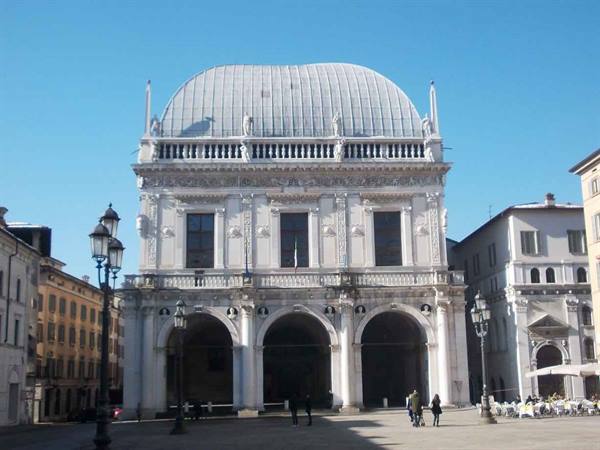
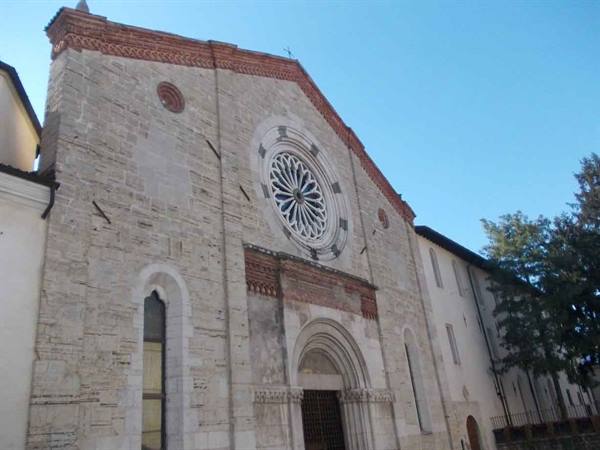
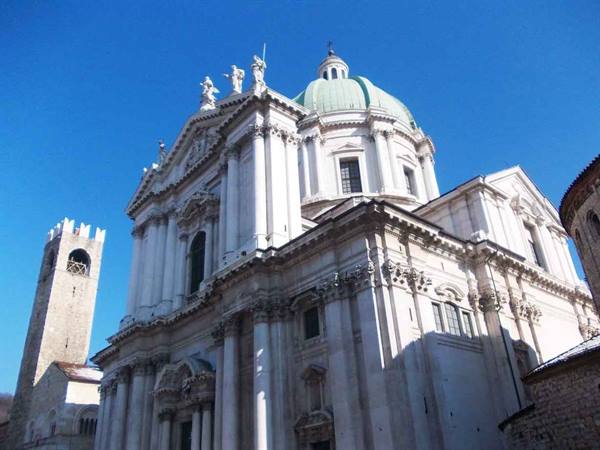
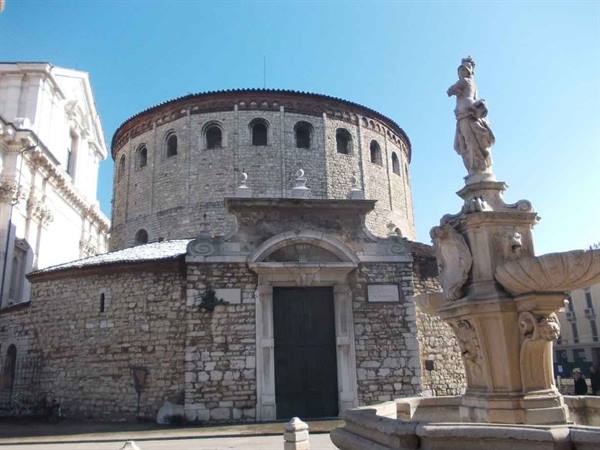
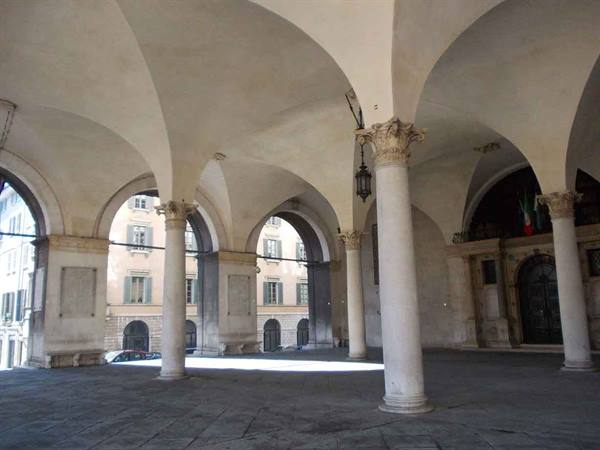
During our walk we also visit the Duomo nuovo and the evocative Duomo vecchio, one of the most important examples of Romanesque rotundas in Italy. After a good tour of the splendid piazza della Loggia we decide to admire the city from above too, from the castle, built in the thirteenth century by the Visconti on an earlier site, and enlarged over the fifteenth and sixteenth centuries. Today the fortress stands in a very large public park and hosts cultural events. Staying up on the heights, it is on the Ronchi hills that you can visit the curious neo-Gothic little temple known as the dog's tomb. Originally the building was meant to hold the remains of two benefactors, but in the end, it is said, only a dog was buried there. Returning to the centre, the discovery of the city continues through the 'words' of some sculptures.
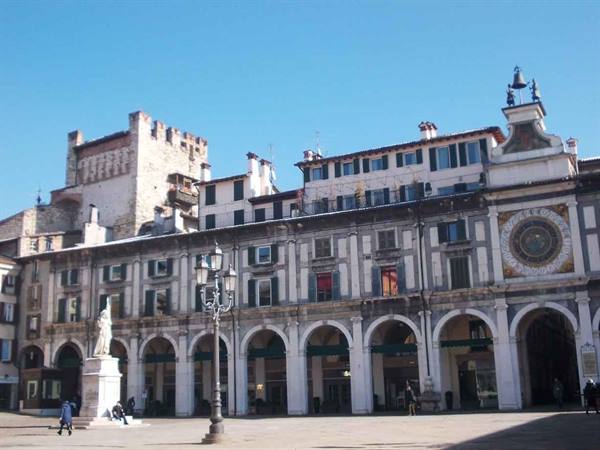
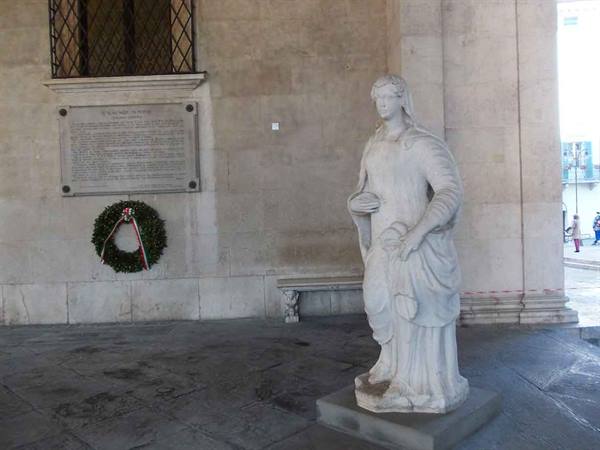
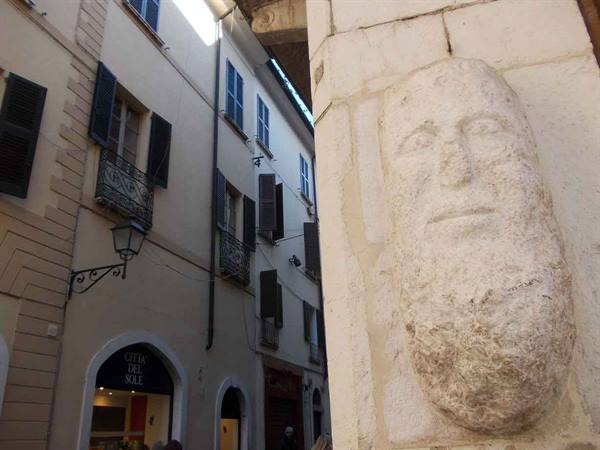
Incredible but true: in Brescia there are talking statues, so called because until the end of the nineteenth century citizens pinned critical messages against the rulers onto them. The best known is the sixteenth-century Lodoiga, located under the portico of the Loggia, to which the 'Macc dele ure', the mechanical figures atop the Clock Tower, and the Montasu dele Cosere, the big noseless face of the Cossere, reply. When in 1311 the emperor Henry VII stormed the Guelph city, he swore to destroy its walls and cut off the noses of the citizens. Thanks to the intervention of the Pontifical Legate and the payment of a heavy ransom, the furious emperor scaled back his ambitions for revenge and contented himself with cutting off the noses of the statues. Poor Montasu was one of the sculptures struck by the imperial disfigurement.
The journey's photographs
10 photographs · click to open them full screen
0 reader comments