The story
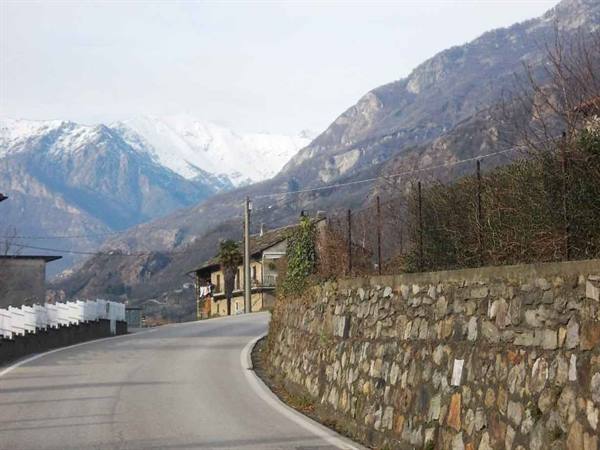
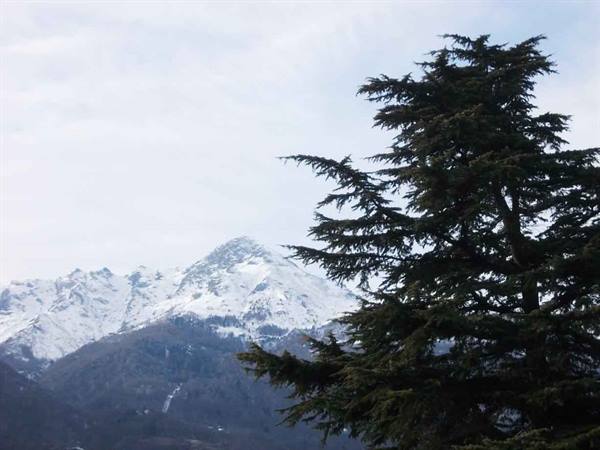
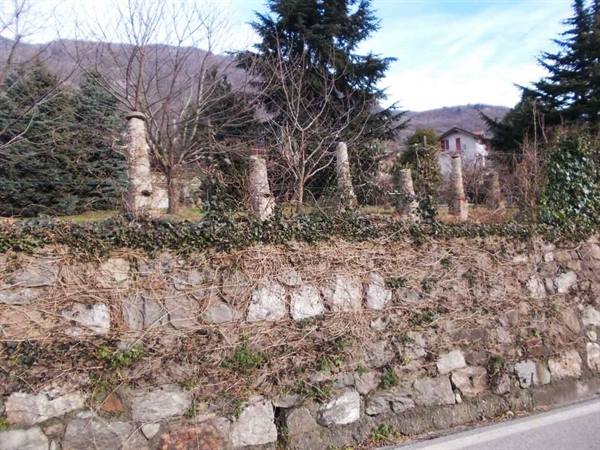
When, setting off from Ivrea towards Aosta, you reach the seventh milestone, 'ad septimum lapidem miliarium' as the original Roman-era wording had it, and against the backdrop of the snowy Alpine mountain ranges you make out the vineyard terraces and the characteristic stone posts that support the pergolas, we can be certain: we have arrived at Settimo Vittone. An important place situated on the Via Francigena, its ancient origins are also attested by the milestone dating from 133-123 BC found in the area and today kept at the Museo Garda in Ivrea. To speak of vineyards at Settimo Vittone does not just mean tempting the palate and treating yourself to moments of pleasure at the table, sipping the red nectar of the steep slopes; it means discovering a world made of monumental cultivation, extraordinary ingenuity and uncommon determination.
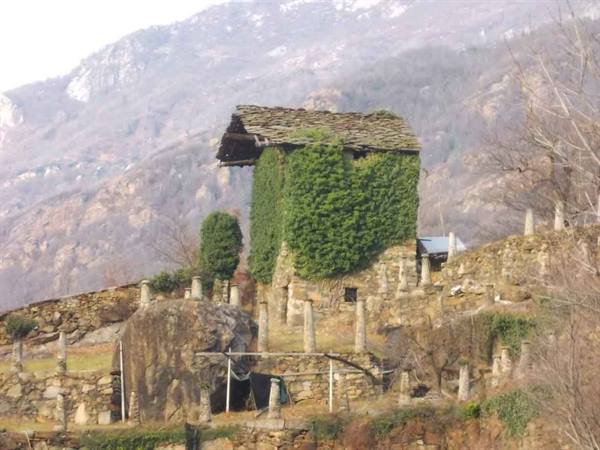
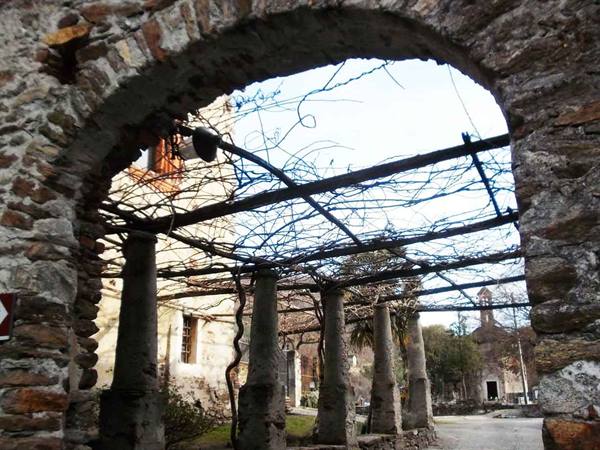
Tending a vineyard is one of the most demanding jobs there is, but doing it here is like practising an extreme sport, so much so that local producers speak of 'mountain and heroic viticulture'. The traditional one of Settimo Vittone is a rare and sustainable wine production whose origins are lost in the Middle Ages. To build the evocative vineyard terraces only local resources are used, such as chestnut for the poles and willows for the ties. The dry-stone walls and the architecture of the pergola supported by the characteristic pillars (called pilun or tupiun), whitewashed with lime that echoes the colour of the snow on the mountain tops, are veritable works of art.
Speaking of extreme sports, the mountain's vertical rock faces are a challenge for climbing enthusiasts too - from children to the most expert athletes - who can train and have fun in the vast equipped area of La Turna, within the Parco Martinelli on the Montestrutto. It is amid this unique and wild landscape that we set off in the footsteps of the pilgrims of old to reach on foot the castle and the famous pieve of San Lorenzo with its Baptistery, a monumental complex listed by the FAI and open to visitors every Sunday afternoon from March to October.
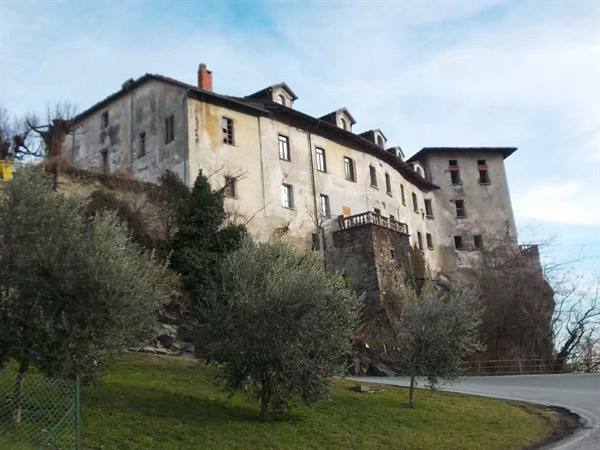
Founded in the ninth century by Attone Anscario, first marquis of Ivrea, who made it his second residence, the castle, erected on an evocative rocky spur, was also the place where Asgarda, queen of France repudiated by her husband Louis II, known as the Stammerer, and sister of Attone Anscario, took refuge, finding comfort in prayer and in caring for the poor. Asgarda died here in 889 and tradition holds that she was buried in the church of the pieve of San Lorenzo. Of the castle's medieval structure there remain the ruins of a tower and some terracotta friezes, while other parts of the complex were enlarged and rebuilt between the late seventeenth century and the eighteenth, giving rise to the 'new castle' in the guise of the residential villa we know today.
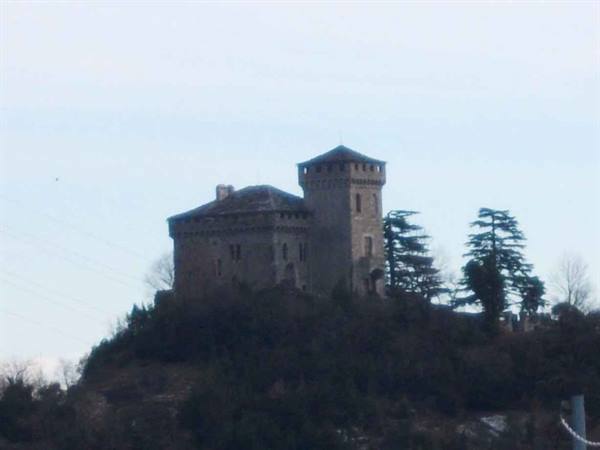
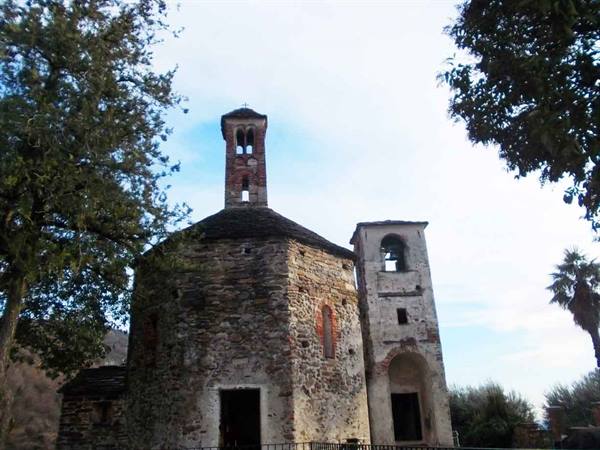
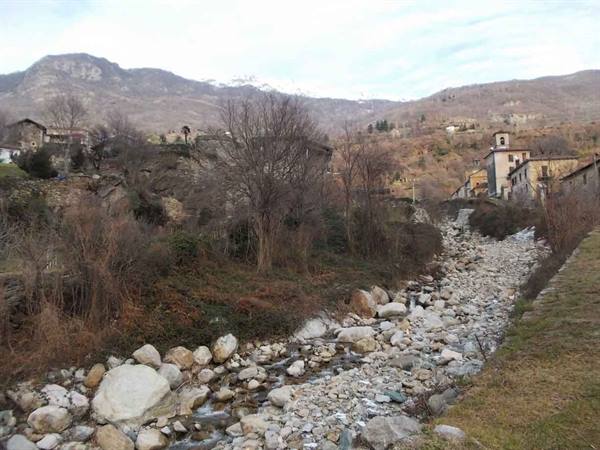
On the particularly extensive territory of Settimo Vittone there is also the castle of Montestrutto, which dominates the village from above. Erected on the ruins of a medieval manor, it was rebuilt in neo-Gothic style. Bend after bend, skirting the stony bed of the Dora Baltea that winds among centuries-old olive trees, houses and gardens where, besides dogs, some friendly donkeys also keep watch, we reach the early Christian complex formed by the pieve of San Lorenzo and the Baptistery of San Giovanni Battista. Dating from the Carolingian age and built with pebbles and chips of local stone, the baptistery and the pieve represent one of the main examples of pre-Romanesque architecture in Piedmont, as well as an extraordinary place of peace and recollection, a destination not only for pilgrims and tourists but also for scholars.
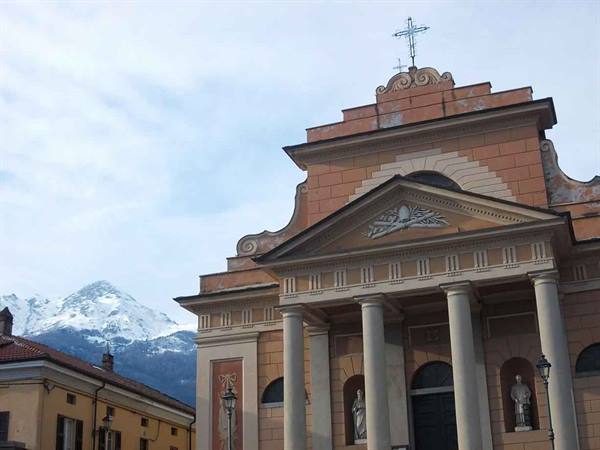
The octagonal baptistery, dating from the ninth century, is divided into eight large niches, with a square apse and a small bell tower added in the thirteenth century. Inside the little church we admire several cycles of frescoes made by painters active between 1100 and the end of the 1400s. Coming back down into the village centre, we visit another splendid religious building, the parish church of Sant'Andrea, erected in the seventeenth century on the site of the original thirteenth-century church. Inside it preserves numerous fine works of art, including the eighteenth-century high altar in polychrome marbles.
The journey's photographs
10 photographs · click to open them full screen
0 reader comments