The story
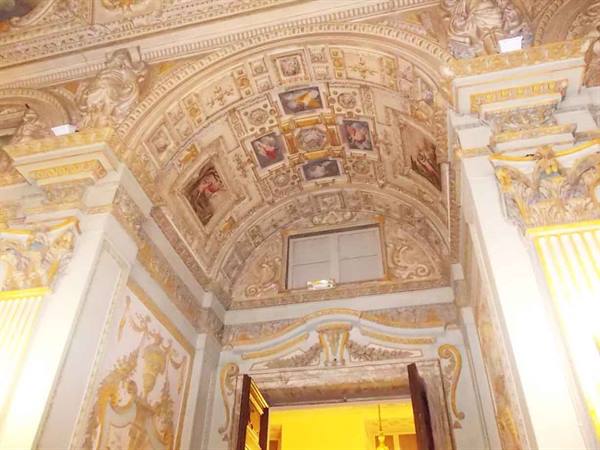
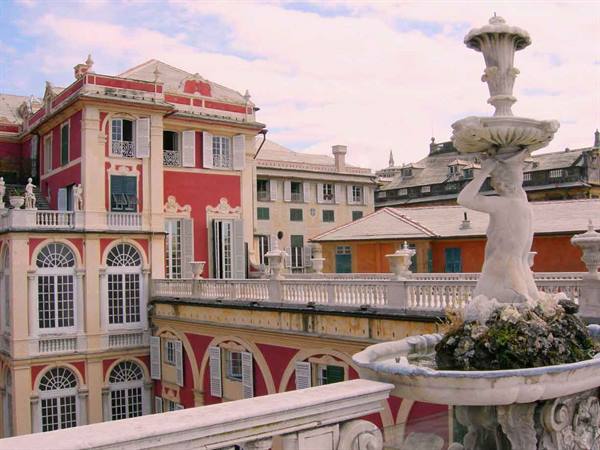
When Christopher Columbus set off on his voyage that would redraw the world map, the map of the city of Genoa was also about to be notably redrawn. The Genoese aristocracy decided to create from nothing a large showpiece quarter, assigning a degraded and peripheral area to host the residences of some of the city's leading families; within a few years two parallel sequences of grand palaces thus arose, mostly with colonnaded courtyards, hanging gardens and splendid frescoed halls. Along today's via Garibaldi you can admire, among others, Palazzo Tursi, Palazzo Rosso and Palazzo Bianco, which make up the prestigious route of the Musei di Strada Nuova. In 1576 the so-called “Rolli degli alloggiamenti pubblici” registers were established, which grouped the noble palaces that were drawn by lot in turn to host State visits.
One of the first travellers to be fascinated by the system of the Palazzi dei Rolli, today a UNESCO World Heritage Site, was Peter Paul Rubens, who in 1622 published the book I Palazzi di Genova with the surveys of all the most important buildings of the historic centre, presenting it in Europe as a sort of “manual for the residence of the perfect gentleman”. One of the finest palaces of the Rolli is the Palazzo Reale, residence of the Savoy court in Genoa from 1824, built towards the middle of the seventeenth century by the Balbi family, who opened the very street that today bears their name. It was one of the few palaces to have direct access to the sea via a bridge that allowed carriages to embark.
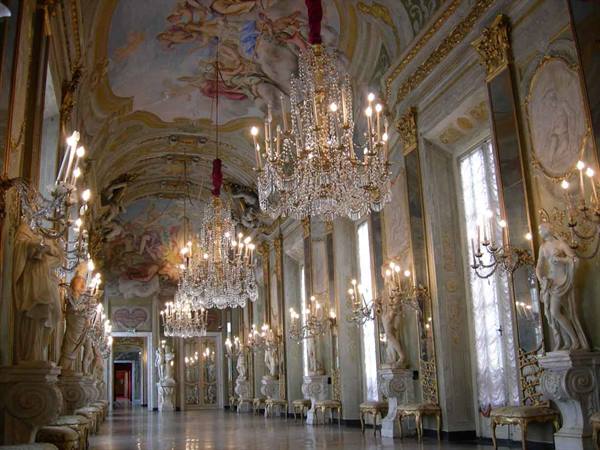
After the Balbi, the residence passed to the Durazzo, who carried out significant architectural works that enriched the palace with incredibly refined and sumptuous decorations, of which the scenographic Hall of Mirrors, where some scenes of the film Grace of Monaco with Nicole Kidman were shot, is just one example. During the Rolli Days, which recur several times a year, it is also possible to visit many of those historic palaces that usually remain closed to the public.
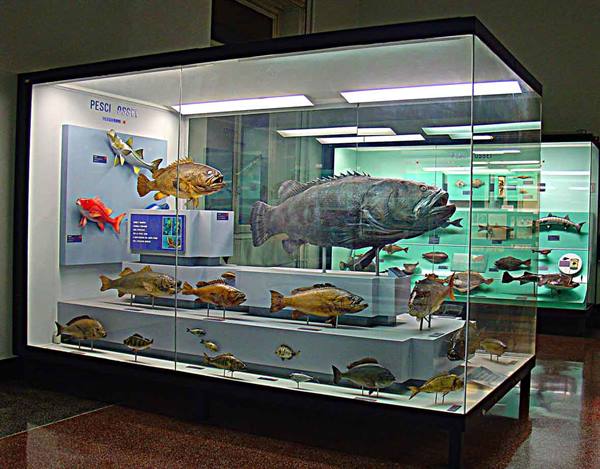
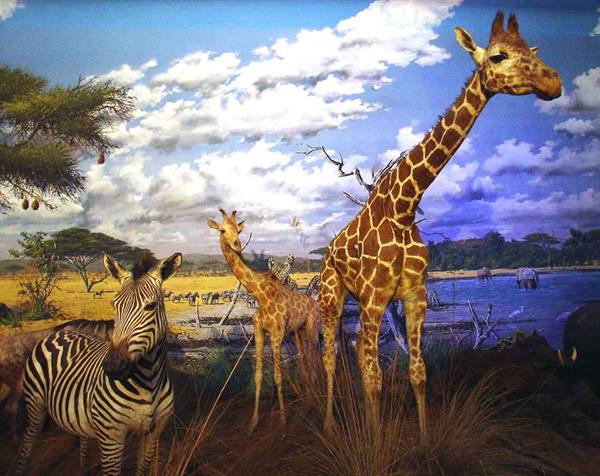
The travellers who set sail from the Genoese port towards distant shores certainly did not return home empty-handed: many of them brought home original “souvenirs” such as skeletons and skins of exotic beasts, collections of insects, spiders and snakes with never-before-seen features, along with a multitude of zoological finds of every kind, a veritable treasure for science. The most famous explorer and naturalist who organised and promoted numerous expeditions in which he often took part directly was Giacomo Doria, who in 1867 founded the Museum of Natural History. The finds of over 4.5 million specimens from every latitude are studied by naturalists from all over the world, who have managed to describe several new species thanks precisely to the Museum's unique zoological material.
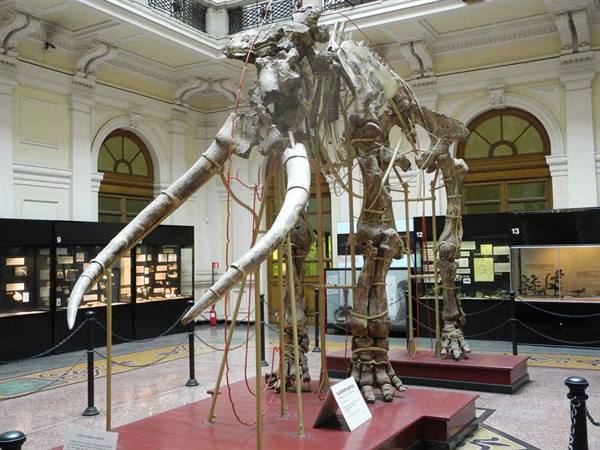
The flood of 9 October 2014 heavily damaged the structure, destroying the scientific equipment, but fortunately did not touch the precious collections. The Museum, which is about to celebrate its 150th anniversary in 2017, has therefore started again with its usual enthusiasm and is focusing on the breathtaking charm of the display of six thousand specimens arranged over an area of five thousand square metres, much appreciated also by the youngest explorers, for whom a great many educational activities are offered, including the Night at the Museum: an evening dedicated to games and workshops, animal masks, nature stories and then everyone sleeping in a sleeping bag, under the watchful eye of the fossil skeleton of the colossal ancient Elephant.
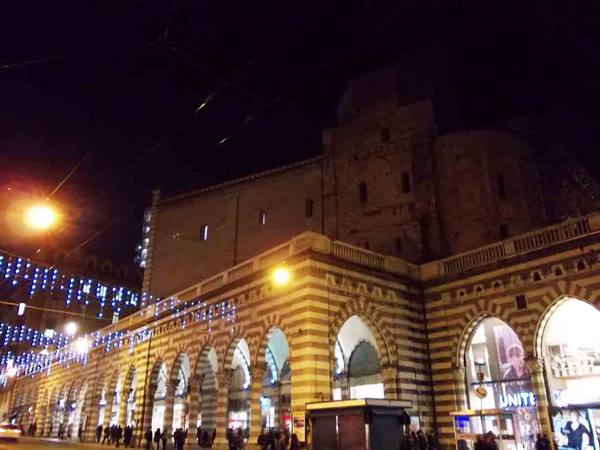
If it is true that from Genoa you can go up to Paradise by taking a lift, it is equally true that during the Christmas period, when the sumptuous palaces of the centre, as well as the caruggi overlooked by towers and ancient churches, dress themselves in festive lights, rediscovering a spiritual dimension becomes almost inevitable. In Genoa, a city with a notable tradition of carvers of Nativity figurines (the Giannettino Luxoro Museum preserves more than eight hundred), the mystery of the Nativity also takes on a significant artistic value thanks to the city's numerous Nativity scenes. The first document that speaks of a Genoese Nativity scene dates back to 1610 and, as Henry Aubert suggested in his Villes et gens d'Italie of 1923, we can admire these evocative creations by making a veritable tour of the Nativity scenes.
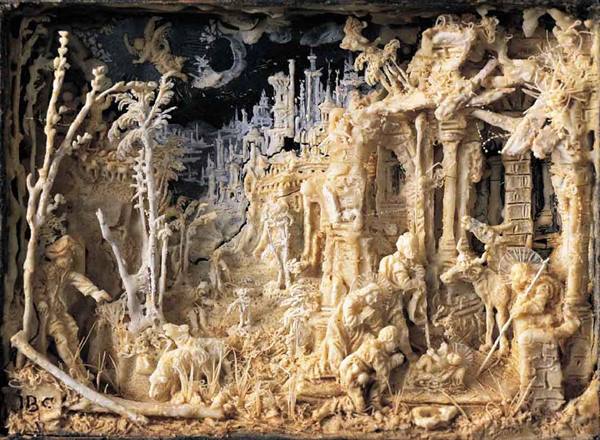
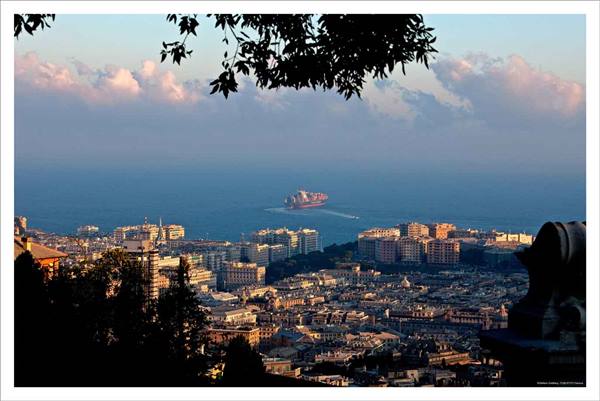
A spiritual and artistic journey during which the sheer size of the reproductions of the Nativity scene also strikes you: at the Accademia Ligustica is displayed the Nativity scene by the Bavarian wax-modeller of Italian origin, Johann Baptist Cetto, which measures a little over 8 cm by 6. Not even the space of a smartphone screen, yet for the artist it was enough to perform a miracle, creating a scene dense with figures and elements of every kind, from columns down to blades of grass, all meticulously crafted and enriched with detail. From the smallest Nativity scene to the largest the path is vertical and is taken by riding the funicular, from which a breathtaking view of the city opens up. In this way you reach the Sanctuary of the Madonnetta, built at the end of the seventeenth century on the site of a series of Marian apparitions.
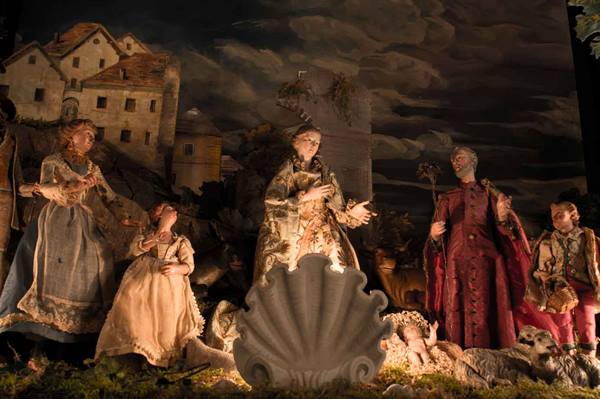
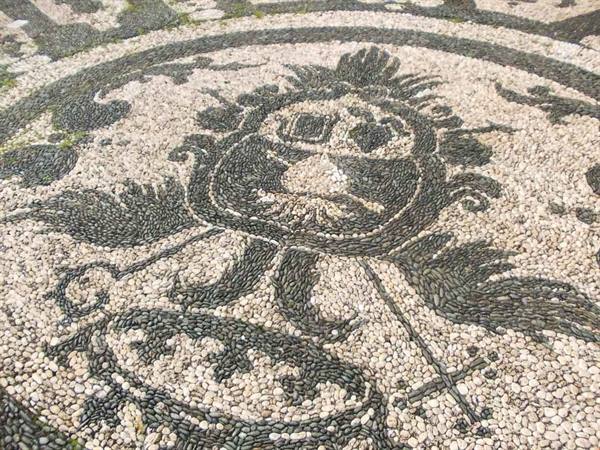
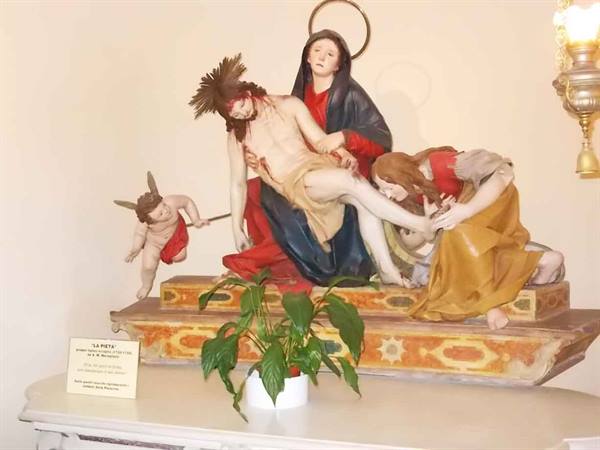
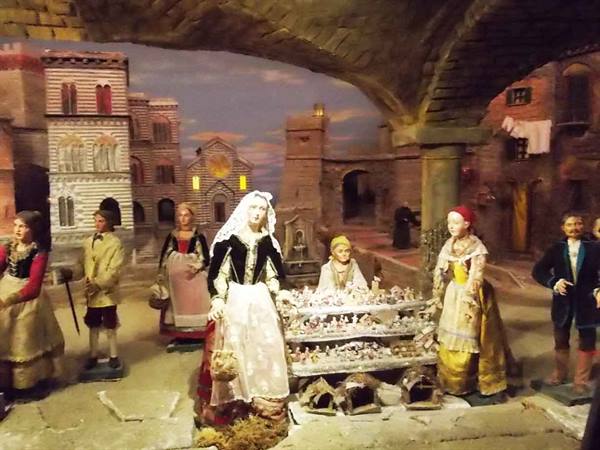
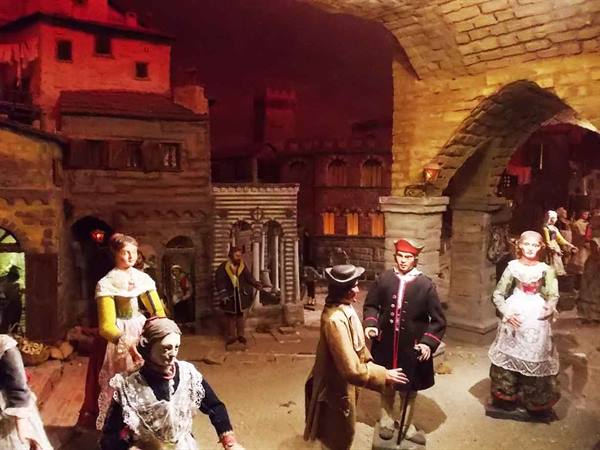
The octagonal church, preceded by a spectacular churchyard of white and black pebbles, is an extraordinary place of recollection, the religious building with which Genoa reconsecrated itself to the Madonna, particularly rich in works of art and precious objects of worship, including 25,000 relics displayed on the walls. In the Chapel of the Pietà you can admire a wonderful wooden group carved by Anton Maria Maragliano between 1732 and 1733, depicting the Pietà. We thus arrive at the Nativity scene, one of the most evocative among those of Genoa and visitable all year round. Laid out over a vast semicircular surface, the work presents a multitude of historic figurines dating from the seventeenth to the nineteenth century, placed in a scenographic setting of ancient Genoa.
Among the beautiful painted-wood figurines we recognise many of the historic sites we visited during our Genoese weekend: from Porta Soprana to Palazzo San Giorgio, and on to the market, the towers and the churches, confirming that in Genoa you never stop travelling. From here you set sail, you go to Paradise and you come back, and behind every corner that you know and love, there is always a new one to discover. As the city's tourist slogan suggests, “Genova more than this”: Genoa is always much more than what you have already seen.
Francesca Bertha
FOR INFORMATION:
Facebook: Genova Turismo, Genova Eventi e Cultura Twitter: @GenovaEventi Instagram: @genovamorethanthis #genova #genovamorethanthis
The journey's photographs
15 photographs · click to open them full screen
0 reader comments