The story
Who has ever seen a tower with wings? The answer is simple: all those travellers who over the last seven hundred years or so have passed through Borgo d'Ale, a charming town in the Vercelli area, easily reached from cities such as Milan, Turin or Alessandria. Founded in 1270 by the inhabitants of four ancient villages with fairy-tale names, Erbario, Clivolo, Meoglio and Areglio, today the town bears on its coat of arms the image of the winged tower, which perhaps was originally a vision or a dream of someone who had grown tired of the endless struggles between King Arduino of Ivrea and the bishops of Vercelli, who for long years contended for dominion over the four villages. To escape that situation of perpetual warfare, the only way was to “take wing”, that is, to found a new village where they could move and find peace again.
The four wings symbolise the four original villages, but there were also once four gates to the walled town.
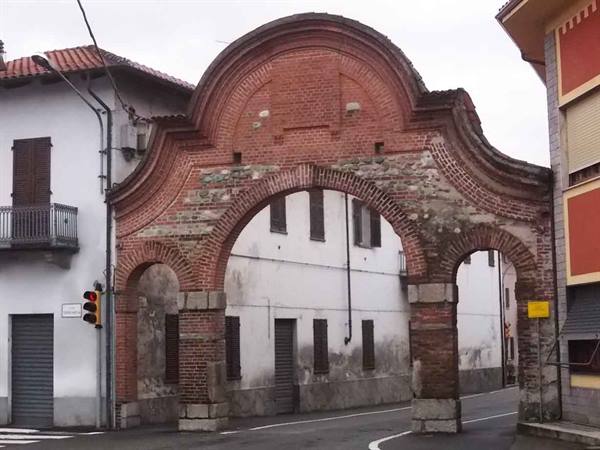
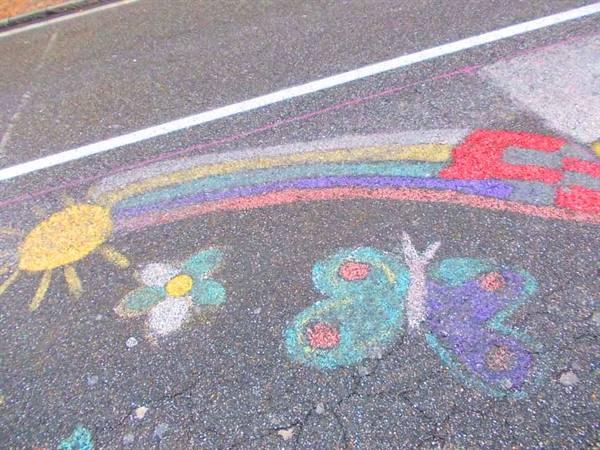
Our trip begins precisely by crossing Porta d'Alice, the only one of the four gates to have survived the storms of history. Built in brick with three arches, the gate that marked the edge of the village towards Alice is also called “Napoleonic”, given that it was restored in 1780. Walking along the main street that leads to the centre, we recognise the beating of the wings of the townspeople's soul even in the creations of the youngest, who have filled the asphalt with very colourful drawings depicting comets, stars, houses, trees and a big smiling sun. Some of those budding artists will perhaps follow in the footsteps of an illustrious native of Borgo d'Ale, the recently departed physicist and mathematician Tullio Regge, who once said: “I do not believe there is a definitive cosmological theory, but infinite hypotheses that progressively absorb the previous ones.
The show will never end.”
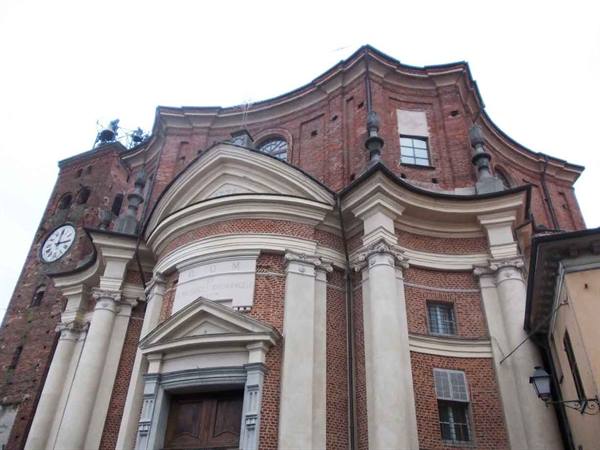
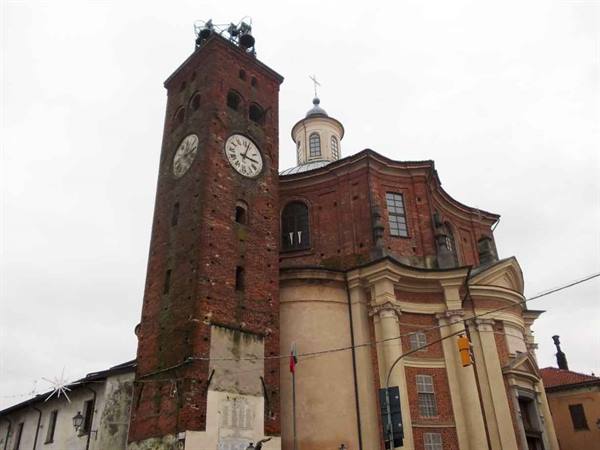
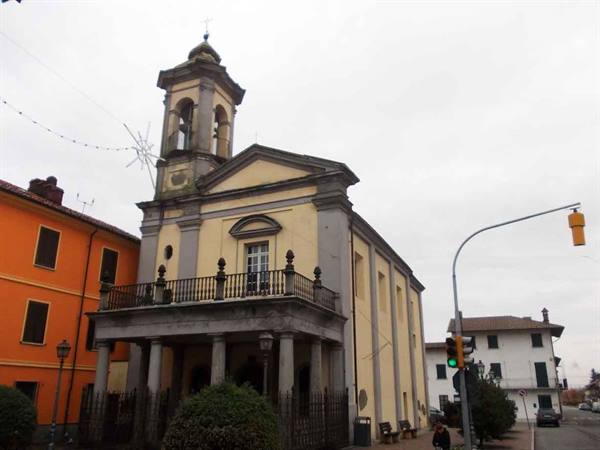
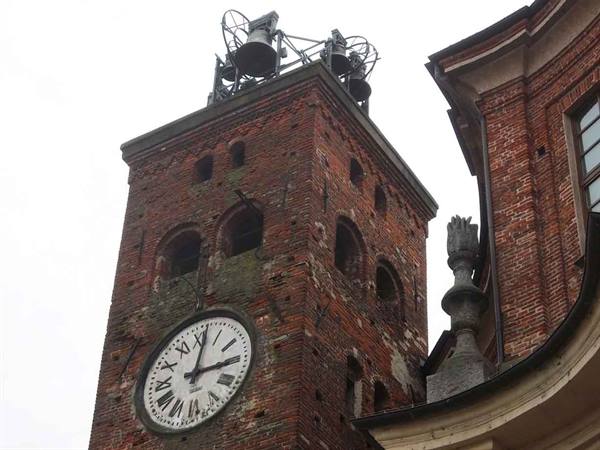
The show also continues as, step by step, it reveals new historical episodes of this territory. In the heart of the centre we visit the parish church of San Michele Arcangelo, built in 1770 on the site of an old church and a dwelling. Flanked by an evocative bell tower and crowned by an imposing dome, the parish church has recently been restored. A short distance away we find the seventeenth-century church of the former Confraternity of San Francesco, with a characteristic portico added at the end of the nineteenth century. The Franciscan charm of the building is clearly felt even though it has by now been deconsecrated and is used as a civic library and a hall for cultural activities.
Moving outside the ancient walls of the village, into the areas where the old villages once stood, we discover several other monuments of great historical interest, such as the Romanesque church of San Michele in Clivolo, built between 1050 and 1075 with the dignity of a parish church. The religious building, which preserves several medieval frescoes, has been restored various times, the last intervention dating back to 1969.
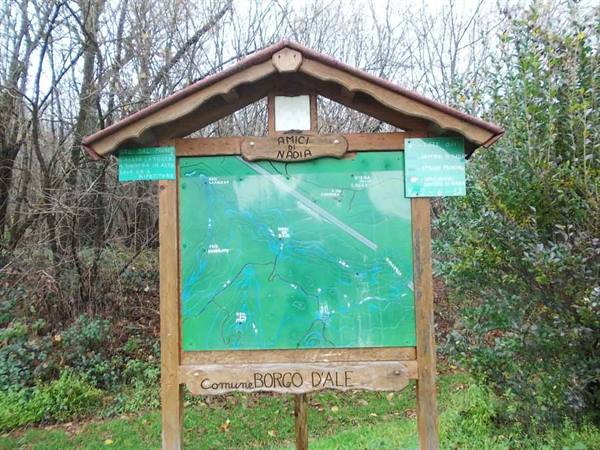
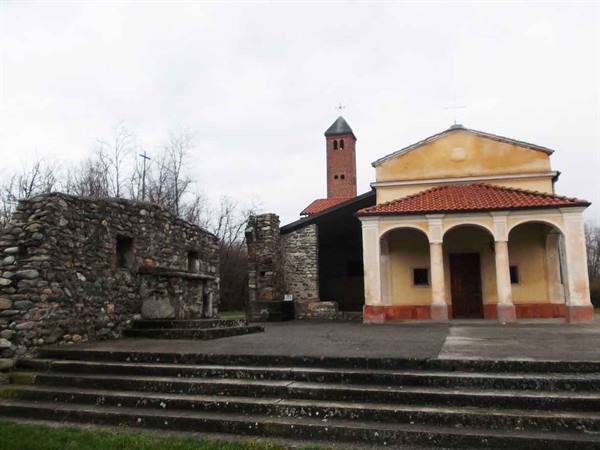
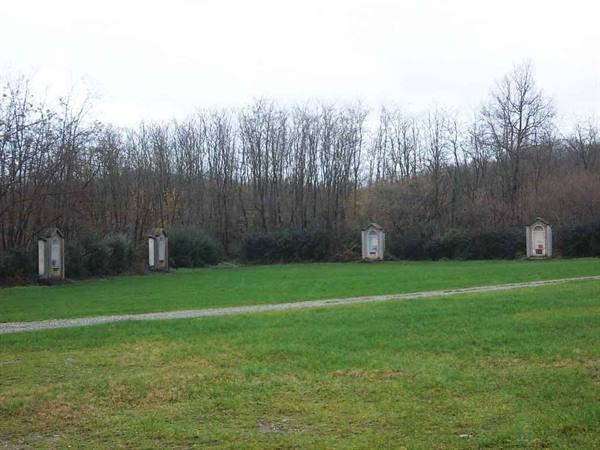
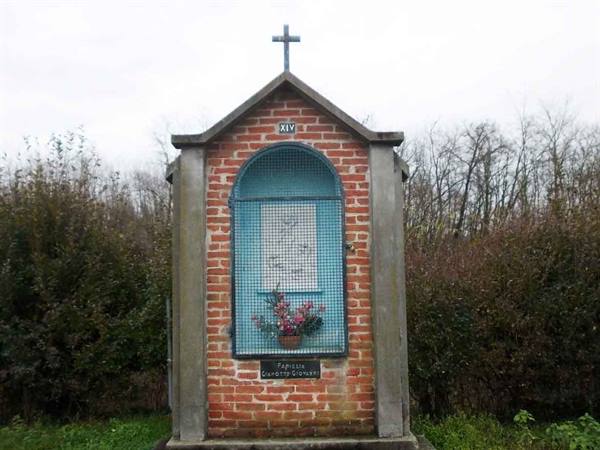
Following a route often trodden by hikers who go to visit the height where the castle of Bric dal Munt once stood, built before the eleventh century and entirely destroyed in 1470, we reach the Sanctuary of the Madonna della Cella, also known as the church of S. Maria di Meoglio, since the original building, whose ruins we can still see beside the new church built in the mid-nineteenth century, was the village church. The Sanctuary stands in a meadow surrounded by woods, from which the Sentieri di Nadia, a tourist trail, winds its way, and it is embraced by a series of votive chapels arranged in a circle.
However, as is well known, where there are woods with a sometimes dark and unsettling charm, “heretical” legends about witches and supernatural beings are often born. The “forest” of Borgo d'Ale is no exception: hidden among its trees is in fact the Pera Cunca, a round stone around which mysterious gatherings of black magic are said to have been organised.
Much more serene is the site of the Mulino della Boscherina, built at the end of the 1400s in the region of the same name, an important staging post along the road linking Cigliano with Vercelli. It served as a mill for grinding wheat and maize until 1970.
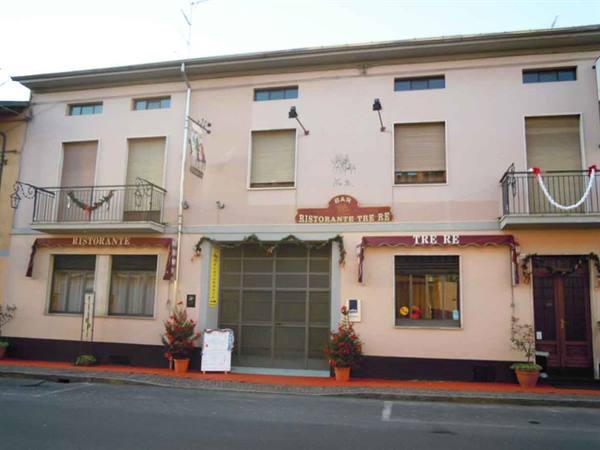
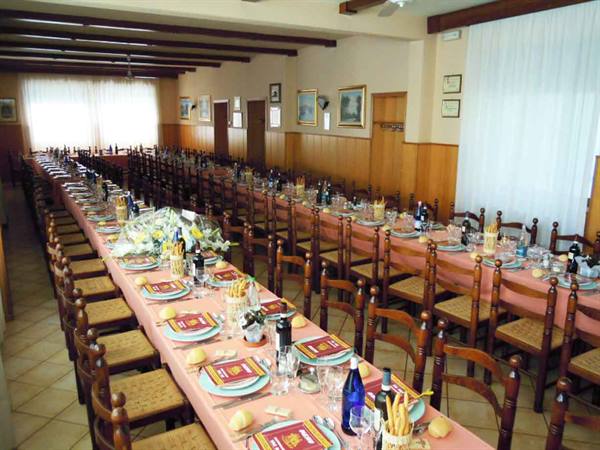
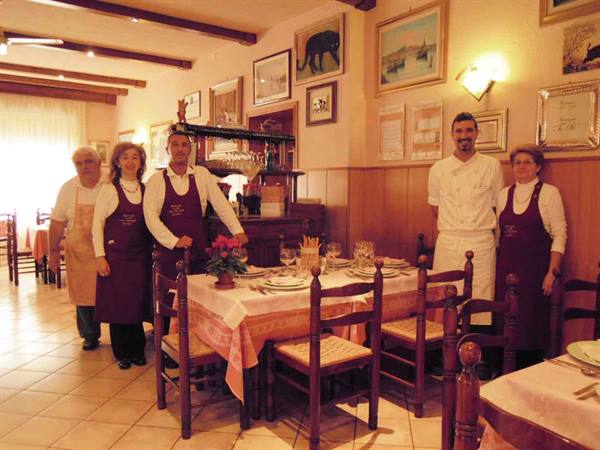
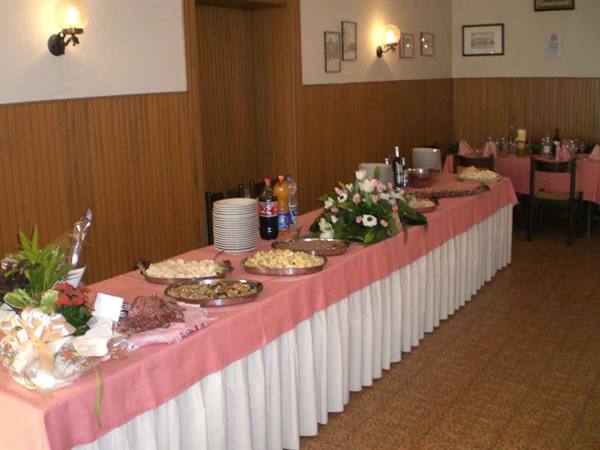
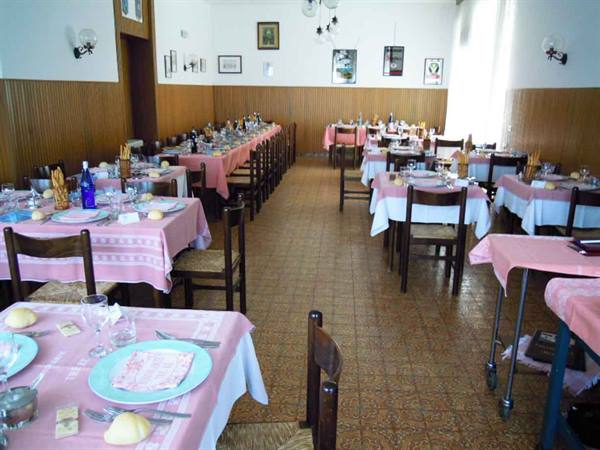
Speaking of wheat, since the walk has given us a fair appetite, we return to the centre to enjoy a fine dinner at the historic Ristorante Tre Re, located in via Matteotti. Welcoming us into the large, characterful dining room, ideal also for parties and ceremonies, are Matteo and Antonella, now the fourth generation to run the establishment. Their youthful enthusiasm combines with experience gained in the field, having followed the work of their respective parents, the brothers Stefano and Luigi, since childhood, still important mainstays of the restaurant.
“The establishment, completed in June 1900 by our grandparents, was used as a restaurant, inn and stable for the relay horses for the mail coaches. At the time Borgo d'Ale belonged to Novara, not Vercelli, and anyone who had to travel between Turin and Biella would stop here to change horses,” Mr Stefano tells us as we begin to enjoy a rich Piedmontese starter.
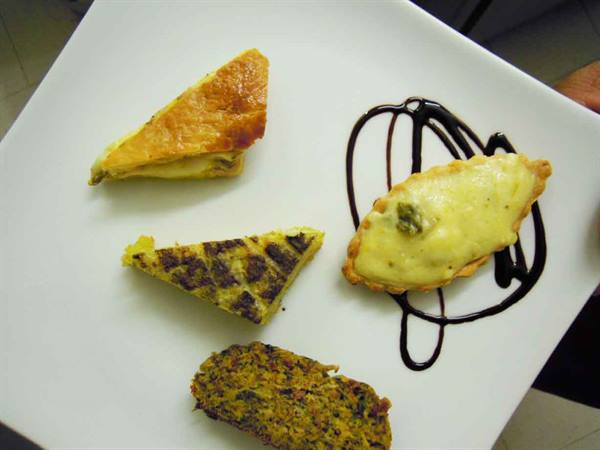
We start with fresh and semi-preserved local salami, together with a mix of mushrooms in oil. We also taste the unmissable bagna caoda with peppers, cabbage and seasonal vegetables, but we also very much like the raw meat Albese-style and the thin slices of beef in mushroom sauce. Some of us choose the autumn “All Mushrooms” menu, enjoying an excellent porcini mushroom risotto and mushroom crêpes, to be followed by braised beef with mushrooms and polenta and fried porcini mushrooms. The rest of the group splits between the numerous varieties of exquisite homemade pasta, including agnolotti Piedmontese-style and farfalle with wild boar ragù. Pumpkin cream with croutons, panissa Vercelli-style and garganelli with radicchio and gorgonzola are also very popular.
Among the main dishes we taste a typical dish that is now hard to find around, the Piedmontese finanziera, but we also cannot resist a good Barolo braised beef and the fantastic Tre Re mixed fry. Some of us opt for wild boar civet, and the breaded and sautéed porcini mushrooms also win converts.
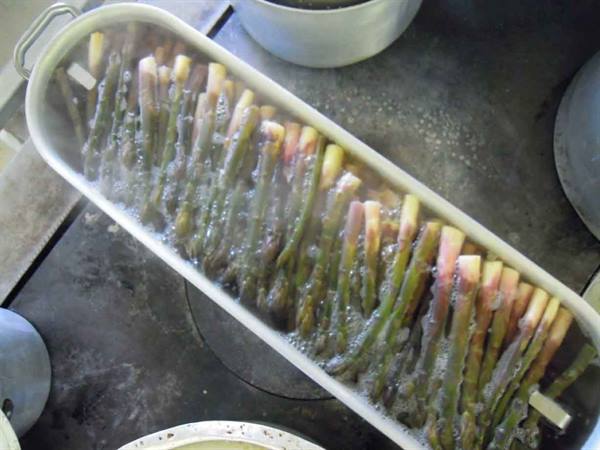
If this is mushroom season, at the Ristorante Tre Re every season has its menu: so in March we will be able to delight in the wild boar lunch, which includes among other things salami, pasta with ragù, white-wine braised beef with polenta, mixed livers and leg of wild boar with mushrooms, all of wild boar, while in the months of April and May it will be a pleasure to return here to taste the spring menu “All Asparagus”. Next time we might combine a succulent dinner with a visit to the second-hand and small-antiques market that takes place on the third Sunday of every month over an exhibition area of more than 15,000 square metres.
One thing is certain: our trip will also end on future occasions with the tasty house desserts, including the typical bunet, crème caramel, bavarois, panna cotta, as well as the chef's cream and rice with caramelised peaches. So many good things that we will enjoy after our future excursions, and if this is the town with wings, it will always be a pleasure to “fly” here.
Francesca Bertha
FOR INFORMATION:
Ristorante Tre Re Via Matteotti, 40 Borgo d'Ale (VC) Tel.: 0161/46110
The journey's photographs
17 photographs · click to open them full screen
0 reader comments