Tripscoop›Europe›ITALY›At the Palio Field with Alfieri, the Merchants of Old and the Ghosts in Skirts: a Trip to Asti
ITALY · Europe
The story
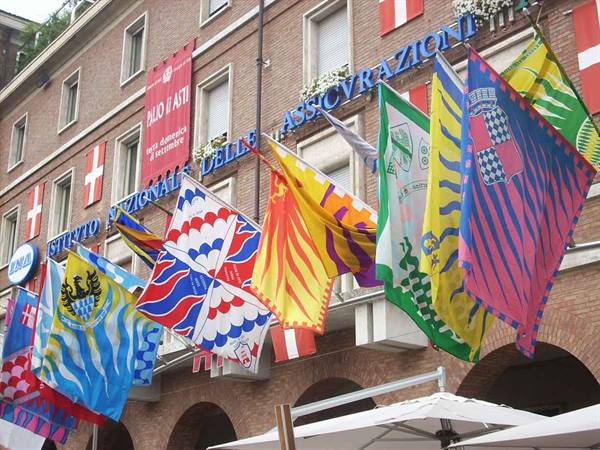
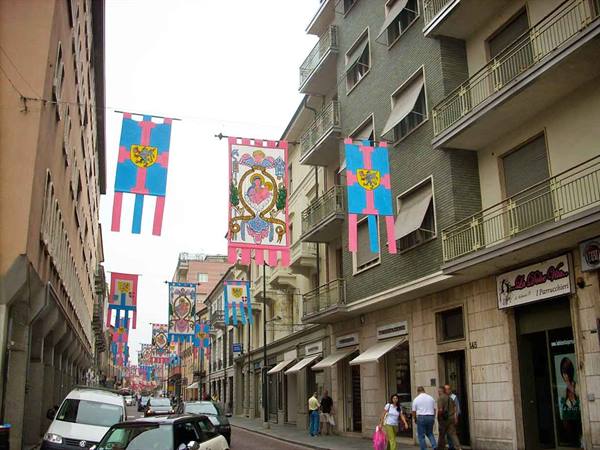
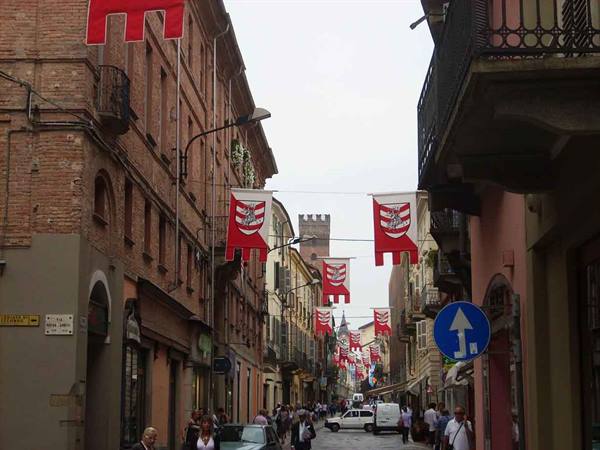
“Come, come, come away with me”, Paolo Conte sings, and this time we took the words of the famous song literally, coming to visit Asti, the birthplace of the great singer-songwriter. Known in ancient times as the city of a hundred towers, Asti, a free commune in the Middle Ages, with the right to mint coin, was always an important artistic, commercial and also banking centre, thanks to the so-called casane, banks that carried out currency exchange and pawnbroking. Famous for its wines, including Asti spumante, the city hosts an important wine competition every year, the Douja D'Or. But medieval tradition also finds its place among the city's finest events, thanks to the very ancient Palio, which takes place in September and culminates in the very colourful horse race in which the city's fourteen historic districts compete for the prize.
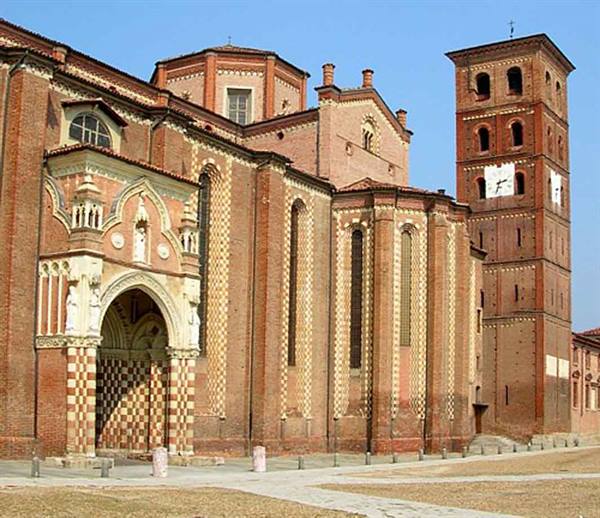
We begin our walk in the city from the Cathedral of Santa Maria Assunta, built in typical red terracotta brick on a previous basilica, and which preserves inside the works of important Asti painters and sculptors.
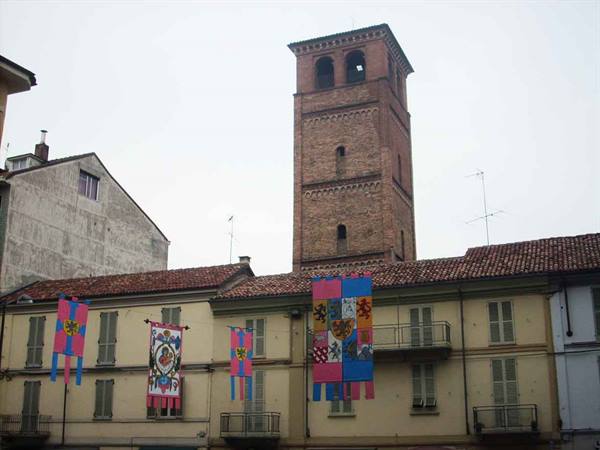
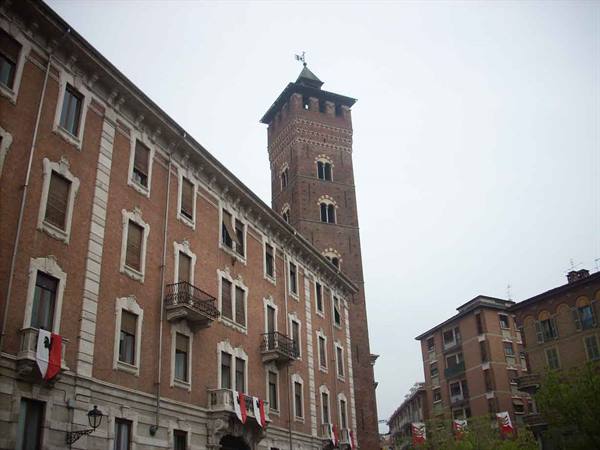
A sixteenth-century engraving makes the bell of the Clock Tower, erected from the end of the twelfth century, a sort of “talking bell”. The inscription says, in fact: “I once marked the hours of the day. Because of the war I was turned into a machine. Now I am restored to my original task.” The Torre Comentina, on the other hand, was used for several centuries as a command post during the Palio horse race.
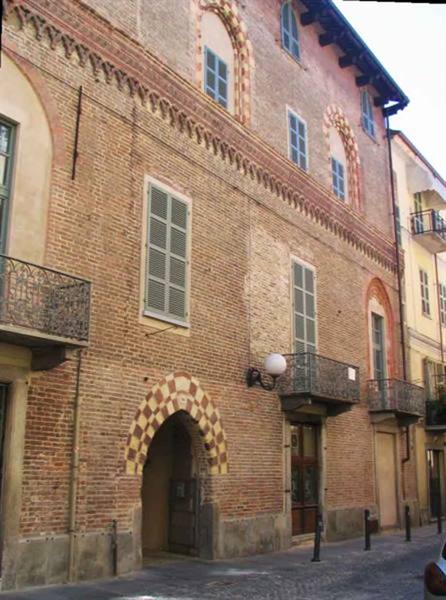
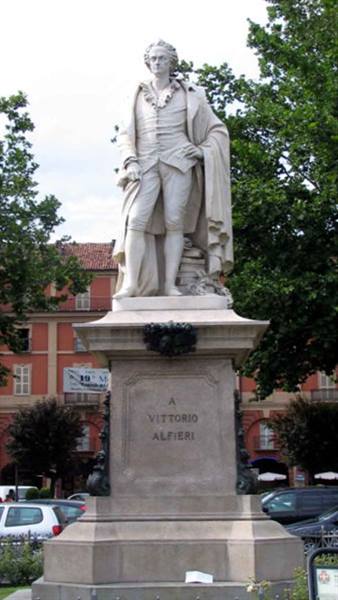
Asti was also the birthplace of one of the most important intellectuals of the eighteenth century: the poet and playwright Vittorio Alfieri, to whom a square in the city is now dedicated. But speaking of writers, Asti was also the home of the multifaceted Giorgio Faletti. When we arrive at Palazzo Catena, an important medieval building in the city, we meet a lady who tells us a mysterious story that reminds us of the atmosphere of Faletti's books: in this palace the ghost of Iginia d'Asti, protagonist of a tragedy by Silvio Pellico, is said to still live. If this were true, Iginia would be in good company, because legend has it that another female spirit also wanders the centre, that of the restless Countess Adelaide, a descendant of Arduino d'Ivrea, king of Italy in the tenth century.
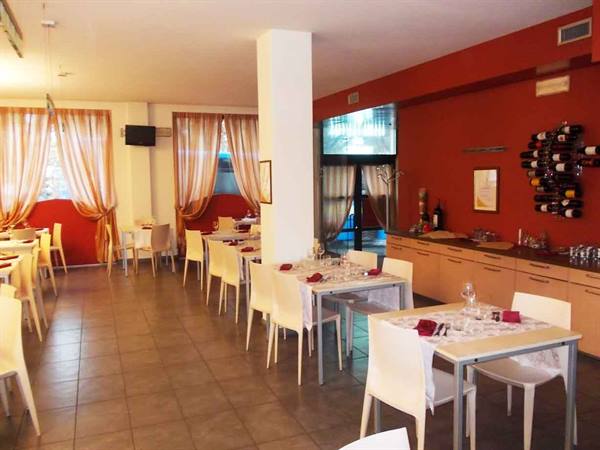
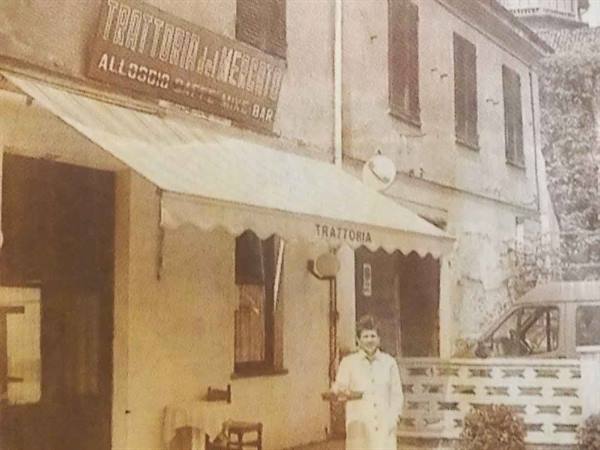
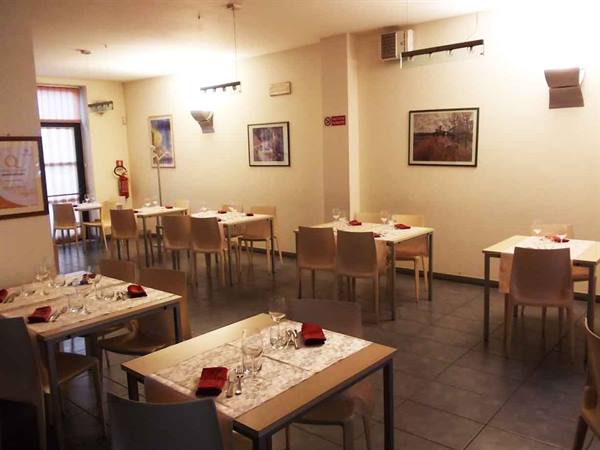
If here history is breathed in every corner, the same is true of the area where the restaurant where we stop to taste the specialities of the territory is located: the Trattoria del Mercato, in corso Einaudi, close to the historic piazza Campo del Palio, always known as piazza del Mercato, since the great market of Asti has been held right there since the most ancient times. Settling into the spacious and bright room furnished with modern, elegant taste, exchanging a few words with the owners allows us to reconstruct the fascinating history of the establishment, which intertwines with that of the neighbourhood. “The Trattoria del Mercato, founded in 1895, was originally located on the other side of the square, where the Caffè del Mercato is today.
Run by our family since 1946, it was initially an inn where, as well as eating the exquisite dishes prepared by Pierina Montersino, the traders who came for the market could also stay in the rooms above the trattoria, and there was even a stable for the livestock. Later the management passed to Pierina's daughter, aunt Rosalba, whose presence, experience and enthusiasm are still the mainstay of the establishment. The trattoria of old, which opened every day at six in the morning and was frequented by people of every social class, was known for the typical and tasty dishes of the territory. Like an old-style piola, it was furnished with wooden chairs with straw seats and, between one chat and another, you savoured the specialities of tradition,” says Mr Giuseppe, who today runs the trattoria with his son Alessandro, the cook.
At a certain point, in 2000, the two-storey house that housed the trattoria was demolished, but fortunately the business did not have to move away from the historic square, and it reopened at its current premises in 2004. “Today we are in an establishment with an architectural style in step with the times, but we continue to keep several traditional specialities too, so we can satisfy both the younger clientele, who love novelties, and people attached to the flavours of the past. Everyone also appreciates the good value for money, which allows you to eat a starter, first course, main course and dessert for 25-30 euros,” explain Giuseppe and Alessandro as we begin to enjoy our rich Piedmontese starter, which was also much liked by Luis Sepúlveda, who was a guest at the Trattoria some time ago, leaving a signed napkin as a memento.
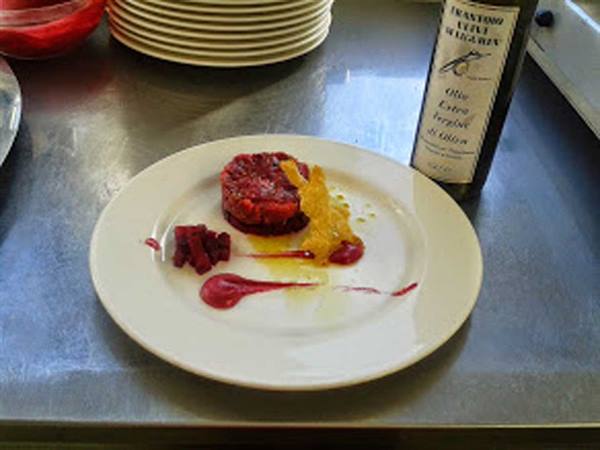
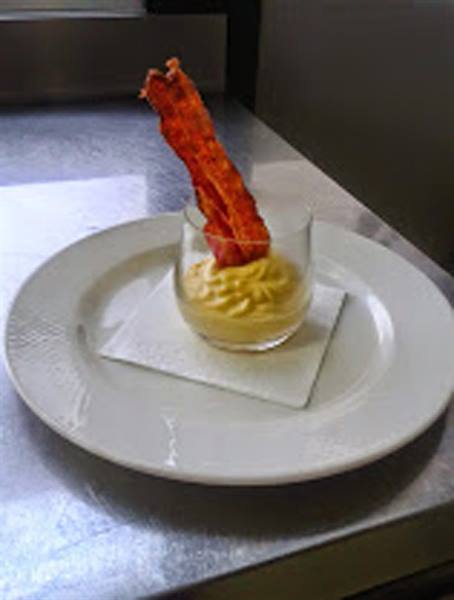
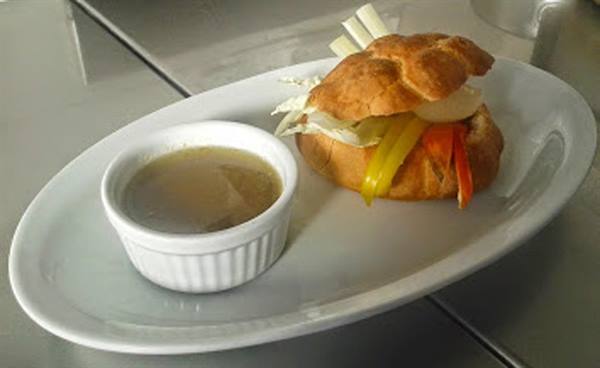
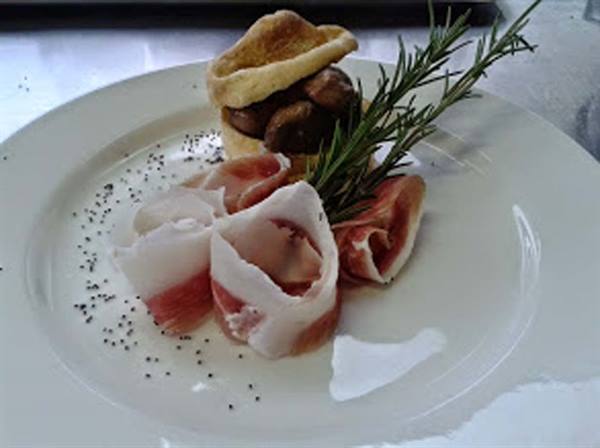
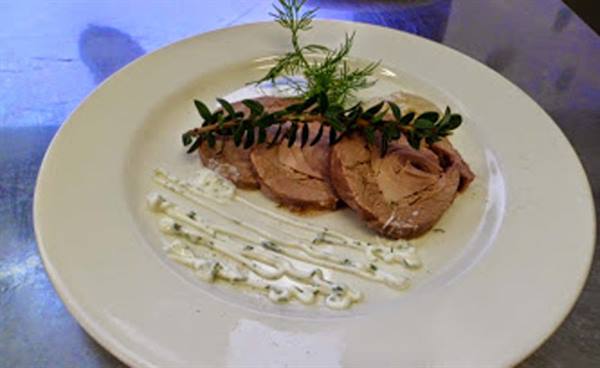
We begin with the Ottocento-style vitello tonnato, prepared with egg yolks and anchovies, without mayonnaise. Next, we taste the green sauce tongue, the raw meat chopped with a knife and the typical bagna caoda, which is also offered as a single dish with vegetables and eggs. Our friends who prefer novelties taste a tasty reinterpretation of vitello tonnato, made by wrapping the tuna steak in the veal slice and dressing it, rather than with tuna sauce, with a light yoghurt sauce. Among the “young” starters, the Venus rice tartlet with pomegranate sauce, the pumpkin cream served in a glass, with a slice of crispy bacon on top, and the bread baskets with chestnut and Brandy are also very popular.
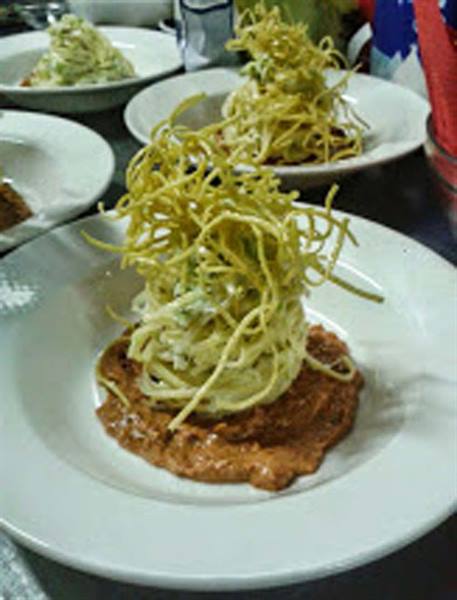
We continue with the exquisite first courses of fresh pasta, both traditional and revisited, including tagliolini with leeks on a pesto of sun-dried cherry tomatoes, the typical plin with three roasts, potato gnocchi with Castelmagno, tajarin with pancetta and hazelnuts and tagliolini with white Piedmontese ragù, without the addition of tomato. Since it is the season for mushrooms and truffles, we also taste the tagliolini with butter and truffle, and then the eggs fried in a pan or in a cocotte with fragrant truffle shavings. We wash down these good things with excellent wines, both from the territory and from other regions.
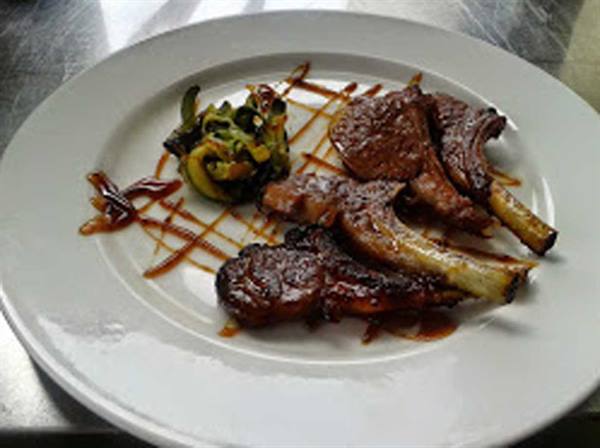
Among the main dishes we have the pleasure of tasting one of the quintessential dishes of tradition, now hard to find around: the finanziera. Still on the theme of classic flavours, we eat an excellent old-style boiled meat, with the two sauces, green and red. The sirloin of sanato wrapped in cabbage with a liquorice reduction also wins converts, and the rack of lamb is also very popular. We certainly cannot resist the mixed fry and the tripe, available to order, and still to celebrate the tuber that Gioacchino Rossini called the “king of mushrooms”, here we are tasting the lamb Milanese cutlets with truffle on top.
Our Asti day ends in great sweetness thanks to the tasty house desserts, first and foremost the ever-present bunet and crème caramel, but we also let ourselves be tempted by the tiramisù, the exquisite crêpes, the caramelised apples with ice cream and the irresistible chocolate tartlet with a melting centre. After this lovely day, we are certain to return to Asti soon, and we hope not to miss the next Palio either. If we then happen to be at the Trattoria del Mercato during the warm season, we will also be able to taste the cheesecake mousse, a summer speciality of the house: one more reason to happily follow in the footsteps of the merchants of old.
Francesca Bertha
FOR INFORMATION:
Trattoria del Mercato Corso Luigi Einaudi, 140 0141/34559
The journey's photographs
19 photographs · click to open them full screen
0 reader comments