Tripscoop›Europe›ITALY›The Charm of Carnival Along the River and Among the Historic Towers: a Day in Ivrea
ITALY · Europe
The story
Whichever time of year you arrive here, you are enveloped in a magical carnival atmosphere; in fact, this is one of those rare places where the topics of conversation in the street or at the bar are not limited to the news of the day or football, but take on a fairy-tale charm: people talk about what the Tuchini will do next time, how the people of the Black Panther are preparing, and what the reply of the lads of the Ace of Spades will be, considering that neither the Devils nor the Arduini will simply stand by... These are some of the teams of aranceri (orange-throwers), the absolute protagonists of the Historic Carnival of Ivrea, the only one in Italy to have maintained an indissoluble bond with the Middle Ages, since it has been celebrated from then on almost uninterruptedly every year.
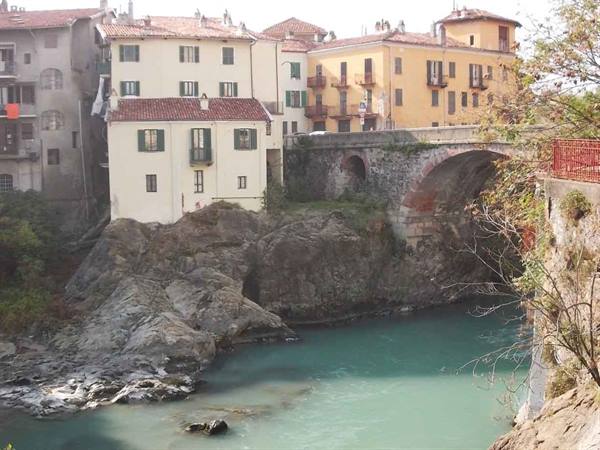
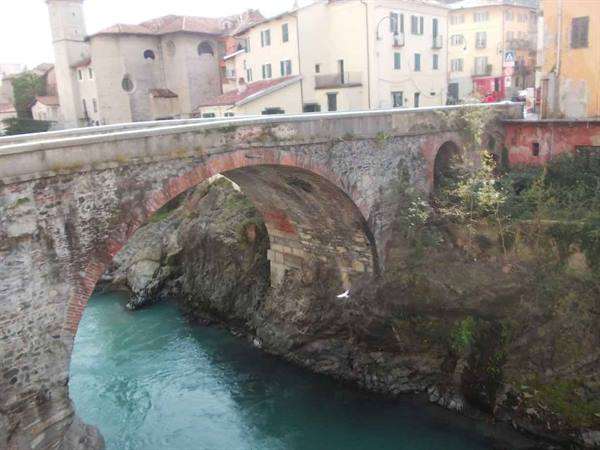
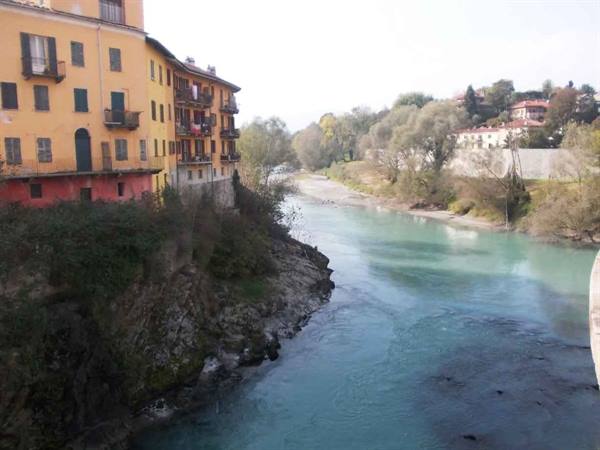
Ivrea, until a few years ago famous above all for being the headquarters of Olivetti, does not however seem to the tourist an industrial city: whether thanks to the spectacular Ponte Vecchio over the river Dora, a seventeenth-century heir of the ancient wooden bridge that for centuries represented the only crossing towards Turin and the southern and western Canavese, or thanks to the historic centre that climbs up a hill leading to the castle and the Cathedral, the town has an indisputable charm that immediately wins over the visitor. Set in greenery, a stone's throw from the mountains and surrounded by pretty little lakes that had formed at the end of the last prehistoric glaciation, Ivrea is very rich in tourist resources.
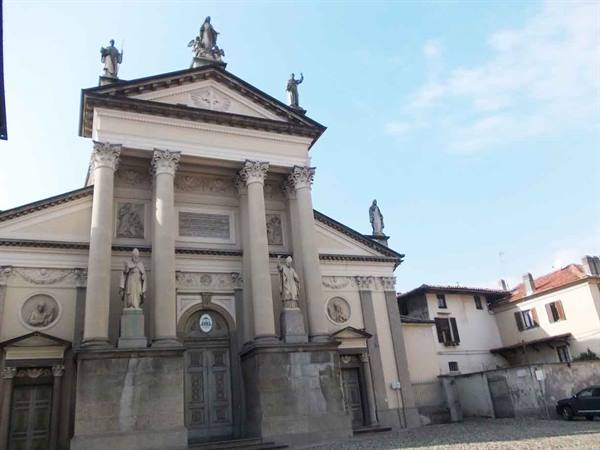
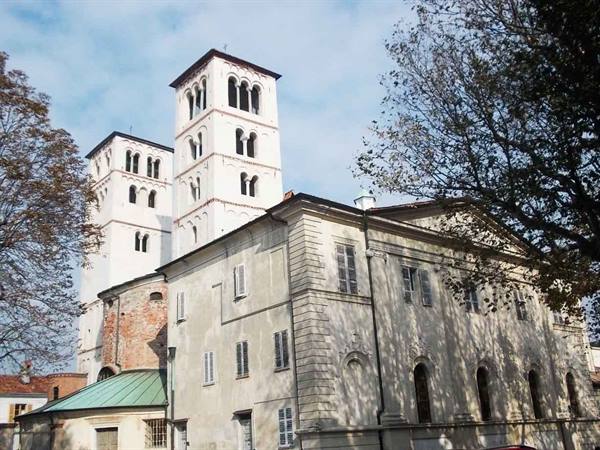
Its beauty even enchanted Giosuè Carducci, who wrote these verses: “Ivrea the beautiful that mirrors her red towers dreaming in the cerulean Dora in her broad bosom, dark around is the shadow of King Arduino”. After the era of King Arduino, towards the end of the eleventh century, Ivrea once again came under the dominion of the episcopal lordship and it is precisely from that period that the Torre di Santo Stefano dates, commissioned by Pope Nicholas II and used as the bell tower of the adjoining Benedictine convent. Ivrea was the birthplace of several great figures, starting with Saint Gaudentius, patron of Novara, to whom a graceful eighteenth-century church built on a height of the town is dedicated, and going on to Camillo Olivetti, founder of the historic company, and his son Adriano.
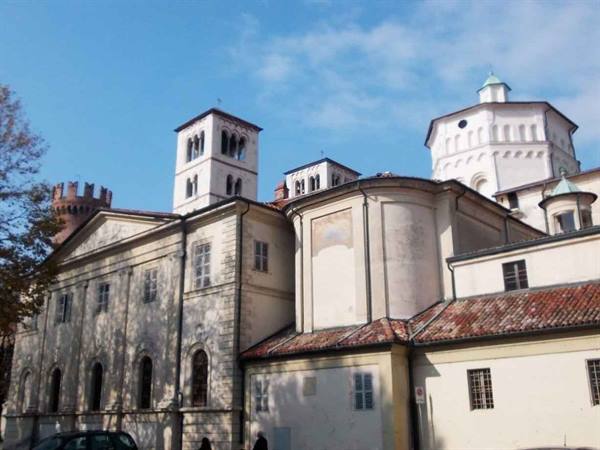
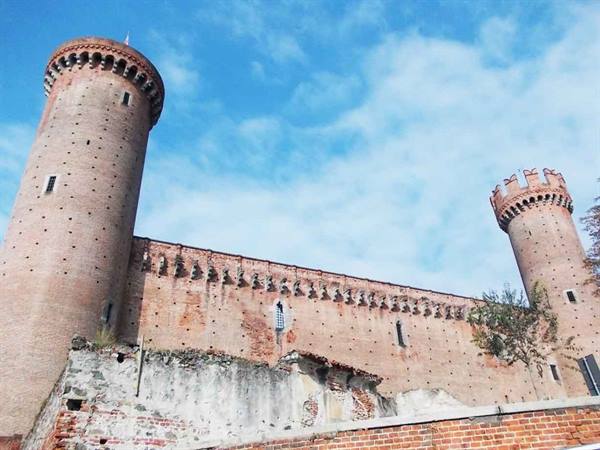
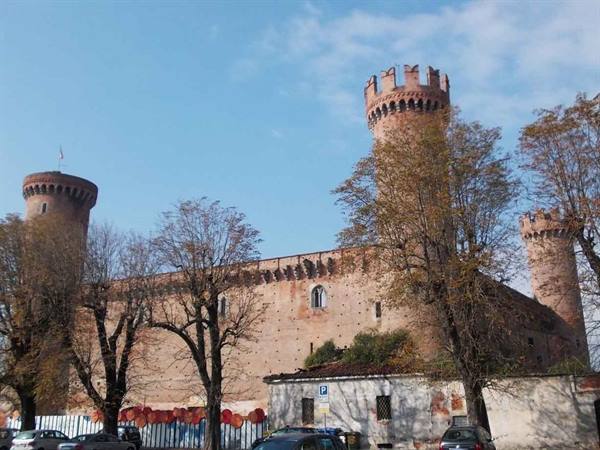
The castle with its three red towers, built in 1357, originally had four towers: one collapsed in 1676 following a lightning bolt that caused the ammunition stored inside it to explode. Built originally for defensive purposes, which it managed to serve only as long as gunpowder was not used in combat, today the fortification, among the main symbols of the town, periodically hosts events and cultural manifestations. A few steps from the castle we visit the Cathedral with its thousand-year history, dedicated to Santa Maria Assunta. The discovery on the site of numerous remains of Roman constructions suggests that on the height where the cathedral stands there was a temple as early as the 1st century BC. When, towards the end of the fourth century, the diocese of Ivrea was established, the temple was transformed into a Christian church.
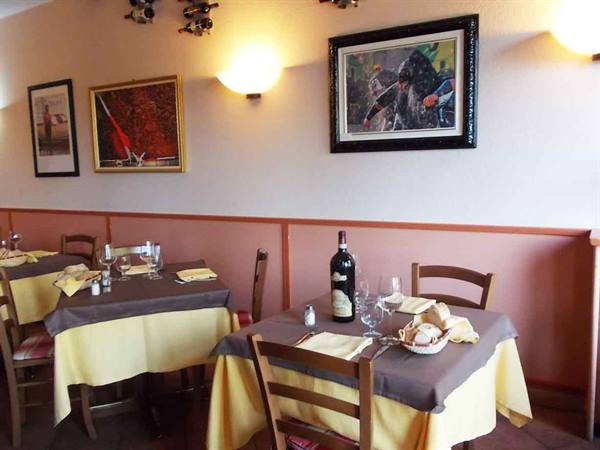
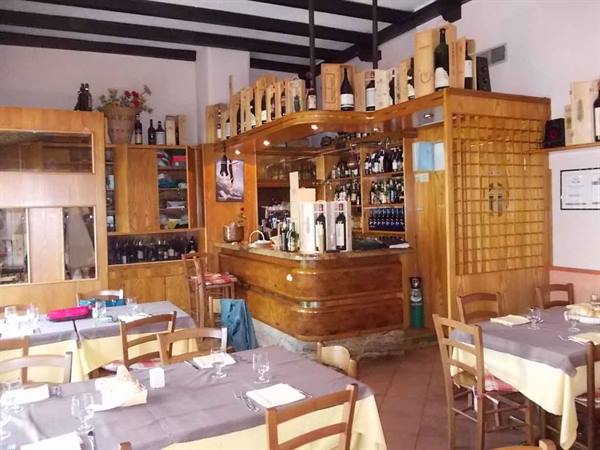
Today, besides the splendid Baroque decorations, inside the church, especially in the crypt, you can admire a series of valuable ancient frescoes. After this fine tour through the history of Ivrea, pleasantly tired and hungry, we decide to stop for dinner at the Trattoria Boccon Di Vino, in via Aosta. We leave the car in the establishment's large car park and notice that from the road a fine view opens up over the castle towers. Inside we are welcomed with great kindness by the owner Simone, who has run the restaurant together with his wife Stefania, who looks after the kitchen, for thirteen years now. We settle into the characterful room with warm colours, and the authentic carnival atmosphere of Ivrea envelops us here too, thanks to some fine photos of the Battle of the Oranges on the wall.
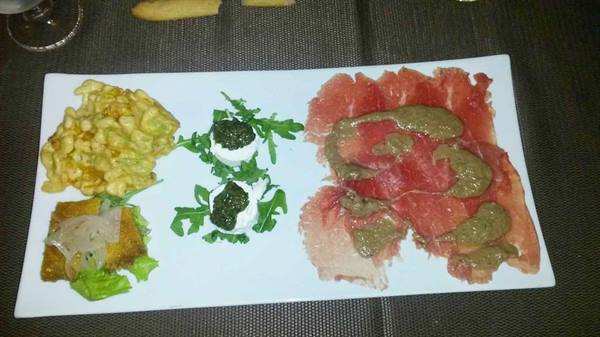
While we exchange a few words with the owners, our gaze can range over the bottles on display of fine wines from the very well-stocked cellar. “Our kitchen follows the seasons and our dishes are always prepared with fresh, top-quality ingredients. The fassone beef we use is zero-mile and the pasta and desserts are also homemade,” Simone explains. Our dinner in the name of traditional flavours begins with a rich Piedmontese starter that includes bagna caoda, cotechino in crust with fondue, courgette flowers fried in batter with cheese and Valdostana fondue with croutons. We continue with homemade gnocchi dressed with porcini and sausage and we also taste the tagliolini with truffle. We certainly cannot resist the plin with lardo, honey and walnuts, and we also taste the typical zuppa d'ajucche, prepared with wild herbs gathered in spring.
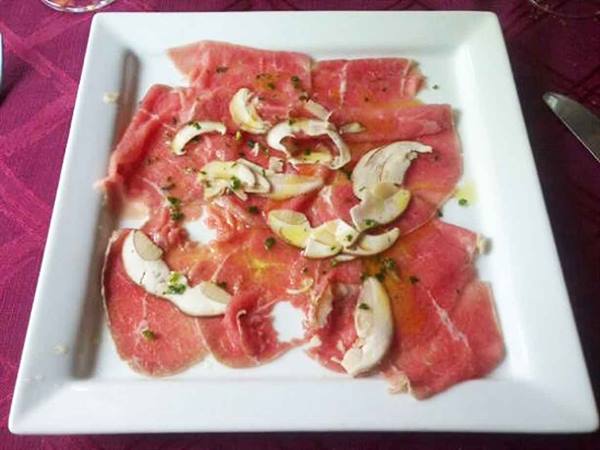
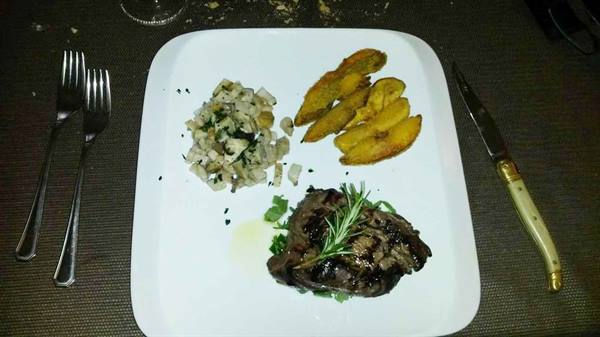
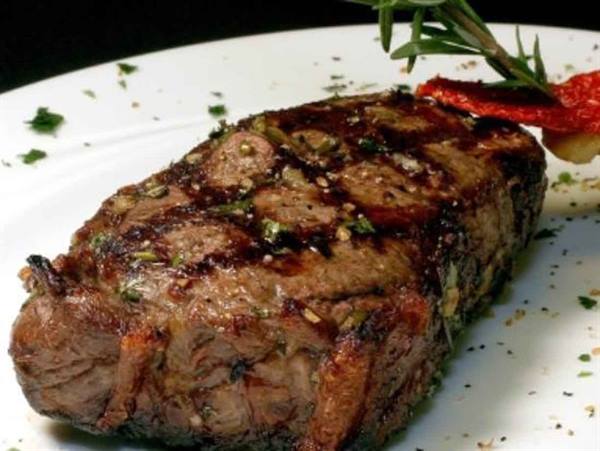
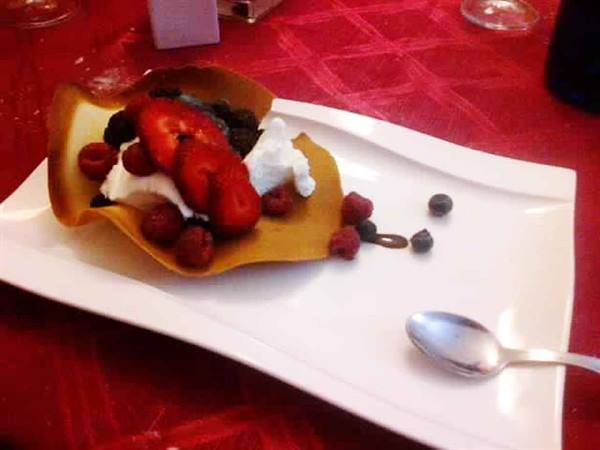
We wash down these good things with excellent wines, mainly from the territory, chosen from the more than seventy labels on the list. Among the main dishes we choose the excellent fassone beef specialities, and besides the tagliate and the braised meats we also very much like the mixed fry Piedmontese-style. Our day in Ivrea ends in great sweetness thanks to the house desserts, including the tasty hazelnut cake with zabaglione cream, and with the decision to return here as soon as possible, and perhaps also to take part in the next Carnival.
Francesca Bertha FOR INFORMATION:
Trattoria Boccon Di Vino Via Aosta, 47 Ivrea Tel.: 0125/48998
The journey's photographs
15 photographs · click to open them full screen
0 reader comments